

Music legends have shaped the soundtrack of our lives, transcending generations and genres to create timeless art that continues to inspire millions. From revolutionary rock pioneers to soul-stirring vocalists, these extraordinary artists have left an indelible mark on the cultural landscape, influencing countless musicians and defining entire eras of music history.
What Defines a Music Legend?
A true music legend possesses more than just commercial success or critical acclaim. These artists demonstrate exceptional artistry, innovation, and cultural impact that extends far beyond their active years. They break boundaries, create new genres, and inspire generations of musicians who follow in their footsteps. Their influence can be measured not only in record sales and awards but in how they’ve fundamentally changed the way we experience and understand music.
The greatest artists ever share common traits: originality in their sound, consistency in quality, longevity in relevance, and the ability to connect emotionally with audiences across different backgrounds and time periods. They’ve created bodies of work that remain culturally significant decades after their release, continuing to be discovered by new listeners and reinterpreted by contemporary artists.
The Rock and Roll Revolutionaries
1. The Beatles
No discussion of music legends would be complete without The Beatles, arguably the most influential band in popular music history. John Lennon, Paul McCartney, George Harrison, and Ringo Starr transformed rock and roll from simple entertainment into sophisticated art. Their innovative studio techniques, melodic genius, and willingness to experiment with different genres created a template that countless artists still follow today.
2. The Rolling Stones
While The Beatles represented pop perfection, The Rolling Stones embodied rock and roll’s rebellious spirit. Mick Jagger, Keith Richards, and their bandmates created a raw, blues-influenced sound that defined rock music’s dangerous edge. With an active career spanning over six decades, The Rolling Stones prove that rock and roll isn’t just for the young.
3. Led Zeppelin
Led Zeppelin took rock music to new heights of power and complexity. Jimmy Page’s innovative guitar work, Robert Plant’s soaring vocals, John Paul Jones’s versatile musicianship, and John Bonham’s thunderous drumming created a sound that was simultaneously heavy and sophisticated. Their influence on hard rock and heavy metal cannot be overstated.
4. Queen
Queen redefined what a rock band could be, blending opera, hard rock, progressive elements, and theatrical performance into a unique spectacle. Freddie Mercury’s extraordinary vocal range and magnetic stage presence, combined with Brian May’s distinctive guitar sound, made Queen one of the most beloved bands of all time.
5. The Who
The Who combined power, aggression, and artistic ambition to create rock operas like “Tommy” and “Quadrophenia.” Pete Townshend’s windmill guitar style, Roger Daltrey’s powerful vocals, and Keith Moon’s explosive drumming made them one of rock’s most exciting live acts.
6. Pink Floyd
Pink Floyd created ambitious concept albums that combined progressive rock with philosophical themes and innovative sound effects. Albums like “The Dark Side of the Moon” and “The Wall” pushed the boundaries of what rock music could achieve artistically and technically.
7. AC/DC
AC/DC perfected hard rock with their straightforward, blues-based approach and thunderous sound. Brothers Angus and Malcolm Young created riffs that became the backbone of rock radio, while vocalists Bon Scott and Brian Johnson delivered powerhouse performances that defined stadium rock.
8. Jimi Hendrix
Jimi Hendrix revolutionized electric guitar playing with his innovative techniques, feedback manipulation, and psychedelic soundscapes. Despite his brief career, Hendrix’s influence on rock guitar is unmatched, and he remains the gold standard for guitarists across all genres.
9. The Doors
The Doors brought dark, poetic intensity to rock music through Jim Morrison’s shamanistic performances and Ray Manzarek’s distinctive keyboard work. Their blend of rock, blues, and jazz created a unique sound that captured the counterculture spirit of the 1960s.
10. Nirvana
Nirvana brought alternative rock to mainstream audiences with their raw sound and Kurt Cobain’s anguished lyrics. “Nevermind” became a cultural phenomenon that defined Generation X and changed the music industry forever.
The Kings and Queens of Soul and R&B
11. Aretha Franklin
The Queen of Soul, Aretha Franklin possessed one of the most powerful and expressive voices in music history. Her interpretations of songs like “Respect” and “Think” became anthems of empowerment, while her gospel-influenced delivery brought unprecedented emotional depth to popular music.
12. Marvin Gaye
Marvin Gaye transformed soul music from simple love songs into socially conscious art. His album “What’s Going On” addressed war, poverty, and environmental issues with unprecedented sophistication, creating a blueprint for concept albums in R&B.
13. Stevie Wonder
A musical prodigy who achieved success as a child, Stevie Wonder evolved into one of the most accomplished and innovative artists of all time. His mastery of multiple instruments, pioneering use of synthesizers, and socially conscious songwriting produced classic albums throughout the 1970s.
14. James Brown
Known as the Godfather of Soul, James Brown was one of the most influential figures in 20th-century music. His emphasis on rhythm and groove laid the foundation for funk music and profoundly influenced hip-hop culture.
15. Ray Charles
Ray Charles pioneered soul music by combining gospel, blues, and jazz into a revolutionary new sound. His ability to cross genres and his emotive vocal delivery made him one of the most influential musicians of the 20th century.
16. Sam Cooke
Sam Cooke brought gospel passion to secular music, creating the template for soul music. His smooth vocals and songwriting prowess produced timeless classics, while his business acumen paved the way for artists to control their own careers.
17. Otis Redding
Otis Redding’s raw, emotional delivery and powerful stage presence made him one of soul music’s greatest performers. His tragic death at age 26 cut short a brilliant career, but his influence on soul and R&B remains profound.
18. Curtis Mayfield
Curtis Mayfield combined sweet soul melodies with socially conscious lyrics, creating music that was both beautiful and meaningful. His falsetto vocals and guitar work influenced generations of R&B and funk artists.
19. Al Green
Al Green’s silky smooth vocals and intimate delivery made him one of soul music’s most romantic voices. His work with producer Willie Mitchell created a string of classics that defined 1970s soul music.
20. Whitney Houston
Whitney Houston possessed one of the most powerful and technically perfect voices in popular music history. Her crossover success in pop and R&B, combined with her acting career, made her a global superstar whose vocal influence continues today.
Pop Music Innovators and Icons
21. Michael Jackson
The King of Pop revolutionized music, dance, and music videos, becoming the most successful entertainer of his generation. Michael Jackson’s groundbreaking albums combined pop, rock, funk, and R&B into a universally appealing sound that broke down racial barriers.
22. Madonna
Madonna redefined what it meant to be a female pop star, combining provocative imagery with catchy melodies and constant reinvention. Her ability to stay relevant across four decades while challenging social norms established her as the Queen of Pop.
23. Prince
Prince was a musical genius who played over 27 instruments and wrote, produced, and performed music that defied categorization. His blend of funk, rock, R&B, and pop created a unique sound that was both commercially successful and artistically groundbreaking.
24. David Bowie
David Bowie was the ultimate chameleon, constantly reinventing his sound and image throughout a career that spanned five decades. From glam rock to soul to electronic music, Bowie explored numerous genres while maintaining his distinctive artistic vision.
25. Elvis Presley
Elvis Presley revolutionized popular music by bringing rhythm and blues to mainstream white audiences. The King of Rock and Roll’s charisma, voice, and controversial performances made him the first true rock and roll superstar.
26. Elton John
Elton John’s partnership with lyricist Bernie Taupin produced some of pop music’s most memorable songs. His flamboyant stage presence, piano virtuosity, and melodic gifts made him one of the most successful artists of all time.
27. George Michael
George Michael combined soulful vocals with sophisticated pop production to create a distinctive sound. His success with Wham! and as a solo artist showcased his versatility, while his later work demonstrated artistic depth and social consciousness.
28. Janet Jackson
Janet Jackson emerged from her famous family’s shadow to become a pop and R&B icon in her own right. Her innovative music videos, choreography, and socially conscious lyrics influenced a generation of female artists.
29. Tina Turner
Tina Turner overcame personal adversity to become the Queen of Rock and Roll. Her powerful voice, electrifying stage presence, and remarkable comeback in the 1980s made her one of the best-selling artists of all time.
30. Cher
Cher’s six-decade career demonstrates unmatched longevity and versatility. From folk-rock to disco to dance-pop, she has successfully reinvented herself multiple times while maintaining her distinctive contralto voice and bold persona.
The Voice of Generations: Singer-Songwriters
31. Bob Dylan
Bob Dylan transformed popular music by bringing poetic sophistication and social commentary to rock and folk. His Nobel Prize in Literature recognized his profound impact on culture and society, proving that popular songs could achieve literary significance.
32. Joni Mitchell
Joni Mitchell’s complex compositions, innovative guitar tunings, and deeply personal lyrics elevated singer-songwriter music to new artistic heights. Her album “Blue” is widely considered one of the greatest albums ever recorded.
33. Bruce Springsteen
The Boss captured the struggles and dreams of working-class America with poetic intensity and rock and roll energy. Bruce Springsteen’s epic live performances and storytelling ability made him one of rock’s most respected figures.
34. Leonard Cohen
Leonard Cohen brought a poet’s sensibility to popular music, creating deeply contemplative songs about love, spirituality, and human existence. His distinctive baritone voice and sophisticated lyrics influenced countless artists across genres.
35. Paul Simon
Paul Simon’s sophisticated songwriting and willingness to incorporate world music elements created a unique sound. From Simon and Garfunkel through his solo career, his melodic genius and lyrical craft have produced numerous classics.
36. Neil Young
Neil Young’s raw, emotional performances and eclectic career have made him one of rock’s most enduring figures. His willingness to follow his muse regardless of commercial considerations has earned him respect across musical boundaries.
37. Carole King
Carole King’s “Tapestry” became one of the best-selling albums of all time, showcasing her gifts as both songwriter and performer. Her earlier work as a Brill Building songwriter produced countless hits for other artists.
38. James Taylor
James Taylor’s warm voice and intimate songwriting style defined the singer-songwriter movement of the 1970s. His confessional lyrics and gentle melodies created a template for introspective pop music.
39. Cat Stevens
Cat Stevens crafted thoughtful folk-pop that explored spiritual and philosophical themes. His string of hits in the early 1970s showcased his melodic gifts and introspective lyricism before his conversion to Islam and temporary retirement from music.
40. Tom Petty
Tom Petty created timeless rock and roll with his straightforward approach and gift for memorable melodies. His work with the Heartbreakers and as a solo artist produced decades of radio staples that defined American rock.
Hip-Hop and Rap Pioneers
41. Tupac Shakur
Tupac Shakur remains one of the most influential rappers of all time, combining raw emotion, social consciousness, and poetic skill. His ability to address issues like racism, poverty, and violence while creating commercially successful music made him a cultural icon.
42. The Notorious B.I.G.
The Notorious B.I.G., also known as Biggie Smalls, brought a smooth, conversational flow and storytelling prowess to East Coast hip-hop. His albums “Ready to Die” and “Life After Death” are considered classics of the genre.
43. Jay-Z
Jay-Z evolved from street rapper to business mogul while maintaining his artistic credibility and relevance. His sophisticated wordplay, entrepreneurial success, and consistent quality over multiple decades have made him one of hip-hop’s most respected figures.
44. Eminem
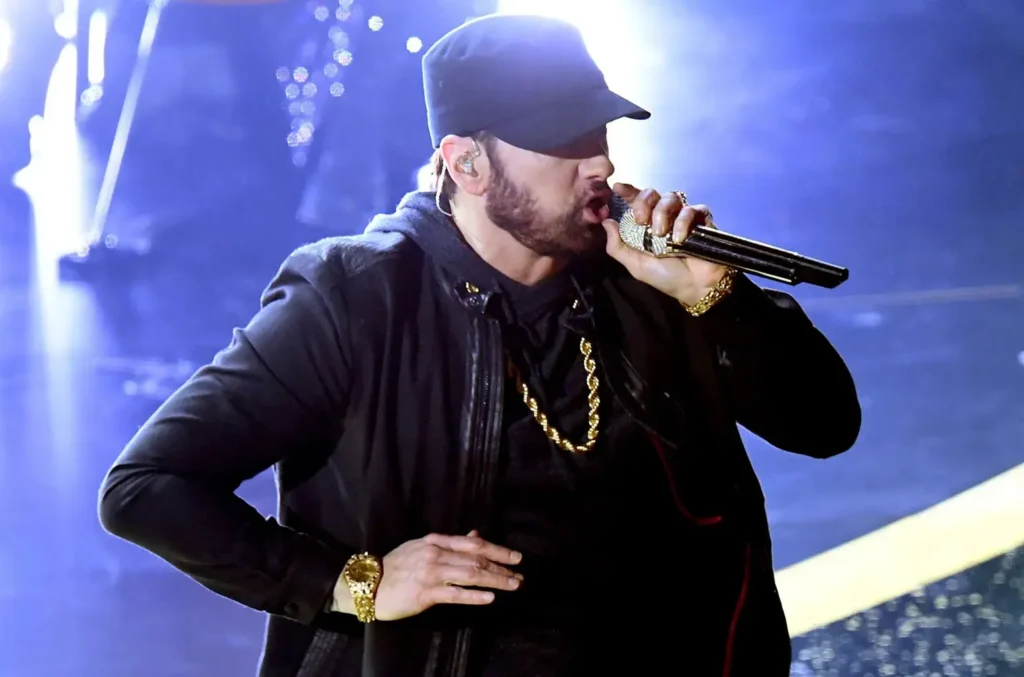
Eminem broke racial barriers in hip-hop while demonstrating unmatched technical skill and controversial lyricism. His ability to tell personal stories with humor, anger, and vulnerability connected with millions of fans worldwide.
45. Nas
Nas’s debut album “Illmatic” is widely considered one of the greatest hip-hop albums ever made. His vivid storytelling, complex wordplay, and poetic lyricism established him as one of rap’s greatest lyricists.
46. Dr. Dre
Dr. Dre revolutionized hip-hop production with his work on N.W.A’s groundbreaking albums and his solo career. As a producer and entrepreneur, he discovered and developed numerous successful artists while defining West Coast hip-hop’s sound.
47. Snoop Dogg
Snoop Dogg’s laid-back flow and charismatic personality made him one of hip-hop’s most recognizable figures. His work with Dr. Dre and his successful solo career have kept him relevant for over three decades.
48. Kanye West
Kanye West pushed hip-hop’s boundaries with his innovative production techniques and willingness to incorporate diverse musical influences. His controversial personality aside, his artistic achievements and influence on contemporary hip-hop are undeniable.
49. OutKast
OutKast brought Southern hip-hop to mainstream prominence with their eclectic, genre-blending approach. André 3000 and Big Boi’s creative partnership produced some of hip-hop’s most innovative and commercially successful albums.
50. Run-DMC
Run-DMC brought hip-hop to mainstream audiences in the 1980s with their rock-influenced sound and groundbreaking collaborations. Their partnership with Aerosmith on “Walk This Way” opened doors for hip-hop’s commercial success.
Country Music Icons
51. Johnny Cash
The Man in Black transcended country music to become an American icon. Johnny Cash’s deep, distinctive voice and songs about outlaws, prisoners, and working people resonated across all demographics.
52. Dolly Parton
Dolly Parton combined exceptional songwriting talent with business acumen and genuine warmth to become one of country music’s most beloved figures. Her crossover success and philanthropic efforts have made her a cultural treasure.
53. Willie Nelson
Willie Nelson’s unique phrasing, jazz-influenced guitar playing, and outlaw country image made him one of the genre’s most distinctive voices. His prolific songwriting and willingness to collaborate across genres have kept him relevant for over six decades.
54. Hank Williams
Hank Williams established the template for country music songwriting with his emotionally direct lyrics and memorable melodies. Despite his short life, his influence on country music is fundamental and enduring.
55. Merle Haggard
Merle Haggard brought authenticity to country music with songs drawn from his own experiences. His Bakersfield Sound influenced generations of country artists, while his songwriting explored working-class American life.
56. Patsy Cline
Patsy Cline’s rich, emotive voice brought sophistication to country music and helped establish Nashville as a recording center. Her crossover appeal paved the way for future female country artists.
57. George Jones
George Jones is widely considered country music’s greatest vocalist, with a voice that could convey profound emotion. His troubled personal life informed his performances, creating some of country music’s most heartbreaking recordings.
58. Loretta Lynn
Loretta Lynn broke barriers in country music with her frank songs about women’s experiences. Her autobiography and film “Coal Miner’s Daughter” made her story part of American cultural history.
59. Waylon Jennings
Waylon Jennings was a key figure in the outlaw country movement, fighting for artistic control and a rougher, more authentic sound. His deep voice and rock-influenced approach expanded country music’s boundaries.
60. Garth Brooks
Garth Brooks brought rock and roll energy to country music, creating a stadium-filling spectacle that made him the best-selling solo artist in U.S. history. His theatrical performances and emotional delivery attracted new audiences to country music.
Jazz and Blues Masters
61. Louis Armstrong
Louis Armstrong revolutionized jazz with his virtuosic trumpet playing and gravelly singing voice. His innovations in improvisation and his charismatic personality made jazz music accessible to mainstream audiences worldwide.
62. Miles Davis
Miles Davis was jazz’s greatest innovator, consistently pushing the genre into new territory throughout his career. From bebop to cool jazz to fusion, Davis reinvented himself multiple times while maintaining artistic excellence.
63. Ella Fitzgerald
The First Lady of Song possessed a pure, powerful voice and impeccable technique that set the standard for jazz vocalists. Ella Fitzgerald’s scat singing abilities and emotional interpretation made her one of the most celebrated singers of the 20th century.
64. B.B. King
B.B. King’s expressive guitar playing and powerful vocals made him the undisputed King of the Blues. His influence on rock, soul, and R&B is immeasurable, as virtually every rock guitarist has been influenced by his style.
65. John Coltrane
John Coltrane pushed jazz into spiritual and experimental territory with his innovative saxophone playing and complex compositions. His album “A Love Supreme” is considered one of jazz’s greatest artistic achievements.
66. Duke Ellington
Duke Ellington elevated jazz to high art through his sophisticated compositions and arrangements. As a bandleader for over 50 years, he created an enormous body of work that remains central to the jazz canon.
67. Billie Holiday
Billie Holiday’s emotionally raw vocal delivery and unique phrasing made her one of jazz’s most distinctive voices. Her tragic life and powerful performances of songs like “Strange Fruit” made her an enduring cultural icon.
68. Charlie Parker
Charlie Parker revolutionized jazz by pioneering bebop, a complex and virtuosic style that changed the genre forever. His innovative saxophone playing influenced generations of jazz musicians across all instruments.
69. Muddy Waters
Muddy Waters brought Delta blues to Chicago, creating electric blues that became the foundation for rock and roll. His influence on British rock bands like The Rolling Stones helped bring blues music to international audiences.
70. Howlin’ Wolf
Howlin’ Wolf’s powerful voice and commanding presence made him one of blues music’s most imposing figures. His influence on rock and roll, particularly in Britain, helped preserve and popularize blues traditions.
Classical Crossover and Opera Legends
71. Luciano Pavarotti
Luciano Pavarotti brought opera to mainstream audiences with his extraordinary tenor voice and charismatic personality. His performances of “Nessun Dorma” became iconic, and his Three Tenors concerts expanded opera’s reach worldwide.
72. Maria Callas
Maria Callas revolutionized opera with her dramatic interpretations and remarkable vocal technique. Her ability to combine powerful singing with intense acting transformed what audiences expected from opera performances.
73. Andrea Bocelli
Andrea Bocelli brought classical crossover to unprecedented commercial success with his powerful tenor voice. His ability to perform both operatic arias and pop songs has introduced classical music to millions of new listeners.
74. Yo-Yo Ma
Yo-Yo Ma is widely considered the greatest living cellist, known for his virtuosic technique and willingness to explore diverse musical traditions. His Silk Road Project has brought together musicians from different cultures to create innovative collaborative works.
75. Leonard Bernstein
Leonard Bernstein excelled as conductor, composer, and educator, bringing classical music to television audiences through his Young People’s Concerts. His compositions, including “West Side Story,” bridged classical and popular music.
Latin Music Pioneers
76. Celia Cruz
The Queen of Salsa brought Afro-Cuban music to international audiences with her powerful voice and vibrant stage presence. Celia Cruz’s career spanned over five decades, and her influence on Latin music and culture is immeasurable.
77. Carlos Santana
Carlos Santana blended rock, Latin, jazz, and blues into a distinctive sound centered around his fluid, melodic guitar playing. His band achieved success across multiple decades, introducing Latin rock to mainstream audiences.
78. Tito Puente
Tito Puente, the King of Latin Music, was a master percussionist and bandleader who popularized mambo and Latin jazz. His energetic performances and musical innovations made him one of Latin music’s most important figures.
79. Selena
Selena brought Tejano music to mainstream audiences before her tragic death at age 23. Her crossover appeal and charismatic performances made her the Queen of Tejano Music and opened doors for future Latin artists.
80. Juan Gabriel
Juan Gabriel was one of Mexico’s most prolific and beloved singer-songwriters, composing over 1,800 songs. His flamboyant performances and emotional ballads made him an icon across Latin America.
Electronic and Dance Music Innovators
81. Kraftwerk
The German electronic band Kraftwerk pioneered electronic music and influenced virtually every electronic genre that followed. Their innovative use of synthesizers and drum machines created a futuristic sound that was both avant-garde and accessible.
82. Daft Punk
The French duo Daft Punk brought electronic dance music to mainstream audiences while maintaining artistic credibility. Their blend of house, disco, and funk created infectious grooves that influenced pop music worldwide.
83. The Chemical Brothers
The Chemical Brothers brought big beat and electronic music to rock audiences with their explosive live shows and genre-blending productions. Their influence on electronic music and their crossover success helped legitimize dance music.
84. Aphex Twin
Aphex Twin pushed electronic music into experimental territory with his innovative production techniques and unconventional song structures. His influence on ambient, techno, and experimental electronic music is profound.
85. Deadmau5
Deadmau5 brought progressive house music to mainstream audiences with his distinctive mouse helmet persona and melodic productions. His live shows and production techniques influenced a generation of electronic music producers.
Reggae and World Music
86. Bob Marley
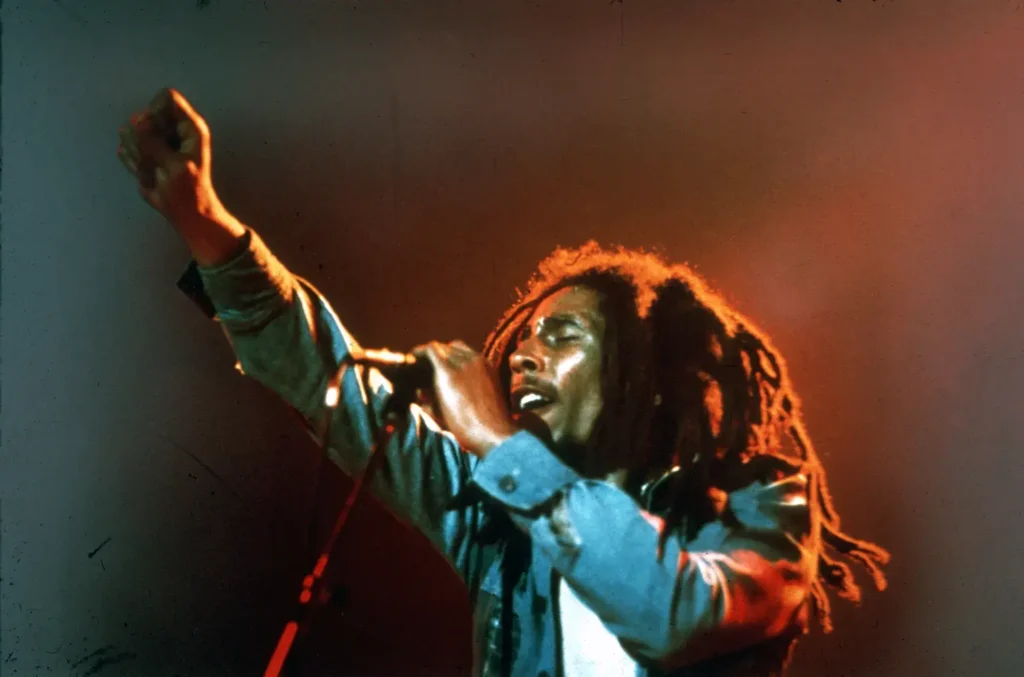
Bob Marley brought reggae music to international audiences while spreading messages of peace, love, and social justice. His songs became anthems for the oppressed worldwide, and his influence extends far beyond music into politics and spirituality.
87. Peter Tosh
Peter Tosh was a founding member of The Wailers who established a successful solo career with his militant lyrics and revolutionary message. His advocacy for marijuana legalization and human rights made him a controversial but influential figure.
88. Fela Kuti
Fela Kuti created Afrobeat by combining traditional Nigerian music with jazz, funk, and political activism. His lengthy compositions and fearless criticism of government corruption made him a hero in Nigeria and an influential figure worldwide.
89. Youssou N’Dour
Youssou N’Dour is one of Africa’s most celebrated musicians, bringing Senegalese mbalax music to international audiences. His powerful voice and cultural advocacy have made him one of world music’s most important ambassadors.
90. Cesária Évora
Cesária Évora, the Barefoot Diva, brought Cape Verdean morna music to international audiences with her soulful voice and emotional delivery. Her success helped establish world music as a viable commercial genre.
The Modern Era: Continuing the Legacy
91. Taylor Swift
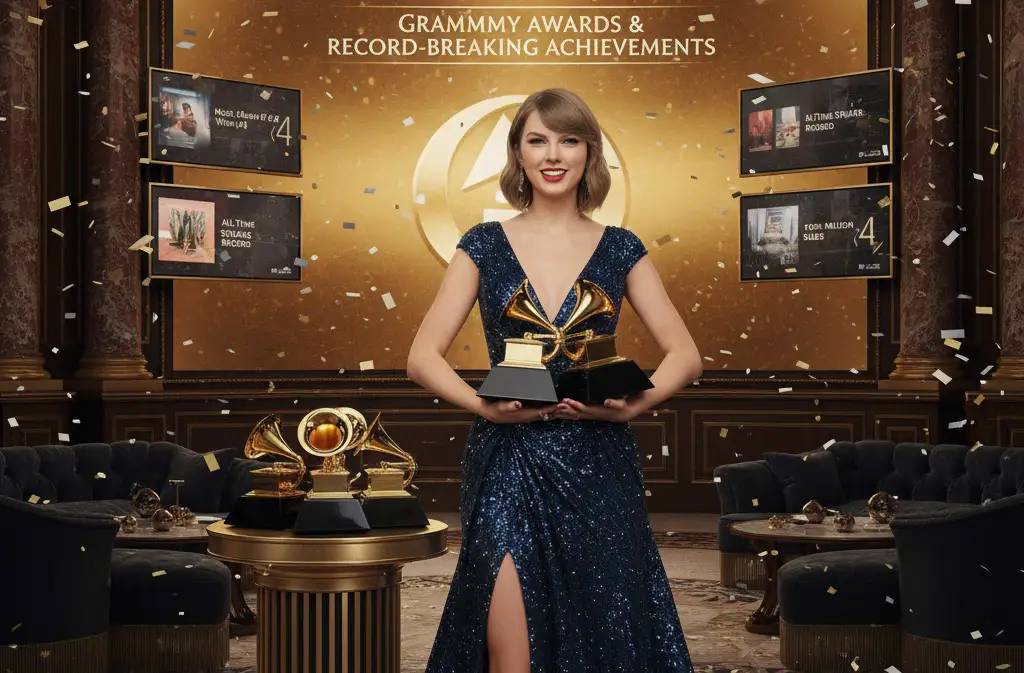
Taylor Swift evolved from country singer-songwriter to pop superstar while maintaining creative control over her career. Her autobiographical songwriting and ability to connect with fans have made her one of the most successful artists of the 21st century.
92. Kendrick Lamar
Kendrick Lamar brought literary sophistication and social consciousness to contemporary hip-hop. His concept albums address race, identity, and American society with unprecedented depth, earning him a Pulitzer Prize for Music.
93. Beyoncé
Beyoncé evolved from Destiny’s Child member to solo superstar to cultural icon. Her powerful vocals, dynamic performances, and visual albums have redefined what it means to be a contemporary pop artist.
94. Adele
Adele’s powerful voice and emotionally direct songwriting have made her one of the best-selling artists of the 21st century. Her ability to create intimate, personal songs that resonate with millions demonstrates the enduring power of authentic artistry.
95. Ed Sheeran
Ed Sheeran’s singer-songwriter approach combined with modern production techniques has made him one of the most successful artists of his generation. His melodic gifts and relatable lyrics have produced numerous global hits.
96. Drake
Drake blurred the lines between rapping and singing, creating a melodic hip-hop style that dominated the 2010s. His emotional vulnerability and consistent commercial success have made him one of the most streamed artists of all time.
97. Rihanna
Rihanna’s ability to adapt to changing musical trends while maintaining her distinctive personality has made her one of pop music’s most successful artists. Her influence extends beyond music into fashion and business.
98. Bruno Mars
Bruno Mars revived classic funk, soul, and R&B sounds for contemporary audiences with his exceptional showmanship and musical versatility. His ability to channel multiple genres while creating modern hits demonstrates his deep understanding of musical history.
99. Radiohead
Radiohead evolved from alternative rock band to experimental pioneers, consistently challenging themselves and their audience. Albums like “OK Computer” and “Kid A” are considered landmarks of artistic ambition and innovation in rock music.
100. U2
U2 combined anthemic rock with social activism to become one of the world’s biggest bands. Bono’s distinctive vocals, The Edge’s atmospheric guitar work, and their commitment to humanitarian causes have kept them relevant for over four decades.
The Enduring Impact of Music Legends
These 100 music legends represent diverse genres, eras, and cultural backgrounds, but they share common qualities that make them truly great. They innovated within their genres, created lasting bodies of work, influenced countless other artists, and connected emotionally with audiences across generations. Their music continues to be discovered by new listeners, covered by contemporary artists, and studied by musicologists.
The greatest artists ever didn’t just create entertainment; they created art that reflects and shapes human experience. They gave voice to emotions we struggle to express, documented historical moments, challenged social norms, and brought people together across cultural boundaries. Their legacy isn’t measured only in record sales or awards but in how they’ve enriched our lives and expanded our understanding of what music can be.
As we continue into the future, new artists will emerge who will someday join the ranks of these legends. The criteria for greatness remain consistent: originality, quality, influence, and the ability to create music that transcends its time. These music legends have set the standard, and their work continues to inspire both listeners and creators around the world. From the revolutionary sounds of The Beatles to the contemporary artistry of Kendrick Lamar, these artists have proven that music has the power to change lives, challenge societies, and create lasting cultural impact.
Frequently Asked Questions
Who is considered the greatest music legend of all time?
While opinions vary, The Beatles are most frequently cited as the greatest music legend due to their revolutionary impact on popular music, innovative recording techniques, and lasting cultural influence. However, artists like Michael Jackson, Bob Dylan, and Aretha Franklin are also commonly mentioned as the greatest depending on personal preferences and criteria used.
What makes an artist a music legend?
A music legend demonstrates exceptional artistry, creates innovative or influential work, achieves significant commercial success or critical acclaim, maintains longevity and relevance over time, and influences subsequent generations of musicians. True legends transcend their original genre and era to become culturally significant figures whose work remains important decades after its creation.
Which music legends have won the most Grammy Awards?
Beyoncé holds the record for most Grammy Awards won by any artist with 32 wins. Other highly awarded legends include Georg Solti with 31 wins, Quincy Jones with 28, Alison Krauss with 27, and artists like Stevie Wonder, John Williams, and Jay-Z with multiple Grammy Awards throughout their careers.
Are there any music legends still actively performing?
Yes, many music legends continue performing including Paul McCartney, The Rolling Stones, Bob Dylan, Willie Nelson, Elton John, Madonna, Stevie Wonder, Carlos Santana, and numerous others. These artists demonstrate that legendary status and active careers can coexist, often performing well into their seventies and eighties.
How has the definition of music legend changed over time?
The definition has expanded to include artists from genres beyond rock and pop, recognizing legends in hip-hop, electronic music, country, Latin music, and world music. Additionally, factors like social media presence, streaming numbers, cultural impact beyond music, and business acumen now contribute to legendary status alongside traditional measures like album sales and critical acclaim.
Which music legend had the biggest cultural impact?
The Beatles had arguably the biggest cultural impact, transforming not just music but fashion, film, and social attitudes during the 1960s. However, artists like Michael Jackson, Bob Dylan, Bob Marley, and Elvis Presley also had enormous cultural influence that extended far beyond music into broader society and politics.
What is the best way to discover music legends I haven’t heard before?
Start by exploring curated playlists on streaming services, reading music history books, watching documentaries about specific genres or eras, checking out Rock and Roll Hall of Fame inductees, and following music critics and historians on social media. Many streaming platforms also offer radio features that introduce similar artists based on your listening habits.
Do music legends from earlier eras still influence modern artists?
Absolutely. Modern artists frequently cite classic legends as major influences, sample their music, cover their songs, and incorporate their techniques into contemporary work. Artists like The Beatles, James Brown, Aretha Franklin, and Bob Dylan continue to influence new generations of musicians across all genres, demonstrating the timeless quality of their artistry.