
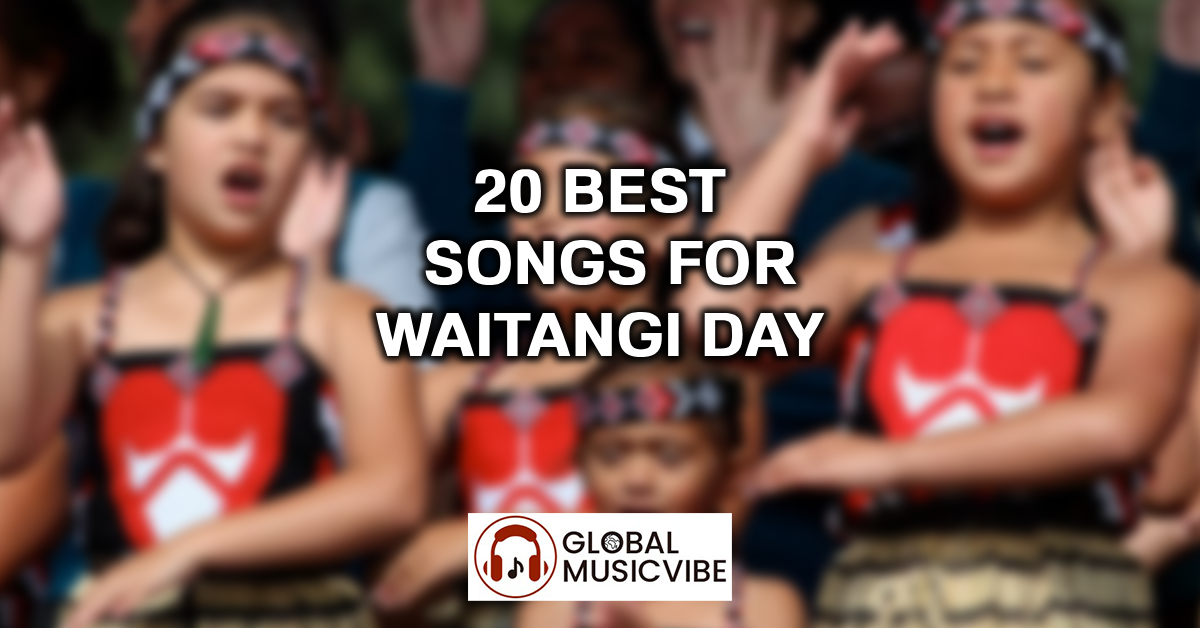
Waitangi Day stands as New Zealand’s most significant national holiday, commemorating the signing of Te Tiriti o Waitangi on February 6, 1840. Music has always played a vital role in Waitangi Day celebrations, bringing communities together through traditional Māori waiata, contemporary Kiwi anthems, and powerful expressions of cultural identity. Whether you’re attending a festival, hosting a barbecue, or simply reflecting on the day’s meaning, the right playlist can elevate your celebration and deepen your connection to Aotearoa’s rich musical heritage.
This carefully curated collection features 20 exceptional songs that capture the spirit of Waitangi Day, blending traditional Māori music with contemporary New Zealand artists who have shaped the nation’s sonic landscape. From timeless classics that have soundtracked generations of celebrations to fresh releases that push creative boundaries, these tracks honor Te Tiriti, celebrate Māori culture, and showcase the diverse musical talent that makes New Zealand’s music scene truly special. Each song offers something unique, whether it’s powerful storytelling, infectious rhythms, or messages of unity that resonate with the values Waitangi Day represents.
Poi E – Pātea Māori Club
“Poi E” remains one of New Zealand’s most beloved and recognizable songs, having topped the charts in 1984 and becoming an enduring cultural phenomenon that transcends generations. This infectious blend of traditional Māori language and modern pop production was groundbreaking for its time, proving that te reo Māori could succeed in mainstream music. The song’s joyful energy and celebratory spirit make it a perfect anthem for Waitangi Day festivities, encouraging listeners to embrace their cultural identity while dancing together in unity.
Tutira Mai Ngā Iwi – Traditional Waiata
This traditional Māori action song has become synonymous with unity and gathering, making it an essential part of any Waitangi Day celebration. Written by Canon Wi Te Tau Huata in the 1950s, “Tutira Mai Ngā Iwi” literally translates to “Line up together, people,” delivering a powerful message about standing together regardless of differences. The song’s call-and-response structure and accompanying actions create an interactive experience that brings communities together, embodying the collaborative spirit that Waitangi Day encourages.
Aotearoa – Stan Walker feat. Ria Hall, Troy Kingi & Maisey Rika
Stan Walker’s collaboration “Aotearoa” serves as a modern love letter to New Zealand, featuring some of the country’s finest Māori vocalists. Released in 2014, this powerful track blends contemporary production with deeply personal reflections on what it means to call this country home. The harmonies between Walker, Ria Hall, Troy Kingi, and Maisey Rika create a rich tapestry of sound that celebrates the land, people, and culture shaping New Zealand’s identity, making it resonate particularly strongly on Waitangi Day.
Slice of Heaven – Dave Dobbyn & Herbs
Dave Dobbyn’s “Slice of Heaven” has become an unofficial anthem for New Zealand, its upbeat celebration of Aotearoa resonating with generations of Kiwis since 1986. Originally released for the animated film “Footrot Flats,” the collaboration with Herbs created something truly special that captured the essence of New Zealand life. The song’s infectious melody and joyful lyrics remind listeners of the beauty and spirit of living in New Zealand, making it an essential inclusion in any Waitangi Day playlist that celebrates why Aotearoa truly is a slice of heaven.
How Bizarre – OMC
Pauly Fuemana’s “How Bizarre” became a global phenomenon in 1996, topping charts worldwide and putting New Zealand music firmly on the international stage. The song’s infectious groove, distinctive production, and Fuemana’s laid-back delivery created something entirely unique that could only have come from Aotearoa. Its unprecedented success story represents New Zealand’s ability to punch above its weight in the global music industry, making it a point of national pride perfect for Waitangi Day celebrations that honor Kiwi achievement.
Not Many – Scribe
Scribe’s “Not Many” put New Zealand hip-hop on the international map in 2003, becoming one of the longest-running number-one singles in New Zealand chart history with an impressive twelve-week reign. The track’s confident bars and distinctive Kiwi flavor showcase the unique perspective that New Zealand artists bring to global music genres. While not explicitly about Waitangi Day, the song’s celebration of New Zealand identity and its groundbreaking success for a local artist make it a proud addition to any national celebration playlist.
Royals – Lorde
Lorde’s breakthrough hit “Royals” catapulted the then-teenager from Auckland to global superstardom in 2013, winning Grammy Awards and dominating charts worldwide. The minimalist production and Ella Yelich-O’Connor’s distinctive vocals created a sound that resonated across cultures while maintaining authenticity. Lorde’s phenomenal success has inspired countless young Kiwi musicians, proving that artists from Aotearoa can compete on the world’s biggest stages, making this track a celebration of New Zealand’s creative potential.
Pepeha – Six60
Six60’s “Pepeha” represents a significant moment in New Zealand music, with the band incorporating te reo Māori into their stadium-rock sound. Released in 2021, this track demonstrates the band’s commitment to celebrating Māori culture while maintaining their signature style that has made them one of New Zealand’s most successful acts. The song’s title refers to the traditional Māori way of introducing oneself by connecting to ancestral lands and mountains, making it deeply appropriate for Waitangi Day reflections on identity and belonging.
Don’t Forget Your Roots – Six60
“Don’t Forget Your Roots” became an anthem for New Zealanders when Six60 released it in 2011, its message about staying connected to one’s origins resonating across the nation. The song’s powerful chorus and emotional delivery remind listeners of the importance of remembering where they come from, themes that align perfectly with Waitangi Day’s focus on honoring heritage and history. Six60’s rise from Dunedin students to international success makes this track even more meaningful as a celebration of New Zealand music.
In the Air – L.A.B.
L.A.B.’s “In the Air” became a massive hit in 2019, showcasing the Kiwi roots-reggae band’s signature blend of soul, blues, and Pacific influences. The song dominated New Zealand charts and became a summer anthem, its smooth groove and infectious melody capturing the laid-back vibe that characterizes much of New Zealand’s music scene. L.A.B.’s success in creating music that feels distinctly local while achieving mainstream appeal makes their work perfect for celebrating Aotearoa’s unique cultural identity on Waitangi Day.
Controller – L.A.B.
“Controller” established L.A.B. as major players in the New Zealand music scene when it was released in 2018, the track’s funky bassline and soulful vocals creating an irresistible groove. The band’s ability to blend genres while maintaining authenticity has made them festival favorites across New Zealand. Their music brings people together in celebration, which is exactly what Waitangi Day aims to achieve, making “Controller” an excellent addition to any playlist honoring the day’s spirit of unity.
E Ihowā Atua – Traditional Hymn
“E Ihowā Atua” holds special significance as a hymn that bridges Māori spiritual traditions with Christian influences, reflecting the complex cultural exchange that followed the signing of Te Tiriti. This beautiful prayer for peace and guidance has been performed at countless Waitangi Day ceremonies, its solemn melody and meaningful lyrics creating moments of reflection. The song’s enduring presence in national celebrations demonstrates how music can hold space for contemplation alongside more upbeat festivities, honoring both celebration and reverence.
Kia Mau Ki Tō Ūkaipō / Don’t Forget Your Roots – Six60
Six60’s 2019 contribution to the Waiata Anthems project reimagined their hit “Don’t Forget Your Roots” with te reo Māori verses, creating a bilingual version that bridges cultures. This collaboration demonstrates how contemporary New Zealand music increasingly incorporates Māori language, contributing to revitalization efforts while creating commercially successful tracks. The Waiata Anthems initiative itself represents the kind of cultural partnership that Waitangi Day celebrates, making this version particularly meaningful for the occasion.
Te Ao Mārama – Lorde
Lorde released “Te Ao Mārama” in 2021 as part of her third studio album, marking her first song entirely in te reo Māori. The title translates to “the world of light,” and the track represents Lorde’s deeper exploration of her New Zealand identity and Māori heritage. This beautiful, ethereal song demonstrates how even globally successful artists are embracing te reo Māori, contributing to its normalization in popular culture and inspiring other artists to explore their cultural roots through music.
Ko Tātou Te Ahi – Dillastrate
Dillastrate’s “Ko Tātou Te Ahi” represents the contemporary wave of Māori hip-hop artists proudly creating music in te reo Māori. Released in 2023, this recent track showcases how younger Māori musicians continue to innovate while maintaining authentic connections to their heritage. The song’s modern production techniques paired with traditional language demonstrate the dynamic evolution of Māori music, making it an essential inclusion for those seeking current releases that honor culture while pushing creative boundaries.
Āio – Lost Tribe Aotearoa
Lost Tribe Aotearoa’s “Āio” emerged in 2023 as a powerful expression of contemporary Māori music, blending traditional elements with modern sensibilities. The title means “peace” or “calm” in te reo Māori, and the track delivers on this promise with its soothing yet engaging composition. This recent release demonstrates the thriving state of Māori music today, with artists confidently creating works that honor their ancestors while speaking to contemporary audiences, making it perfect for Waitangi Day celebrations that look both backward and forward.
Rangirara – TE KAAHU (Em-Haley Walker)
TE KAAHU’s “Rangirara” represents the emerging generation of Māori artists making waves in New Zealand’s music scene. Released in 2022, this track showcases Em-Haley Walker’s unique artistic voice and commitment to creating music that centers Māori perspectives and language. The song’s contemporary production and authentic cultural grounding make it an excellent example of how Māori music continues to evolve, providing younger listeners with music that reflects their experiences while honoring tradition.
Ka Mate – Traditional Haka
“Ka Mate,” the famous haka composed by Te Rauparaha in the early 19th century, stands as one of the most recognized pieces of Māori performance art worldwide. While traditionally performed rather than sung in the conventional sense, this powerful war dance tells a story of survival and triumph, its rhythmic chanting and vigorous movements embodying Māori strength and warrior spirit. Thanks largely to the All Blacks rugby team performing it before matches, “Ka Mate” has become an ambassador for Māori culture globally, making it an essential inclusion in any Waitangi Day celebration.
Why Oh Why – L.A.B.
L.A.B.’s “Why Oh Why” continued the band’s impressive chart dominance when it was released in 2020, spending multiple weeks at number one on New Zealand charts. The track’s smooth reggae-influenced sound and soulful vocals capture the essence of L.A.B.’s appeal, creating music that feels effortlessly cool while maintaining broad accessibility. Their consistent success reflects the strong appetite for locally-produced music in New Zealand, and their songs have become synonymous with good times and community gatherings, perfect for Waitangi Day celebrations.
Rise Up 2.0 – Six60
“Rise Up 2.0” helped establish Six60 as a major force in New Zealand music when it was released in 2010, its anthemic quality and stadium-ready production setting the template for the band’s future success. The song’s message of perseverance and collective action resonates with the themes of partnership and collaboration that Waitangi Day emphasizes. Six60’s journey from university flat to selling out Western Springs Stadium demonstrates the possibilities available to New Zealand artists, making their music a celebration of local achievement and ambition.
Enhancing Your Waitangi Day Experience
Creating the perfect Waitangi Day atmosphere involves more than just music selection—it’s about how you experience these songs together with whānau and friends. Whether you’re hosting a gathering at home or attending community celebrations, quality audio equipment can significantly enhance your listening experience and help you appreciate the nuances in both traditional waiata and contemporary productions. Consider exploring options on our earbuds comparison if you’re looking for portable solutions for outdoor events, or browse our headphones comparison for superior sound quality during reflective listening sessions at home.
The beauty of these Waitangi Day songs lies in their diversity, spanning traditional Māori waiata that have been performed for generations to contemporary releases that showcase the evolution of New Zealand’s music scene. When creating your playlist, consider the flow of your celebration—perhaps beginning with more contemplative traditional pieces during morning reflections, building to upbeat contemporary tracks for afternoon gatherings, and returning to meaningful ballads as the day winds down. The key is finding balance between celebration and reflection, honoring both the joyful aspects of coming together and the serious responsibility of honoring Te Tiriti o Waitangi.
For those interested in discovering more New Zealand music throughout the year, our songs category regularly features content about musical traditions from around the world, helping you explore the rich tapestry of global sounds. Waitangi Day provides an excellent opportunity to dive deeper into Aotearoa’s musical heritage, discovering artists you might not have encountered otherwise and supporting local musicians who continue to create meaningful work that celebrates and challenges New Zealand’s national identity.
Frequently Asked Questions
What makes a song appropriate for Waitangi Day celebrations?
Songs appropriate for Waitangi Day typically celebrate New Zealand identity, honor Māori culture, incorporate te reo Māori, or reflect on themes of unity, heritage, and national pride. Tracks that have cultural significance to Māori communities or that acknowledge the treaty’s importance are particularly meaningful for the occasion. The best Waitangi Day songs create space for both celebration and reflection, acknowledging the holiday’s complex history while looking forward to a shared future built on mutual respect and understanding between all New Zealanders.
Should Waitangi Day playlists include only Māori artists?
While Māori artists and te reo Māori songs hold special significance for Waitangi Day, inclusive playlists can feature diverse New Zealand artists who contribute to Aotearoa’s musical landscape. The key is ensuring that Māori voices and perspectives are centered and respected, particularly songs that directly address treaty issues, Māori culture, or te reo revitalization efforts. A balanced playlist might include traditional waiata, contemporary Māori artists across genres, and songs by other Kiwi musicians that celebrate New Zealand identity in ways that honor the treaty partnership and recognize the unique place of Māori as tangata whenua.
How can I learn more about the cultural context of traditional Māori songs?
Learning about traditional Māori songs requires approaching them with respect and a willingness to understand their cultural significance beyond just the music itself. Many iwi (tribes) and Māori cultural organizations offer resources explaining the history, meaning, and proper protocols around traditional waiata, which can provide invaluable context for listeners. Attending Waitangi Day events often includes performances with explanations of the songs’ significance, providing valuable educational opportunities that deepen appreciation. When adding traditional Māori songs to playlists, taking time to research their origins, meanings, and cultural importance demonstrates respect and allows for a more meaningful engagement with these taonga (treasures).
Are there new releases each year that celebrate Waitangi Day?
Yes, contemporary Māori artists frequently release new music around Waitangi Day that addresses treaty issues, celebrates Māori culture, or reflects on what the day means to them personally and collectively. Recent years have seen increasing numbers of Māori musicians creating songs in te reo Māori, contributing to language revitalization efforts while producing commercially successful tracks that reach mainstream audiences. Following New Zealand music charts and Māori radio stations in late January and early February often reveals new releases timed for Waitangi Day, showcasing how the holiday continues to inspire musical creativity and cultural expression among both established and emerging artists.
How has Waitangi Day music evolved over the decades?
Waitangi Day music has evolved from primarily traditional waiata and hymns to encompass diverse contemporary genres while maintaining cultural authenticity and respect for heritage. The 1980s and 1990s saw Māori artists increasingly using popular music styles like pop, rock, and hip-hop to address treaty issues and celebrate culture, with songs like “Poi E” breaking through to mainstream success. Today’s Waitangi Day music scene reflects incredible diversity, with Māori artists excelling across every genre while proudly incorporating te reo Māori and cultural elements, demonstrating how tradition and innovation can coexist beautifully in ways that honor the past while embracing the future.
Can non-Māori participate in singing traditional Māori songs?
Non-Māori can participate in singing certain traditional Māori songs when invited to do so in appropriate cultural contexts, particularly songs like “Tutira Mai Ngā Iwi” that explicitly celebrate unity and collective participation. However, some waiata are sacred or have specific cultural protocols around their performance, requiring permission or cultural authority to perform appropriately and respectfully. When in doubt, it’s respectful to listen and observe unless specifically invited to participate, and always approach Māori cultural practices with humility and a willingness to learn proper protocols from knowledgeable sources who can provide guidance on appropriate participation.