
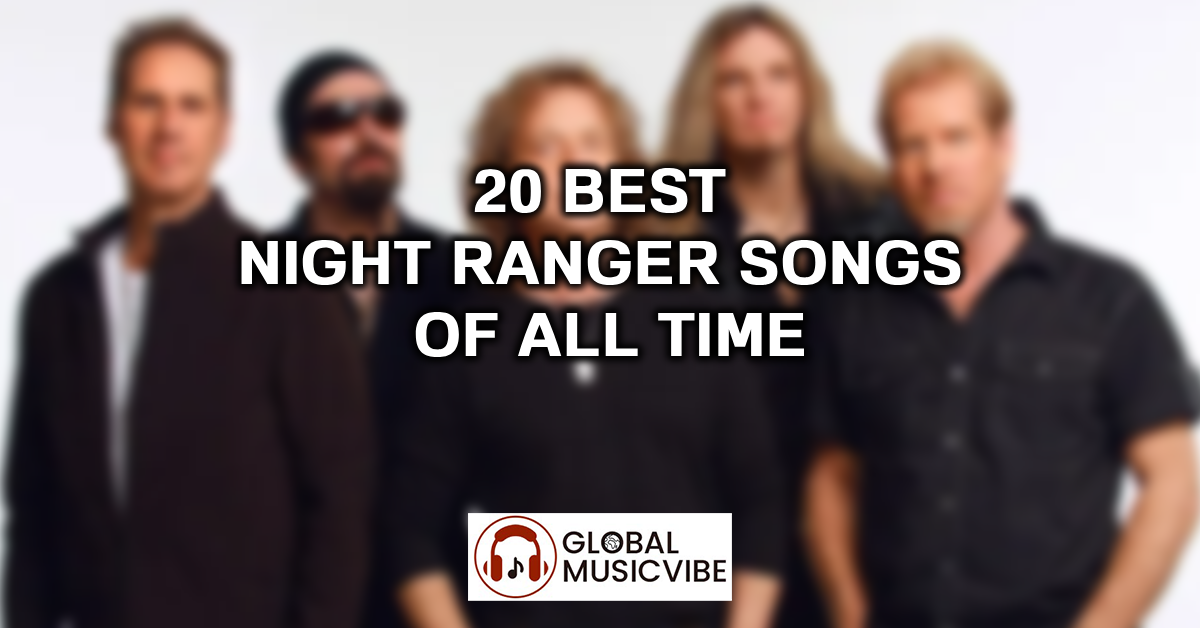
Night Ranger’s unique sound came from the perfect storm of talented musicians including bassist and vocalist Jack Blades, drummer and vocalist Kelly Keagy, guitarists Brad Gillis and Jeff Watson, and keyboardist Alan Fitzgerald. Their dual-guitar attack combined with Keagy’s powerful drumming and the distinctive vocal harmonies between Blades and Keagy created a signature sound that stood out even during the crowded 1980s rock scene. Whether you’re exploring classic rock songs or discovering their catalog for the first time, this definitive ranking showcases why Night Ranger remains an essential part of rock history.
Sister Christian
Undoubtedly Night Ranger’s most iconic song, “Sister Christian” stands as the quintessential power ballad of the 1980s and reached number five on the Billboard Hot 100 in June 1984. Drummer Kelly Keagy wrote this emotional track for his younger sister Christine, drawing inspiration from Bruce Springsteen’s “Racing in the Streets” while crafting the melody and lyrics. The song’s title came from a fortunate mishearing by bandmates who thought Keagy was saying “Sister Christian” instead of “Sister Christy,” and everyone agreed the altered version sounded better. Originally completed in 1982, the band delayed its release from their debut album “Dawn Patrol” because they feared it would compromise their hard rock credibility, though it ultimately became their career-defining moment. The track gained renewed cultural relevance when director Paul Thomas Anderson featured it prominently in a memorable scene from the 1997 film “Boogie Nights,” introducing Night Ranger to an entirely new generation of fans.
(You Can Still) Rock In America
This anthemic declaration served as Night Ranger’s response to critics claiming rock music was dying in the early 1980s. Bassist Jack Blades wrote “(You Can Still) Rock In America” after hearing numerous pundits proclaiming rock’s demise, even as Night Ranger was selling out 15,000-seat arenas across the country. The song became the lead single from their breakthrough album “Midnight Madness” in 1983 and perfectly captured the band’s mission statement with its driving rhythm, dual-guitar harmonies, and defiant lyrics. Three decades later, Night Ranger continues performing this track at virtually every concert, proving that its message remains as relevant today as it was in the Reagan era. The infectious chorus and Brad Gillis’s soaring guitar work make this one of the most recognizable rock anthems of its generation.
When You Close Your Eyes
Released as the second single from “Midnight Madness,” this power ballad showcased Night Ranger’s softer side while maintaining their rock credibility. The song climbed to number 14 on the Billboard Hot 100, establishing the band’s ability to craft radio-friendly hits without sacrificing their musical integrity. Jack Blades’s emotive vocal delivery combined with the song’s building arrangement created an emotional arc that resonated with audiences seeking both romance and rock. The track features some of Jeff Watson’s most tasteful guitar work, with his solo serving the song’s mood rather than simply showcasing technical prowess. “When You Close Your Eyes” remains a staple of classic rock radio and demonstrates why Night Ranger transcended the “hair metal” label often applied to their contemporaries.
Don’t Tell Me You Love Me
Night Ranger’s debut single from their 1982 album “Dawn Patrol” announced their arrival with powerful authority and immediately established their hard rock credentials. The song’s driving bassline from Jack Blades creates a locomotive momentum that propels the entire track forward, while the dual-guitar attack of Gillis and Watson adds layers of melodic complexity. This track perfectly encapsulated the early 1980s rock sound with its combination of accessible melodies and muscular instrumentation, setting the template for their future success. The song received significant airplay on album-oriented rock stations and helped “Dawn Patrol” achieve gold certification. Looking for the perfect headphones to experience the intricate guitar harmonies in this classic track? The layered production deserves high-quality audio equipment to fully appreciate the sonic details.
Sentimental Street
From their third album “7 Wishes” released in 1985, “Sentimental Street” became Night Ranger’s second-highest charting single, reaching number eight on the Billboard Hot 100. Kelly Keagy took lead vocal duties on this track, delivering an emotionally charged performance that showcased his abilities beyond the drum kit. The song’s lyrics tell a story of nostalgia and lost love, themes that resonated deeply with the band’s growing fanbase. The accompanying music video featured an Amelia Earhart-inspired storyline with the entire band lost at sea, reflecting the album’s loose conceptual theme about flying across the ocean in a World War II B-25 Mitchell bomber. “Sentimental Street” demonstrated Night Ranger’s continued evolution as songwriters capable of crafting hits that balanced commercial appeal with artistic ambition.
Four in the Morning (I Can’t Take Any More)
Jack Blades penned this mid-tempo rocker at exactly four in the morning, and the title directly references the late-night inspiration that struck him. Released as a single from “7 Wishes,” the song climbed to number 19 on the Billboard Hot 100 and showcased a slightly different side of Night Ranger’s sound. The track’s restrained verses build toward an explosive chorus, demonstrating the band’s mastery of dynamics and arrangement. Blades’s vocal performance captures a sense of exhaustion and emotional vulnerability that gives the song depth beyond typical rock fare. The guitar interplay between Gillis and Watson remains a highlight, with both players demonstrating their ability to serve the song rather than overwhelming it with unnecessary flash.
Goodbye
One of Night Ranger’s most emotionally powerful tracks, “Goodbye” emerged from personal tragedy when Jack Blades wrote it in memory of his older brother James, who died from a heroin overdose. The song begins with Jeff Watson’s intricate acoustic guitar work, creating an intimate atmosphere before building into a full-band arrangement. Blades reportedly woke up one morning with the song idea fully formed and completed it within twenty minutes, channeling his grief into one of the band’s most moving compositions. Released from “7 Wishes” in 1985, “Goodbye” reached number 17 on the Billboard Hot 100 and showed Night Ranger moving in a folk-rock direction. The song’s genuine emotional core and restrained production demonstrated that the band could deliver authenticity alongside their more commercially-oriented material.
Sing Me Away
Kelly Keagy’s powerful drumming takes center stage on “Sing Me Away,” where he treats the drums as a lead instrument rather than simply maintaining rhythm. This track from “Dawn Patrol” marked Keagy’s first lead vocal on a Night Ranger album and became a signature song in their live performances. The interactive way Keagy’s drumming trades phrases with the guitar riffing of Brad Gillis and Jeff Watson creates a dynamic conversation between instruments. The song’s structure allows each musician to shine while maintaining a cohesive whole, exemplifying Night Ranger’s strength as a complete unit rather than a vehicle for individual egos. “Sing Me Away” remains a fan favorite that showcases the band’s technical prowess without sacrificing melody or accessibility.
Eddie’s Comin’ Out Tonight
This narrative-driven track from Night Ranger’s debut album “Dawn Patrol” tells the story of a character named Eddie who lives the “tenderloin life” and loves causing trouble. The song demonstrates the band’s knack for storytelling, creating a vivid character and scenario within a four-minute rock song. Eddie’s adventures with a girl who “never ever says no” and his determination to rock all night long perfectly captured the carefree spirit of early 1980s rock culture. The backstreet tale features some of the album’s most aggressive guitar work, establishing Night Ranger’s hard rock credentials from their very first record. The song’s energy and narrative structure show the band’s debt to classic rock storytellers while carving out their own identity.
Touch of Madness
From the landmark “Midnight Madness” album, “Touch of Madness” exemplifies the harder-edged material that balanced out the album’s power ballads. The track’s driving rhythm section and dual-guitar assault showcase Night Ranger at their most aggressive, proving they could compete with any band in the arena rock genre. The song’s production captures the raw energy of the band’s live performances while maintaining the polish necessary for radio play. “Touch of Madness” became a concert staple, allowing the band to demonstrate their instrumental chops in an extended live setting. The track’s intensity serves as a reminder that Night Ranger built their reputation on powerful rock songs before “Sister Christian” made them power ballad icons.
Rumours in the Air
Featured on both “Midnight Madness” and the soundtrack to John Hughes’s film “Sixteen Candles” in 1984, “Rumours in the Air” gained additional exposure through its association with the iconic teen movie. The song’s upbeat tempo and catchy chorus made it perfect for the film’s coming-of-age narrative. Night Ranger’s appearance on the “Sixteen Candles” soundtrack helped introduce them to a broader audience beyond hard rock fans. The track demonstrates the band’s ability to craft songs that worked both on rock radio and in mainstream contexts. “Rumours in the Air” features the signature Night Ranger sound with layered guitars, strong vocal harmonies, and a memorable hook that stays with listeners long after the song ends.
The Secret of My Success
Jack Blades co-wrote this title theme for the 1987 Michael J. Fox film “The Secret of My Success,” and it served as the lead single from Night Ranger’s album “Big Life.” Unlike their previous three albums produced by Pat Glasser, “Big Life” was produced by legendary hitmaker David Foster, bringing a more polished and pop-oriented sound to the band’s music. The song received heavy rotation on MTV during the spring of 1987, though it stalled at number 64 on the Billboard Hot 100 despite the exposure. The track’s more commercial sound reflected the late 1980s production trends and showed Night Ranger attempting to evolve with changing musical tastes. While it didn’t achieve the chart success of earlier hits, “The Secret of My Success” remains a solid example of the band’s late-80s period.
Restless Kind
From the 1988 album “Man in Motion,” “Restless Kind” represents Night Ranger’s attempt to return to their earlier hard rock style after the more polished sound of “Big Life.” The band considers “Restless Kind” one of their personal favorites, even though it failed to chart significantly due to record label decisions to promote ballads over harder-edged material. The song captures the energy and drive that made Night Ranger arena headliners in the mid-1980s, with aggressive guitar work and a powerful rhythm section. Despite strong performances and solid songwriting, “Man in Motion” became the first Night Ranger album not to achieve gold certification, partly due to changing musical trends as the 1980s drew to a close. “Restless Kind” stands as evidence of what might have been had the band received better promotional support for their rock-oriented material.
I Did It for Love
Written by British songwriter Russ Ballard and featured on “Man in Motion,” “I Did It for Love” showcased Night Ranger interpreting an outside songwriter’s work. The track’s music video featured a cameo appearance by popular actress Morgan Fairchild, demonstrating the band’s continued attempt to maintain MTV visibility. Despite the star power and a strong melody, the song failed to gain significant traction on radio or the charts. The early 1989 release came at a challenging time when changing musical tastes were pushing arena rock bands out of mainstream radio rotation. Nevertheless, “I Did It for Love” represents Night Ranger’s professional approach to outside material and their willingness to explore different songwriting sources.
Rock In America
This high-energy track captures everything that made Night Ranger successful during their commercial peak. The song’s declaration that rock and roll is alive and thriving in America became a rallying cry for the band’s dedicated fanbase. The dual-guitar work of Brad Gillis and Jeff Watson shines throughout, with both players trading licks and harmonizing in perfect synchronization. Kelly Keagy’s drumming propels the track forward with precision and power, while Jack Blades’s bass provides the foundation for the entire arrangement. “Rock In America” exemplifies the band’s ability to create anthemic, fist-pumping rock songs that connected with audiences in arenas and on radio simultaneously.
Chippin’ Away
Another strong track from the “Midnight Madness” album, “Chippin’ Away” demonstrates Night Ranger’s consistency as album artists beyond just their hit singles. The song features the band’s characteristic dual-guitar harmonies and strong vocal performances from both Jack Blades and Kelly Keagy. The track’s mid-tempo groove gives it a different feel from the album’s more aggressive rockers, showcasing the band’s dynamic range. While not released as a single, “Chippin’ Away” became a favorite among dedicated fans who appreciated the depth of Night Ranger’s albums. The song’s production captures the pristine sound that made “Midnight Madness” one of the best-sounding rock albums of 1983.
Growin’ Up in California
From their 2011 album “Somewhere in California,” this track marked the beginning of what many fans and critics consider Night Ranger’s renaissance period. After years of inconsistent output and lineup changes, “Growin’ Up in California” showed a revitalized band recapturing their classic sound. The song’s nostalgic lyrics about California life combined with updated production values demonstrated that Night Ranger could sound contemporary while honoring their roots. This album kicked off a hot streak that continued through “High Road” (2014) and “Don’t Let Up” (2017), proving the band’s creative vitality decades after their commercial peak. “Growin’ Up in California” welcomes listeners back to Night Ranger with open arms and reminds them why they fell in love with the band in the first place.
Breakout
Released on the band’s 2021 album “ATBPO” (And The Band Played On), “Breakout” proves that Night Ranger remains a vital creative force four decades into their career. The song features a powerful music video showing the band performing with energy that belies their years in the business. “Breakout” kicks off a strong trio of opening tracks on “ATBPO” alongside “Coming for You” and “Bring It All Home to Me,” demonstrating the band’s commitment to front-loading albums with their strongest material. The track’s hard rock edge shows Night Ranger maintaining their signature sound while incorporating modern production techniques. Fans searching for ways to enhance their listening experience might want to compare earbuds to ensure they catch every nuance of the band’s contemporary recordings.
Coming for You
The opening track from “ATBPO” announces Night Ranger’s continued relevance with a powerful statement of intent. Written and recorded during the COVID-19 pandemic, “Coming for You” reflects the band’s determination to keep creating music despite challenging circumstances. The song features Brad Gillis’s signature guitar tone alongside the tight rhythm section of Jack Blades and Kelly Keagy, proving that chemistry doesn’t diminish with time. Current members Keri Kelli on guitar and Eric Levy on keyboards blend seamlessly with the veteran core, showing that Night Ranger’s sound transcends individual personnel. “Coming for You” demonstrates why the band continues attracting new fans while satisfying longtime supporters who’ve followed them since “Dawn Patrol.”
High Road
The title track from Night Ranger’s 2014 album represents the band’s modern era at its finest. “High Road” balances accessibility with musical sophistication, featuring strong melodies and expert musicianship that have always defined Night Ranger’s best work. The song’s production captures the band’s live energy while maintaining the polish expected from veteran recording artists. Released during the band’s creative resurgence that began with “Somewhere in California,” “High Road” proved that Night Ranger could still write compelling rock songs in the 21st century. The track showcases the band’s mature songwriting while retaining the energy and enthusiasm that made them arena headliners three decades earlier.
Frequently Asked Questions
What is Night Ranger’s biggest hit song?
“Sister Christian” is Night Ranger’s biggest hit, reaching number five on the Billboard Hot 100 in 1984 and becoming one of the most recognizable power ballads of the 1980s. The song gained additional cultural significance when featured in the 1997 film “Boogie Nights” and remains the band’s most-requested track at concerts. Written by drummer Kelly Keagy for his younger sister Christine, the song ironically became both the band’s milestone and millstone, as it typecast them as a power ballad band despite their hard rock credentials.
How many albums has Night Ranger sold?
Night Ranger has sold over 17 million albums worldwide throughout their career spanning more than four decades. Their first five albums—”Dawn Patrol,” “Midnight Madness,” “7 Wishes,” “Big Life,” and “Man in Motion”—sold more than 10 million copies collectively, with “Midnight Madness” achieving multi-platinum status. The band has performed on over 4,000 stages globally and continues to attract audiences with both their classic hits and newer material.
Is Night Ranger still touring and making music?
Yes, Night Ranger remains actively touring and recording new music as of 2026. Their most recent studio album “ATBPO” (And The Band Played On) was released in 2021, and they released a live album titled “40 Years and a Night with Contemporary Youth Orchestra” in 2023, marking their first performance with a symphonic orchestra. The band continues performing across the United States and internationally, with founding members Brad Gillis, Kelly Keagy, and Jack Blades still anchoring the lineup alongside Keri Kelli and Eric Levy.
Who are the original members of Night Ranger?
The original Night Ranger lineup consisted of Jack Blades on bass and vocals, Kelly Keagy on drums and vocals, Brad Gillis on guitar, Jeff Watson on guitar, and Alan Fitzgerald on keyboards. The band formed in San Francisco in 1979 and released their debut album “Dawn Patrol” in 1982. Brad Gillis and Kelly Keagy have been the band’s only constant members throughout their entire history, while Jack Blades has performed on all but one of their albums.
What does ATBPO stand for in Night Ranger’s album title?
ATBPO stands for “And The Band Played On,” serving as Night Ranger’s 12th studio album released in August 2021 via Frontiers Music. The title represents an ode to making music during the COVID-19 era, as the band began writing the album in early 2020 amid the global pandemic. Despite the challenges of recording separately due to pandemic restrictions, Night Ranger delivered an album that continues their creative hot streak begun with 2011’s “Somewhere in California.”
What movie featured Sister Christian by Night Ranger?
“Sister Christian” was prominently featured in Paul Thomas Anderson’s 1997 film “Boogie Nights” in a memorable and tense scene that has become iconic in cinema history. The song’s inclusion in the film introduced Night Ranger to an entirely new generation of fans who may not have been familiar with 1980s rock. Additionally, Night Ranger contributed songs to several other films during the 1980s, including “Sixteen Candles” (1984), “Explorers” (1985), “Out of Bounds” (1986), and “The Secret of My Success” (1987).