

Latin music genres form complex musical families with intricate relationships, subgenres, and classification systems that often confuse even experienced listeners. Understanding how these genres are properly categorized, their musical DNA, and the technical elements that distinguish one from another provides crucial insight for musicians, dancers, and music enthusiasts seeking deeper appreciation of Latin musical artistry.
This comprehensive classification guide examines the structural frameworks, rhythmic patterns, and harmonic progressions that define each genre family, moving beyond surface-level descriptions to explore the musical architecture that makes each style unique and identifiable.
Understanding Genre Classification Systems

Latin music classification operates on multiple levels, from broad regional categories to specific subgenres and fusion styles. The primary classification system divides Latin music into several major families based on geographical origin, cultural influences, and musical characteristics. These families include Caribbean genres, Mexican regional music, South American styles, Brazilian music, and contemporary urban Latin genres.
Each family contains multiple related genres that share common rhythmic patterns, instrumental arrangements, or cultural contexts. For example, the Caribbean family includes salsa, merengue, bachata, and reggaeton, all of which emphasize percussion and dance-oriented rhythms but maintain distinct musical signatures.
Secondary classification considers temporal evolution, distinguishing between traditional, neo-traditional, and contemporary interpretations of established genres. This temporal framework helps identify how genres adapt while maintaining core characteristics, essential for understanding modern fusion styles and cross-genre collaborations.
Musical complexity provides another classification dimension, ranging from simple folk-based genres to sophisticated art music forms. This complexity spectrum helps categorize genres by their harmonic sophistication, rhythmic intricacy, and performance requirements.
Caribbean Genre Family: Rhythm-Driven Classifications
Salsa Complex and Derivatives
The salsa genre family represents one of the most complex classification challenges in Latin music, encompassing multiple substyles with distinct characteristics. Salsa dura emphasizes traditional instrumentation and complex arrangements, while salsa romántica incorporates smoother vocal styles and contemporary production elements. Salsa gorda features heavy percussion sections, and salsa brava maintains aggressive, street-oriented energy.
Technical analysis reveals that all salsa variants share the fundamental clave pattern as their rhythmic foundation, but differ in tempo, instrumental emphasis, and melodic development. The montuno section provides space for improvisation across all salsa types, but the approach to this section varies significantly between substyles.
Timba represents a distinct Cuban evolution of salsa, incorporating funk elements and more complex harmonic structures. While often grouped with salsa, timba’s distinctive bass lines and rhythmic innovations place it in a separate classification category for serious musical analysis.
Dominican Genre Cluster
Bachata and merengue form the core of Dominican musical expression, but their classification extends beyond these primary genres. Traditional bachata features acoustic guitar arrangements with minimal percussion, while modern bachata incorporates electric guitars and urban production elements, creating two distinct classification branches.
Merengue classification includes merengue típico (traditional), merengue de orquesta (orchestra merengue), and merengue urbano (urban merengue). Each maintains the characteristic 2/4 rhythm pattern but differs in instrumentation, tempo, and cultural context. Understanding these distinctions proves crucial for proper genre identification and musical appreciation.
Regional variants like perico ripiao represent traditional Dominican expressions that predate modern merengue classifications, featuring different instrumental combinations and rural lyrical themes that distinguish them from mainstream Dominican genres.
Mexican Regional Music Taxonomy
Mariachi and Regional Variations

Mariachi classification encompasses several regional styles that maintain the basic ensemble structure while incorporating local musical elements. Jalisco mariachi represents the classic style with traditional repertoire and instrumentation, while regional variations from Nayarit, Colima, and other states introduce distinctive melodic and rhythmic characteristics.
The repertoire classification divides mariachi into son mexicano, ranchera, and bolero categories, each requiring different performance approaches and musical skills. Son mexicano emphasizes rhythmic complexity and zapateado dancing, ranchera focuses on emotional vocal delivery, and bolero requires sophisticated harmonic understanding.
Modern mariachi fusion creates additional classification challenges, as contemporary groups incorporate jazz harmonies, rock elements, or classical arrangements while maintaining traditional ensemble structure. These innovations require new classification frameworks to properly categorize evolving mariachi expressions.
Norteño and Conjunto Families
Northern Mexican music classification centers around the accordion-driven norteño and conjunto styles, but extends to include multiple related genres. Norteño traditional features accordion and bajo sexto guitar combinations with polka and waltz influences, while norteño-banda incorporates brass sections for expanded harmonic possibilities.
Conjunto classification includes tejano, conjunto tradicional, and conjunto moderno, each representing different evolutionary stages and regional adaptations. These distinctions affect everything from instrumental choices to lyrical themes and performance contexts.
Regional specializations like música de tambora de rancho or música serrana represent localized genres within the broader northern Mexican classification system, maintaining unique characteristics that resist easy categorization within mainstream genre families.
Brazilian Music Classification Framework
Samba Family Complexity
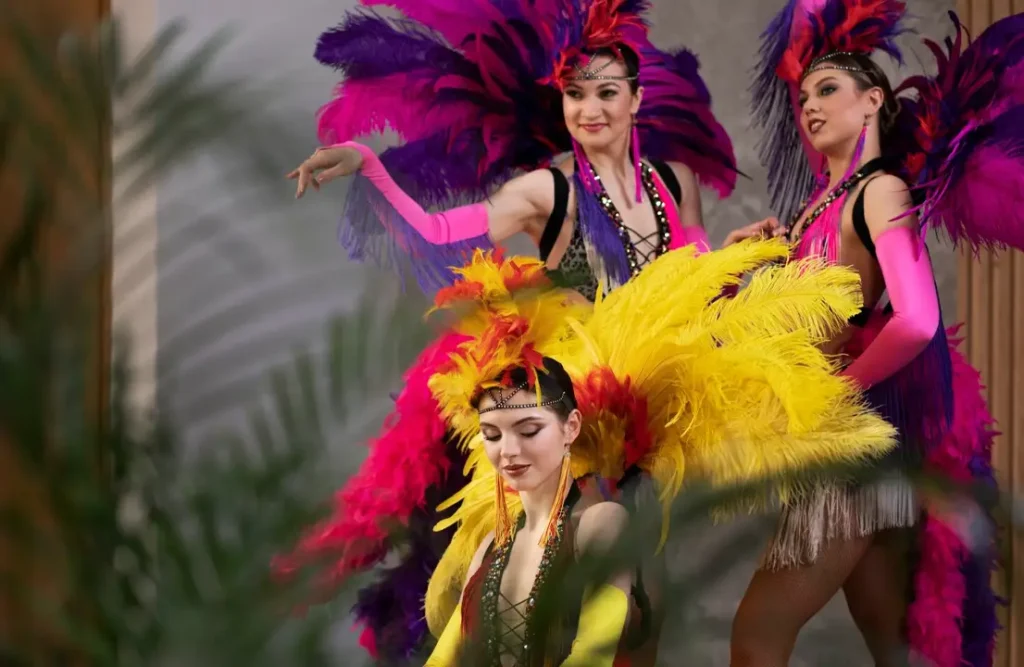
Brazilian samba classification reveals one of Latin music’s most complex genre families, with dozens of substyles serving different cultural functions. Samba de roda represents the traditional community-based form, while samba-enredo serves specifically for Carnival competitions with structured lyrical and musical requirements.
Pagode classification emerged from samba evolution, featuring smaller ensembles and more intimate performance settings. Contemporary pagode differs significantly from traditional forms, incorporating modern instruments and production techniques while maintaining essential rhythmic foundations.
Regional samba variants like samba-reggae from Bahia or samba-rock from São Paulo represent fusion approaches that blend samba with other musical influences, creating classification challenges that require understanding both samba fundamentals and incorporated genre elements.
Bossa Nova and MPB Classifications
Bossa nova classification divides into traditional bossa nova from the late 1950s and 1960s, neo-bossa nova revival movements, and contemporary fusion styles that incorporate bossa nova elements into other musical contexts. Each classification maintains different relationships to jazz harmonies and traditional samba rhythms.
Música Popular Brasileira (MPB) represents a broad classification that encompasses various Brazilian popular music styles, including those influenced by bossa nova, samba, and international genres. MPB classification requires understanding its relationship to Brazilian cultural movements and political contexts that shaped its development.
For those exploring these sophisticated Brazilian genres, quality audio equipment enhances the appreciation of subtle musical details. Consider checking compare headphones for optimal listening experiences that reveal the intricate harmonies and rhythmic nuances characteristic of Brazilian musical artistry.
Contemporary Urban Latin Genre Classifications
Reggaeton and Urban Evolution
Reggaeton classification extends far beyond basic genre identification, encompassing multiple generations and substyles. Old school reggaeton maintains traditional dembow rhythms and rap-style vocals, while contemporary reggaeton incorporates pop melodies, trap elements, and diverse vocal approaches that challenge traditional classification boundaries.
Reggaeton fusion creates additional classification complexity as artists blend reggaeton with country music, rock, electronic dance music, and other genres while maintaining core rhythmic elements. These hybrid styles require flexible classification systems that acknowledge both reggaeton foundations and incorporated influences.
Latin trap represents a distinct classification that evolved from reggaeton but maintains enough unique characteristics to warrant separate categorization. The genre’s emphasis on atmospheric production, different vocal styles, and varied rhythmic patterns distinguishes it from traditional reggaeton classifications.
Alternative and Indie Latin Classifications
Alternative Latin music encompasses genres that resist traditional classification systems, including indie rock performed in Spanish, electronic music with Latin influences, and experimental fusion styles. These genres often maintain cultural Latin identity while incorporating musical elements from global alternative scenes.
Classification of alternative Latin music requires understanding both Latin musical heritage and international alternative music movements, creating complex analytical frameworks that consider cultural identity alongside musical characteristics. This classification challenge reflects contemporary Latin music’s increasing global integration and creative experimentation.
Regional and Folk Genre Families
Andean Music Classifications
Andean music classification encompasses multiple indigenous and mestizo genres from the Andean mountain regions, including huayno, carnavalito, and sikuri traditions. Each maintains distinct rhythmic patterns, instrumental requirements, and cultural contexts that affect proper classification and performance approaches.
Traditional Andean classification often relates to specific ceremonial or social functions, with different genres appropriate for different cultural occasions. Understanding these functional classifications provides insight into the music’s cultural significance beyond purely musical analysis.
Contemporary Andean fusion creates classification challenges as traditional genres incorporate modern instruments and production techniques while maintaining indigenous musical elements. These fusion approaches require classification frameworks that acknowledge both traditional roots and contemporary innovations.
Central American Genre Varieties
Central American music classification includes genres specific to individual countries as well as shared regional styles. Guatemalan marimba music, Nicaraguan palo de mayo, and Costa Rican punto guanacasteco each represent distinct classification categories with unique musical characteristics and cultural contexts.
The classification of Central American genres often requires understanding historical and cultural factors that shaped regional musical development, including indigenous influences, colonial histories, and contemporary social movements that continue affecting musical expression.
Understanding these regional classifications helps appreciate the diversity within Latin American musical heritage and the specific cultural contexts that produce distinct musical expressions across different geographic areas.
For music enthusiasts seeking to explore these diverse regional styles, quality listening equipment becomes essential for appreciating the subtle instrumental textures and cultural nuances. Exploring compare earbuds can help identify audio solutions that reveal the intricate details characteristic of traditional acoustic instruments used in folk genres.
Fusion and Contemporary Classifications
Cross-Genre Analysis Framework
Contemporary Latin music increasingly features cross-genre fusions that challenge traditional classification systems. Latin jazz fusion combines jazz harmonies with various Latin rhythms, creating hybrid genres that require understanding both jazz and Latin musical principles for proper classification.
Rock en español represents another fusion classification that maintains Spanish-language vocals while incorporating rock instrumentation and song structures. Subgenres within rock en español include Latin alternative, pop-rock, and heavy metal variations, each requiring specific classification criteria.
Electronic Latin music encompasses genres that blend electronic production with traditional Latin rhythms, creating classification challenges that require understanding both electronic music technology and Latin musical fundamentals. These fusion genres often maintain cultural Latin identity while embracing global electronic music innovations.
Evolution and Future Classifications
Genre classification continues evolving as artists experiment with new combinations and technologies reshape musical creation and distribution. Artificial intelligence and machine learning increasingly influence music production, creating possibilities for entirely new genre classifications based on algorithmic composition and electronic manipulation.
The globalization of Latin music through streaming platforms creates opportunities for genre cross-pollination that challenges existing classification systems. Artists now access global musical influences more easily, leading to fusion experiments that require flexible classification approaches acknowledging multiple cultural and musical influences.
Educational institutions and music scholars continue developing new classification frameworks that accommodate contemporary musical evolution while maintaining respect for traditional genre boundaries and cultural contexts. These academic approaches contribute to more sophisticated understanding of Latin musical complexity and cultural significance.
Contemporary trends suggest future classifications will need to accommodate increased genre fluidity while maintaining useful analytical frameworks for understanding musical relationships and cultural contexts. This balance between flexibility and analytical precision remains crucial for effective genre classification systems.
You can explore examples of these various genre classifications and discover new fusion styles through our comprehensive songs collection, which features carefully curated selections representing different classification categories and evolutionary stages.
Technical Analysis Tools for Genre Identification
Rhythmic Pattern Recognition

Identifying Latin music genres requires understanding specific rhythmic patterns that define each style. The clave pattern serves as the foundation for many Caribbean genres, but appears in different configurations and emphasizes that distinguish salsa from rumba or mambo. Developing ear training for these rhythmic subtleties enables accurate genre identification and appreciation.
Percussion instrument combinations provide additional identification clues, as different genres favor specific drum sets and playing techniques. Salsa typically features congas, bongos, and timbales, while merengue emphasizes tambora and güira, creating distinctive sonic signatures that aid classification efforts.
Metric analysis reveals how genres utilize different time signatures and rhythmic emphasis patterns. While many Latin genres operate in 4/4 time, the placement of accents and subdivision patterns creates the distinctive feel that separates one genre from another.
Harmonic Structure Analysis
Harmonic analysis provides sophisticated tools for genre classification, as different Latin genres favor specific chord progressions and modulation patterns. Traditional bolero employs different harmonic approaches than contemporary bachata, despite sharing romantic lyrical themes and similar instrumental approaches.
Jazz-influenced genres like bossa nova utilize extended harmonies and sophisticated chord substitutions that distinguish them from folk-based genres using simpler harmonic structures. Understanding these harmonic differences enables more precise genre identification and musical analysis.
Modal analysis reveals how some genres utilize scales and harmonic approaches derived from indigenous or African musical traditions, creating distinctive sounds that resist classification within European harmonic frameworks. This analysis proves particularly important for understanding traditional and folk-based genres.
Frequently Asked Questions
How do musical experts classify Latin genres that blend multiple influences?
Musical experts use multi-dimensional classification systems that consider primary rhythmic patterns, dominant cultural influences, and performance contexts when analyzing fusion genres. They examine which elements maintain prominence in the musical texture and how different influences integrate within the overall artistic expression. Classification often acknowledges multiple genre influences while identifying the predominant stylistic framework that guides the musical structure.
What technical elements distinguish subgenres within major Latin music families?
Subgenres are distinguished by specific technical elements including tempo variations, instrumental emphasis, harmonic complexity, and rhythmic subdivision patterns. For example, within the salsa family, salsa dura features aggressive brass arrangements and complex percussion, while salsa romántica emphasizes smoother vocal delivery and simplified rhythmic patterns. These technical distinctions create clear classification boundaries despite shared fundamental characteristics.
How has digital production technology affected Latin music genre classification?
Digital production technology has created new classification challenges by enabling genre fusion that was previously impossible with acoustic instruments alone. Electronic elements can be layered onto traditional rhythmic patterns, creating hybrid genres that require new classification frameworks. Technology also allows for precise rhythmic manipulation and harmonic experimentation that pushes traditional genre boundaries while maintaining cultural identity elements.
What role does geographical origin play in contemporary Latin music classification?
While geographical origin remains important for understanding traditional genres, contemporary classification increasingly emphasizes musical characteristics over strict geographical boundaries. Genres now spread globally through digital platforms, leading to local adaptations that may differ significantly from their original regional forms. Modern classification systems balance respect for cultural origins with recognition of musical evolution and international development.
How do musicologists handle classification of experimental and avant-garde Latin music?
Musicologists approach experimental Latin music classification by analyzing how artists maintain connections to traditional Latin musical elements while incorporating innovative techniques. They examine which cultural and musical foundations remain present despite experimental approaches, creating classification frameworks that acknowledge both innovation and cultural continuity. This analysis often requires understanding multiple musical traditions and contemporary experimental techniques to properly categorize complex artistic expressions.