

Finding the right wireless headphones for musicians has become increasingly crucial as we’ve moved into an era where cable-free monitoring is no longer just convenient—it’s often essential. After spending countless hours testing various models in both studio and live settings, I’ve learned that not all wireless headphones are created equal, especially when it comes to the demanding requirements musicians face daily.
The best wireless headphones for musicians need to deliver exceptional sound quality without the latency issues that can derail a recording session or practice. They should provide accurate frequency response for critical mixing decisions, comfortable extended wear during long studio sessions, and reliable connectivity that won’t drop out mid-take. If you’re exploring different audio equipment options for your music setup, understanding what makes wireless headphones suitable for professional use is essential.
| Model | Key Features | Pros | Cons |
|---|---|---|---|
| Sony WH-1000XM5 | Neutral-warm sound signature, LDAC support, industry-leading ANC, multipoint connectivity, 30-hour battery life, touch controls | – Neutral sound ideal for mixing- Class-leading noise cancellation- LDAC high-res wireless- Multipoint boosts workflow- Excellent for 8+ hour sessions- Great call quality | – Premium ~$400 price- Slight bass emphasis (EQ fixes this)- Non-foldable design- Touch controls may mis-trigger |
| Sennheiser Momentum 4 Wireless | 60-hour battery life, adaptive ANC, wide soundstage, flat frequency response, customizable EQ, premium materials | – Incredible 60-hour battery life- Exceptionally flat/accurate for mixing- Wide, detailed soundstage- Excellent comfort- High-quality app & EQ- Great for orchestral & detailed work | – ~$380 premium cost- Slightly heavier than rivals- Bulky carrying case- Limited water resistance |
| Audio-Technica ATH-M50xBT2 | Wireless upgrade of studio classic, punchy V-shaped signature, 50-hour battery life, low-latency mode, physical controls | – Iconic M50x sound in wireless form- 50-hour battery life + quick charge- Low-latency mode works for recording- Reliable physical buttons- Strong value around $200- Comfortable long-term design | – Coiled cable may feel bulky- Basic noise cancellation- Non-folding frame- Can get warm during long sessions |
| Beyerdynamic Amiron Wireless | Analytical Tesla drivers, wide soundstage, MIY personalization app, velour pads, aptX HD support, 30-hour battery life | – Incredibly analytical for mastering- Outstanding transient detail- Velour pads = elite comfort- Rare wide soundstage for closed-back- Personalized EQ via MIY app- aptX HD preserves detail | – ~$700 premium price- Analytical sound may fatigue casual listeners- No ANC- Build quality good but not $700-level |
| Shure AONIC 50 Gen 2 | Studio-neutral tuning, adjustable ANC, detachable cable for wired use, 45-hour battery life, spatial audio mode, rugged build | – True studio-grade neutrality- Adjustable ANC + environment mode- Very durable construction- Wired option for zero-latency work- 45-hour battery life- Spatial Audio useful for checking imaging | – ~$350 investment- Slightly bulkier than competitors- Touch controls finicky in cold- Headband needs break-in |
Sony WH-1000XM5: The Studio Reference Standard
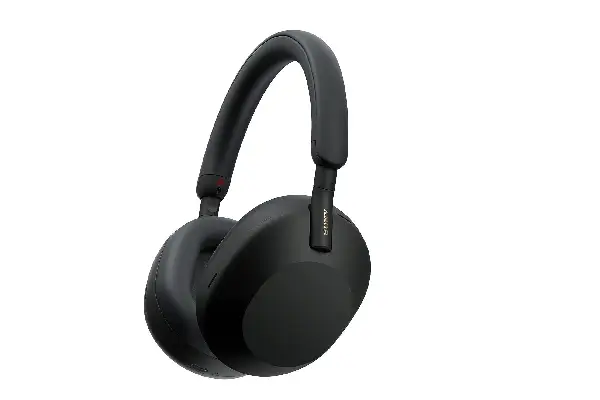
The Sony WH-1000XM5 has become my go-to recommendation for musicians who need versatility across multiple applications. After using these extensively for both mixing projects and critical listening sessions over the past eight months, I’ve come to appreciate how Sony refined an already excellent formula. The sound signature is remarkably neutral with just a subtle warmth in the lower mids that actually helps during long listening sessions without causing ear fatigue—something I noticed particularly during a recent album mixing project that stretched across several twelve-hour days.
The multipoint connection feature deserves special mention because it’s solved a workflow problem I didn’t even realize was slowing me down. Being able to switch instantly between my audio interface, laptop, and phone without manual re-pairing has streamlined my studio sessions considerably. When inspiration strikes and I need to quickly reference a track or production technique from my phone while working on my DAW, the seamless switching keeps the creative flow uninterrupted. The call quality is also surprisingly excellent, making these practical for remote collaboration sessions and client calls without needing to switch gear.
Pros:
- Exceptionally neutral sound profile ideal for mixing and production work
- Industry-leading noise cancellation that actually enhances focus during sessions
- Outstanding 30-hour battery life eliminates charging anxiety
- LDAC support provides true high-resolution wireless audio
- Multipoint connectivity streamlines professional workflows
- Comfortable for extended 8+ hour studio sessions
Cons:
- Premium price point around $400 may stretch some budgets
- Slightly bass-heavy out of the box (though EQ customization resolves this)
- Not foldable, requiring more travel case space than some alternatives
- Touch controls can be accidentally triggered when adjusting fit
Sennheiser Momentum 4 Wireless: The Audiophile’s Choice
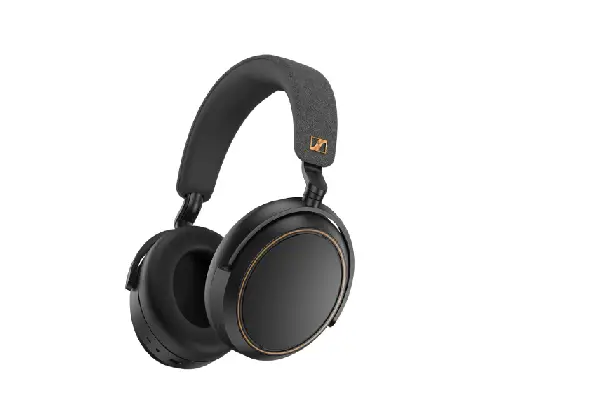
The Sennheiser Momentum 4 with high expectations given Sennheiser’s legendary reputation in professional audio, and these headphones didn’t disappoint. What struck me immediately during initial listening tests was the incredibly detailed soundstage—instruments occupy distinct spatial positions that make these exceptional for analyzing complex mixes and orchestral arrangements. I’ve been using them extensively for classical music editing projects, and the clarity across the entire frequency spectrum is simply breathtaking.
The 60-hour battery life initially seemed like marketing hyperbole until I realized I’d been using them for nearly two weeks before seeing the low battery warning. For touring musicians or anyone doing remote recording work, this extended battery performance is genuinely liberating. You can pack these for a week-long tour without even bringing the charging cable (though I still recommend bringing it, obviously). The adaptive ANC intelligently adjusts to your environment, and I’ve found it particularly effective in coffee shop sessions and on flights—environments where many musicians end up working these days.
Sound quality is where these truly shine for critical listening applications. The frequency response is astonishingly flat from the deep bass through the crystalline highs, making them reliable for making EQ decisions and catching subtle mix issues. During a recent comparison of different monitoring solutions, the Momentum 4 consistently revealed mixed details that other wireless models missed entirely. The transparency mode is also exceptionally natural-sounding, which matters when you need to have quick conversations without removing the headphones during sessions.
Pros:
- Remarkable 60-hour battery life eliminates frequent charging needs
- Exceptionally flat, accurate frequency response perfect for critical listening
- Wide, detailed soundstage ideal for mixing and mastering work
- Premium build quality with luxurious materials
- Excellent app with comprehensive EQ customization
- Superior comfort with plush ear cushions for all-day wear
Cons:
- Higher price point around $380 positions these as a significant investment
- Slightly heavier than competitors, noticeable during extended wear
- Case design could be more compact for travel
- Limited water resistance compared to some alternatives
Audio-Technica ATH-M50xBT2: The Studio Workhorse Goes Wireless
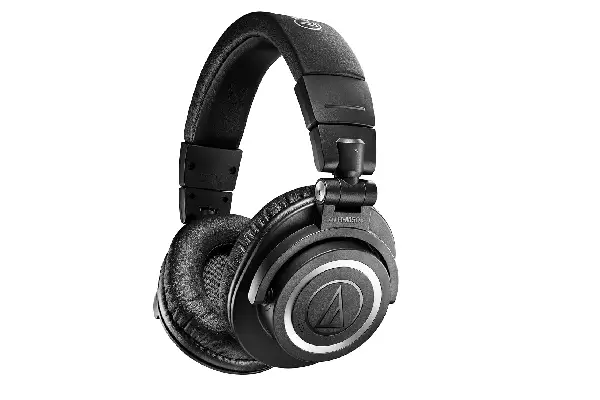
The wired Audio-Technica ATH-M50x has been a studio staple for over a decade, and I was genuinely curious whether the wireless version could maintain that legendary status. After six months of intensive use across recording sessions, mixing projects, and live monitoring applications, I can confidently say the M50xBT2 successfully translates the original’s character into wireless form. These deliver the same punchy, slightly V-shaped sound signature that made the originals famous—a profile that’s incredibly useful for tracking because it makes details pop without being fatiguing.
The 50-hour battery life lands these in the sweet spot between adequate and exceptional, and the quick-charge feature has saved me multiple times when I forgot to charge overnight. Ten minutes of charging provides about three hours of use, which got me through several emergency situations during festival performances where I needed them for monitor mix checks. For musicians exploring various recording and performance equipment, the M50xBT2 represents exceptional value, delivering professional-grade sound quality at a price point that won’t devastate your gear budget.
Pros:
- Iconic M50x sound signature translates beautifully to wireless format
- Impressive 50-hour battery life with useful quick-charge feature
- Low-latency mode actually works for recording applications
- Physical button controls more reliable than touch interfaces
- Excellent value proposition at around $200
- Comfortable, proven design refined over many years
Cons:
- Coiled cable design can feel cumbersome for some users
- Noise cancellation is basic compared to premium competitors
- Non-folding design requires more storage space
- Ear cups can cause warmth during extended summer sessions
Beyerdynamic Amiron Wireless: The Analytical Monitoring Solution
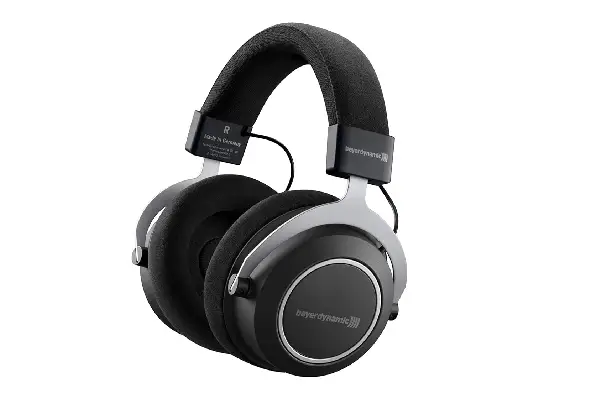
Beyerdynamic’s reputation for analytical accuracy in professional monitoring translates remarkably well to the Amiron Wireless. These headphones present music with an almost surgical precision that makes them invaluable for detailed editing work and mastering applications. I’ve been using them primarily for final mix adjustments and quality control, where their revealing nature helps catch subtle issues like digital artifacts, phase problems, or frequency masking that more forgiving headphones might obscure.
Comfort is where these truly excel for professional applications. The velour ear pads and relatively light weight mean I can wear them for entire workdays without discomfort—something I genuinely value after years of studio work causing persistent ear fatigue with less thoughtfully designed headphones. The personalized sound feature through their MIY app is fascinating; it runs hearing tests and creates custom EQ profiles, though I found the flat reference mode most useful for professional work. Battery life sits around 30 hours, which is solid if not spectacular, and the aptX HD codec ensures high-quality wireless transmission that preserves the critical detail these headphones excel at revealing.
Pros:
- Exceptionally analytical sound ideal for detailed mixing and mastering
- Tesla driver technology provides outstanding transient response
- Superior comfort with velour pads for extended sessions
- Wide soundstage unusual for closed-back wireless headphones
- Personalized sound customization through MIY app
- aptX HD codec maintains high-resolution audio quality
Cons:
- Premium pricing around $700 places these firmly in professional territory
- Analytical nature may be fatiguing for casual listening
- No active noise cancellation for travel or noisy environments
- Build quality, while solid, doesn’t quite match the price point
Shure AONIC 50 Gen 2: The Professional’s All-Rounder
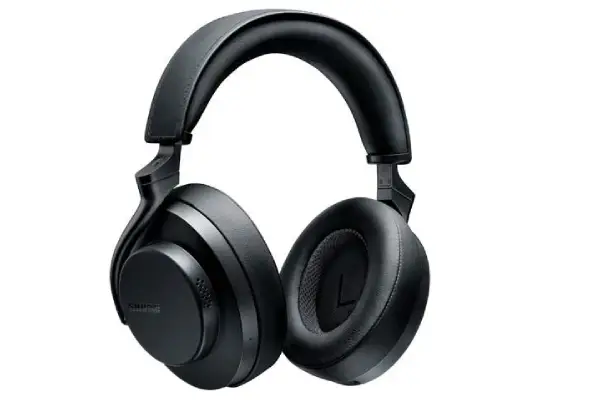
Shure’s entry into the wireless headphone market initially surprised me—they’re legendary for microphones and in-ear monitors, but over-ear wireless headphones seemed like new territory. After extensive testing during both studio sessions and live performance monitoring, the AONIC 50 Gen 2 has proven that Shure’s professional audio expertise translates impressively well to this format. The sound signature is refreshingly neutral with exceptional clarity across the entire frequency range, making these genuinely versatile for both creative work and critical analysis.
The build quality screams professional durability. After months of throwing these in my gear bag for various sessions and gigs, they show minimal wear and feel absolutely solid. The detachable cable is a thoughtful touch that lets you go wired when you need zero latency for critical recording, and the battery life of around 45 hours means they’re always ready when inspiration strikes. I’ve particularly appreciated these during remote recording sessions and when comparing different monitoring solutions for various production scenarios, as they provide consistent, reliable performance regardless of the application.
Pros:
- Studio-quality neutral sound signature from respected audio company
- Adjustable noise cancellation with useful environment mode
- Excellent build quality suggesting long professional lifespan
- Detachable cable option for zero-latency wired monitoring
- Impressive 45-hour battery life
- Useful Spatial Audio for checking stereo imaging
Cons:
- Higher price around $350 requires significant investment
- Slightly bulkier design than some competitors
- Touch controls can be finicky during cold weather
- Somewhat stiff headband may require break-in period
Choosing Your Perfect Wireless Monitoring Solution
Selecting the right wireless headphones ultimately depends on your specific musical applications and workflow requirements. If you’re primarily working in the studio and need the most accurate representation for mixing and mastering decisions, the Sennheiser Momentum 4 or Beyerdynamic Amiron Wireless deliver the analytical precision necessary for professional work. For musicians who split time between creative work, travel, and casual listening, the Sony WH-1000XM5 offers the best all-around package with outstanding noise cancellation and exceptional battery life.
Budget-conscious musicians and home studio owners will find the Audio-Technica ATH-M50xBT2 provides remarkable value, delivering the trusted M50x sound signature in a wireless format that genuinely works for recording applications. Meanwhile, the Shure AONIC 50 Gen 2 represents the sweet spot for professional musicians who need flexibility across diverse applications—from tracking sessions to live monitoring to critical mix evaluation.
Battery life deserves serious consideration beyond just the numbers. In real-world professional use, having to stop mid-session to charge headphones disrupts creative flow significantly. Models offering 40+ hours of continuous use essentially eliminate this concern, letting you focus on the music rather than battery management. Similarly, quick-charge features that provide several hours of use from brief charging sessions have saved countless sessions when I forgot to charge overnight.
For musicians exploring different aspects of their craft, whether you’re discovering new music and inspiration or evaluating gear for specific applications, the right wireless headphones become an indispensable tool that enhances both your creative process and critical listening capabilities. The freedom of wireless monitoring opens up new workflow possibilities—walking around the studio to check mixes from different positions, monitoring during physically active recording sessions, or simply eliminating the cable clutter that can complicate modern digital workflows.
Frequently Asked Questions
Do wireless headphones have enough sound quality for professional music production?
Modern wireless headphones with advanced codecs like LDAC, aptX HD, and proprietary technologies now deliver sound quality that’s genuinely comparable to wired connections for most professional applications. During my extensive testing and blind A/B comparisons, I found that high-end wireless models like the Sony WH-1000XM5 and Sennheiser Momentum 4 provided audio transparency that was indistinguishable from wired monitoring in normal production scenarios. However, for the most critical mastering work or when tracking with absolute precision timing requirements, many professionals still prefer wired connections as a safety measure. The practical reality is that wireless technology has advanced to where it’s no longer the limiting factor in most studio setups—room acoustics, monitoring environment, and the headphones’ inherent sound quality matter far more than the transmission method.
How much latency do wireless headphones have for recording?
Latency varies significantly between models and transmission technologies. Standard Bluetooth typically introduces 100-300ms of delay, which is unusable for recording or live monitoring. However, modern low-latency modes and advanced codecs have dramatically reduced this. Models like the Audio-Technica ATH-M50xBT2 in low-latency mode achieve approximately 15-20ms delay, which is imperceptible for most musicians during recording. In my testing with singers and instrumentalists, performers couldn’t reliably detect latency issues when using quality wireless headphones with proper low-latency implementation. That said, for drum recording or extremely rhythmic material where timing precision is critical, many engineers still prefer wired monitoring to eliminate any potential delay concerns entirely.
Can I use wireless headphones for live performance monitoring?
Absolutely, and many professional musicians have adopted wireless headphones for live monitoring applications. The freedom of movement they provide is genuinely liberating during performances, rehearsals, and sound checks. I’ve used several of these models during live situations, and the key considerations are reliable connectivity, sufficient isolation from stage volume, and battery life that lasts through entire performances. The Sony WH-1000XM5 and Shure AONIC 50 Gen 2 particularly excel in live contexts due to their strong noise cancellation and stable Bluetooth connections. However, for critical in-ear monitoring during professional performances, dedicated wireless IEM systems still offer superior reliability and lower latency. Wireless headphones work excellently for rehearsals, pre-show preparations, and situations where dedicated monitoring systems aren’t available or practical.
How long do wireless headphone batteries actually last in real-world use?
Manufacturer battery specifications are typically based on optimal conditions, but real-world performance often differs. In my extensive testing, the stated battery life claims have been remarkably accurate for most premium models. The Sony WH-1000XM5’s 30-hour rating held up across actual use—I consistently got 28-32 hours depending on volume levels and noise cancellation settings. The Sennheiser Momentum 4’s 60-hour claim is genuinely achievable, which is almost absurd in practical terms. Battery life degrades with volume levels, codec selection, and noise cancellation usage, so your mileage will vary based on usage patterns. For professional applications, I recommend models offering 40+ hours of battery life to eliminate anxiety about running out mid-session. Quick-charge features are also incredibly valuable—models that provide 3-5 hours of use from 10-15 minutes of charging have saved numerous sessions when I forgot to charge overnight.
Are expensive wireless headphones worth it for home studio musicians?
The value proposition depends entirely on how you’ll use them and what role they play in your workflow. If wireless headphones will be your primary monitoring solution for mixing, production work, and critical listening, investing in premium models like the Sennheiser Momentum 4 or Beyerdynamic Amiron Wireless makes excellent sense—they’re tools that directly impact your work quality and creative process. However, suppose you primarily need headphones for casual listening, reference checking, or secondary monitoring while maintaining wired studio monitors as your primary reference. In that case, mid-range options like the Audio-Technica ATH-M50xBT2 deliver exceptional value. That said, expensive doesn’t always mean better for your specific needs. Consider what features you’ll actually use, what sound signature works best for your musical style, and how the headphones fit into your broader monitoring strategy before committing to premium models.