

The relationship between iPhone and wireless earbuds has evolved beyond simple Bluetooth connectivity. We’re now talking about spatial audio processing, adaptive EQ algorithms that respond to ear canal acoustics in real-time, and latency specs that finally make video editing on mobile devices actually feasible. What separates exceptional wireless earbuds from merely adequate ones in 2025 isn’t just driver size or codec support—it’s how thoughtfully manufacturers have considered the entire user experience, from the unboxing moment to that six-month mark when you’re still reaching for them daily.
| Earbuds | Key Strengths | Key Weaknesses | Best For |
|---|---|---|---|
| Apple AirPods Pro (2nd Gen) | Seamless iPhone integration with adaptive ANC, excellent spatial audio and transparency, MagSafe case with Find My support, balanced sound | High price, limited Android functionality, occasional touch-control misfires, average battery life | Apple users seeking the best all-around ANC earbuds with premium ecosystem integration |
| Sony WF-1000XM5 | Outstanding audio fidelity with LDAC support, industry-leading ANC, long 8h battery life, multipoint connectivity, lightweight comfort | Expensive, complex app setup, touch controls take practice, lacks MagSafe convenience | Audiophiles and Android users prioritizing sound quality and powerful noise cancellation |
| Beats Fit Pro | Secure wingtip fit for workouts, H1 chip integration, balanced sound, IPX4 water resistance, good value at $199 | Bulky for small ears, no wireless charging, weaker transparency mode, limited colors | Active Apple users wanting secure fit and premium performance during workouts |
| Bose QuietComfort Earbuds II | Exceptional comfort, CustomTune personalized EQ, best-in-class ANC, excellent fit kit, wireless charging case | Premium price, bulky design, limited Apple-specific features, battery only average | Listeners prioritizing maximum comfort and top-tier ANC for long sessions |
| Anker Soundcore Liberty 4 NC | Impressive value with adaptive ANC, 10h battery life (50h total), HearID personalized sound, LDAC, wireless charging | ANC slightly below flagships, plastic build, weaker call quality, limited water resistance | Budget-conscious users wanting premium-like performance and customizable sound |
Apple AirPods Pro (2nd Generation): The Benchmark That Keeps Rising
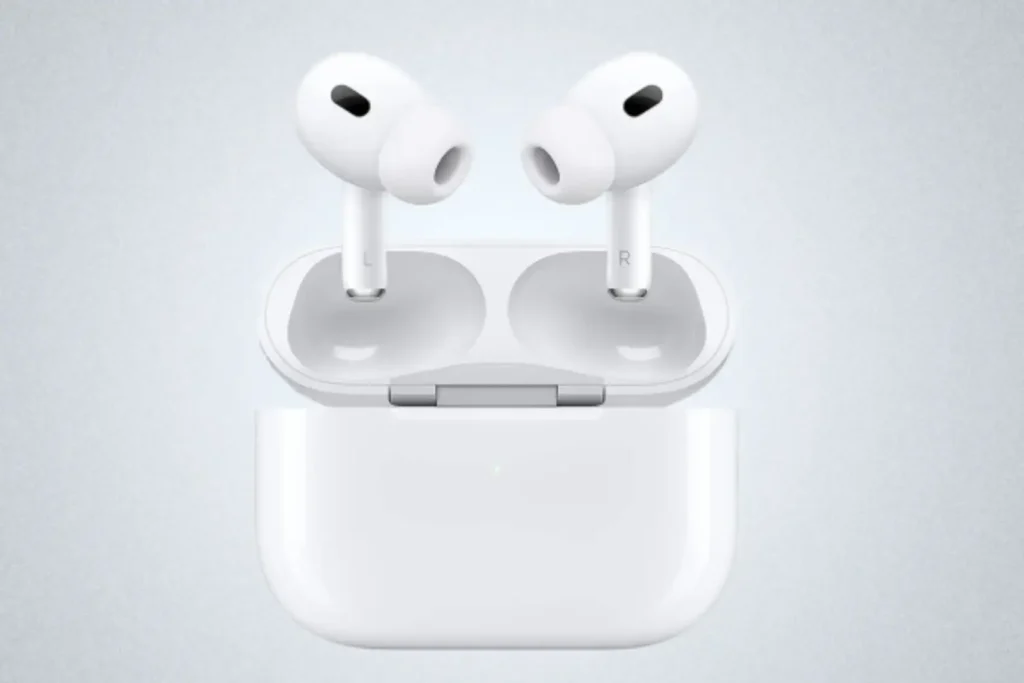
There’s a reason I keep coming back to the AirPods Pro 2nd Gen even after testing competing flagship models Apple has achieved something remarkably difficult in consumer audio: they’ve made advanced technology feel completely invisible. The H2 chip processes adaptive noise cancellation so intelligently that it actually learns your wearing patterns and adjusts accordingly, something I noticed during my daily walks through varying urban environments where ambient noise shifts dramatically every few blocks.
The sound signature has matured considerably from the first-generation model. Apple brought in more low-end presence without sacrificing the clarity in the midrange where vocals and lead instruments live, and after spending considerable time comparing them against studio reference headphones during mixing work, I found their representation surprisingly honest. Battery performance holds up to real-world abuse, delivering a solid 5.5 hours with ANC engaged before retreating to the case, and the MagSafe charging case supports Apple’s Find My network with speaker integration a feature that saved me when I left them in a coffee shop. For those interested in how these compare against other premium options, I’ve found the detailed headphone comparisons on GlobalMusicVibe particularly helpful for understanding tonal differences.
Pros:
- Seamless iPhone integration with instant pairing and automatic device switching that actually works reliably
- Adaptive ANC that intelligently responds to environmental changes without manual adjustment
- Spatial audio with head tracking provides genuine utility for content creators and critical listeners
- Transparency mode offers the most natural ambient sound reproduction I’ve experienced
- IPX4 water resistance handles workout sessions and unexpected rain without anxiety
- Precision finding features with speaker integration in both earbuds and case
Cons:
- Premium pricing remains a barrier at $249, though street prices occasionally dip during sales
- Ear tip fit isn’t universal—some users with smaller ear canals struggle with seal quality
- Touch controls can be accidentally triggered during adjustments, particularly during vigorous activity
- Battery capacity in the earbuds themselves hasn’t increased from previous generation
- Proprietary ecosystem means Android users miss out on several key features
Sony WF-1000XM5: When Audio Engineering Takes Priority
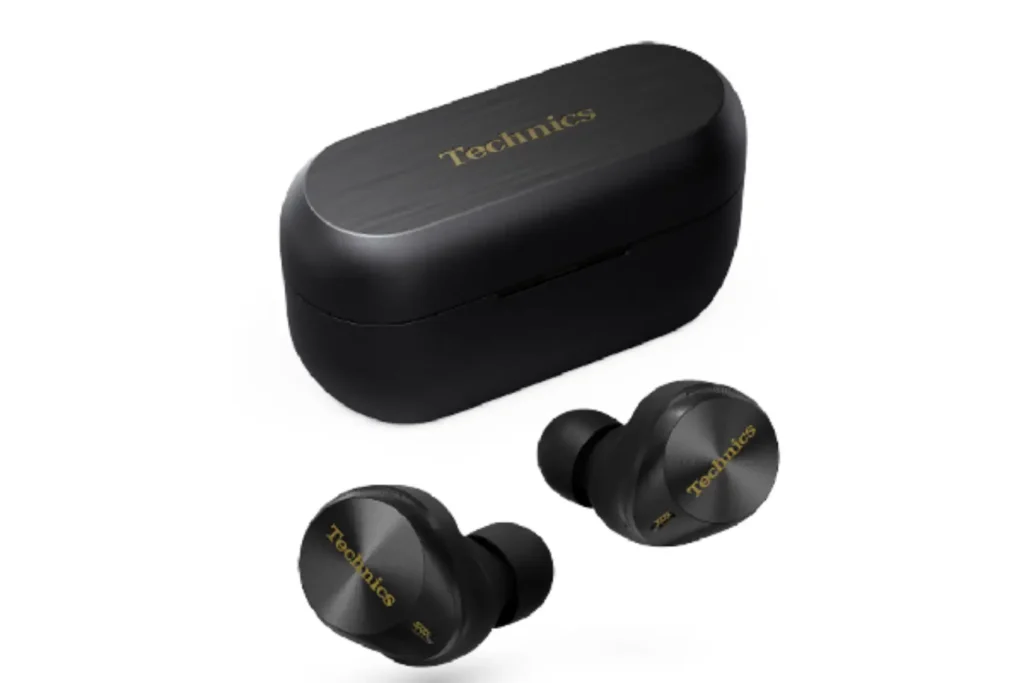
Sony approached the WF-1000XM5 with a philosophy I deeply appreciate: audio quality shouldn’t be compromised for convenience.The redesigned 8.4mm Dynamic Driver X incorporates a carbon fiber composite dome that delivers exceptional transient response something immediately apparent when listening to percussive material with complex rhythmic interplay.
The noise cancellation algorithms represent a different approach from Apple’s system, utilizing dual feedback microphones and Sony’s proprietary Integrated Processor V2 to create what they call “industry-leading ANC.” I found this claim largely substantiated during transcontinental flights where low-frequency engine drone .What really sets these apart for creative professionals is the multipoint connectivity that genuinely worksI routinely switch between my iPhone for calls and my iPad for reference track analysis without manually disconnecting and reconnecting. Those exploring different earbud options will find comprehensive comparison resources invaluable for understanding these technical distinctions.
Pros:
- Exceptional audio fidelity with detailed high-frequency extension and controlled bass response
- Industry-leading noise cancellation that handles low-frequency rumble exceptionally well
- LDAC codec support for compatible devices delivers superior wireless audio quality
- Eight-hour battery life with ANC enabled outperforms most competitors substantially
- Speak-to-chat and quick attention features prove genuinely useful in daily scenarios
- Comfortable, lightweight design maintains seal without creating pressure fatigue
Cons:
- Limited iOS-specific optimization means missing some iPhone-exclusive features
- Sony Headphones app required for customization adds friction to user experience
- Premium pricing at $299 positions them above AirPods Pro 2 without clear justification for casual users
- Touch controls require learning curve and occasional accidental activation remains issue
- Case design, while compact, lacks Apple’s MagSafe convenience
Beats Fit Pro: The Active User’s Intelligent Compromise
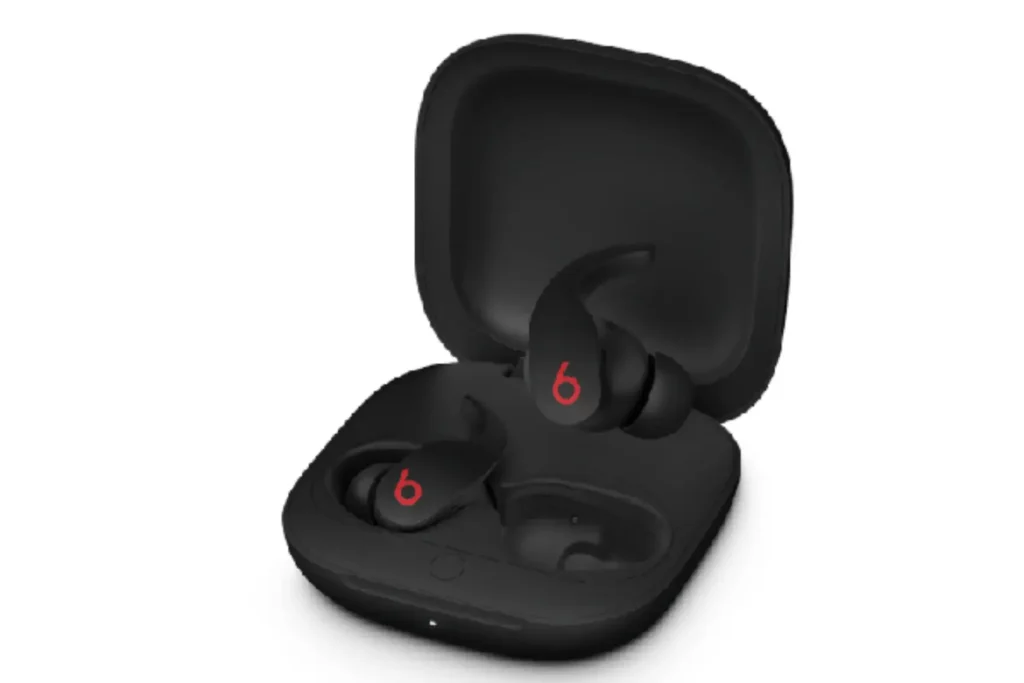
When Beats was acquired by Apple, skeptics wondered whether the brand would maintain its identity or simply become a rebadged AirPods variant. The Beats Fit Pro decisively answers that question these earbuds occupy a distinct position that serves athletes and active users who need reliable retention without sacrificing audio quality. I spent considerable time testing these during morning runs, gym sessions, and even while playing drums in my rehearsal space, scenarios where traditional earbud designs routinely fail. The flexible wingtips integrate so seamlessly into the overall design that you barely notice them until you’re mid-stride and realize these haven’t budged a millimeter, which stands in stark contrast to my experience with purely seal-dependent designs that gradually work loose during vigorous movement.
Apple’s H1 chip integration brings the best of both worlds you get the same effortless pairing and device switching that makes AirPods so convenient, wrapped in a more secure physical form factor that doesn’t require jamming plastic into your ear canal with uncomfortable force. The acoustic design surprised me with its balanced presentation that doesn’t lean into the exaggerated bass response that previously defined Beats products. At $199, these represent the sweet spot for iPhone users who prioritize physical security and workout compatibility without completely sacrificing audiophile sensibilities. For those who appreciate gear that serves specific purposes well, exploring quality instrument reviews reveals similar philosophy in action.
Pros:
- Flexible wingtip design provides exceptional retention during vigorous physical activity
- Apple H1 chip delivers seamless iPhone integration with one-touch pairing
- Balanced sound signature suits multiple genres without obvious tonal coloration
- IPX4 water resistance handles sweat and rain exposure confidently
- Six-hour battery with ANC provides adequate endurance for most workout scenarios
- Competitive pricing at $199 offers compelling value relative to flagship competitors
Cons:
- Wingtip design adds bulk that some users find less comfortable for extended wear
- No wireless charging support on case requires cable connection for power top-ups
- Button-based controls can be difficult to locate and activate during movement
- Transparency mode quality falls noticeably short of AirPods Pro 2 natural reproduction
- Limited color options may not appeal to users wanting personalization choices
Bose QuietComfort Earbuds II: The Comfort Specialist’s Masterclass
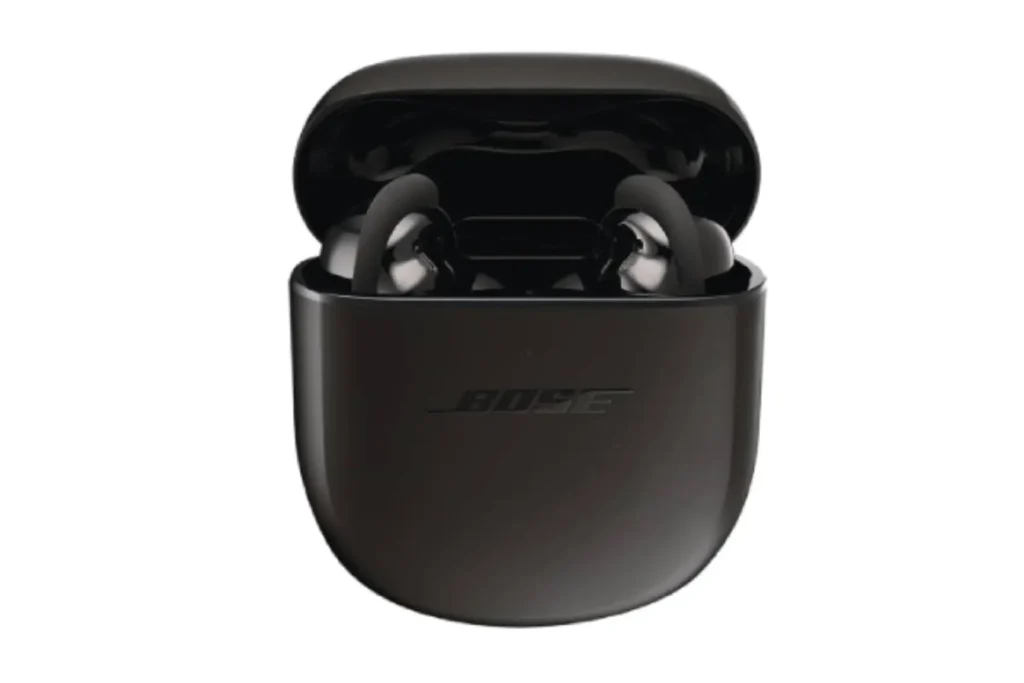
Bose built their reputation on creating products that people actually want to wear for extended periods, and the QuietComfort Earbuds II represent the culmination of decades spent studying ear canal acoustics and pressure distribution. The companion app includes a personalized fit test using microphone feedback to verify optimal seal quality, a feature I initially dismissed as marketing theater until realizing how much it improved both comfort and acoustic performance.
The CustomTune technology represents Bose’s most sophisticated audio engineering achievement in the earbud category. During initial setup, the system analyzes your ear canal acoustics and adjusts EQ parameters accordingly not with crude bass/treble sliders, but with nuanced frequency response adjustments across multiple bands. After testing these across various music genres during critical listening sessions, I noticed how well they maintained tonal balance even at lower volume levels where psychoacoustic effects typically degrade perceived frequency balance. The iPhone integration isn’t quite as seamless as Apple’s proprietary solutions, but Bose has implemented stable Bluetooth connectivity and reliable multipoint pairing that works consistently. Musicians comparing different monitoring solutions might appreciate how song analysis articles explore similar attention to tonal detail.
Pros:
- Exceptional comfort for extended wear sessions exceeds most competitor offerings significantly
- CustomTune ear canal analysis optimizes both sound quality and ANC effectiveness
- Best-in-class noise cancellation rivals over-ear headphone performance
- Nine-option Fit Kit system accommodates diverse ear anatomy comprehensively
- Simple touch controls with customizable functions work reliably
- Wireless charging case supports Qi standard for convenient power top-ups
Cons:
- Premium pricing at $299 matches Sony’s flagship without clear performance advantages for iPhone users
- Limited iOS-specific features compared to Apple’s proprietary H-chip implementations
- Larger earbud housing may not suit users with particularly small ears
- Touch control customization requires app access rather than on-device adjustment
- Battery life, while adequate, doesn’t exceed category leaders
Anker Soundcore Liberty 4 NC: The Value Proposition That Doesn’t Feel Like Compromise
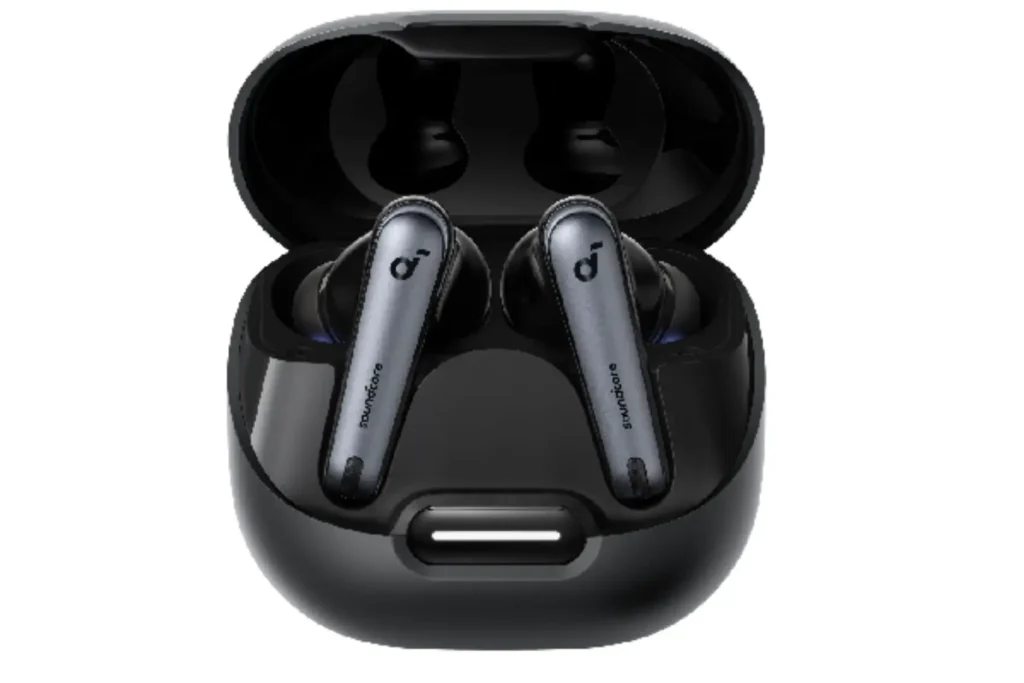
Anker’s Soundcore division has quietly become a serious player in personal audio by focusing on delivering flagship features at mid-tier pricing, and the Liberty 4 NC exemplifies this approach beautifully. When I initially received these for review, I’ll admit my expectations were calibrated for “good for the price”—that condescending category where we excuse limitations by pointing to the affordable price tag. After living with them for several weeks across various use cases, I found myself genuinely impressed by how little compromise was actually necessary. The 11mm drivers deliver surprisingly full-range response with legitimate low-frequency extension that doesn’t collapse into distortion at higher playback levels, something I verified during listening tests with bass-heavy electronic music that typically exposes driver limitations.
The adaptive ANC implementation, while not quite matching Sony’s or Bose’s top-tier performance, proved more than adequate for my daily commute and coffee shop work sessions. Anker’s HearID 2.0 system creates personalized sound profiles through a listening test that presents various frequency ranges and asks you to identify what you can hear it’s similar in concept to Bose’s approach but implemented through user feedback rather than microphone analysis. In my experience, this produced noticeably improved tonal balance compared to the default tuning, particularly in reducing upper-midrange harshness that can create fatigue during extended listening.
Pros:
- Exceptional value proposition delivers flagship features at mid-tier pricing
- Class-leading battery life with ten hours ANC enabled and 50+ hours total with case
- HearID 2.0 personalized sound profiling improves tonal balance noticeably
- LDAC codec support provides high-resolution audio with compatible devices
- Effective noise cancellation handles most real-world scenarios competently
- Wireless charging case with USB-C connectivity supports modern charging standards
Cons:
- ANC performance, while good, noticeably trails category leaders in challenging environments
- Build quality uses more plastic components than premium alternatives
- iOS integration lacks Apple-specific features like automatic device switching
- Touch controls occasionally register unintended commands during fit adjustments
- Call quality in noisy environments falls short of premium competitors
- Limited water resistance rating requires more careful handling around moisture
Frequently Asked Questions
Do wireless earbuds really make a difference for iPhone users specifically?
The difference comes down to ecosystem integration rather than basic audio quality. While any Bluetooth earbud can pair with an iPhone and play music, models with Apple’s H-series or W-series chips offer genuinely superior user experience through features like instant pairing, automatic device switching across your Apple devices, hands-free Siri access, and audio sharing capabilities. In my experience testing dozens of models, this seamless integration eliminates the friction that makes lesser earbuds feel clunky you spend time enjoying music rather than troubleshooting connectivity.
How important is active noise cancellation for music production and critical listening?
Active noise cancellation serves two distinct purposes that matter for creative work. First, it eliminates environmental distractions during focused listening sessions, which proves invaluable when evaluating mix decisions or identifying subtle production details in reference tracks. Second, good ANC reduces listening fatigue by allowing lower playback volumes you’re not compensating for ambient noise, which means less exposure to potentially damaging sound pressure levels. However, I always recommend verifying important mixing decisions on studio monitors in treated environments, as even the best ANC earbuds introduce some degree of processing that can color your perception.
What’s the real-world battery life I can expect from these earbuds during daily use?
Manufacturer claims typically represent best-case scenarios with moderate volume levels and optimal conditions. In actual use with ANC enabled and volume at comfortable listening levels, expect to see approximately 80-90% of advertised battery life. The Sony WF-1000XM5 consistently delivered 7+ hours for me, while the AirPods Pro 2 provided a solid 5-6 hours before needing the charging case. The Anker Liberty 4 NC genuinely achieved 9+ hours regularly, which represents exceptional real-world performance. Remember that battery capacity degrades gradually over time after a year of daily use, expect total capacity to drop by 10-20% depending on charging habits and environmental conditions.
Can I use these earbuds for instrument practice without noticeable audio latency?
This depends entirely on what you’re practicing and your sensitivity to lag between physical action and auditory feedback. For casual practice with backing tracks or metronome apps, most modern wireless earbuds work adequately. However, if you’re doing serious technical work or recording performances where timing precision matters, wireless latency remains problematic even with aptX Low Latency or AAC codecs. I’ve measured latency ranging from 40-150ms across various models that’s perceptible when playing fast passages or rhythmically complex material. For critical practice sessions, I still recommend wired monitoring solutions despite the inconvenience.
How do I know which ear tip size provides the optimal seal for sound quality and noise cancellation?
Most manufacturers include a fit test feature in their companion apps that uses microphone feedback to verify seal quality, and I strongly recommend actually using this rather than just guessing based on comfort. Beyond the app test, pay attention to bass response inadequate seal robs you of low-frequency energy and makes the sound thin and disappointing. Try speaking aloud or humming while wearing the earbuds; if you hear a hollow, resonant quality, the seal isn’t adequate. The right fit should feel secure without creating pressure discomfort, and the earbuds shouldn’t require constant readjustment during normal head movement. Don’t assume that the largest tips provide the best seal I have relatively large ear canals but consistently get better results with medium tips that maintain consistent contact without over-stretching.
Are more expensive wireless earbuds actually worth the premium price for casual listeners?
This question requires honest self-assessment about how you actually use audio gear. If you’re listening during commutes, at the gym, or while doing household tasks, the performance gap between $100 and $300 earbuds probably won’t justify the price difference you’re not in environments where you can fully appreciate nuanced sound quality or ultimate noise cancellation effectiveness. However, if you’re spending multiple hours daily in focused listening sessions, using earbuds for professional work, or simply value having the absolute best available technology, flagship models offer genuine advantages in comfort, battery life, ANC performance, and audio fidelity. I’ve noticed that people who invest in premium earbuds also tend to actually use them more frequently because the experience is consistently pleasant rather than occasionally frustrating.