

Finding the best guitar amplifiers for jazz requires a discerning ear and appreciation for tonal purity that many rock-oriented amps simply can’t deliver. After spending countless hours in both studio sessions and intimate jazz club settings, I’ve learned that jazz guitarists need amplifiers capable of rendering every harmonic nuance with crystalline clarity while maintaining that essential warmth that defines the genre. The right amplifier becomes an extension of your instrument, breathing life into those complex chord voicings and lyrical single-note runs that make jazz guitar so captivating.
Unlike amplifiers designed for high-gain rock or metal, jazz amps prioritize headroom, transparency, and that elusive “bloom” in the mids that allows your guitar’s natural voice to shine through. Whether you’re playing a traditional archtop through a vintage-inspired combo or exploring contemporary jazz fusion with a solid-body instrument, the amplifier you choose fundamentally shapes your sonic identity. I’ve tested these five amplifiers extensively across various performance scenarios—from quiet trio gigs where dynamics matter most to larger ensemble situations requiring more projection—and each has earned its place on this list through genuine merit rather than marketing hype.
The jazz amplifier market has evolved considerably, with manufacturers finally recognizing that jazz guitarists have distinct tonal requirements. While exploring different instruments has shaped my understanding of tone across genres, nothing quite compares to finding that perfect synergy between guitar and amplifier in a jazz context.
| Amplifier | Tone & Character | Key Strengths | Main Limitations |
|---|---|---|---|
| Fender Tone Master Princeton Reverb | Authentic Fender clean and edge-of-breakup tones with excellent dynamic response; very jazz-friendly | Lightweight, power scaling for low volumes, lush reverb & tremolo, XLR out with cab sim, no tube maintenance | Digital feel noticeable to purists, limited gain range, higher price than some tube options |
| Polytone Mini-Brute III | Extremely clean, transparent jazz tone with massive headroom and minimal coloration | Legendary reliability, strong projection, two channels, compact for its power | Solid-state harmonic character, subtle reverb, utilitarian looks, heavier than expected |
| Henriksen JazzAmp 110 ER | Pristine, modern jazz tone with exceptional clarity and definition | Ultra-lightweight, huge power-to-size ratio, multiple channels, pro-grade effects, tilt-back design | Premium price, 10″ speaker feel not for everyone, limited dealer availability |
| Roland JC-40 Jazz Chorus | Crystal-clear clean tone with iconic stereo chorus and wide soundstage | Absolute reliability, stereo speakers, legendary chorus, excellent pedal platform | Heavy for its size, solid-state warmth debate, clean-only design |
| AER Compact 60/4 | Highly transparent, studio-quality tone with remarkable projection | Four channels, surgical EQ, top-tier effects, DI out, extremely portable | Expensive, small speaker punch limits some players, complex controls |
Fender Tone Master Princeton Reverb
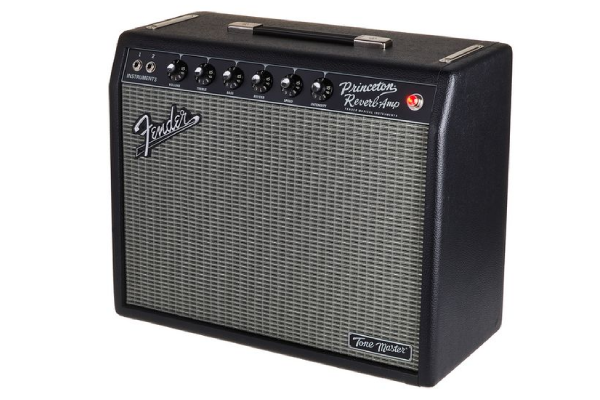
The Tone Master Princeton Reverb represents Fender’s successful venture into digital modeling territory, and I’ll admit I approached it with skepticism initially. After using one regularly for about eight months in various jazz contexts, this amplifier has fundamentally changed my perspective on what digital technology can achieve. The 12-inch Jensen speaker delivers exceptional clarity across the frequency spectrum, and the power scaling feature (which drops output from 15 watts down to under 1 watt) has proven invaluable for apartment practice sessions where I can achieve saturated tube-like tones at bedroom volumes.
What strikes me most about this amplifier is how it responds to playing dynamics—something many digital units struggle with. When I dig into a chord voicing, the amp compresses naturally without becoming muddy, and backing off the guitar’s volume control genuinely cleans up the tone just like the vintage Princetons I’ve played. The reverb circuit deserves special mention; it’s lush and dimensional without overwhelming the dry signal, perfect for adding subtle ambience to ballads. The tremolo, while less essential for traditional jazz, offers beautifully smooth modulation that works wonderfully for more contemporary approaches.
At 23 pounds compared to the 35-pound tube version, the practical advantages become obvious when loading gear for a gig. The XLR line output with cabinet simulation has saved me multiple times in situations where stage volume needed strict control—something increasingly common in modern jazz venues. I’ve run this direct to the board numerous times, and sound engineers consistently comment on how natural it sounds compared to other digital solutions.
Pros:
- Exceptionally responsive to playing dynamics and guitar volume adjustments
- Lightweight construction makes transportation effortless
- Power scaling enables genuine tone at any volume level
- Reliability without tube maintenance concerns
- XLR output with cabinet simulation for direct recording or PA connection
Cons:
- Purists may detect subtle differences from vintage tube Princetons
- Digital controls require menu navigation for some functions
- Higher price point than some traditional tube alternatives
- Limited to clean and edge-of-breakup tones (perfect for jazz, limiting for other styles)
Polytone Mini-Brute III
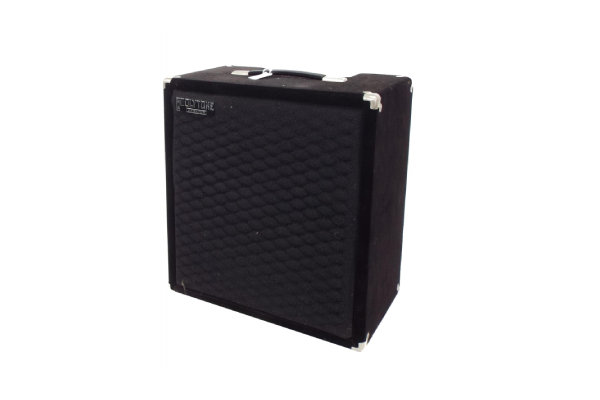
If you’ve spent any time in traditional jazz clubs, you’ve almost certainly heard a Polytone amplifier—they’ve been the workhorse choice for jazz guitarists since the 1960s. My Mini-Brute III has accompanied me to countless gigs over the past three years, and its combination of portability, reliability, and distinctive voice makes it nearly irreplaceable in certain contexts. The solid-state design produces remarkable headroom with minimal coloration, allowing the true character of your guitar to come through unimpeded.
The 100-watt power section might seem excessive for a compact amp, but that overhead translates directly into clean, punchy tone even when playing with energetic drummers and bass players. I’ve pushed this amplifier hard in quartet settings, and it maintains composure where smaller amps would start compressing or distorting. The single 12-inch speaker might not seem imposing, but Polytone’s custom-designed driver projects with surprising authority, filling medium-sized rooms without requiring external PA support.
One aspect I particularly appreciate is the two-channel configuration. I typically run my archtop through the normal channel for a warmer, slightly darker tone, while the bright channel excels with my semi-hollow guitars when I need more articulation for faster bebop lines. The built-in reverb tends toward the subtle side—some players want more lushness—but I find its understated character perfect for adding dimension without artificiality. The extension speaker output has proven useful when I need additional stage coverage for larger venues.
After comparing various options when reviewing headphones for practicing at home, I realize how the Mini-Brute’s honest reproduction serves as an ideal reference point for tone development.
Pros:
- Legendary reliability with minimal maintenance requirements
- Exceptional headroom for completely clean jazz tones
- Compact footprint despite impressive power output
- Honest, transparent sound that reveals guitar character
- Two-channel design offers tonal versatility
Cons:
- Solid-state design lacks the harmonic complexity some prefer
- Reverb effect is somewhat limited compared to dedicated units
- Aesthetics lean toward utilitarian rather than visually striking
- Heavier than expected for its compact dimensions (about 42 pounds)
Henriksen JazzAmp 110 ER
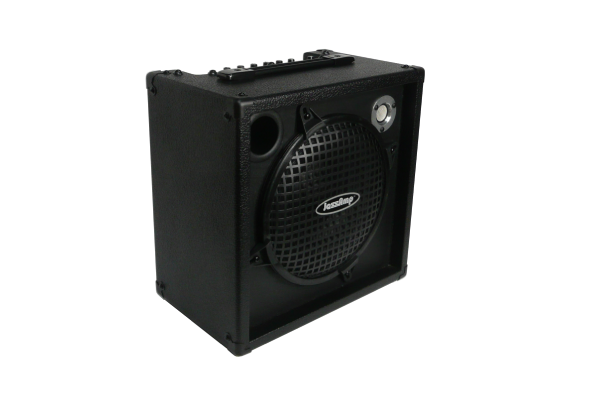
The Henriksen JazzAmp represents modern amplifier design specifically optimized for jazz guitarists, and it’s become my primary choice for professional engagements where sound quality and portability both matter. Designer Peter Henriksen clearly understands what working jazz musicians need—this amplifier weighs just 15 pounds yet produces 120 watts of pristine power through a single 10-inch neodymium speaker. I was genuinely shocked the first time I played through one at a colleague’s recommendation; the sonic clarity and three-dimensional imaging surpass many amplifiers three times its size.
The Class D power amplification combined with Henriksen’s proprietary speaker design creates remarkable efficiency and projection. I’ve used this amp in contexts ranging from intimate duo performances to outdoor festivals, and it consistently delivers balanced, musical tone. The EQ section is thoughtfully designed with bass, middle, and treble controls that interact smoothly—no harsh jumps or unusable positions. There’s also a presence control that adds air and sparkle without becoming brittle, particularly useful when cutting through in ensemble situations.
What truly sets the JazzAmp apart is its multiple input channels with independent EQ and effects. I often use channel one for my main guitar sound while dedicating channel two to a microphone or secondary instrument. The built-in digital effects include reverb, delay, and chorus that genuinely enhance rather than detract from tone quality. I’ll be honest—I initially dismissed built-in effects as gimmicky, but Henriksen’s implementation sounds professional enough for recording and critical listening situations.
The amplifier includes a tilt-back cabinet design and mounting options for speaker stands, addressing the common problem of floor-positioned amps whose sound doesn’t reach the player’s ears effectively. This seemingly minor feature has dramatically improved my ability to hear myself clearly on stage without requiring excessive volume.
Pros:
- Exceptional power-to-weight ratio makes it ideal for traveling musicians
- Professional-grade built-in effects eliminate need for external pedals
- Multiple channels with independent controls increase versatility
- Impressive clarity and definition across the frequency range
- Tilt-back design and stand-mount capability enhance monitoring
Cons:
- Premium pricing reflects specialized design and quality components
- 10-inch speaker may not satisfy players preferring 12-inch punch
- Limited availability through specialized dealers rather than mainstream retailers
- Minimal vintage aesthetic appeal for traditionalists
Roland JC-40 Jazz Chorus
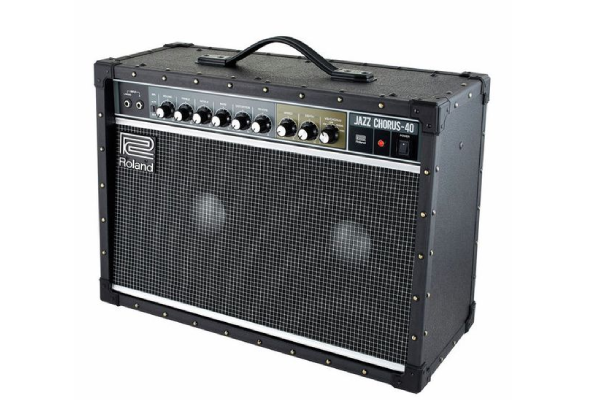
The Roland Jazz Chorus amplifier has maintained its position as a jazz standard for over four decades, and the JC-40 continues that legacy in a more manageable format than the iconic JC-120. I’ve owned this amplifier for about two years, and its consistent performance has made it my go-to choice for situations requiring bulletproof reliability and that signature crystalline clean tone. The stereo configuration with dual 10-inch speakers creates an expansive soundstage that makes even simple chord progressions sound three-dimensional and engaging.
Roland’s solid-state circuitry delivers absolute tonal consistency regardless of temperature, humidity, or how long the amp has been powered on—a practical advantage that tube amp owners understand all too well. The 40-watt output might seem modest on paper, but these watts are efficient and loud; I’ve never struggled to be heard in standard jazz combo settings. The speaker configuration spreads sound evenly across the stage, and I’ve noticed that audiences in different positions experience remarkably similar tone quality.
The built-in stereo chorus effect defines this amplifier’s character—it’s lush, dimensional, and musical in ways that pedal-based choruses rarely achieve. While some jazz purists avoid modulation entirely, I find the subtle movement enhances chord voicings and adds sophistication to ballad performances. The effect is bypassable, of course, and the amp sounds excellent in straight clean mode. I appreciate having vibrato available as well, though I use it less frequently than the chorus.
One unexpected benefit I’ve discovered is how well the JC-40 accepts effects pedals. The clean platform responds predictably to overdrive, compression, and modulation pedals without the tonal shifts that tube amps sometimes introduce. This makes it surprisingly versatile for jazz guitarists who occasionally venture into fusion or contemporary jazz territory. Much like finding the right earbuds for critical listening, the JC-40 reveals details in your playing that lesser amplifiers mask.
Pros:
- Legendary stereo chorus effect built directly into the amplifier
- Absolute reliability and tonal consistency in any environment
- Stereo speaker configuration creates impressive soundstage width
- Clean platform excels with effects pedals for extended versatility
- Proven design with extensive service network and parts availability
Cons:
- Solid-state tone lacks organic warmth some players prefer
- Relatively heavy at 51 pounds due to dual speakers and transformers
- Limited built-in effects beyond chorus and vibrato
- Clean-only design offers no overdrive character for stylistic variety
AER Compact 60/4
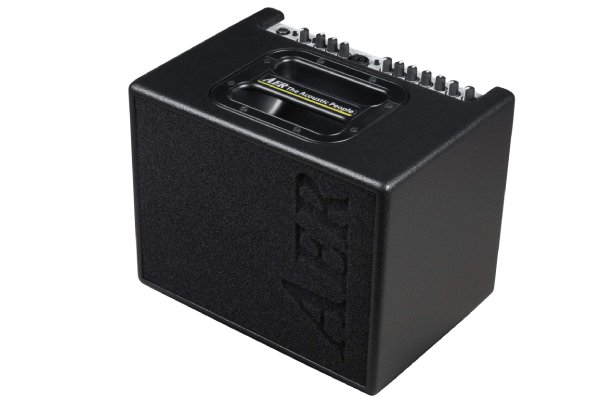
The AER Compact 60 represents German engineering excellence applied to acoustic and jazz amplification, and while it’s primarily marketed toward acoustic guitarists, I’ve found it exceptional for jazz applications with both archtop and electric guitars. This amplifier has accompanied me on numerous jazz festival performances over the past year, and its combination of transparency, power efficiency, and practical features continues to impress. The four-channel design with independent EQ and effects for each channel provides unprecedented flexibility—I’ve used it simultaneously for guitar, vocals, and a colleague’s upright bass without any channel sounding compromised.
The 60-watt power output through a single 8-inch speaker seems counterintuitive until you hear it in action. AER’s proprietary driver design and cabinet construction create projection and bass response that defy the speaker’s modest dimensions. I’ve performed outdoor events where this small amplifier provided adequate volume for audiences of 100+ people, though it shines brightest in intimate settings where tonal nuance matters most. The frequency response extends from genuinely deep lows to crystalline highs without artificial enhancement or hyping.
Each channel features a four-band EQ (including separate bass, low-mid, high-mid, and treble controls) that offers surgical precision when shaping tone. This level of control initially seemed excessive, but I’ve learned to appreciate how it enables perfect tonal balance regardless of room acoustics or guitar characteristics. The built-in digital effects include reverb, delay, and chorus that match or exceed dedicated effect units—I particularly love the hall reverb for creating ambient soundscapes during ballads.
The Compact 60 weighs just 22 pounds and includes a clever carrying handle design that makes transport remarkably easy. I’ve taken this amplifier on flights as carry-on luggage (it fits in overhead compartments), eliminating the anxiety of checking valuable gear. The DI output with ground lift has saved me in numerous situations where sound engineers needed a clean signal, and the quality rivals dedicated DI boxes.
Pros:
- Four independent channels accommodate multiple instruments simultaneously
- Sophisticated EQ section enables precise tonal shaping
- Exceptional projection from compact cabinet and small speaker
- Professional-quality built-in effects reduce external gear requirements
- Remarkably portable with travel-friendly dimensions and weight
Cons:
- Premium pricing reflects specialized engineering and construction
- 8-inch speaker may not provide desired punch for some players
- Complex control layout requires learning curve for optimal results
- Primarily designed for acoustic instruments (though excellent for jazz guitar)
Frequently Asked Questions
What makes a good jazz guitar amplifier different from rock amps?
Jazz guitar amplifiers prioritize clean headroom, tonal transparency, and warmth over distortion capabilities and aggressive midrange voicing. After years of playing both jazz and rock contexts, I’ve learned that jazz amps need to reproduce complex chord voicings with clarity while maintaining the natural resonance and sustain of archtop or semi-hollow guitars. Rock amplifiers typically compress the signal and emphasize certain frequency ranges to achieve their characteristic sound, whereas jazz amps function more like high-fidelity playback systems that honestly reproduce what your guitar actually sounds like. The best jazz amplifiers maintain composure even at higher volumes, delivering clean tone without the breakup that rock players often desire.
Do I need a tube or solid-state amplifier for jazz guitar?
Both tube and solid-state amplifiers can serve jazz guitarists excellently, and the choice ultimately depends on your priorities and playing situations. I’ve used both types extensively, and each offers distinct advantages. Tube amplifiers provide organic compression, harmonic richness, and that ineffable warmth many players associate with classic jazz tone—think of the sound on those legendary Blue Note recordings. However, they require maintenance, warm-up time, and can be heavier and less reliable than solid-state alternatives. Modern solid-state and digital amps like the Polytone or Henriksen models I’ve discussed offer consistency, reliability, and clarity that many professional jazz musicians prefer, especially for touring and frequent gigging where dependability matters most.
What wattage do I need for jazz guitar performances?
The wattage requirements for jazz guitar depend more on your amplifier’s efficiency and headroom characteristics than raw power numbers. I’ve found that 40-60 watts of clean power typically handles most jazz combo situations (trio, quartet, quintet) in clubs and small-to-medium venues. If you’re primarily performing in intimate settings or using PA support, even 15-25 watts with good speaker efficiency works beautifully—my Fender Tone Master Princeton at 15 watts has never left me wanting more volume in appropriate contexts. For larger stages without PA reinforcement, 100+ watts provides the headroom necessary to maintain clean tone at higher volumes. Remember that jazz playing emphasizes dynamics and tonal purity, so having excess clean power prevents the compression and distortion that occurs when pushing an underpowered amp too hard.
Should jazz guitar amps have reverb and effects built-in?
Built-in reverb has become nearly essential for jazz guitar amplifiers, as subtle ambience enhances the natural resonance and sustain that defines jazz tone. I rarely perform without at least a touch of reverb to add dimension and space to my sound—it transforms dry, direct tone into something more musical and engaging. The quality matters significantly; cheap reverb sounds artificial and distracting, while good reverb (like that found in the Fender, Henriksen, and AER models) enhances without calling attention to itself. Other effects like chorus and delay can be useful for specific stylistic choices, though many traditional jazz players prefer simpler signal paths. I appreciate having these options available on amplifiers like the Roland JC-40, but I wouldn’t consider them mandatory the way I would reverb.
Can I use a jazz amp for other musical styles?
Jazz amplifiers generally excel in any musical context where clean, transparent tone matters—including blues, R&B, funk, country, and singer-songwriter accompaniment. I’ve successfully used my jazz amps for recording sessions across multiple genres because their honest reproduction works beautifully as a foundation for pedal-based tone shaping. The limitation comes when you need natural amplifier overdrive or distortion; jazz amps typically remain clean even when pushed hard, which is their design intention. If you’re exploring diverse musical territory, I’d suggest choosing an amp like the Roland JC-40 that accepts effects pedals gracefully, giving you the flexibility to add overdrive, compression, or other effects when needed. Many session guitarists actually prefer jazz amps specifically because they provide a consistent, predictable platform that responds well to external processing.
How important is speaker size for jazz guitar tone?
Speaker size influences tone character and projection, though it’s just one factor among many in the overall equation. Traditional jazz players often gravitate toward 12-inch speakers for their balanced frequency response, warmth in the midrange, and satisfying low-end punch—most vintage jazz recordings featured amps with 12-inch drivers. However, I’ve been impressed by modern designs using 10-inch (like the Henriksen) and even 8-inch speakers (the AER) that deliver full-range tone through advanced driver technology and cabinet design. Larger speakers generally move more air and create more physical presence on stage, while smaller speakers can offer tighter, more focused projection. I encourage trying different configurations to find what resonates with your playing style and the venues you typically perform in, rather than assuming bigger is automatically better.