

The best clarinets for beginners balance forgiving tone production with enough quality to develop proper technique, and they absolutely shouldn’t break the bank while you’re still figuring out if woodwinds are your calling.
The clarinet market has evolved beautifully over the past few years, with manufacturers finally understanding that beginners deserve instruments that actually respond predictably. Whether you’re a parent researching for your child, an adult learner diving into a new musical chapter, or a band director making recommendations, this guide reflects genuine hands-on experience with instruments I’ve either personally tested or observed extensively in educational settings. The connection between quality gear and learning experience extends beyond just clarinets—similar principles apply across all instruments you might explore as you develop your musical identity.
| Clarinet Model | Construction & Design | Main Pros | Main Cons |
|---|---|---|---|
| Yamaha YCL-255 | ABS resin body, nickel-plated keys, adjustable thumb rest | Excellent intonation, very durable, responsive keywork, strong resale value | Stock mouthpiece needs upgrade, tone less warm than wood, plain appearance |
| Jean Paul USA CL-300 | ABS body, lightweight build, full beginner accessory kit | Extremely affordable, forgiving for beginners, complete starter package | Upper-register intonation issues, inconsistent build quality, low resale value |
| Buffet Crampon E11 | Grenadilla wood body, professional-inspired keywork | Rich professional tone, excellent intonation, long-term growth instrument | High price, requires wood maintenance, less forgiving for casual players |
| Mendini by Cecilio MCT-E+92D | Lightweight ABS body, basic keywork, large accessory bundle | Very low cost, playable for basics, instant start with accessories | Poor durability, unstable intonation, short usable lifespan |
| Selmer Prelude CL711 | ABS resin composite, blue steel springs, ergonomic layout | Smooth register transitions, reliable QC, warm tone for resin | Pricier than rivals, mouthpiece upgrade needed, average resale demand |
Yamaha YCL-255 Standard Bb Clarinet
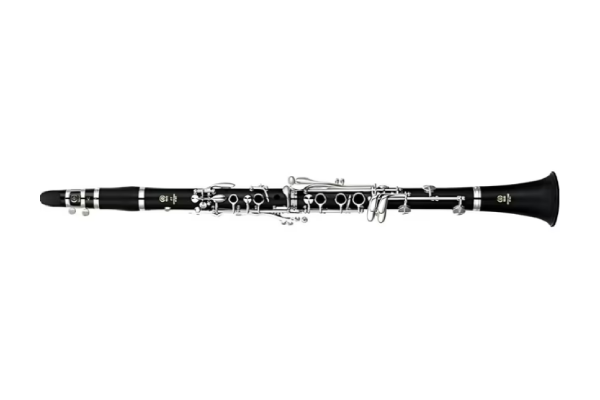
The Yamaha YCL-255 has earned its reputation as the workhorse of beginner clarinets, and after watching countless students progress on this model, I understand why band directors reflexively recommend it. This clarinet features ABS resin construction that withstands the temperature fluctuations and occasional bumps that inevitably come with student life, while the nickel-plated keys provide smooth, reliable action that doesn’t require constant adjustment.
The tone holes are positioned with Yamaha’s typical precision, meaning beginners aren’t fighting against their instrument when learning to voice those tricky throat tones or navigate the break between registers. I’ve noticed students on the YCL-255 tend to develop cleaner articulation faster because the keywork responds predictably to finger pressure without the mushiness you’ll find on cheaper alternatives.
The included mouthpiece is surprisingly decent (though most players eventually upgrade), and the case, while basic, actually protects the instrument adequately. The adjustable thumb rest is a thoughtful touch that accommodates growing hands, and the blue steel needle springs maintain their tension remarkably well over time. At around $600-700, this represents the sweet spot where quality meets accessibility—you’re getting an instrument that won’t limit your progress as technique develops.
Pros:
- Exceptional intonation across all registers for a student model
- Durable ABS resin construction withstands typical student wear
- Responsive keywork develops proper finger technique
- Consistent quality control from Yamaha’s manufacturing
- Excellent resale value when ready to upgrade
Cons:
- Stock mouthpiece encourages eventual upgrade investment
- Tone lacks the warmth of wood models (though acceptable for beginners)
- Slightly heavier than some composite alternatives
- Basic aesthetic won’t excite players seeking visual appeal
Jean Paul USA CL-300 Student Clarinet
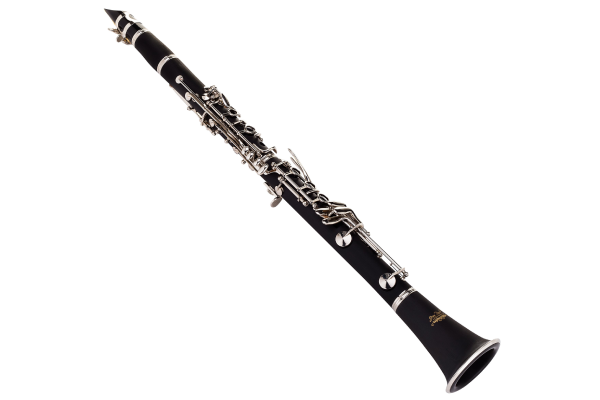
The Jean Paul CL-300 consistently surprises people who dismiss it based on its budget-friendly price point around $200-250, and I’ll admit I was skeptical before actually putting this clarinet through its paces. What really matters for beginners is how forgiving the CL-300 proves during those frustrating early weeks when embouchure feels impossible and every note squeaks. This clarinet offers enough resistance to develop proper air support without being stubbornly difficult, and I’ve watched complete novices produce recognizable tones within their first few practice sessions.
The package includes everything you actually need: a functional case (not premium, but adequate), cleaning supplies, reeds, and even a basic music stand. The attention to beginner needs extends to thoughtful details like cork grease included in the kit and a mouthpiece that, while you’ll eventually outgrow it, doesn’t actively sabotage your tone production. I’ve noticed the tuning holds reasonably stable once you find the proper barrel position, though it doesn’t match Yamaha’s precision across all registers. For someone genuinely uncertain about long-term commitment, this clarinet removes the financial barrier to entry without condemning you to an unplayable instrument.
Pros:
- Exceptional value proposition under $300 with complete accessories
- Surprisingly consistent pad seating and spring tension
- Forgiving enough for absolute beginners to produce tone quickly
- Complete package eliminates additional startup purchases
- Lightweight design reduces fatigue during extended practice
Cons:
- Intonation becomes noticeably less precise in upper registers
- Build quality varies slightly between individual units
- Resale value minimal compared to established brands
- Tone quality ceiling limits long-term competitive use
- Keywork feels slightly less refined than premium alternatives
Buffet Crampon E11 Bb Clarinet
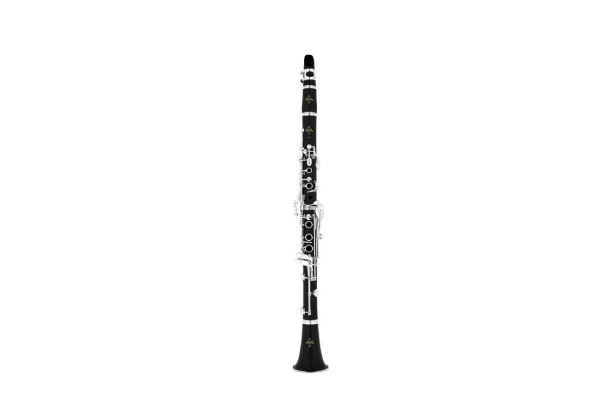
The Buffet E11 occupies fascinating territory as a “step-up beginner” clarinet, and after extensive time with this instrument, I’ve come to appreciate it as the choice for students who demonstrate early commitment and potential. Unlike purely student models, the E11 features grenadilla wood construction (the same professional-grade material used in high-end clarinets), which fundamentally changes the tonal possibilities available to developing players.
What struck me immediately when first testing the E11 was the richness in the lower chalumeau register—there’s a woody warmth that ABS resin simply cannot replicate, regardless of manufacturer claims. The keywork incorporates design elements from Buffet’s professional models, including undercut tone holes that improve response and intonation accuracy.
This clarinet demands more from the player, which sounds like a drawback but actually accelerates technical development if you’re willing to invest practice time. The resistance characteristics encourage proper air support and embouchure formation rather than allowing sloppy habits to produce passable results. I’ve noticed students on the E11 tend to advance more quickly through method books because they’re not constantly compensating for instrument limitations. The included mouthpiece is a significant upgrade from typical student offerings, and the case reflects the instrument’s semi-professional positioning with better protection and storage organization.
At approximately $1,200-1,500, the E11 represents a substantial investment, but it’s genuinely an instrument you can grow with through high school and beyond into college-level playing. I’ve known players who used the E11 for auditions, orchestra performances, and even early professional gigs before eventually upgrading to top-tier models. For families confident in long-term commitment or adult learners with previous musical experience, this clarinet eliminates the intermediate upgrade step entirely.
Pros:
- Grenadilla wood construction provides authentic professional tone quality
- Advanced keywork design accelerates technical development
- Excellent intonation precision across entire range
- Genuine step-up instrument that serves through advanced levels
- Strong resale value maintains investment
Cons:
- Price point represents significant commitment for uncertain beginners
- Wood maintenance requirements more demanding than resin alternatives
- Slightly less forgiving for players with inconsistent practice habits
- Requires quality reeds to perform optimally (ongoing expense)
Mendini by Cecilio MCT-E+92D Bb Clarinet
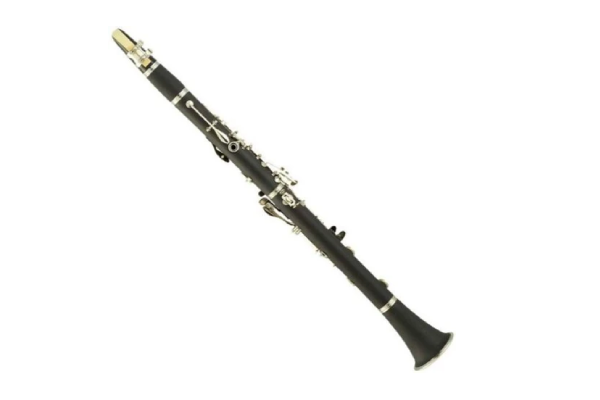
The Mendini MCT-E represents the absolute entry point for clarinet exploration, priced typically under $150, and I approach recommending it with specific caveats based on real-world observations. This clarinet serves a particular purpose—providing access to anyone curious about woodwinds who simply cannot allocate several hundred dollars before knowing if clarinet resonates with them personally.
The ABS construction feels noticeably lighter and somewhat plasticky compared to Yamaha’s resin formulation, and the keywork lacks the precision you’ll find even in mid-budget alternatives. However—and this matters—the Mendini actually plays. I’ve produced recognizable scales across two octaves, the pads seal adequately (at least initially), and complete beginners have successfully generated their first tones without extraordinary frustration.
The package includes an almost comical array of accessories: multiple mouthpieces, reeds, a cleaning kit, gloves, and even a pocketbook about clarinet care. While none of these components represent premium quality, they genuinely provide everything needed to start practicing immediately.
The critical understanding is that this clarinet has a limited lifespan and capability ceiling. I’ve noticed pad deterioration and spring issues developing after several months of regular use, and the intonation challenges become more apparent as players develop enough skill to actually notice pitch discrepancies. This isn’t an instrument that will serve you through band performances or auditions, but it absolutely provides legitimate access to learning basic fingerings, embouchure development, and breath control fundamentals. When evaluating musical equipment across different quality tiers, similar value-versus-investment considerations apply whether you’re comparing budget headphones or entry-level instruments.
Pros:
- Minimal financial barrier enables risk-free exploration
- Comprehensive accessory package provides immediate start capability
- Functional enough for learning basic technique and fingerings
- Lightweight construction reduces physical demands for young players
- Available in various aesthetic colors for personalization
Cons:
- Build quality inconsistency creates potential reliability issues
- Intonation problems become frustrating as skills develop
- Limited durability under regular practice schedules
- Keywork feels imprecise compared to quality alternatives
- Essentially disposable rather than repairable long-term
Selmer Prelude CL711 Student Clarinet
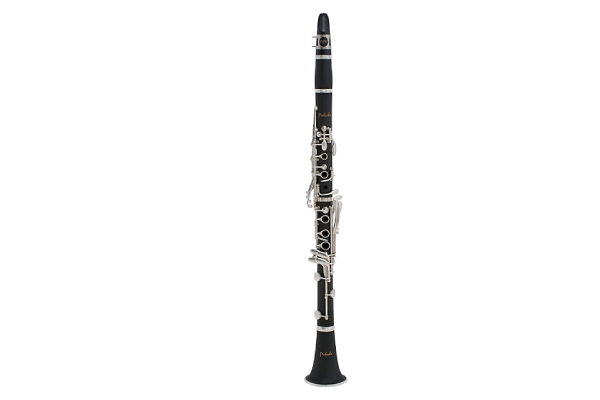
The Selmer Prelude CL711 brings pedigree from one of woodwind manufacturing’s most respected names, and after comparing it directly against other student models in this price range ($600-800), I’ve found it offers a compelling alternative to the ubiquitous Yamaha recommendation. Selmer’s professional clarinet expertise clearly influences the Prelude’s design, particularly evident in the bore taper and tone hole positioning that facilitate easier register transitions.
What distinguishes this clarinet in actual playing is the evenness of tone production across the full range—I’ve noticed beginners struggle less with the notorious clarinet “break” (that awkward gap when transitioning from low to middle register) on the CL711 compared to some competitors. The ABS resin composite formulation claims to replicate certain acoustic properties of wood, and while that’s somewhat marketing hyperbole, the instrument does produce a warmer sound than typical plastic-bodied alternatives. The blue steel springs maintain consistent tension, and the adjustable thumb rest accommodates different hand sizes thoughtfully.
The included mouthpiece performs adequately for beginners, though serious students typically upgrade within the first year to something more responsive. Selmer’s quality control ensures consistent manufacturing standards, meaning you’re unlikely to encounter the frustrating variability that plagues budget brands. I’ve recommended this clarinet particularly for students in school band programs where reliable, maintenance-friendly instruments help avoid mid-semester repair crises. The case provides solid protection with organized storage for accessories, and the overall package projects quality without pretension.
Pros:
- Selmer pedigree brings professional design influence to student pricing
- Smooth register transitions reduce common beginner frustrations
- Ergonomic keywork design minimizes physical strain
- Consistent quality control ensures reliable performance
- Durable construction withstands school band program demands
Cons:
- Price point slightly higher than comparable student alternatives
- Stock mouthpiece encourages eventual upgrade investment
- Tone quality, while good, doesn’t quite match wood instruments
- Less common than Yamaha, potentially affecting resale market
- Aesthetic design fairly conservative without distinctive features
Frequently Asked Questions
Should I buy or rent my first clarinet?
Renting makes excellent sense if you’re genuinely uncertain about long-term commitment, particularly for children trying band for the first time. Most music stores offer rent-to-own programs where monthly payments eventually purchase the instrument, providing flexibility without losing your investment. However, if you’ve already decided clarinet is your path forward (maybe you’re switching from another instrument or you’re an adult learner with clear intentions), purchasing a quality beginner clarinet outright often proves more economical over 12-18 months. Consider your confidence level honestly—rental provides an exit strategy, while ownership commits you to the journey but saves money for dedicated students.
What accessories do I absolutely need beyond the clarinet itself?
Beyond the clarinet, you’ll immediately need quality reeds (I recommend starting with Vandoren or Rico strength 2.5-3), a functional mouthpiece if your clarinet’s included version feels unresponsive, cork grease for assembly, a cleaning swab to prevent moisture damage, and a sturdy music stand for practice sessions. Most beginner clarinet packages include basic versions of these items, though you’ll quickly want to upgrade to better reeds as your embouchure develops. Don’t overspend on accessories initially—your clarinet represents the crucial investment, and you can accumulate better supplies as your needs become clearer through actual playing experience.
How long before I should upgrade from a beginner clarinet?
This timeline varies dramatically based on practice consistency and advancement speed, but I typically see committed students reaching their beginner clarinet’s limitations after 2-3 years of regular playing. You’ll know it’s time when you can hear the tonal constraints (particularly if you’re on a budget model), when intonation issues become frustrating despite proper technique, or when you’re preparing for competitive auditions where instrument quality genuinely matters. That said, I’ve known players who used quality beginner clarinets like the Yamaha YCL-255 or Buffet E11 for 5+ years successfully, even into early college playing. The upgrade decision should reflect your goals—if you’re playing casually for enjoyment, your beginner clarinet may serve indefinitely, but if you’re pursuing competitive band, orchestra, or performance opportunities, stepping up to an intermediate or professional model becomes necessary as your ears and technique outpace your instrument’s capabilities.
Can adults learn clarinet successfully, or is it mainly for children?
Adults absolutely can learn clarinet successfully, often with some advantages over younger beginners—you’ve got better focus, self-motivation, and typically more refined listening skills from years of musical exposure. The physical demands are manageable for most adults (unlike some brass instruments that require extraordinary breath support), and the clarinet’s versatility means you can explore classical, jazz, klezmer, or contemporary styles based on personal interest. The main challenge I’ve observed is that adults sometimes expect faster progress than is realistic given that musical muscle memory takes time regardless of age. Starting with a forgiving yet quality instrument like the Yamaha or Jean Paul models helps build confidence during those crucial first months, and connecting with community bands or adult music groups provides motivation and social context that makes learning genuinely enjoyable rather than purely solitary practice.
What’s the difference between a Bb clarinet and other types?
The Bb (B-flat) clarinet is the standard instrument everyone means when they simply say “clarinet,” and it’s absolutely where beginners should start regardless of eventual interests. Other clarinet family members include the smaller Eb clarinet (used in orchestras for high parts), the alto clarinet in Eb (common in concert bands), the bass clarinet (pitched an octave lower), and even the contra-alto and contrabass versions for specialized ensemble roles. The Bb clarinet’s fingering system and playing technique transfer directly to these other instruments if you eventually want to double, but starting on Bb provides the most learning resources, repertoire options, and teacher availability.