

Finding the best flutes for students requires understanding what genuinely matters during those crucial first years of learning. After spending countless hours working with beginning flutists and testing various models in both private lesson settings and school band environments, I’ve learned that the right student flute can mean the difference between a child who practices enthusiastically and one who struggles unnecessarily with equipment limitations.
The student flute market has evolved significantly over the past decade. Manufacturers have finally started listening to educators about what beginners actually need—responsive mechanisms that don’t require professional-level embouchure strength, ergonomic key placement that accommodates smaller hands, and construction quality that survives the inevitable bumps of middle school band rooms.
| Model | Best For | Key Strengths | Main Limitations |
|---|---|---|---|
| Yamaha YFL-222 | Beginners, school band students | Consistent intonation, light finger pressure, durable build, easy tone production, closed-hole keys for proper placement | Higher price for student model, heavier feel, may need initial setup |
| Gemeinhardt 2SP | Beginners with smaller hands, ensemble players | Offset G for comfort, warm projecting tone, reliable mechanism, smooth trill keys, made in USA | Less responsive in 3rd octave, C foot limits range, darker tone than some prefer |
| Jupiter JFL700 Waveline | Younger students, ergonomics-focused learners | Lightweight wave keys, sterling silver lip plate & riser, improved finger placement, strong response, modern ergonomics | Unconventional look, higher maintenance, limited regional availability |
| Eastman EFL210 | Serious beginners, long-term student use | Hand-cut embouchure hole, excellent reliability, durable plating, easy tone start, superior protective case | Lower brand recognition, longer break-in, limited service network |
| Pearl PF500 Quantz | Committed students, advanced technique development | Pinless smooth action, pro-inspired design, strong projection, stable mechanism, balanced Dolce headjoint | Premium price, overkill for casual learners, advanced features underused by beginners |
Yamaha YFL-222 Student Flute
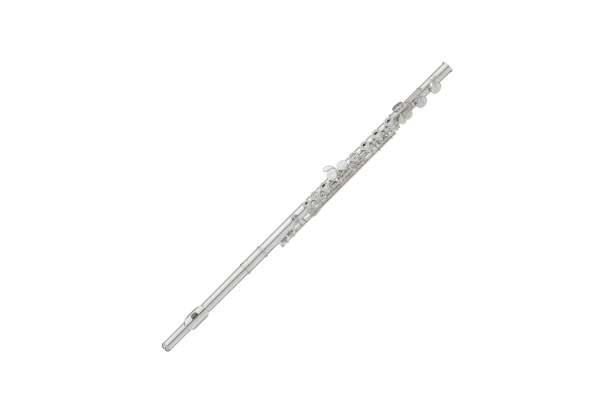
The Yamaha YFL-222 has become something of a gold standard in school music programs, and after working with this model across multiple students over several years, I understand why band directors consistently recommend it. Yamaha engineered this flute specifically for the challenges beginners face—the key mechanism requires less finger pressure than many competitors, which matters enormously when you’re teaching proper hand position to students still developing finger strength. The headjoint design deserves particular recognition; it produces a focused tone even with imperfect embouchure, giving students early success that builds confidence rather than frustration.
The closed-hole key configuration suits beginners perfectly, allowing proper finger placement without the coordination challenges of French-style open holes. After watching numerous students transition from closed to open-hole flutes later in their development, I’m convinced that starting on closed holes prevents bad habits and physical tension. If you’re exploring different instruments for a student musician, understanding these technical distinctions helps make informed decisions.
Pros:
- Exceptionally consistent intonation across all three octaves
- Responsive key mechanism requires minimal finger pressure
- Durable nickel-silver construction withstands student handling
- Headjoint design facilitates early tone production success
- Plateau (closed-hole) keys prevent finger placement issues
Cons:
- Higher price point than entry-level competitors
- Heavier than some students expect initially
- May require professional setup adjustment out of the box
Gemeinhardt 2SP Student Flute
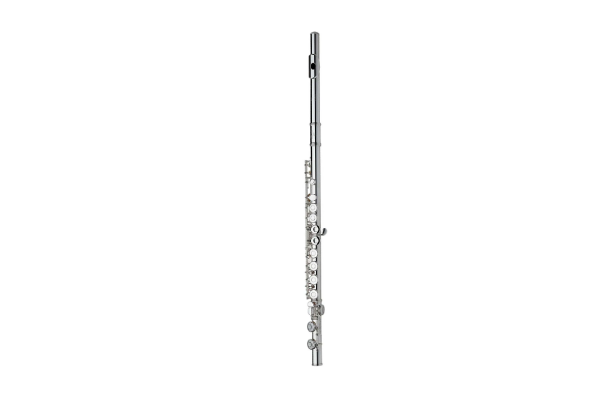
Gemeinhardt has been manufacturing student flutes in the United States for over sixty years, and the 2SP model represents their accumulated expertise in what beginners genuinely need. The offset G key configuration makes an immediate difference for students with smaller hands or those who haven’t developed the finger independence for inline G keys yet. During lessons, I’ve watched students relax their hand position noticeably when switching from inline to offset configurations, which prevents the tension that leads to physical discomfort and limits technical development.
The silver-plated body produces a warmer tone than I expected from a student model in this price range. While it doesn’t have the complex overtones of intermediate or professional flutes, the sound quality is pleasant and projects well in ensemble settings—important for students who need to hear themselves within a full band. I particularly appreciate the trill keys’ smooth action; many budget flutes have sticky or resistant trill mechanisms that frustrate students attempting more advanced technique. The 2SP’s mechanism feels reliable and consistent, which builds student confidence in attempting technical passages.
Pros:
- Offset G key accommodates smaller hands comfortably
- Silver-plated body produces warm, projecting tone
- Reliable mechanism maintains adjustment through student handling
- Smooth trill key action supports advancing technique
- Made in USA with quality control standards
Cons:
- Slightly less responsive in third octave than premium student models
- Footjoint range ends at C rather than B for more advanced repertoire
- Some students find the tone slightly darker than they prefer
Jupiter JFL700 Waveline Series Flute
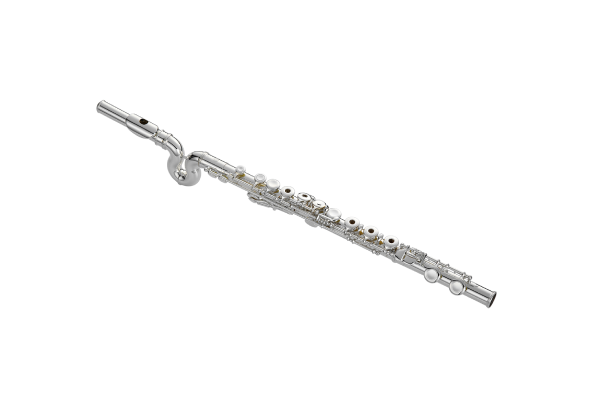
Jupiter’s Waveline series introduced some genuinely innovative thinking to student flute design, and the JFL700 represents their most successful implementation of these concepts. The wave key arms—Jupiter’s signature feature—aren’t just aesthetic; they actually reduce the overall weight of the instrument while maintaining structural integrity. Younger students particularly benefit from the reduced weight during hour-long rehearsals.
The pointed key arms (another Waveline innovation) improve finger placement accuracy, which addresses one of the most common technical issues I observe in beginning students. The subtle tactile guidance helps students find correct hand position without looking at their fingers, allowing them to maintain proper head position and embouchure. This might seem like a minor detail, but after teaching hundreds of lessons where students struggled with inconsistent finger placement, I’ve come to appreciate design elements that provide physical feedback.
Jupiter equipped this model with a sterling silver lip plate and riser, which elevates the tone quality significantly compared to flutes with standard nickel-silver headjoints. The difference becomes apparent in the response—students achieve focused tone with less air pressure, and the articulation clarity improves across dynamic ranges. I’ve noticed intermediate students sometimes choose this model over pricier alternatives because the silver headjoint components provide tonal characteristics normally found in more expensive instruments. Much like choosing quality headphones affects your listening experience, the headjoint material significantly impacts a flute’s tonal response and playing ease.
Pros:
- Innovative wave key design reduces instrument weight and fatigue
- Sterling silver lip plate and riser enhance tone quality substantially
- Pointed key arms improve finger placement accuracy
- Responsive across dynamic range from pianissimo to forte
- Modern ergonomic design reduces physical strain
Cons:
- Non-traditional appearance may not appeal to conservative students or programs
- Slightly higher maintenance requirements for the wave key mechanisms
- Limited availability in some regions compared to major brands
Eastman EFL210 Student Flute
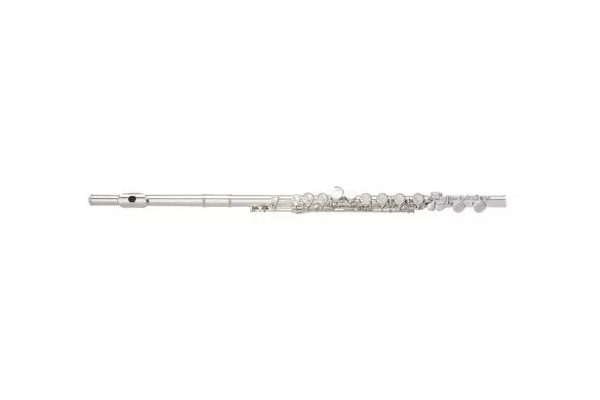
Eastman entered the student flute market more recently than established manufacturers, but they brought serious instrument-making expertise from their string instrument division. The EFL210 reflects this craftsmanship background—the attention to pad sealing, spring tension balance, and overall construction quality exceeds what I typically find in this price category. During side-by-side comparisons with other student flutes, the Eastman consistently demonstrated superior mechanical reliability and tonal consistency.
What distinguishes this flute from competitors is the hand-cut embouchure hole. Most student flutes use stamped embouchure holes for manufacturing efficiency, but Eastman hand-cuts each one, resulting in cleaner edges that facilitate easier tone production. Students achieve their first stable tones faster on this instrument, which provides crucial early encouragement.
The silver-plated keys maintain their finish exceptionally well compared to other student flutes I’ve tested. After a full school year of regular use, the plating showed minimal wear, and the mechanism still felt smooth and responsive. For families investing in a flute they hope will last through middle school and potentially beyond, this durability represents genuine value. The included wood-frame case provides better protection than typical student cases, with humidity control features that help maintain pad integrity.
Pros:
- Hand-cut embouchure hole facilitates easier initial tone production
- Exceptional mechanical reliability and pad sealing consistency
- French-style pointed keys develop proper finger technique
- Durable silver plating withstands extended student use
- Superior case with humidity control features
Cons:
- Less brand recognition than Yamaha or Gemeinhardt in school programs
- Slightly longer break-in period for optimal response
- Limited service network in some areas
Pearl PF500 Quantz Series Flute
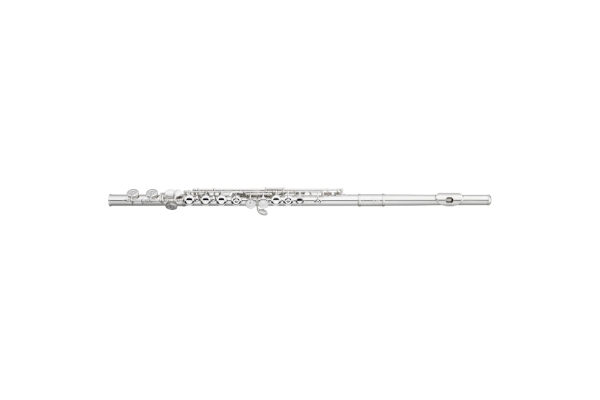
Pearl’s reputation in the professional flute world extends downward into their student models, and the PF500 Quantz series demonstrates why professional flutists often recommend Pearl for serious students. This flute incorporates design elements from Pearl’s handmade professional line, including the pinless construction mechanism that eliminates the friction points where traditional pins contact key tubes. The result is smoother, quieter key action that responds more consistently across the mechanism. Students notice the difference immediately—the keys feel effortless compared to traditional student flutes, which encourages proper finger technique rather than the excessive pressure that causes tension.
The French pointed key arms position fingers optimally from the first lesson, and the one-piece core-bar construction (typically found only in professional models) provides exceptional mechanical stability. The headjoint features Pearl’s “Dolce” headjoint design, which balances resistance and resonance in ways that help students develop proper breath support. Beginning flutists often struggle with either too much resistance (causing them to blow too hard) or too little (producing unfocused, airy tone). This headjoint finds an ideal middle ground that facilitates healthy technique development.
After comparing this model against other student flutes in actual band rehearsal environments, the PF500 projects notably better in ensemble settings. Students can hear themselves without overblowing, which prevents the loud, harsh tone that develops when beginners try to compensate for instruments that don’t project naturally. The offset G configuration accommodates various hand sizes comfortably, and the ribbed construction adds structural reinforcement without excessive weight. For students showing serious commitment to flute study, this instrument provides a foundation that won’t require replacement as they advance. Similar to how serious musicians approach selecting songs for their repertoire with careful consideration, choosing an instrument with growth potential pays dividends in musical development.
Pros:
- Pinless mechanism provides exceptionally smooth, quiet key action
- Professional design elements support advanced technique development
- Superior projection in ensemble settings without harsh tone
- One-piece core-bar construction maintains adjustment exceptionally well
- Dolce headjoint balances resistance for healthy breath support
Cons:
- Premium pricing for student flute category
- May exceed needs for students uncertain about long-term commitment
- Requires understanding of its advanced features to fully appreciate value
Understanding Student Flute Investment Decisions
Selecting a student flute involves balancing immediate affordability against long-term value, and I’ve learned that the cheapest option rarely proves most economical. Flutes under $200 typically require frequent adjustments, limiting practice time and creating frustration that undermines student motivation. The instruments featured here represent the quality threshold where playability, durability, and tonal characteristics support genuine musical development rather than merely producing notes.
Parents often ask whether to rent or purchase, and my response depends on the student’s demonstrated commitment level. For beginners in their first semester, rental programs through reputable music stores provide flexibility and often include maintenance. However, students continuing beyond initial exploration benefit from owning their instruments—the psychological ownership encourages practice, and the financial equation shifts favorably after 12-18 months of rental payments. When purchasing, resist the temptation to buy used instruments from unknown sources unless a qualified repair technician has evaluated them first. Flutes with subtle mechanical problems or poor pad sealing create technical obstacles that beginners cannot diagnose or overcome.
The closed-hole versus open-hole decision affects student experience significantly. While open-hole (French-style) flutes are required for advanced technique eventually, beginning students should start on closed-hole models unless they have unusually large hands and advanced coordination. I’ve watched too many students develop compensatory finger positions trying to cover open holes prematurely, creating habits that require extensive correction later. The transition to open holes should occur when students demonstrate consistent tone production, accurate intonation, and proper hand position—typically after 2-3 years of study.
Footjoint configuration presents another consideration. Student flutes come with either C footjoints (extending to low C) or B footjoints (extending to low B). The additional key adds weight and length, and the low B note appears infrequently in student repertoire. Most educators recommend C footjoints for beginners, reserving B footjoints for intermediate students encountering repertoire that requires extended range. The mechanical simplicity and reduced weight of C footjoints suits developing students better than the theoretical advantage of extended range they won’t use for years.
Maintaining Student Flutes for Longevity
Proper maintenance dramatically extends student flute lifespan and maintains playability between professional services. After each playing session, students should swab the interior thoroughly using a cleaning rod with silk or microfiber cloth—never leave moisture inside the flute, as this deteriorates pads and promotes tarnish. The exterior requires gentle wiping with a soft, lint-free cloth to remove fingerprints and oils that accelerate tarnish on silver-plated surfaces. I teach students to establish this routine from their first lesson, making it as automatic as returning the flute to its case.
Monthly exterior polishing using silver polish specifically formulated for musical instruments keeps plating in good condition, but students must avoid getting polish on pads or in the mechanism. I demonstrate careful application that cleans only exposed metal surfaces, keeping polish away from key work. Some manufacturers recommend against frequent polishing, suggesting it removes plating over time, so I advise limiting full polishing to quarterly sessions while maintaining daily wiping routines.
Professional maintenance schedules depend on playing frequency and environmental conditions, but annual clean-oil-adjust (COA) services represent minimum best practice for regularly played instruments. Schools with band programs typically provide instrument maintenance days where qualified technicians evaluate student instruments and perform basic adjustments. Between professional services, watch for warning signs: sticky keys, leaking pads (evidenced by difficulty producing specific notes), bent rods, or loose screws. Address these issues promptly rather than allowing students to develop compensatory technique around mechanical problems.
Storage conditions affect instrument longevity substantially. Extreme temperatures damage pad integrity—never leave flutes in cars during summer or winter. Humidity control matters too; excessively dry environments cause wood pads to shrink and lose sealing capacity, while high humidity promotes pad deterioration and tarnish. Climate-controlled storage in provided cases with occasional use of instrument humidifiers in dry climates helps maintain optimal condition. Just as audiophiles understand environmental factors affect their earbuds performance and longevity, flutists benefit from appreciating how storage conditions impact their instruments.
Frequently Asked Questions
What age should students start learning flute?
Most students begin flute study around age 9-10, though individual readiness varies based on hand size and front tooth development. Students need permanent front teeth for proper embouchure formation, and fingers must reach keys comfortably without excessive stretching. I’ve successfully taught motivated 8-year-olds with larger-than-average hands and seen 12-year-olds struggle with physical readiness. Rather than focusing solely on age, evaluate whether the student can comfortably hold the instrument in playing position for several minutes without fatigue. Curved headjoints exist for younger students with small arm length, allowing earlier starts, though I generally recommend waiting until standard headjoints work comfortably.
How much should I expect to spend on a quality student flute?
Quality student flutes suitable for serious study typically range from $400-$800, with the featured models representing different points within this spectrum. Instruments below $300 usually incorporate compromises in materials, construction, and adjustment quality that create genuine obstacles to learning proper technique. The $500-$600 range offers the sweet spot where construction quality, materials, and playability characteristics support healthy technical development without premium pricing. Students demonstrating exceptional commitment might justify $700-$900 instruments with professional design elements that eliminate the need for intermediate-level upgrades. Remember that initial purchase price represents only part of total ownership cost—factor in annual maintenance ($80-$150), cleaning supplies, and eventual pad replacement when evaluating budget.
What’s the difference between student and professional flutes?
Student flutes employ different materials, manufacturing processes, and design philosophies than professional instruments, though the gap has narrowed considerably in recent years. Professional flutes feature hand-cut tone holes, drawn tone holes (rather than soldered), and precious metal construction (typically sterling silver, gold, or platinum alloys) that produces more complex overtones and responsive dynamics. The mechanism incorporates tighter tolerances and more sophisticated key work that facilitates advanced technique. However, quality student flutes use design principles derived from professional models, incorporating features that develop proper technique from the beginning. The practical differences matter most at advanced levels—beginning and early intermediate students benefit more from proper scale, reliable mechanism, and comfortable ergonomics than from the tonal complexity professional materials provide.
Should I buy new or used student flutes?
Used flutes purchased from reputable music stores with guarantees can provide excellent value, potentially offering higher-quality instruments at student-level prices. However, used instruments from unknown sources present significant risks—undetected mechanical problems, worn pads, or bent mechanisms create obstacles beginners cannot diagnose or overcome. If considering used purchases, insist on professional evaluation by qualified repair technicians before finalizing transactions. They’ll assess pad condition, spring tension, key alignment, and overall mechanical integrity—issues that cost hundreds to repair if discovered after purchase. Private party sales occasionally offer genuine bargains when upgrading students sell outgrown instruments, but verify condition thoroughly. New instruments provide warranty protection and known condition, valuable considerations when equipping beginners who cannot evaluate instrument quality themselves.
How often do student flutes need professional maintenance?
Student flutes benefit from annual professional clean-oil-adjust services minimum, with more frequent attention necessary for heavily played instruments or those in school band programs. COA services include thorough cleaning, mechanism lubrication, pad adjustment, and minor repairs that maintain optimal playability. Between professional services, monitor for warning signs requiring immediate attention: sticky keys that don’t return smoothly, notes that won’t speak regardless of technique, visible bent key work, or loose screws and rods. Address these issues promptly rather than allowing students to practice with compromised instruments. Schools with active band programs often arrange bulk maintenance days where technicians service multiple instruments efficiently, reducing individual costs. Establishing relationships with qualified repair technicians provides resources for quick questions and emergency adjustments that keep students playing rather than waiting for scheduled appointments.