

Finding the perfect match involves understanding your specific needs—whether you’re a solo acoustic performer who needs detailed clarity, a rock vocalist battling high stage volumes, or a choir member seeking consistent monitoring. I’ve been fortunate enough to compare these systems side-by-side in real venues, and I’m excited to share what I’ve learned about which models genuinely deliver for singers at different experience levels and budget points.
| Model | Key Features | Pros | Cons |
|---|---|---|---|
| Shure SE846 | Quad MicroDrivers, customizable low-pass filters, 37dB isolation, MMCX cables, metal housings | • Exceptional vocal clarity• Adjustable bass via filters• Professional-grade isolation• Rugged build w/ replaceable cables• Large tip selection for ideal fit | • Very expensive• Large housings may not fit all• MMCX needs careful handling• Isolation may feel “too silent” without ambient mic |
| Westone UM Pro 30 | Triple balanced armature drivers, ergonomic low-profile shell, braided cable | • Extremely comfortable + secure• Balanced vocal-friendly tuning• Durable construction• Good isolation while still hearing stage• Strong value for touring performers | • Slight treble roll-off• Minor cable microphonics• Case could be better• Bass less powerful than quad-driver sets |
| Sennheiser IE 400 Pro | Single 7mm dynamic driver, TrueResponse tech, neutral tuning | • Accurate, honest monitoring• Reveals subtle vocal nuances• Strong build quality• Moderate isolation for stage awareness• Comfortable ergonomic shape | • Very revealing—unforgiving for beginners• Less isolation than deep-insertion IEMs• Bass is accurate but not intense• May require better amplification |
| Fender FXA7 | Seven-driver hybrid array (dedicated tweeters, mids, bass), strong aesthetic design | • Engaging musical tuning• Handles complex mixes clearly• Comfortable long-wear fit• Attractive color options• Excellent accessory package | • Warm tuning not ideal for analytical users• Larger housings may not fit smaller ears• Premium price• Enhanced bass may overshadow vocals |
| KZ ZSN Pro X | Hybrid: 1 BA + 10mm dynamic driver, lightweight build, budget-friendly | • Incredible value• Surprisingly detailed vocals• Lightweight & comfortable• Multiple color choices• Great inexpensive backup option | • Non-detachable cable• Plastic build• Some treble harshness• Lower isolation• Tips may need upgrading |
Shure SE846: The Professional Standard That Justifies Its Premium Price
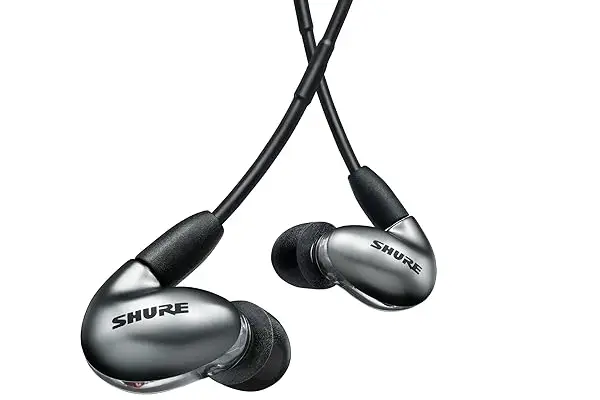
The Shure SE846 represents what happens when a legendary audio company applies decades of engineering expertise to create an uncompromising vocal monitor. After performing with these for over six months across various venues—from intimate jazz clubs to outdoor festivals—I can confidently say they’ve earned their reputation as a professional standard. The quad high-definition MicroDriver configuration delivers extraordinary detail across the entire frequency spectrum, but what really impressed me was how naturally they render vocal frequencies without the artificial brightness or boxiness I’ve heard in other high-end IEMs.
What sets the SE846 apart is Shure’s innovative low-pass filter system, which allows you to customize the bass response using interchangeable nozzle inserts. I initially started with the balanced filter during rehearsals, then switched to the warmer option for live performances where I wanted more body in my lower register without sacrificing clarity in the mids. This adjustability means you’re not locked into one sonic signature, which becomes incredibly valuable as you work across different musical styles or venues. The Sound Isolating design blocks up to 37dB of ambient noise, creating an almost eerie silence before the music starts—though this level of isolation requires developing trust in your monitoring mix since you’ll barely hear the natural room sound.
The build quality feels bulletproof, with precisely machined metal housings that have survived more than a few accidental drops during quick changeovers. The detachable MMCX cables are both a blessing and a learning curve; they allow easy cable replacement if damaged, but I did experience a few disconnections early on until I learned the proper connection technique. Comfort-wise, the slightly larger housings took about a week of regular use before they felt completely natural, but the extensive selection of included ear tips (foam, silicone, and various sizes) ensures you’ll find a secure, comfortable fit. For singers who want reference-grade monitoring and don’t mind the investment, these deliver professional results that simply aren’t available at lower price points.
Pros:
- Exceptional vocal clarity with natural, uncolored frequency response
- Customizable bass response through interchangeable filter system
- Professional-grade isolation perfect for high-volume stages
- Outstanding build quality with replaceable cables
- Extensive tip selection ensures optimal fit and seal
Cons:
- Premium pricing puts them out of reach for many performers
- Larger housings may not fit smaller ear canals comfortably
- MMCX connectors require care during cable attachment
- Extreme isolation can feel disconnected from audience without ambient mic
Westone Audio UM Pro 30: The Touring Musician’s Reliable Workhorse
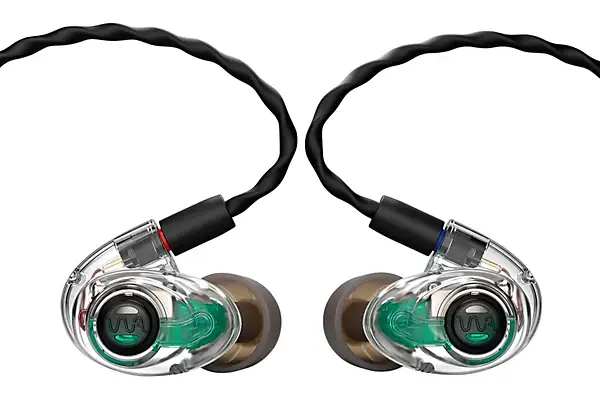
I’ve watched countless musicians pull out Westone UM Pro 30s at soundcheck, and after touring with a pair myself, I completely understand their widespread adoption among working professionals. These triple-driver IEMs strike an exceptional balance between detailed monitoring and musical enjoyment—something that matters enormously when you’re wearing them for hours during long festival days or multi-set club gigs.
The ergonomic, low-profile design is where Westone really demonstrates their understanding of real-world performance demands. Unlike some competitors that protrude awkwardly from your ears, the UM Pro 30s nestle comfortably and securely, practically disappearing once you’ve got them properly seated. I’ve done full-energy performances with jumping, headbanging, and rapid movements without ever worrying about them coming loose—a crucial consideration for active performers that often gets overlooked in studio-focused reviews.
Pros:
- Exceptionally comfortable low-profile design for active performances
- Well-balanced sound signature that flatters vocal monitoring
- Impressive build quality with durable braided cables
- Excellent isolation without complete disconnection from stage
- Strong value proposition for professional-level performance
Cons:
- Mid-range treble can sound slightly rolled off compared to brighter monitors
- Cable exhibits minor microphonic noise with movement
- Included case is adequate but not as protective as premium competitors
- Limited bass response compared to quad-driver alternatives
Sennheiser IE 400 Pro: Precision German Engineering for Detail-Oriented Vocalists
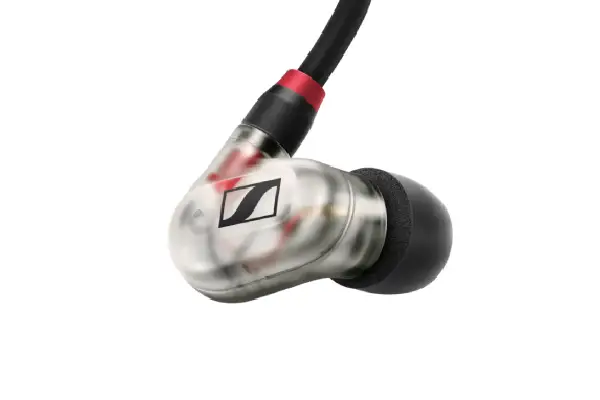
When Sennheiser redesigned their professional IEM lineup, they clearly listened to feedback from serious vocalists who prioritize accuracy above everything else. The IE 400 Pro delivers brutally honest monitoring with a neutral frequency response that reveals every nuance of your performance—which can be both illuminating and occasionally humbling when you hear exactly what’s happening with your pitch and tone.
The single 7mm dynamic driver design might seem modest compared to multi-driver competitors, but Sennheiser’s TrueResponse technology delivers surprisingly coherent sound across the entire frequency range. This makes them exceptional for complex harmonies, intricate runs, or any situation where you need to blend perfectly with other vocalists. The soundstage feels more intimate than some competitors, which I found advantageous for focusing on my own vocal performance rather than getting lost in the overall mix.
Build quality reflects Sennheiser’s professional pedigree, with robust housings that feel designed for years of touring abuse. One aspect that required adjustment was the relatively modest noise isolation compared to monitors with deeper insertion depths—you’ll still hear stage volume and audience noise at moderate levels, which some singers prefer for maintaining connection with the performance environment. If you’re looking for similar detailed monitoring across different audio applications, exploring options at compare headphone can help you find the right tool for each situation.
Pros:
- Reference-accurate frequency response for honest vocal monitoring
- Exceptional detail retrieval reveals subtle performance nuances
- Reliable build quality with secure detachable cables
- Moderate isolation maintains some environmental awareness
- Comfortable ergonomic shape for extended wear
Cons:
- Unforgiving accuracy can be challenging for developing vocalists
- Less dramatic isolation than deep-insertion competitors
- Bass response is accurate but not particularly impactful
- Higher impedance may benefit from dedicated amplification
Fender FXA7: The Colorful Option That Brings Joy to Monitoring
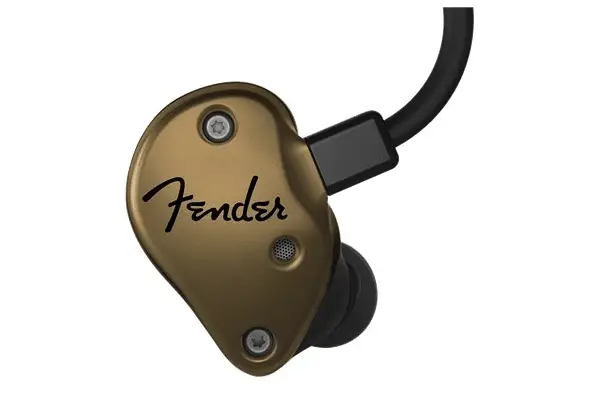
Sometimes you want monitoring that’s technically excellent but also genuinely fun to perform with, and that’s exactly what Fender delivers with the FXA7. These seven-driver IEMs bring the same warm, musical character that Fender’s amplifiers are famous for, creating a monitoring experience that’s both accurate enough for professional use and enjoyable enough to make you excited about slipping them in before a performance. I found myself smiling during the first soundcheck with these—they have this quality of making everything sound slightly better than reality without crossing into inaccuracy, which can be tremendously confidence-building when you’re about to perform.
The driver configuration includes a dedicated tweeter, dual super-tweeters, dual mid-range drivers, and dual bass drivers, creating a sophisticated three-way crossover design that handles complex musical material with impressive coherence. Vocals sit forward in the mix with excellent clarity and presence, but there’s also satisfying depth and extension at both frequency extremes. I particularly appreciated how these handled dense arrangements during festival performances with multiple backing vocalists and full bands—everything remained distinct and easy to identify without sounding analytical or sterile. The slightly enhanced bass response adds welcome warmth without muddying the critical midrange where vocal fundamentals live.
Fender clearly paid attention to the complete user experience, including a genuinely protective hard case and multiple ear tip options that help you dial in the perfect seal. The translucent housings look distinctive on stage (I went with the smoke color, though several eye-catching options are available), and the build quality feels substantial without being heavy. The detachable cables use a two-pin system that’s become increasingly standard at this level. If you’re building out your performance rig and want to explore other gear that combines quality with personality, the selection at instruments offers similarly well-crafted options.
Pros:
- Musical, engaging sound signature that enhances performance confidence
- Sophisticated seven-driver design handles complex mixes beautifully
- Comfortable fit suitable for extended performances
- Distinctive aesthetic with multiple color options
- Excellent accessory package with protective case
Cons:
- Warm sound signature may not suit vocalists preferring analytical monitoring
- Larger housings may challenge smaller ear anatomy
- Premium pricing competes with established reference standards
- Enhanced bass might overwhelm some vocal-focused monitoring situations
KZ ZSN Pro X: The Budget Champion That Punches Wildly Above Its Weight
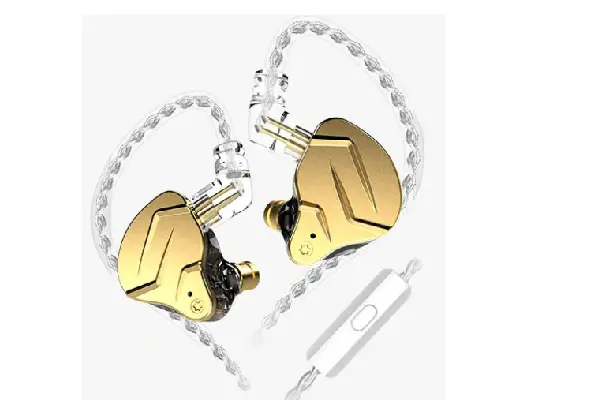
The KZ ZSN Pro X based on recommendations from other budget-conscious musicians—how could something costing less than a decent meal deliver legitimate performance monitoring? After using these as my backup IEMs for over a year and occasionally choosing them over far more expensive options, I’ve become a genuine believer in what KZ has achieved at this price point. These hybrid IEMs combine a single balanced armature driver with a 10mm dynamic driver, creating a sound that’s surprisingly detailed and engaging for singers who need functional monitoring without premium investment.
The balanced armature handles upper frequencies and vocal clarity remarkably well, delivering enough detail to stay perfectly in tune and catch pitch issues before they become problems. The dynamic driver provides satisfying bass response that helps you feel the groove and stay locked with your rhythm section—something purely balanced armature designs at this price often struggle with. The sound isn’t as refined or cohesive as professional-grade monitors, and you’ll notice some slight harshness in the upper treble under critical listening, but for practical stage monitoring they deliver exactly what working singers need.
Build quality obviously reflects the aggressive pricing, with plastic housings that feel functional rather than premium, but mine have survived countless tosses into gig bags and gear cases with only minor cosmetic wear. The non-detachable cable is the most significant limitation—when it eventually fails, you’re replacing the entire unit rather than just swapping cables. That said, at this price point, simply buying a backup pair costs less than replacement cables for high-end alternatives. For emerging performers building their first monitoring setup or experienced singers wanting reliable backup IEMs, these represent extraordinary value. Anyone exploring broader options for personal listening beyond stage use should check out compare earbuds for comprehensive comparisons across different categories.
Pros:
- Exceptional value with hybrid driver design at budget pricing
- Surprisingly detailed vocal monitoring for price point
- Lightweight, comfortable design for extended wear
- Multiple color options add personality
- Low investment risk for experimental use or backup purposes
Cons:
- Non-detachable cable limits longevity
- Plastic construction feels less premium than competitors
- Upper treble can sound slightly harsh with certain mixes
- Limited noise isolation compared to professional designs
- Included ear tips may require upgrading for optimal fit
Understanding In-Ear Monitor Selection for Vocal Performance
Choosing the right in-ear monitors for your specific vocal needs involves more factors than simply reading specification sheets or following popular recommendations. Throughout my experience testing and performing with various IEMs, I’ve learned that the “best” monitor is deeply personal and situation-dependent. A soprano working with classical ensembles needs dramatically different characteristics than a metal vocalist competing with high stage volumes, and a worship leader performing in reflective acoustic spaces faces unique challenges compared to a touring rock singer.
One crucial consideration that many singers overlook initially is the relationship between isolation and awareness. Heavy isolation protects your hearing and creates pristine monitoring conditions, but it can also create a disconnected feeling that affects stage presence and audience interaction. I’ve found myself adjusting my IEM choice based on venue and performance type—using maximum isolation for loud rock shows but opting for more moderate isolation during acoustic performances where I want to hear natural room ambience. Similarly, frequency response preferences vary based on your voice type and monitoring philosophy; some vocalists prefer brutally accurate reproduction that reveals every flaw, while others benefit from slightly flattering sound that builds confidence during performance.
The investment in quality IEMs pays dividends beyond just better sound—you’re protecting your hearing from the cumulative damage of loud stage volumes, reducing vocal strain from trying to hear yourself over monitors, and creating consistency across different venues and sound systems. I’ve watched my own performances improve measurably since committing to proper in-ear monitoring, with better pitch accuracy, more relaxed vocal production, and greater confidence on stage. For singers exploring the complete picture of music creation and performance, resources like songs offer insights into how monitoring choices connect to overall musical expression.
Frequently Asked Questions
How much isolation do I actually need in my in-ear monitors as a singer?
The ideal isolation level depends entirely on your performance environment and personal preferences. High-isolation IEMs (blocking 25-37dB) work beautifully for loud rock, metal, or electronic performances where stage volume is extreme and you need complete separation from backline amplifiers. However, this much isolation can feel disconnected during acoustic performances, small venues, or situations where you want natural audience interaction. I typically recommend starting with moderate isolation (15-25dB) for most singers, which protects your hearing while maintaining some environmental awareness. Many professional vocalists actually request an ambient microphone in their monitor mix when using heavy-isolation IEMs, specifically to recapture that connection with the room and audience that complete isolation removes.
Should I choose custom-molded IEMs or stick with universal-fit models?
Universal-fit IEMs with proper ear tips provide excellent performance for the vast majority of singers, and every monitor I’ve recommended here falls into this category because they offer tremendous flexibility and value. Custom-molded IEMs, created from impressions of your specific ear canals, deliver unmatched comfort and isolation but require significantly higher investment (typically starting around $800-1000) and can’t be shared with other performers or easily sold if your needs change. I recommend starting with high-quality universal IEMs and only considering customs after you’ve performed enough to understand exactly what sonic characteristics and isolation levels work for your voice and performance style. The exception would be touring professionals who perform nightly—for them, the comfort and consistency advantages of customs often justify the premium.
Can I use regular consumer earbuds instead of dedicated IEMs for performing?
While modern consumer earbuds have improved dramatically, they’re fundamentally designed for casual listening rather than critical monitoring in challenging acoustic environments. The isolation is typically inadequate for stage use, allowing excessive bleed from monitors and backline that defeats the purpose of in-ear monitoring. More critically, consumer earbuds usually emphasize bass response and exciting sound signatures that work great for enjoying recorded music but provide inaccurate monitoring that makes it harder to stay in tune and blend with other vocalists.
How should I approach mixing my in-ear monitor feed as a vocalist?
Creating an effective monitor mix is genuinely an art that develops with experience, but I can share the approach that works consistently for most vocalists. Start with your own voice clearly present but not overwhelming—around 60-70% of your perceived volume. Add just enough lead instrument or track (guitar, keys, or backing track) to stay oriented harmonically, then bring in minimal drums, focusing primarily on kick and snare to maintain timing. Keep bass guitar subtle unless you specifically need it for pitch reference. The tendency most singers have initially is creating overly dense mixes that replicate the full band sound, but this actually makes it harder to focus on your own performance.
Do more expensive in-ear monitors actually make me sound better as a vocalist?
Better monitoring absolutely improves performance, but there’s a point of diminishing returns that varies by individual skill level and performance demands. Moving from inadequate monitoring (poor earbuds or struggling to hear yourself over wedges) to quality IEMs in the $100-300 range typically creates the most dramatic improvement in vocal performance—suddenly you can hear yourself clearly, stay in tune effortlessly, and focus on expression rather than basic pitch. Upgrading from good IEMs to exceptional ones (like the $1000+ range) provides increasingly subtle refinements in detail, comfort, and sonic accuracy that professional vocalists genuinely benefit from but developing singers may not fully utilize.