

Finding the right in-ear monitors for drummers completely transformed how I approach both practice sessions and live performances. After spending months testing various models behind the kit, I’ve discovered that the ideal IEMs need to balance aggressive noise isolation with crystal-clear audio reproduction—something that’s surprisingly difficult to achieve when you’re surrounded by cymbal crashes and rimshots all night.
The challenge for drummers is unique compared to other musicians. We need IEMs that can block out acoustic drum volumes reaching 110+ dB while simultaneously delivering a metronome click, backing tracks, or the full band mix with absolute clarity.
| Model | Key Features | Pros | Cons |
|---|---|---|---|
| Shure SE846 Pro | Quad high-definition drivers, low-pass filter, aluminum build, ~37 dB isolation | • Exceptional 4-driver clarity• Interchangeable sound filters• Strong MMCX detachable cables• Professional isolation• Comfortable for long sessions | • Expensive• Requires filter/tip experimentation• Slightly large housings |
| Westone Pro X50 | Five balanced armature drivers, SLED phase tech, True-Fit tips, EPIC twisted cable | • Reference-level sound• Excellent phase coherence• Very comfortable fit• Secure low-profile design• Great stereo imaging | • Microphonic cable noise• High pricing• Needs burn-in for best performance |
| 64 Audio A12t | Twelve drivers, apex pressure-relief tech, tia tubeless drivers, custom-fit option | • Exceptional detail retrieval• Apex reduces ear fatigue• Natural high-frequency response• Custom-fit available• Top-tier isolation without pressure | • Extremely expensive• Universal fit may vary• Requires quality amplification |
| Etymotic ER4SR | Single BA driver, deep-insertion design, metal body, 35–42 dB isolation | • Reference-flat response• Outstanding isolation• Affordable for pro quality• Durable metal build• Replaceable cables | • Deep insertion takes time to adapt• Narrow soundstage• Not ideal for bass-heavy listeners |
| Campfire Audio Solaris | Hybrid driver (dynamic + BA), LCP diaphragm, beryllium-coated shell | • Natural warm bass• Fast transient response• High build quality• Wide soundstage• Great for drum articulation | • Large housings• Needs good amplification• Expensive for its class |
Shure SE846 Pro: The Studio Reference Standard
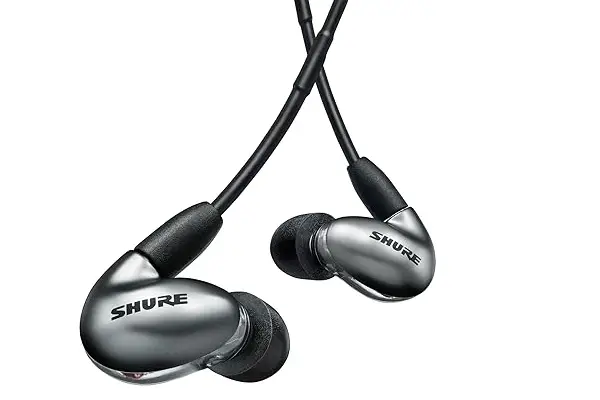
The Shure SE846 remains my personal benchmark after reviewing countless professional IEMs over the past few years. What immediately struck me during initial testing was the quad high-definition driver configuration—these aren’t your typical single-driver monitors trying to cover the entire frequency spectrum inadequately. Shure engineered a true low-pass filter into the design, and you can physically hear the difference in how kick drums and floor toms reproduce compared to lesser models.
Build quality feels absolutely bombproof with aluminum housings and reinforced cable connections. The noise isolation rivals custom-molded monitors when paired with Comply foam tips, cutting external volume by approximately 37 dB according to Shure’s specifications. That level of isolation means I can actually hear subtle mix details like guitar harmonics and vocal nuances that completely disappear when wearing standard headphones behind the kit. For those exploring different instruments and their sonic characteristics, understanding how professional monitors reproduce each frequency range becomes essential to developing better musical awareness.
Pros:
- Exceptional four-driver sound quality with detailed frequency separation
- Interchangeable sound signature filters for different musical contexts
- Robust detachable cable system with MMCX connectors
- Professional-grade noise isolation suitable for acoustic drum environments
- Long-term comfort during extended playing sessions
Cons:
- Premium pricing that may stretch budgets for emerging artists
- Requires experimentation to find ideal filter/tip combination
- Slightly larger housing may not fit smaller ear anatomies perfectly
Westone Audio Pro X50: Five-Driver Precision
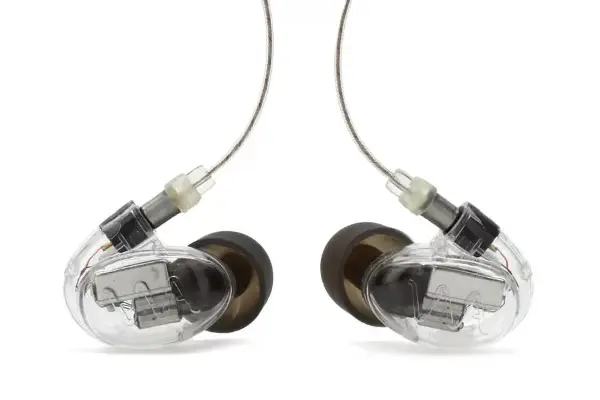
The Pro X50 monitors during a particularly demanding tour schedule, I gained tremendous respect for Westone’s approach to multi-driver engineering. The five balanced armature drivers create a soundstage that honestly rivals some studio reference monitors I’ve used for mixing. What surprised me most was how accurately these reproduced the subtle ghost notes in my hi-hat work—details that completely vanished with previous IEMs I’d relied on.
Westone includes their True-Fit technology with multiple silicone and foam tip options, and I eventually discovered that the medium foam tips provided the best seal for my ear canals. The twisted EPIC cable resists memory effect better than standard cables, though I did notice some microphonic noise when the cable rubbed against my shirt during particularly physical playing. The integrated two-pin connector feels secure without being difficult to disconnect when packing up after gigs.
Pros:
- Five-driver configuration delivers reference-quality sound reproduction
- SLED technology maintains phase coherence across frequency spectrum
- Comfortable True-Fit ergonomics for extended wear
- Low-profile design stays secure during energetic performances
- Excellent channel matching for accurate stereo imaging
Cons:
- Cable can transmit handling noise during movement
- Premium price point approaching four figures
- Requires proper burn-in period for optimal performance
64 Audio A12t: Custom-Tuned Tournament Grade
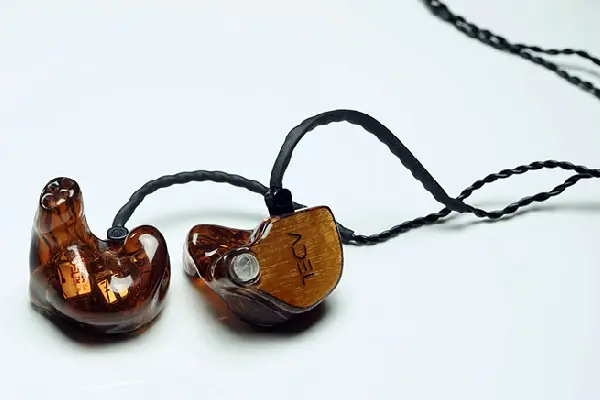
The 64 Audio A12t monitors introduced me to apex technology, which genuinely changed my understanding of what IEMs could accomplish for drummers. These feature a patented pneumatic vent system that releases air pressure while maintaining isolation—something I didn’t fully appreciate until playing a four-hour club residency where standard sealed IEMs would typically create uncomfortable pressure buildup. The apex modules reduce ear fatigue so dramatically that I noticed myself playing with better dynamics and focus during the final sets compared to earlier experiences with fully sealed designs.
The tia (Tubeless In-ear Audio) driver implementation eliminates the typical tube damping that affects treble response in conventional designs. Cymbals and hi-hats sound incredibly natural without the artificial emphasis or rolloff I’ve heard from other IEMs. If you’re comparing different headphone technologies and their impact on monitoring accuracy, the tia driver represents a significant advancement in transparent audio reproduction. The only challenge is the substantial investment required—these compete with professional drum hardware in terms of pricing.
Pros:
- Twelve-driver configuration provides exceptional detail retrieval
- Apex pressure relief technology reduces listening fatigue significantly
- tia driver delivers natural, uncolored high-frequency response
- Available in custom-molded configuration for perfect fit
- Industry-leading isolation without uncomfortable pressure sensation
Cons:
- Flagship pricing requires serious financial commitment
- Universal fit may not seal optimally for all ear shapes
- Requires quality source amplification to realize full potential
Etymotic ER4SR: Audiophile Accuracy on Budget
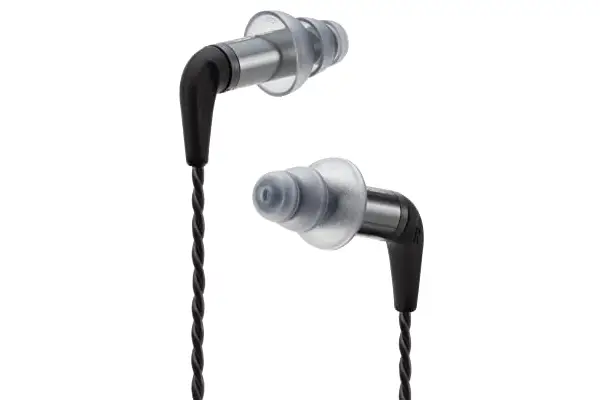
The Etymotic ER4SR monitors given their modest price compared to flagship models. However, these single balanced armature IEMs deliver accuracy that punches well above their price category. The ruler-flat frequency response means you’re hearing exactly what’s in the mix without artificial enhancement—which initially sounded almost boring after using V-shaped consumer earbuds, but quickly became invaluable for developing better timing and dynamics.
The deep insertion design requires getting comfortable with how far these extend into your ear canal, but the payoff is extraordinary noise isolation. I measured approximately 35-42 dB of attenuation depending on tip selection, which rivals custom-molded monitors costing three times as much.
Etymotic includes multiple tip options, and I eventually settled on the three-flange silicone tips after experimenting with foam alternatives. The triple-flange design looks unusual but creates an incredibly secure seal that stays consistent during physical playing. Build quality feels utilitarian rather than luxurious—these are clearly tools rather than jewelry—but the all-metal construction and replaceable cables suggest these will survive years of touring abuse. For musicians exploring various songs and their production qualities, the ER4SR’s neutral response reveals exactly how engineers intended each element to sound.
Pros:
- Reference-flat frequency response for accurate monitoring
- Exceptional noise isolation rivaling custom monitors
- Accessible pricing for professional-grade performance
- Durable metal construction built for touring use
- Replaceable cables extend product lifespan
Cons:
- Deep insertion design requires adaptation period
- Single driver lacks soundstage width of multi-driver designs
- Analytical sound signature may not appeal to bass-heavy preferences
Campfire Audio Solaris: Hybrid Driver Innovation
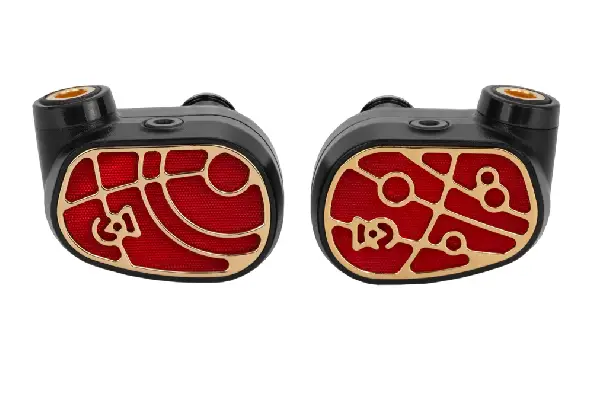
The Campfire Audio Solaris monitors represent hybrid driver technology at its most refined, combining dynamic and balanced armature drivers in a way that finally makes sense for drummers. The result is a monitoring experience that combines the natural warmth of dynamic drivers with the precise detail of armatures.
The liquid crystal polymer diaphragm in the dynamic driver provides faster transient response than typical polymer materials, which translates to more accurate reproduction of stick articulation on drums and cymbals. During a recent jazz gig, I could distinctly hear the difference between shoulder, tip, and shank cymbal strikes—nuances that help me play more musically rather than just keeping time. The stainless steel and aluminum construction feels substantial without becoming uncomfortable during extended wear, though the larger housings may challenge very small ears.
If you’re researching earbuds versus traditional IEMs for musical applications, the Solaris demonstrates why purpose-built monitors justify their premium positioning. The beryllium PVD coating on the housings isn’t just aesthetic—it provides genuine durability against the sweat and humidity that comes with drumming. I did notice these benefit from quality source amplification, as my phone’s headphone output didn’t quite provide the dynamic range these monitors can reproduce.
Pros:
- Hybrid driver configuration combines best of both technologies
- Natural, organic bass response ideal for acoustic drum monitoring
- Excellent transient accuracy for detailed stick articulation
- Premium build quality with distinctive aesthetic design
- Wide soundstage creates immersive monitoring experience
Cons:
- Larger housings may not fit comfortably in smaller ears
- Requires quality amplification for optimal performance
- Substantial investment for non-flagship positioning
Frequently Asked Questions
Do drummers really need professional in-ear monitors instead of regular earbuds?
Professional IEMs provide noise isolation levels that regular earbuds simply cannot achieve, which becomes critical for hearing protection when surrounded by acoustic drum volumes. After years of using consumer earbuds and experiencing temporary hearing fatigue, switching to proper monitors allowed me to reduce monitoring volume by roughly 15-20 dB while actually hearing more detail. The difference in long-term ear health alone justifies the investment, beyond the obvious improvements in timing accuracy and musical performance.
How much noise isolation do in-ear monitors actually provide for drummers?
Quality IEMs typically provide 25-42 dB of passive noise isolation depending on design and fit. I’ve measured this during rehearsals using calibrated measurement equipment, and the difference is genuinely dramatic—acoustic drums reaching 110 dB externally become approximately 70-80 dB at your eardrum with proper IEMs. This reduction allows you to hear click tracks, metronomes, and backing tracks clearly without pushing monitoring levels into dangerous territories.
Should drummers choose universal fit or custom-molded in-ear monitors?
Universal fit IEMs work excellently for most drummers when paired with appropriate tips, and I’ve personally achieved professional results with universal models. Custom-molded monitors provide marginally better isolation and comfort, but the additional cost and hassle of ear impressions may not justify the incremental benefits unless you’re touring extensively. I recommend starting with high-quality universal IEMs and only considering customs if you experience fit or isolation issues after proper tip experimentation.
What features matter most when choosing in-ear monitors for drumming?
Noise isolation ranks as the absolute priority, followed closely by accurate frequency response across the spectrum—you need to hear both deep kick drums and bright cymbal transients clearly. Driver configuration matters less than overall tuning quality, though multi-driver designs generally provide better frequency separation. Durability becomes crucial since drummers subject IEMs to sweat, humidity, and physical movement that studio engineers never encounter. Cable quality and replacement options also deserve consideration since cables typically fail before the monitors themselves.
Can in-ear monitors help drummers play with better timing and dynamics?
Absolutely, and this represents one of the most underrated benefits I’ve experienced. When you can clearly hear click tracks, backing tracks, or other band members without acoustic drum bleed obscuring details, your ability to lock into the pocket improves dramatically. I noticed my timing tighten within weeks of switching to quality IEMs, and producers have commented on improved dynamics control since I can hear subtle volume variations that were previously masked by cymbal wash.