

The relationship between headphones and amplifiers is often misunderstood—it’s not just about volume, but about unlocking the full potential of your drivers, revealing nuances in your favorite tracks that standard consumer setups simply can’t deliver. Whether you’re mixing tracks late at night, critically listening to your vinyl collection, or simply want to experience music the way artists intended, the right amplifier-ready headphones make all the difference.
The headphones I’m sharing here represent countless hours of listening sessions across multiple genres, from delicate acoustic recordings to dense electronic productions. I’ve paired each of these with different amplifier configurations to understand how they respond to proper power delivery, and I can confidently say that investing in amplifier-ready headphones has been one of the most rewarding decisions in my audio journey.
| Headphones | Key Strengths | Main Limitations | Best For |
|---|---|---|---|
| Sennheiser HD 800 S | Legendary open-back soundstage with holographic imaging; reference-level neutrality for mixing and mastering; premium German engineering with replaceable parts; scales superbly with powerful amps; surprisingly comfortable for long sessions | Expensive; demands quality amplification; not suitable for noisy environments; can sound analytical for casual use | Professional mastering engineers, reference-grade mixing, and audiophiles seeking ultimate transparency |
| Audeze LCD-X | Planar magnetic authority with incredible bass texture and transient response; warm yet detailed mids ideal for rock & electronic; luxurious materials and modern comfort design; exceptional mix translation | Very heavy (612 g); requires high-current amplification; high cost; bulky and non-portable | Producers, mix engineers, and audiophiles who want visceral planar performance and realism |
| Beyerdynamic DT 990 Pro | Outstanding value and reliability; clear treble for detailed editing; strong build with German durability; wide, airy soundstage; plush velour pads for comfort | Bright treble may cause fatigue; fixed cable; open-back limits use in noisy environments | Budget-conscious mixers, editors, and creators seeking professional-grade performance |
| Focal Clear MG | Magnesium drivers deliver balanced, transparent sound; equally enjoyable for critical listening and pleasure; premium metal build and comfort; easy to drive yet scales well with amps | Pricey; open-back limits use; replacement pads costly; slightly smoother than ultra-analytical options | Audiophiles and engineers seeking high fidelity with musical warmth and comfort |
| HiFiMAN Arya Stealth | Massive soundstage with stealth magnet transparency; refined planar speed and detail; comfortable lightweight design; improved build quality over older HiFiMANs | Premium cost; benefits from high-quality amplification; open-back leaks sound; less efficient than dynamics | Professionals and enthusiasts craving planar clarity, spatial realism, and fatigue-free critical listening |
Sennheiser HD 800 S: The Reference Standard

The HD 800 S features an impedance of 300 ohms, which means they absolutely demand a quality amplifier to perform at their best. I’ve tested these with underpowered sources, and the difference is night and day without proper amplification, they sound veiled and lack the dynamic punch that makes them special. With adequate power, though, the soundstage becomes almost supernatural in its width and depth. The build quality reflects German engineering at its finest—metal reinforcements, replaceable cables, and a headband design that distributes weight beautifully across extended listening sessions.
For mixing and mastering work, these headphones have become indispensable in my workflow. The frequency response is honest without being clinical, revealing production flaws without exaggerating them. But for pure listening pleasure and analytical work, they represent a benchmark that few competitors can match.
Pros:
- Exceptional soundstage with precise imaging
- Neutral frequency response ideal for critical listening
- Premium build quality with replaceable components
- Scales beautifully with high-quality amplification
- Comfortable for extended wear despite substantial build
Cons:
- Significant investment required
- Open-back design limits usage scenarios
- Requires powerful amplifier to reach potential
- May sound too analytical for casual listening preferences
Audeze LCD-X: Planar Magnetic Powerhouse
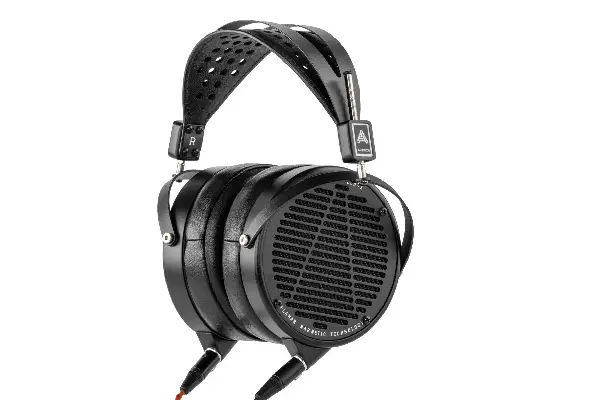
The Audeze LCD-X represents my introduction to planar magnetic technology, and the experience fundamentally changed my understanding of headphone reproduction capabilities. After reviewing these with both solid-state and tube amplifiers over several months, I’ve developed a deep appreciation for how planar drivers handle transient response differently than traditional dynamic drivers. The LCD-X delivers bass with a texture and control that I’ve rarely experienced in headphone listening—kick drums have actual weight and decay, bass guitars reveal individual string vibrations, and electronic sub-bass extends cleanly without bloat.
These headphones carry a 20-ohm impedance but demand significant current delivery due to their planar magnetic driver design. The frequency response leans slightly warm in the mids, which I’ve found particularly flattering for rock and electronic music where you want emotional engagement alongside technical accuracy.
Build-wise, the LCD-X feels substantial in ways both positive and challenging. The wood earcups and metal construction exude quality, but at 612 grams, these aren’t headphones you forget you’re wearing. I’ve adapted to the weight during longer sessions, and the comfort improves significantly with the newer suspension headband design. For studio work, I appreciate how these translate to larger monitoring systems—mix decisions I make on the LCD-X consistently transfer well to speakers. If you’re exploring different types of instruments for recording, these headphones will reveal every detail of your captures with remarkable honesty.
Pros:
- Outstanding bass quality and extension
- Planar magnetic technology offers unique transient response
- Excellent for bass-heavy genres and electronic music
- Durable construction with premium materials
- Improved comfort with newer headband design
Cons:
- Heavy weight can cause fatigue during extended use
- Requires amplifier with strong current delivery
- Premium pricing reflects planar technology
- Less portable than lighter alternatives
Beyerdynamic DT 990 Pro: The Studio Workhorse

Sometimes the most rewarding discoveries come from equipment that doesn’t demand your entire budget, and the Beyerdynamic DT 990 Pro perfectly exemplifies this principle. I’ve used these 250-ohm headphones across countless projects, and they’ve earned permanent placement in my studio through sheer reliability and performance consistency. The first thing I noticed when comparing these to more expensive alternatives was how little I felt I was compromising—the DT 990 Pro delivers a genuinely engaging listening experience that punches well above its price point.
The sound signature carries Beyerdynamic’s characteristic bright treble emphasis, which initially struck me as slightly aggressive but has become something I’ve grown to appreciate for specific applications. When editing acoustic guitar recordings or working with vocal detail, that treble lift helps me identify sibilance issues and high-frequency artifacts that might escape notice on darker-sounding headphones. I’ve found these particularly valuable when comparing different headphones during evaluation sessions—they provide a consistent reference point that helps me understand the character of other models. The bass response stays tight and controlled despite being slightly elevated, giving electronic and hip-hop tracks satisfying weight without overwhelming the midrange.
Build quality reflects German manufacturing standards with metal construction and a coiled cable that’s survived years of studio abuse in my experience. The velour earpads provide excellent comfort during marathon sessions, though they do accumulate dust and require occasional cleaning. At 250 ohms impedance, these definitely benefit from amplification—I’ve tested them with various sources, and while they’ll produce sound from weaker outputs, proper amplification reveals their true dynamics and staging capabilities. For anyone building their first serious listening setup or expanding their headphone collection, the DT 990 Pro offers exceptional value and a sound signature that reveals why Beyerdynamic has maintained their studio presence for decades.
Pros:
- Exceptional value for performance delivered
- Detailed treble response aids mixing and editing
- Durable build withstands professional use
- Comfortable for extended sessions
- Wide soundstage for open-back design
Cons:
- Bright treble may fatigue sensitive listeners
- Non-detachable cable limits replacement options
- Open-back design unsuitable for isolation needs
- Velour pads require maintenance over time
Focal Clear MG: Modern High-Fidelity Excellence

The Focal Clear MG entered my collection after hearing consistent praise from mixing engineers I respect, and these headphones have genuinely impressed me with their ability to combine technical accuracy with musical enjoyment. Focal’s magnesium driver technology delivers a presentation that I’d describe as effortlessly transparent—everything sounds clear and properly positioned without the artificial edginess that some “detail-oriented” headphones exhibit. When exploring new songs for reference material, these headphones make the discovery process genuinely enjoyable rather than clinical.
At 55 ohms impedance, the Clear MG proves more efficient than some competitors here, though they still scale impressively with quality amplification. The build quality feels premium with metal components and comfortable memory foam pads that maintain their shape over time. The detachable cable system uses quality connectors that inspire confidence during frequent swapping.
Pros:
- Balanced sound signature suits diverse genres
- Magnesium drivers offer excellent technical performance
- Comfortable during extended listening sessions
- Efficient enough for various amplifier types
- Premium build quality with thoughtful design
Cons:
- Significant investment though justified by performance
- Open-back design limits usage contexts
- Replacement pads carry premium pricing
- May lack the analytical edge some mixing engineers prefer
HiFiMAN Arya Stealth: Planar Magnetic Refinement
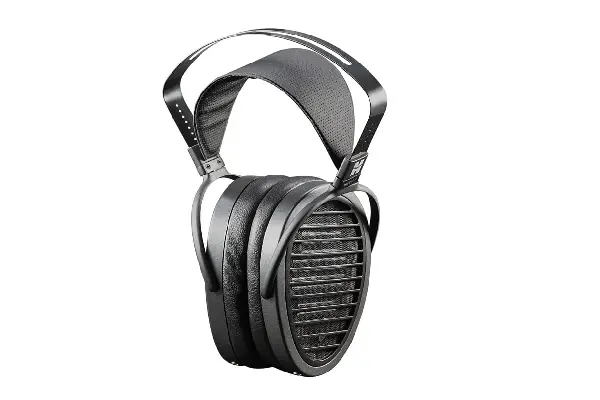
The HiFiMAN Arya Stealth represents the latest evolution in planar magnetic technology that I’ve experienced, incorporating “stealth magnet” design that reduces diffraction and improves transparency. After extensive listening comparing these to previous Arya versions and competing planar designs, The soundstage width initially caught me off guard these create a presentation that extends well beyond your head in ways that recall good speaker systems more than typical headphone listening.
The frequency response maintains remarkable linearity without sounding sterile or lifeless. The bass extends deep with planar driver authority, but unlike some planar designs I’ve tested, the Arya Stealth maintains excellent speed and definition throughout the frequency range. Complex orchestral passages remain intelligible even during demanding crescendos—a test that reveals limitations in lesser headphones.
At around 400 grams, the Arya Stealth achieves remarkable comfort for planar magnetic headphones. HiFiMAN’s headband design distributes weight effectively, and I’ve completed mixing sessions exceeding four hours without significant discomfort. The build quality has improved substantially from earlier HiFiMAN models I’ve owned—everything feels more robust and thoughtfully engineered. These carry relatively low impedance but benefit enormously from amplifiers with strong current delivery capabilities, similar to other planar designs. When comparing various earbuds for portable listening,
Pros:
- Exceptional soundstage and imaging precision
- Stealth magnet technology improves transparency
- Comfortable despite planar magnetic design
- Linear frequency response aids critical listening
- Improved build quality over previous HiFiMAN models
Cons:
- Premium pricing reflects advanced technology
- Requires quality amplification to perform optimally
- Open-back design unsuitable for isolation needs
- Less efficient than traditional dynamic drivers
Frequently Asked Questions
Do I really need an amplifier for high-impedance headphones?
Absolutely, and this is something I learned through direct experience rather than just reading specifications. High-impedance headphones like the Sennheiser HD 800 S or Beyerdynamic DT 990 Pro will technically produce sound from basic outputs, but you’re hearing a fraction of their potential. When I first connected my HD 800 S to a proper amplifier after months of using them with inadequate power, the improvement felt almost like upgrading to entirely different headphones. Proper amplification doesn’t just increase volume—it provides the current and voltage swing necessary for the drivers to move with authority and control, revealing dynamics, detail, and soundstage that remain hidden with insufficient power.
Can I use these headphones for both music production and casual listening?
Most of the headphones I’ve featured here work beautifully for both purposes, though with some considerations. The Sennheiser HD 800 S and Audeze LCD-X lean toward analytical presentations that excel for production work but remain musical enough for enjoyable listening. The Focal Clear MG and HiFiMAN Arya Stealth strike perhaps the best balance—accurate enough for professional applications while maintaining the emotional engagement that makes casual listening sessions genuinely enjoyable. I’ve found myself reaching for the Clear MG most often when I want headphones that transition seamlessly between critical work and relaxation.
What’s the difference between open-back and closed-back designs for amplifier use?
All the headphones featured here use open-back designs, which is something I should explain since it significantly impacts how and where you’ll use them. Open-back headphones allow air and sound to pass through the ear cups, creating more natural soundstage and reducing pressure buildup that can cause listening fatigue. The tradeoff is sound leakage—people nearby will hear what you’re listening to, and outside sounds will reach your ears. For home listening and mixing environments where isolation isn’t critical, open-back designs generally offer superior sound quality. I’ve tried using them in shared spaces and quickly learned that isolation matters more than I initially thought. For situations requiring isolation, you’d want to explore closed-back alternatives instead.
How much should I budget for an amplifier to pair with these headphones?
This question depends heavily on which headphones you’re powering and your performance expectations. For the Beyerdynamic DT 990 Pro, I’ve achieved excellent results with amplifiers in the $100-200 range—something like a Schiit Magni or JDS Labs Atom provides plenty of clean power for their needs. The Sennheiser HD 800 S and Audeze LCD-X benefit from more substantial amplification, and I’ve found that investing $300-500 in amplification reveals meaningful improvements that justify the expense. The planar magnetic models particularly appreciate amplifiers with strong current delivery rather than just voltage swing. I’d recommend budgeting at least a third of your headphone cost for amplification—these headphones deserve proper partnering equipment to justify their price tags.
Will these headphones work with my audio interface’s headphone output?
Many modern audio interfaces include headphone outputs with surprising capability, though performance varies significantly between models. I’ve tested these headphones with several interfaces, and the results depend on the specific interface design. Higher-end interfaces from manufacturers like Universal Audio, RME, or Apogee often provide excellent headphone amplification that works well even with demanding loads. Budget interfaces typically struggle with high-impedance headphones, producing adequate volume but lacking the dynamic control and refinement that dedicated amplifiers deliver. If you’re already using a quality audio interface, I’d recommend testing your headphones with it before assuming you need separate amplification—you might be pleasantly surprised by the