

When it comes to finding the right guitar amplifiers for metal, there’s no substitute for raw power, tight low-end response, and aggressive gain structures that can deliver everything from classic thrash to modern djent. The best metal amplifiers need to handle extreme gain without turning into buzzy mush, maintain clarity across complex chord voicings, and deliver the punishing attack that makes metal music so visceral. Whether you’re tracking in a professional studio or dominating a sweaty club stage, these five amplifiers represent the finest options available for serious metal guitarists who demand uncompromising performance.
| Amplifier | Tone & Performance | Key Features | Main Drawbacks |
|---|---|---|---|
| Peavey 6505+ 112 Combo | Legendary modern-metal gain; crushing saturation with strong clarity; versatile from crunch to extreme high-gain | Three channels, resonance & presence controls, Celestion 12″ speaker, tank-like build, huge headroom | Uninspiring clean channel, heavy combo, stock speaker may need upgrade, overkill for bedroom use |
| EVH 5150 Iconic 40W Head | Classic EVH aggression with improved cleans; tight, compressed high-gain; great sustain and lead feel | Two channels, built-in noise gate, reactive load, cab-sim direct out, recording-friendly design | Limited headroom for big stages, only two channels, cab sim not equal to real cab, needs quality cabinet |
| Orange Rockerverb 100 MKIII Head | Unique British-voiced aggression; thick midrange; musical high-gain with strong mix presence | Four channels, real spring reverb, bedroom/headroom switch, hand-wired build, premium construction | Very expensive, heavy, not for scooped-tone fans, needs good cabinets |
| Mesa Boogie Mark VII Head | Extremely versatile; iconic Mark-series tones from vintage to modern metal; ultra-precise recording tones | Seven voicing modes, CabClone IR, graphic EQ, MIDI switching, pro-grade build | Premium price, complex operation, long learning curve, polished character not for everyone |
| Friedman BE-100 Deluxe Head | Boutique-level tone; three-dimensional high-gain; rare touch sensitivity for a metal amp | Three channels, built-in boosts, HBE mode, premium clean channel, hand-wired internals | Very expensive, highly refined distortion, requires quality speakers, possibly too versatile for purists |
Peavey 6505+ 112 Combo
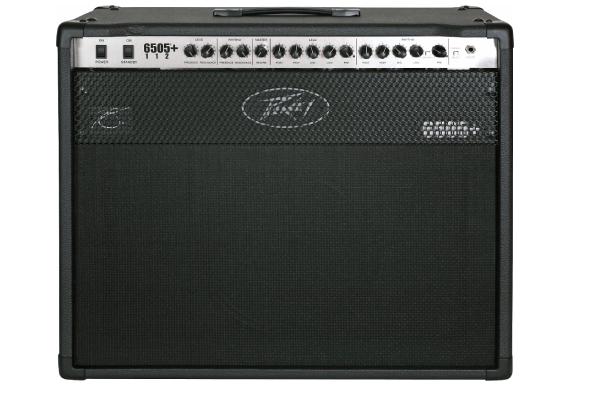
The Peavey 6505+ has become such a staple in metal recording that I’ve genuinely lost count of how many professional albums feature this amplifier’s signature aggression. After extensively reviewing this 60-watt beast, I can confidently say it deserves every bit of its legendary reputation. The 6505+ delivers a three-channel configuration that covers everything from surprisingly usable cleans (though let’s be honest, you’re not buying this for jazz) to absolutely devastating high-gain tones that have defined modern metal production for decades.
What immediately strikes you when firing up the 6505+ is the sheer amount of usable gain on tap—this thing has headroom for days, and even with the gain dipped to noon on the lead channel, you’re getting enough saturation for the heaviest riffing imaginable. The rhythm channel provides a slightly more controlled crunch that works beautifully for classic metal and hard rock, while the lead channel is where this amp truly comes alive for contemporary metal styles. I’ve found the resonance and presence controls to be particularly responsive, allowing you to dial in anything from scooped modern tones to more midrange-focused thrash sounds without needing extensive outboard EQ.
The 12-inch Celestion speaker handles the amp’s considerable output with impressive authority, though I’ll admit that some players prefer re-speakering with an upgraded Celestion or Eminence driver for even tighter low-end response. In mix situations, the 6505+ sits perfectly without needing excessive post-processing—there’s an inherent clarity to the gain structure that keeps even the most complex riffs articulate. If you’re exploring different amplifier options for various applications, you might find insights in our comprehensive instrument guides that cover complementary gear for complete rig building.
Pros:
- Legendary high-gain tone used on countless professional metal recordings
- Three channels provide genuine versatility from clean to crushing
- Exceptional value for professional-grade performance
- Responsive EQ section allows dramatic tonal shaping
- Built like a tank with reliable construction
Cons:
- Clean channel, while functional, isn’t particularly inspiring
- Stock speaker may benefit from upgrading for ultimate performance
- Quite heavy for regular transport (combo configuration)
- Can be overkill for bedroom practice volumes
EVH 5150 Iconic 40W Head
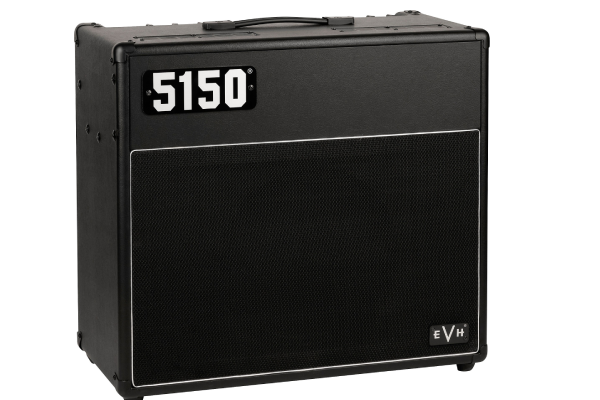
Eddie Van Halen’s influence on high-gain amplifier design cannot be overstated, and the EVH 5150 Iconic represents a modern refinement of that classic formula with contemporary features that working guitarists actually need. This 40-watt head surprised me with how much tonal ground it covers despite its relatively compact footprint—I’ve used it for everything from recording sessions requiring surgical precision to medium-sized venue performances where it held its own without breaking a sweat.
The two-channel design keeps things refreshingly simple: a clean/crunch channel that actually delivers convincing edge-of-breakup tones (a significant improvement over some previous 5150 iterations) and a high-gain channel that absolutely screams with that characteristic EVH aggression. After spending weeks with this amplifier, I discovered that the gain channel has a particular magic in how it compresses—there’s a natural sustain and bloom that makes lead playing feel effortless, while rhythmic chugging maintains the tight, percussive attack that metal demands. The built-in noise gate is genuinely useful rather than feeling like an afterthought, something I appreciated during high-gain sessions where controlling noise becomes critical.
What really sets the 5150 Iconic apart is its recording-friendly feature set, including a built-in reactive load for silent recording and direct outputs with cabinet simulation. I’ve tracked entire projects using nothing but the direct output into my interface, and the results were immediately usable with minimal processing. The two-note cabinet simulation might not replace a carefully mic’d 4×12 cabinet for purists, but it’s remarkably convincing and has saved me countless hours when inspiration strikes at inconvenient times. Speaking of inspiration, sometimes the right gear combined with the perfect soundtrack creates those magical creative moments.
Pros:
- Perfect wattage for studio and small-to-medium venues
- Excellent built-in recording features with reactive load
- Improved clean channel over previous 5150 models
- Integrated noise gate that actually works effectively
- Classic EVH tone with modern conveniences
Cons:
- May lack headroom for very large stages without PA support
- Cabinet simulation, while good, doesn’t replace real speakers
- Limited to two channels (some competitors offer three or four)
- Requires quality cabinets to fully realize potential (head configuration)
Orange Rockerverb 100 MKIII Head
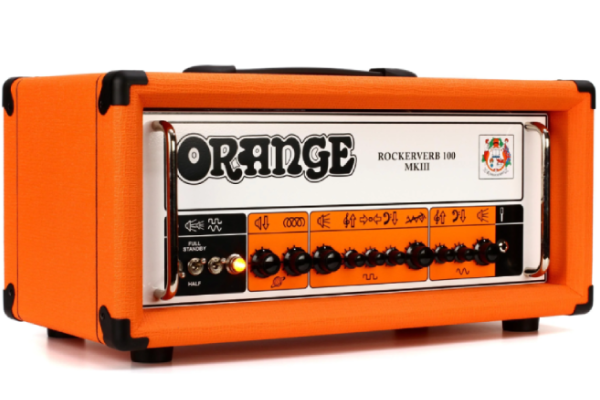
When I first encountered the Orange Rockerverb series, I’ll admit I was skeptical—Orange has traditionally been associated with stoner rock and vintage tones rather than surgical metal precision. After extensively testing the Rockerverb 100 MKIII in various contexts, I’m thoroughly convinced that this amplifier deserves serious consideration from metal players seeking something beyond the usual suspects. This 100-watt tube head delivers a completely different flavor of aggression compared to the typical high-gain metal amp, with a character that’s simultaneously brutal and musical in ways that surprised me.
The four-channel configuration provides exceptional flexibility, with two independent gain channels that can be voiced quite differently from each other. I found myself using the first gain channel for classic metal and hard rock tones, while the second channel, pushed into its upper gain registers, delivered convincingly modern metal sounds with a unique harmonic complexity that stands apart from the Peavey/EVH family tree. The British-voiced character means the midrange has more presence and body than scooped American designs, which actually works beautifully for metal when you want your rhythm parts to dominate a mix without sounding thin.
The spring reverb, while seemingly incongruous on a metal amp, adds beautiful ambience for clean passages and lead tones without the digital artifacts of cheaper reverb implementations. I particularly appreciated the bedroom/headroom switch, which allows the power section to saturate at lower volumes—a feature that home recordists will genuinely value since cranking a 100-watt amp isn’t always practical. The build quality is absolutely exceptional, with the trademark Orange aesthetic and hand-wired construction that feels like a legitimate investment rather than just another piece of gear. For players interested in exploring how different gear influences various musical styles, our audio equipment comparisons might provide additional perspective on sonic characteristics.
Pros:
- Unique British-voiced character distinguishes your tone
- Exceptional build quality with hand-wired construction
- Four channels provide genuine versatility
- Bedroom/headroom switch enables power tube saturation at manageable volumes
- Real spring reverb adds dimension to leads and clean tones
Cons:
- Significantly more expensive than comparable wattage competitors
- Tone may not suit players seeking specifically American scooped sounds
- Heavier than many competing heads
- Requires quality cabinets to showcase full potential
Mesa Boogie Mark VII Head
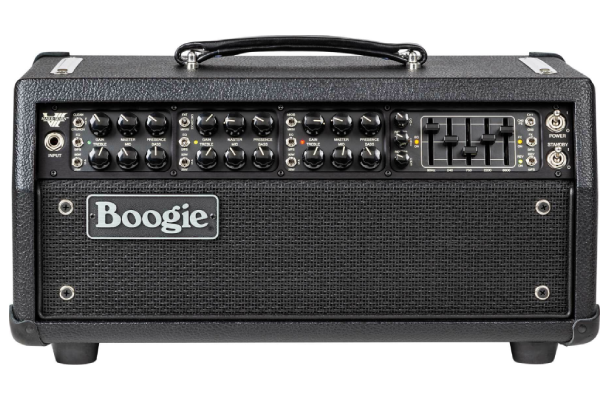
Mesa Boogie has been quietly dominating professional metal recording for decades, and the Mark VII represents the pinnacle of the company’s legendary Mark series evolution. After reviewing this amplifier across multiple projects, I can say without hesitation that it’s among the most sophisticated and versatile high-gain amplifiers ever created. The seven-mode channel configuration might seem overwhelming initially (it certainly did to me), but once you understand the architecture, you realize you’re essentially getting multiple world-class amplifiers in a single chassis.
Each channel offers independent voicing options that dramatically transform the amplifier’s character—from vintage Mark I sounds through the iconic Mark IIC+ tones that defined ’80s metal, all the way to contemporary high-gain voices that handle extended-range guitars with aplomb. I found the Mark VII particularly impressive for recording applications where you might need different gain textures across various song sections. The ability to save and recall different channel configurations via MIDI makes this amplifier genuinely practical for complex live performances where you’re not just switching between clean and dirty but traversing multiple distinct tonal territories.
The built-in CabClone IR cabinet simulation deserves special mention—unlike many built-in solutions that sound obviously digital, Mesa’s implementation is genuinely professional-grade and usable for final recordings. I’ve done entire tracking sessions using nothing but the CabClone output, and the results held up in final mixes alongside traditionally mic’d amplifiers. The graphic EQ, a Mark series staple, provides surgical control over your frequency response, which becomes especially valuable when switching between different guitars or addressing problematic room acoustics. If you’re building a comprehensive recording setup, you might also explore our insights on monitoring solutions that complement professional amplifier recording.
Pros:
- Unparalleled versatility with seven distinct amp voicing modes
- Professional-grade CabClone IR for legitimate recording applications
- Legendary Mark series gain structure with modern refinements
- MIDI implementation for complex live switching scenarios
- Graphic EQ provides precise tonal sculpting
Cons:
- Premium pricing places it beyond many players’ budgets
- Complexity can be overwhelming for players wanting simple operation
- Requires significant time investment to fully explore capabilities
- Some players find the voicing too polished compared to rawer alternatives
Friedman BE-100 Deluxe Head
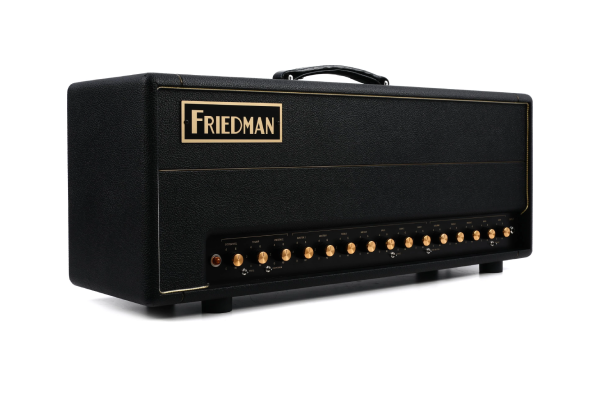
The Friedman BE-100 Deluxe represents boutique amplifier design at its finest, and after spending considerable time with this amplifier in both studio and live contexts, I understand why it’s become the secret weapon for so many professional metal guitarists. Dave Friedman’s reputation for modifying and refining classic Plexi and Peavey designs culminates in this 100-watt head that somehow captures everything great about vintage British amps while delivering thoroughly modern high-gain capabilities that satisfy the most demanding metal players.
The three-channel configuration strikes an ideal balance between versatility and focused design—the clean channel actually sounds premium rather than just adequate (a common failing in metal-focused amps), while the two gain channels provide distinct flavors of aggression that cover everything from classic rock overdrive to annihilating contemporary metal saturation. What distinguishes the BE-100 from competitors is the remarkable touch sensitivity and dynamic response even under extreme gain; I found myself able to clean up simply by backing off guitar volume, something that’s surprisingly rare in high-gain amplifiers where everything tends toward compression city.
The built-in boost function for each channel effectively gives you six distinct tonal options without needing external pedals, and I discovered that the boost added exactly the right amount of saturation and midrange presence for lead tones without completely transforming the channel’s fundamental character. The HBE (Hot British) mode on the gain channels is where this amplifier truly showcases its metal credentials—there’s an authoritative, three-dimensional quality to the distortion that makes even the most intricate riffs sound massive without losing definition. The construction quality is absolutely beyond reproach, with hand-wired internals and premium components throughout that justify the boutique pricing for players who consider their amplifier a long-term investment.
Pros:
- Exceptional touch sensitivity and dynamic response rare in high-gain amps
- Premium clean channel that rivals dedicated clean amplifiers
- Built-in boost function expands tonal options significantly
- Hand-wired construction with top-tier components
- Three-dimensional, articulate high-gain tones
Cons:
- Boutique pricing makes it a significant investment
- May be too versatile (paradoxically) for players wanting single-minded brutality
- Requires quality speakers to fully showcase capabilities
- Some players prefer more aggressive, less refined distortion characteristics
FAQ
What wattage do I need for metal guitar amplifiers?
For bedroom practice and home recording, 20-40 watts provides plenty of volume and tone, particularly with modern master volume designs that allow power tube saturation at manageable levels. Gigging guitarists typically benefit from 50-100 watts for headroom and stage presence, though much depends on venue size and PA support. I’ve found that 100-watt heads provide the most flexibility across all applications, though they require careful volume management in smaller spaces.
Do I need a tube amp for metal or will solid-state work?
While modern solid-state and digital modeling amplifiers have improved dramatically, tube amplifiers still dominate professional metal recording and performance for good reason. The compression characteristics, harmonic complexity, and touch sensitivity of tubes remain unmatched, particularly in how they respond to aggressive playing dynamics. That said, quality solid-state options like certain Randall and Peavey models can deliver convincing results, especially for players prioritizing reliability and consistent performance across varying conditions.
Can these metal amps produce good clean tones?
This varies significantly between models. The Orange Rockerverb and Friedman BE-100 deliver genuinely excellent clean channels that rival dedicated clean amplifiers, while the Peavey 6505+ offers functional but uninspiring cleans. The Mesa Mark VII provides exceptional clean capabilities with proper channel configuration, and the EVH 5150 Iconic has improved clean performance compared to earlier 5150 iterations. If clean tone quality significantly impacts your music, prioritize amplifiers with dedicated clean channels rather than shared EQ designs.
Should I buy a head and cabinet or a combo amplifier?
Combo amplifiers like the Peavey 6505+ 112 offer convenience and integrated design, making them ideal for players who value simplicity and don’t plan to experiment with different speaker configurations. Head and cabinet setups provide more flexibility for tone shaping through speaker choices, easier transport by separating components, and simpler upgrades over time. I generally recommend combos for players with relatively stable needs and heads for those who anticipate evolving their rig or need maximum tonal flexibility.
How important is the speaker choice for metal tone?
Speaker selection dramatically impacts your final tone, often as much as the amplifier itself. Celestion Vintage 30s remain the industry standard for metal, delivering tight low-end and aggressive midrange bite, though G12T-75s and Eminence alternatives offer distinct characteristics worth exploring. I’ve found that even exceptional amplifier heads sound mediocre through poor quality speakers, while great speakers can elevate mid-tier amplifiers significantly. If you’re purchasing a head, budget appropriately for quality cabinet and speakers rather than compromising on this critical component.