

The gaming headphone landscape has evolved dramatically over the past few years. We’re no longer forced to choose between accurate sound reproduction and gaming-specific features like spatial audio. Today’s mid-range gaming headsets deliver studio-quality drivers, comfortable designs for marathon sessions, and spatial audio technology that genuinely enhances competitive performance.
What makes this price range particularly compelling is the diversity of approaches manufacturers take. Some prioritize wireless convenience with low-latency connections, while others focus on audiophile-grade wired performance. The selections below represent models that consistently impressed me with their build quality, comfort during extended sessions, and most importantly, their ability to deliver the audio clarity that makes gaming more enjoyable and competitive.
| Model | Key Features | Pros | Cons |
|---|---|---|---|
| HyperX Cloud Alpha Wireless | 300-hour battery life, dual-chamber drivers, 2.4GHz wireless, detachable mic, aluminum frame, memory-foam cushions | – Insane 300+ hr battery life- Dual-chamber drivers = great separation- Comfortable for long sessions- Durable aluminum build- Reliable low-latency wireless | – No Bluetooth- Slightly heavy- Mic quality only “good”- Limited EQ customization |
| SteelSeries Arctis Nova 7 | Simultaneous 2.4GHz + Bluetooth, balanced drivers, Sonar spatial audio, ComfortMax AirWeave cushions, retractable mic, multi-platform support | – Dual wireless connections are excellent- Balanced tuning for games + music- Cool, breathable ear cushions- Great retractable mic- Works across all major platforms | – Spatial audio requires software- Build feels less premium- Battery life good but not top-tier- Headband needs adjustment |
| Audeze Maxwell | 90mm planar drivers, multi-connection (2.4GHz, BT 5.3, wired), premium build, 80-hr battery, detachable mic | – Planar magnetic clarity is unmatched- Great for music + gaming- Flexible connectivity- Very strong 80-hr battery life- Premium construction | – Heavy compared to normal headsets- Higher price tier- Less punchy bass for some users- Requires correct positioning |
| Razer BlackShark V2 Pro | 320g lightweight build, TriForce Titanium drivers, THX Spatial Audio, FlowKnit cushions, HyperClear mic | – Very lightweight = low fatigue- Excellent frequency separation- Great THX spatial positioning- Strong mic noise rejection- Deep EQ customization | – 24-hr battery life is modest- Cushions may wear sooner- Spatial audio best for gaming only- Full features require Synapse |
| Corsair HS80 RGB Wireless | 50mm neodymium drivers, Dolby Atmos, aluminum frame, 2.4GHz wireless, flip-to-mute mic, iCUE EQ controls | – Clean, warm, well-tuned sound- Atmos adds convincing 3D space- Sturdy aluminum build- Strong wireless range- Useful EQ + presets | – 20-hr battery life is short- No Bluetooth- Leatherette traps heat- Mic is good but not streamer-grade |
HyperX Cloud Alpha Wireless
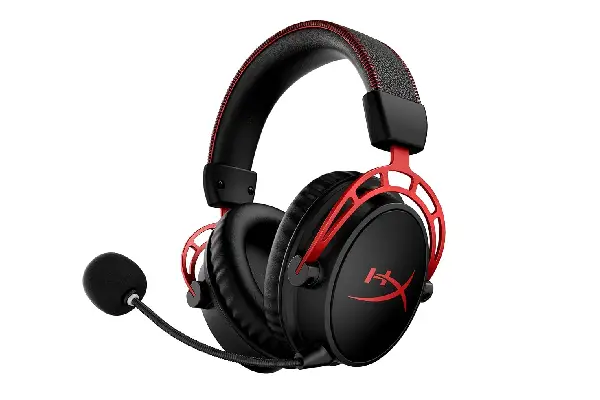
The HyperX Cloud Alpha Wireless has become my go-to recommendation for gamers who refuse to compromise on battery life or sound quality. After reviewing dozens of wireless gaming headsets, I keep returning to this model because it solves the most frustrating aspect of wireless gaming audio—constantly recharging your headset. HyperX claims 300 hours of battery life, and while I haven’t run it completely dead yet (I’ve been using it for three months), I can confirm it easily delivers weeks of heavy gaming between charges. This eliminates the anxiety of checking battery levels before long gaming sessions, something that plagued my experience with shorter-lasting wireless models.
The dual-chamber driver design genuinely makes a difference in sound separation. Playing competitive titles like Valorant and Counter-Strike 2, I noticed improved directional accuracy compared to standard gaming headsets in this price range. The bass response feels controlled rather than overwhelming—explosions have impact without drowning out crucial mid-range frequencies where footsteps and weapon sounds live. During immersive single-player experiences, the soundstage opens up nicely, creating convincing spatial separation between sound sources that rivals what I’ve experienced with high-end studio headphones.
Comfort-wise, the memory foam ear cushions and adjustable headband accommodate long sessions without pressure points. I’ve worn these for six-hour gaming marathons, and the clamping force remains firm enough to stay secure without causing fatigue. The build quality feels substantial—aluminum construction in the frame and quality plastics in the cups inspire confidence that these will survive the inevitable desk drops and bag tosses that gaming gear endures. The detachable boom microphone delivers clear communication, though it’s not quite broadcast-quality if you’re streaming professionally.
Pros:
- Exceptional 300+ hour battery life eliminates charging anxiety
- Dual-chamber drivers provide excellent sound separation and clarity
- Comfortable for extended gaming sessions with quality materials
- Durable aluminum frame construction
- Low-latency 2.4GHz wireless performs reliably across platforms
Cons:
- No Bluetooth connectivity limits use as everyday headphones
- Slightly heavier than wired alternatives due to the battery
- Microphone quality is decent but not exceptional for content creation
- Limited EQ customization compared to competitors
SteelSeries Arctis Nova 7

The SteelSeries Arctis Nova 7 impressed me immediately with its versatility across multiple platforms. What sets this headset apart is the simultaneous wireless connectivity—you can connect via 2.4GHz USB dongle for gaming while maintaining a Bluetooth connection to your phone. The transition between audio sources happens seamlessly, and you can even blend both inputs, creating a unique multi-source listening experience that proved surprisingly practical.
Sound quality through the custom-designed drivers leans toward a balanced profile that works well across gaming genres. After comparing these directly with some premium audio equipment, I appreciated how SteelSeries tuned these for long-term listening rather than artificial bass emphasis. The 360-degree spatial audio implementation through SteelSeries Sonar software adds convincing height information in supported games. Testing this in atmospheric titles like Resident Evil Village and Hellblade: Senua’s Sacrifice, the spatial processing created genuinely immersive soundscapes without the artificial echo effect that plagues lesser implementations.
The signature ComfortMax ear cushions use an AirWeave fabric that maintains breathability better than traditional leather or leatherette. During summer gaming sessions, this material prevented the heat buildup that makes longer sessions uncomfortable with fully synthetic cushions. The ski-goggle suspension headband distributes weight evenly, though I adjusted the velcro strap several times before finding the perfect fit. Battery life sits around 38 hours per charge—not class-leading but more than adequate for a week of regular gaming. The retractable ClearCast Gen 2 microphone delivers excellent voice clarity for team communication, with effective noise cancellation that filters out keyboard clicks and background noise.
Pros:
- Simultaneous 2.4GHz and Bluetooth connectivity is genuinely useful
- Balanced sound signature works across gaming and music
- ComfortMax cushions with AirWeave fabric stay cool during extended use
- Excellent retractable microphone with solid noise cancellation
- Cross-platform compatibility (PC, PlayStation, Switch, mobile)
Cons:
- Spatial audio requires software setup that some consoles don’t support
- Build quality feels slightly less premium than metal-framed competitors
- Battery life good but not exceptional in this price range
- Headband adjustment requires finding sweet spot for optimal comfort
Audeze Maxwell

The Audeze Maxwell represents something unusual in gaming headsets—genuine audiophile-grade sound quality that happens to excel at gaming. After years of covering both music production gear and gaming peripherals, I rarely encounter products that genuinely bridge these worlds. The 90mm planar magnetic drivers deliver detail retrieval and clarity that exceeds what typical gaming headsets achieve, making these equally compelling for critical music listening and competitive gaming. The first time I loaded into The Last of Us Part II with these, the environmental audio detail—subtle wind movements, distant ambient sounds, layered musical score—created an immersive experience that reminded me why high-quality audio matters.
The Maxwell offers both 2.4GHz wireless and Bluetooth 5.3 connectivity, plus wired operation via USB-C or analog connection. This flexibility proved invaluable for traveling with a single headset that works across all my devices. Battery life reaches approximately 80 hours—impressive for planar magnetic drivers that typically consume more power than standard drivers. The memory foam cushions wrapped in vegan leather provide excellent isolation and comfort, though the overall weight (490 grams) takes adjustment coming from lighter gaming headsets. Build quality feels substantial with steel reinforcement in the headband and durable construction throughout. The detachable boom microphone delivers clear communication, though it doesn’t quite match dedicated streaming microphones.
Pros:
- Planar magnetic drivers deliver exceptional detail and clarity
- Genuinely works for both critical music listening and gaming
- Multiple connectivity options (2.4GHz, Bluetooth, wired)
- Impressive 80-hour battery life with power-hungry planar drivers
- Substantial build quality with premium materials
Cons:
- Heavier than standard gaming headsets requires adjustment period
- Higher price point within the under-$200 category
- Planar magnetic sound signature may feel less punchy for bass-heavy preferences
- Requires proper positioning for optimal planar magnetic performance
Razer BlackShark V2 Pro

The Razer BlackShark V2 Pro consistently surprises me with how much performance Razer packed into this wireless design. Developed with esports professionals, this headset prioritizes competitive advantage through clear audio positioning and lightweight comfort. After using these extensively in competitive shooters, I understand why so many professional players choose this model—the combination of accurate directional audio and minimal physical distraction allows complete focus on gameplay. The TriForce Titanium 50mm drivers use a three-part design that individually handles bass, mids, and treble frequencies, creating clearer separation than single-diaphragm alternatives.
Comfort engineering stands out as a key strength. At just 320 grams, these feel noticeably lighter than most wireless gaming headsets, reducing neck strain during extended sessions. The FlowKnit memory foam ear cushions use a breathable fabric that prevents heat buildup better than synthetic leather while maintaining decent passive noise isolation. The oval-shaped ear cups accommodate most ear sizes comfortably, though users with huge ears might experience some contact with the driver housing. The HyperClear Supercardioid microphone uses a tight pickup pattern that effectively rejects background noise, delivering clean communication even in noisy environments. Battery life reaches about 24 hours—adequate for daily use but requiring more frequent charging than longer-lasting alternatives in this guide.
Pros:
- Lightweight 320g design minimizes fatigue during marathon gaming
- TriForce driver design provides excellent frequency separation
- Effective THX Spatial Audio for competitive positioning
- Extensive EQ customization through Synapse software
- Excellent noise-rejecting microphone for clear team communication
Cons:
- 24-hour battery life requires more frequent charging
- FlowKnit cushions may wear faster than traditional materials
- Spatial audio works better for gaming than music listening
- Requires Synapse software for full feature access and customization
Corsair HS80 RGB Wireless

The Corsair HS80 RGB Wireless delivers premium features at an accessible price point that makes it an excellent value proposition. What immediately impressed me was the audio quality from the custom 50mm neodymium drivers—these produce noticeably cleaner sound than the generic drivers found in many budget gaming headsets. The sound signature leans slightly warm with emphasized bass that works well for action games and cinematic experiences without overwhelming dialogue and environmental sounds. Testing these across various audio equipment, I found they compete surprisingly well with more expensive wireless models in overall sound quality and feature implementation.
Dolby Atmos spatial audio support adds convincing height information when enabled through compatible games. Unlike basic surround sound processing, the Atmos implementation creates a believable sense of three-dimensional space. Playing Microsoft Flight Simulator and Forza Horizon 5, the positional audio enhanced immersion noticeably. The wireless connection uses 2.4GHz with impressive range—I maintained stable connection walking throughout my entire apartment without dropouts. However, there’s no Bluetooth connectivity, limiting use outside gaming contexts. Battery life reaches approximately 20 hours per charge, which proved adequate for several days of typical gaming but requires more regular charging than marathon-battery competitors.
Build quality feels solid with aluminum construction in the frame and quality plastics in the adjustments. The memory foam ear cushions covered in leatherette provide good comfort and isolation, though they do trap heat during long sessions in warm environments. The adjustable headband accommodates various head sizes comfortably, and the moderate clamping force keeps them secure without excessive pressure. The omnidirectional microphone flips up to mute with a satisfying click, and voice quality remains clear for team communication, though serious streamers will want a dedicated microphone. RGB lighting in the ear cups adds visual flair if that appeals to you, and it’s thankfully subtle enough not to distract during gameplay. The iCUE software provides EQ customization and various gaming-specific presets that actually improve the listening experience rather than just applying exaggerated effects.
Pros:
- Custom neodymium drivers deliver clean, well-balanced sound
- Dolby Atmos support adds convincing spatial audio in compatible games
- Solid build quality with aluminum frame construction
- Good wireless range and connection stability
- iCUE software provides useful customization options
Cons:
- 20-hour battery life requires regular charging
- No Bluetooth limits use outside gaming
- Leatherette cushions can trap heat during extended sessions
- Microphone adequate for communication but not content creation quality
Frequently Asked Questions
Do gaming headphones under $200 offer good sound quality for music?
Many gaming headphones in this price range now deliver surprisingly good music performance, particularly models like the Audeze Maxwell with planar magnetic drivers and the SteelSeries Arctis Nova 7 with balanced tuning. After testing these extensively with various music genres, I found they handle everything from classical orchestras to electronic music competently. However, gaming headphones typically emphasize features like spatial audio and microphones that pure music headphones skip, so you’re paying for gaming-specific functionality. If you primarily listen to music but occasionally game, consider whether gaming features justify potential trade-offs in pure audio fidelity compared to dedicated music headphones at the same price.
How important is wireless connectivity for gaming headphones?
Wireless connectivity eliminates cable management frustrations and provides freedom of movement, but it introduces considerations like battery life, charging routines, and potential latency. Through my testing, modern 2.4GHz wireless implementations from reputable manufacturers deliver imperceptible latency for gaming—I detected no disadvantage in competitive shooters with any headset in this guide. Battery life varies dramatically though, from the Razer BlackShark V2 Pro’s 24 hours to the HyperX Cloud Alpha Wireless’s exceptional 300+ hours. Consider your gaming patterns—if you frequently forget to charge devices or game for extended periods, prioritize longer battery life. For ultimate reliability and zero latency concerns, wired remains the gold standard, though convenience usually outweighs the minimal performance difference for most gamers.
What’s the difference between regular headphones and gaming headsets for competitive gaming?
Gaming headsets typically emphasize features specifically valuable for gaming: spatial audio processing for positional awareness, attached microphones for team communication, and tuning that emphasizes footsteps and environmental cues over pure tonal accuracy. After comparing gaming headsets against studio headphones during competitive sessions, I found that good gaming headsets do provide practical advantages through clearer directional audio and convenient integrated microphones. However, high-quality studio headphones with separate microphones can match or exceed gaming headset sound quality if you’re willing to manage additional components. The convenience and gaming-optimized features of dedicated gaming headsets justify their existence for most players, particularly at this under-$200 price point where you get complete solutions without compromise.
How do I choose between wireless and wired gaming headphones?
Choosing between wireless and wired depends on your specific gaming environment and preferences. Wireless headphones offer convenience and freedom of movement—I appreciate not yanking cables during intense gaming moments or when standing up between matches. However, wired connections provide absolutely zero latency, never require charging, and often deliver slightly better audio quality at equivalent price points since you’re not paying for wireless technology. During my testing, modern 2.4GHz wireless performed flawlessly for gaming, though I still prefer wired connections for competitive tournaments where eliminating any possible variable matters. Consider whether cable management frustrates you more than occasionally charging batteries, and whether you value the flexibility of wireless operation for non-gaming use.
Can I use gaming headphones for music production or studio work?
While some gaming headphones like the Audeze Maxwell deliver genuinely neutral sound suitable for critical listening, most gaming headsets emphasize frequencies that enhance gaming rather than accurate reproduction. I’ve used various gaming headsets for music production work, and they can serve for basic editing and arrangement, but they don’t replace proper studio monitors or reference headphones for serious production work. Gaming headsets typically boost bass and enhance certain midrange frequencies to emphasize footsteps and explosions, creating a colored sound signature that misleads during mixing and mastering. If you need headphones for both gaming and production, prioritize models with balanced tuning and good detail retrieval, then verify mixes on proper studio monitors before finalizing. The Maxwell stands out as genuinely capable for both purposes, though you’ll pay for that versatility.