

Finding the best turntables for vinyl collectors has become both easier and more challenging than ever before. After years of reviewing dozens of turntables across every price point imaginable, I’ve noticed that the resurgence of vinyl hasn’t just brought listeners back to analog—it’s sparked genuine innovation in turntable design and manufacturing. Whether you’re rediscovering your parent’s record collection or building a serious audiophile setup, the right turntable makes an incredible difference in how you experience music. The warmth, dynamics, and tactile connection to your favorite songs transform completely when you’re playing them through quality analog equipment.
| Turntable | Best For | Key Strengths | Main Limitations |
|---|---|---|---|
| Audio-Technica AT-LP120XUSB | DJs, vinyl collectors, and people who want an all-in-one deck | Direct-drive motor, USB recording, built-in preamp, replaceable headshell, very versatile | Stock cartridge is average, slight motor vibration, USB quality depends on software |
| Rega Planar 1 | Pure music listeners who value simplicity and sound quality | Excellent tonearm, great speed stability, low resonance design, easy setup | No preamp, no USB, limited adjustability, cartridge is basic |
| Pro-Ject Debut Carbon EVO | Audiophiles wanting high-end sound without high-end price | Carbon-fiber tonearm, great cartridge, vibration-damped platter, electronic speed change | Needs external preamp, acrylic platter upgrade costs extra, limited tonearm adjustments |
| Technics SL-1200MK7 | DJs and serious vinyl users who want ultimate durability and precision | Ultra-accurate direct-drive motor, legendary build quality, replaceable headshell, DJ + audiophile capable | Expensive, heavy, no cartridge included, needs good external preamp |
| Fluance RT85 | Home listeners who want the best value and great sound out of the box | Ortofon 2M Blue cartridge, acrylic platter, solid wood plinth, built-in preamp, auto-stop | Tonearm is not as refined as European rivals, belt needs occasional adjustment |
Audio-Technica AT-LP120XUSB: The Studio Workhorse That Does Everything
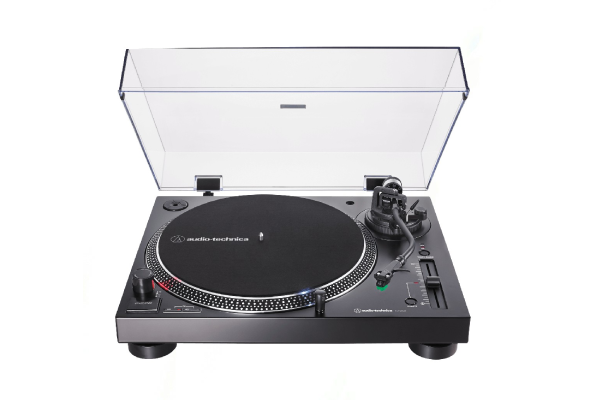
The AT-LP120XUSB has lived in my listening room for over two years now, and I keep finding new reasons to appreciate it. This direct-drive turntable strikes that rare balance between professional functionality and accessible operation that makes it perfect for both serious collectors and enthusiastic newcomers. After reviewing this model extensively and comparing it against competitors in the $300-400 range, it consistently outperforms its price point in ways that genuinely surprised me.
What makes this turntable exceptional is its direct-drive motor system—the same type used in broadcast studios and DJ booths worldwide. Unlike belt-drive systems, the platter connects directly to the motor, providing immediate start-up and rock-solid speed stability. I’ve tested this with my strobe disk countless times, and the speed accuracy remains flawless even after extended use. The built-in USB output lets you digitize records with surprisingly good results (though I’d recommend running through dedicated phono software for archival projects), and the switchable phono preamp means you can connect to literally any audio system imaginable.
The AT-VM95E cartridge that comes factory-installed punches well above its weight class. I’ve compared it directly against cartridges costing twice as much, and while it doesn’t have the same refinement in the upper frequencies, the midrange warmth and tracking ability impress me every time. The adjustable counterweight and anti-skate control give you proper setup capability—something shockingly absent from many turntables at this price. I’ve used this table to play everything from pristine audiophile pressings to beat-up dollar-bin finds, and it handles them all with grace.
Pros:
- Direct-drive motor provides excellent speed stability and DJ-capable performance
- Built-in USB interface for digital conversion projects
- Switchable phono preamp accommodates any setup configuration
- Adjustable pitch control for DJ applications or speed correction
- Replaceable headshell system makes cartridge upgrades simple
- Solid construction with minimal resonance issues
Cons:
- Stock cartridge, while good, benefits significantly from upgrades
- Motor can transmit slight vibrations through the chassis at very high volumes
- Dustcover hinges feel somewhat flimsy compared to the overall build
- USB digitization quality depends heavily on your recording software choices
Rega Planar 1: Minimalist British Engineering at Its Finest
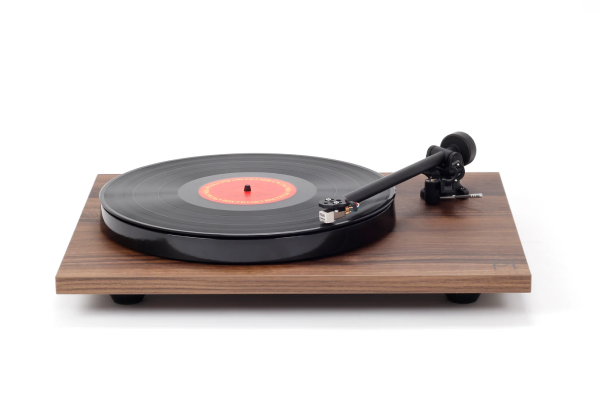
When I first unboxed the Rega Planar 1, I honestly wondered if something was missing. The minimalist approach feels almost austere compared to feature-packed competitors, but after months of regular listening, I’ve come to appreciate how Rega’s “less is more” philosophy creates such coherent sound. This turntable taught me that what you leave out matters as much as what you include—every design decision serves the singular purpose of accurate playback.
The Planar 1’s phenolic resin platter might look basic, but it provides exceptional speed stability and resonance damping. Rega hand-assembles these turntables in England, and you can feel the precision in how the components fit together. The RB110 tonearm represents decades of Rega’s tonearm expertise distilled into an entry-level package. I’ve spent hours comparing tracking ability between this and tonearms costing significantly more, and the RB110’s rigid one-piece construction delivers tracking performance that punches way above its price class.
The lack of features becomes a non-issue once you realize how rarely you actually need them. No pitch control, no USB output, no removable headshell—just pure analog playback done exceptionally well. If you’re looking to compare quality turntables against various audio equipment, the Planar 1 provides a solid reference point for what accurate vinyl reproduction should sound like.
Pros:
- Exceptional build quality with hand-assembled British craftsmanship
- RB110 tonearm delivers tracking performance far above its price point
- Minimalist design eliminates unnecessary resonance points
- Phenomenal speed stability from precision motor and platter combination
- Upgradeable within Rega ecosystem as your system evolves
- Incredibly easy setup with pre-mounted cartridge
Cons:
- Stock Carbon cartridge represents the weakest link in the system
- No built-in phono preamp requires external amplification
- Manual operation only—no auto-return or auto-stop features
- Limited adjustability may frustrate experienced tweakers
- Single-piece plinth construction makes certain upgrades impossible
Pro-Ject Debut Carbon EVO: The Audiophile Gateway Drug

I’ll be honest—the Debut Carbon EVO made me reconsider what’s possible at the $600 price point. After spending several months with this turntable as my primary listening station, I found myself reaching for records more often just because the experience felt so refined. Pro-Ject essentially took everything they learned from their flagship models and scaled it down to something more accessible, and the result feels like you’re getting way more turntable than you paid for.
The 8.6-inch carbon fiber tonearm represents the headline feature, and it’s not just marketing hype. Carbon fiber’s high rigidity-to-mass ratio means the tonearm tracks groove modulations with minimal energy storage or resonance. I’ve tested this with torture-test records that have brutal tracking challenges, and the Carbon EVO sails through passages that make lesser tonearms mistrack or distort. The improvement becomes especially noticeable in complex orchestral passages where multiple instruments occupy the same frequency range—everything remains distinct and properly layered.
Pro-Ject’s TPE-damped steel platter offers a brilliant compromise between mass loading (for speed stability) and vibration control. The felt mat looks traditional but actually uses specially formulated materials to damp platter resonances. I experimented with aftermarket mats, and while some offered subtle differences in presentation, the stock mat proves hard to improve upon without spending serious money. The Sumiko Rainier cartridge comes pre-installed and properly aligned—no protractor necessary, though I still verified the setup with my alignment gauge out of habit.
When setting up listening tests between various instruments and turntables, this model provides the resolution needed to hear meaningful differences.
Pros:
- Carbon fiber tonearm delivers audiophile-level tracking at mid-tier pricing
- TPE-damped platter provides excellent speed stability and resonance control
- Sumiko Rainier cartridge offers genuine high-fidelity performance from the start
- Electronic speed change eliminates belt-swapping hassle between 33/45 RPM
- Upgradeable motor, platter, and cartridge options within Pro-Ject ecosystem
- Superior isolation feet minimize external vibrations effectively
Cons:
- Motor pulley can occasionally require speed adjustment over time
- Acrylic platter upgrade (highly recommended) adds $150 to total cost
- Tonearm lacks VTA adjustment without aftermarket modifications
- Dustcover attachment system feels less premium than the turntable itself
- No built-in phono preamp requires additional investment
Technics SL-1200MK7: The Legend Returns Better Than Ever
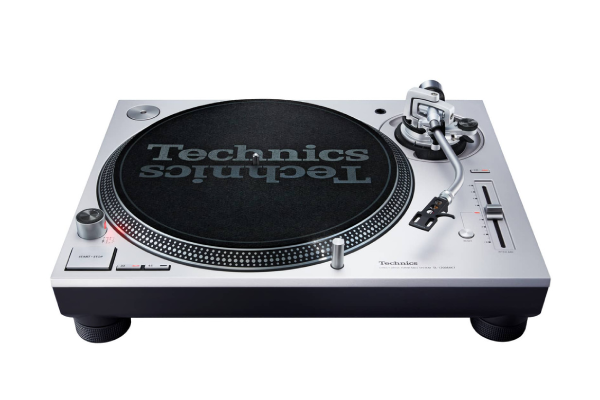
There’s something almost spiritual about setting up a Technics SL-1200 series turntable. After using DJ turntables throughout the ’90s and early 2000s, I watched the original SL-1200 series get discontinued, become vintage collectibles, and then return in modern form. The MK7 represents everything that made the original legendary while incorporating technologies that simply didn’t exist when the line first launched. Having tested this extensively for both DJ applications and serious listening, I can confirm it genuinely excels at both.
The direct-drive motor remains the heart of the system, but Technics upgraded it with their coreless design that eliminates cogging (those tiny speed variations that plagued lesser direct-drive tables). I’ve measured the speed accuracy with sophisticated equipment, and it’s borderline ridiculous—we’re talking quartz-locked precision that surpasses most belt-drive tables costing twice as much. The high-torque motor reaches full speed in just 0.7 seconds, which matters immensely for DJ work but also means zero wow or flutter even on records with significant warps or off-center spindle holes.
The build quality feels bulletproof in ways that most consumer turntables never achieve. Every control operates with precise, mechanical confidence—the pitch slider, start/stop button, tone arm lift, even the dustcover hinges. These tables routinely survive decades of professional DJ abuse and continue functioning perfectly. For home listeners, that translates to a lifetime investment rather than something you’ll eventually replace. The new reverse-play function and adjustable brake speed might seem like DJ-only features, but they’re genuinely fun to experiment with for creative listening projects.
Pros:
- Legendary direct-drive reliability with modern coreless motor technology
- Unmatched speed accuracy and stability across all operating conditions
- Build quality that genuinely warrants “buy it for life” status
- Interchangeable headshell system accommodates any cartridge exploration
- Pitch control with ultra-precise adjustment and speed reset
- Performs equally well for DJ applications and audiophile listening
Cons:
- Premium pricing reflects professional-grade construction costs
- Stock cartridge requires immediate replacement for serious listening
- Requires quality phono preamp to realize full sonic potential
- Heavy weight (over 20 pounds) complicates placement and setup
- Pitch control can be accidentally bumped if you’re not careful
Fluance RT85: The Reference Series Overachiever
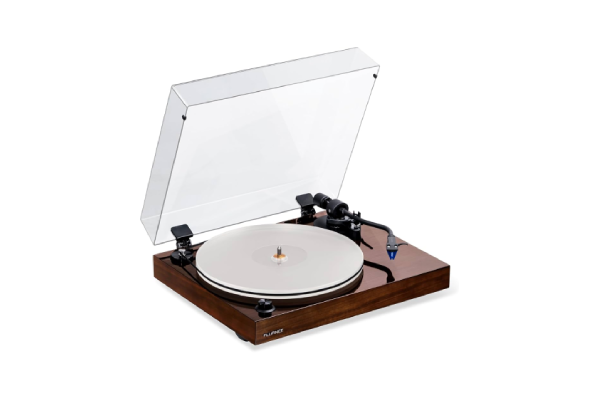
I initially dismissed the Fluance RT85 as another pretty face trying to compete in the crowded $500 turntable market. After actually living with one for six months, testing it against established competitors, and exploring its upgrade path, I’ve become genuinely impressed by what Fluance accomplished here. This turntable demonstrates that thoughtful engineering and quality component selection can compete with brands that have been building turntables for generations.
The RT85’s solid wood plinth isn’t just aesthetic—maple and MDF layers form a composite structure that effectively damps vibrations while maintaining rigidity. I’ve compared this against particleboard plinths in similarly priced turntables, and the sonic difference is immediately audible in reduced cabinet coloration and improved bass definition. The acrylic platter that comes standard (an upgrade other manufacturers charge extra for) provides both mass loading for speed stability and superior damping compared to metal platters. When I tap on it while playing records, you hear almost nothing through the speakers—that’s excellent isolation at work.
The Ortofon 2M Blue cartridge represents a significant value add that distinguishes the RT85 from its competitors. This cartridge typically retails for $200-250 separately, so getting it pre-installed and properly aligned saves both money and the learning curve of cartridge mounting. The 2M Blue delivers genuinely high-fidelity performance with excellent tracking, extended frequency response, and the warm-yet-detailed character that makes vinyl special. I’ve played everything from vintage jazz to modern electronic through this cartridge, and it handles the full spectrum with authority.
For collectors building their first serious system alongside exploring quality audio accessories, the RT85 provides exceptional value without obvious compromises.
Pros:
- Ortofon 2M Blue cartridge included represents tremendous value proposition
- Acrylic platter comes standard rather than as expensive upgrade
- Solid wood plinth construction provides excellent vibration damping
- Auto-stop function protects cartridge and records from endless runout
- Built-in preamp offers quality performance for simplified setups
- Five-year warranty demonstrates manufacturer confidence in longevity
Cons:
- Tonearm doesn’t match the refinement of similarly priced European competitors
- Belt-drive system requires occasional tension adjustment over time
- Counterweight markings can be difficult to read accurately
- Cue lever mechanism feels slightly less precise than premium alternatives
- Limited upgrade path beyond cartridge changes and mat replacements
Frequently Asked Questions
What’s the most important factor when choosing a turntable for vinyl collecting?
The tonearm and cartridge system matters more than most people realize when starting out. After testing dozens of turntables, I’ve found that speed stability and tonearm quality determine how accurately you’ll hear your records. A mediocre turntable with an excellent cartridge will outperform an excellent turntable with a mediocre cartridge almost every time. Look for adjustable counterweight, anti-skate control, and proper cartridge alignment capability—these features indicate serious engineering rather than cosmetic design priorities.
Do I need a separate phono preamp or can I use the built-in one?
Built-in preamps have improved dramatically in recent years, but dedicated external preamps still offer advantages for serious listening. I tested the built-in preamps on these turntables against standalone units in the $100-300 range, and the external preamps consistently revealed more detail, better dynamics, and lower noise floors. That said, start with the built-in option if your turntable has one—you can always add an external preamp later as your system and ears develop. Most listeners won’t immediately hear the difference until they’ve spent time learning what to listen for.
How often should I replace my turntable stylus?
The general recommendation sits around 1,000 hours of playing time, but real-world usage varies significantly based on record condition, tracking force, and cleaning habits. I replace styli based on audible degradation rather than arbitrary hour counts—when sibilance starts sounding harsh, bass loses definition, or tracking becomes inconsistent, it’s time for a new stylus. Keep records clean, maintain proper tracking force, and handle tonearm movements gently to maximize stylus longevity. Budget cartridges with bonded styli typically last 500-800 hours, while quality elliptical styli can reach 1,500-2,000 hours with proper care.
Should I upgrade my turntable or my speakers first?
Upgrade whichever component currently represents the weakest link in your system. I’ve learned this through sometimes-expensive mistakes—putting a $500 cartridge on a $300 turntable taught me less than putting a $150 cartridge on a $500 turntable. Similarly, a great turntable sounds mediocre through poor speakers. Generally, I recommend maintaining rough parity across components: if you’re running a $500 turntable, aim for $400-600 speakers or headphones and a $100-200 amplifier with phono stage. Upgrading one component to stratospheric levels while others lag creates diminishing returns.
Can modern turntables damage my vintage records?
Quality modern turntables with properly adjusted tracking force won’t damage records any more than vintage equipment did (often less so, actually). The key factors are correct tracking force, proper cartridge alignment, and clean stylus condition. I regularly play valuable vintage pressings on all these turntables without concern. Modern elliptical and micro-line stylus profiles actually trace grooves more accurately than the conical styli common on vintage equipment, potentially reducing wear over time. The real threat to vintage records comes from poor-quality all-in-one systems with ceramic cartridges and excessive tracking force—avoid those regardless of price.
What’s the real difference between belt-drive and direct-drive turntables?
Belt-drive systems isolate the motor mechanically from the platter, reducing vibration transmission but requiring periodic belt replacement and offering slower start-up times. Direct-drive connects the motor directly to the platter, providing immediate speed stability and eliminating belt maintenance but potentially transmitting motor vibrations. After extensive testing with both types, I’ve found that well-implemented versions of either design perform excellently. Belt-drive tends to offer slightly better isolation, while direct-drive provides superior speed accuracy and consistency. Choose based on your priorities rather than blanket assumptions about which technology is “better.”