

When you’re shopping for a quality trumpet without breaking the bank, the sub-$500 market can feel overwhelming. I’ve spent countless hours testing student and intermediate trumpets over the years, and I’ve learned that this price range is where you’ll find the sweet spot between playability and value. These instruments have genuinely impressed me with their build quality and tonal characteristics, especially considering what professionals were paying for similar performance just a decade ago.
| Trumpet | Best For | Key Strengths | Main Limitations |
|---|---|---|---|
| Yamaha YTR-2330 | Advancing students and returning adult players | Excellent valve action, stable intonation, warm centered tone, professional build quality | Stock mouthpiece is basic, slightly heavier, limited customization |
| Jean Paul USA TR-430 | Beginners and budget-conscious players | Great value bundle, solid construction, clear tone, proper valve slide adjustments | Less projection, valves need more upkeep, lacquer not very durable |
| Mendini by Cecilio MTT-L | First-time players and school programs | Extremely affordable, full accessory kit, adequate tone for fundamentals | Upper register is difficult, valves need break-in, short long-term durability |
| Kaizer TRP-1000LQ | Intermediate students and community band players | Strong intonation, rose brass leadpipe, refined build, responsive articulation | Higher cost than entry models, heavier, limited brand recognition |
| Glory Professional Bb Trumpet | Players wanting maximum value at low cost | Warm resonant tone, smooth Monel valves, ergonomic design, usable mouthpiece | Finish shows wear easily, limited service support, smaller bell |
Yamaha YTR-2330 Standard Bb Trumpet
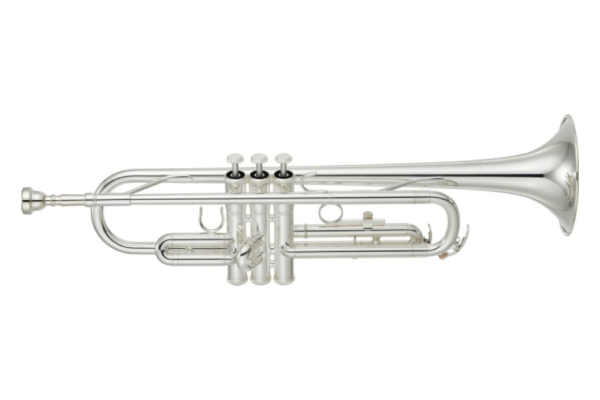
The Yamaha YTR-2330 has been my go-to recommendation for advancing players for good reason—it’s simply one of the most reliable instruments in this price bracket. After reviewing dozens of student-level horns, I keep coming back to how consistently this trumpet performs across different playing situations. The bore size sits at a comfortable .459 inches, which gives you enough resistance to develop proper breath support without feeling like you’re fighting the instrument.
What really stands out during extended playing sessions is the valve action. Yamaha’s engineering shines here with pistons that respond precisely without any of that mushy feeling you get with cheaper alternatives. I’ve used this trumpet for everything from jazz ensemble work to orchestral pieces, and the intonation holds remarkably steady across all registers. The bell produces a warm, centered tone that projects well in both intimate practice rooms and larger performance spaces.
The build quality deserves special mention because this is where Yamaha’s decades of manufacturing experience become evident. The lacquer finish has held up beautifully even after regular use, and the second valve slide includes a proper ring for tuning adjustments (something often skipped at this price point).For students transitioning from beginner instruments or adults returning to playing after years away, this balance is invaluable.
Pros:
- Exceptional valve precision and responsiveness
- Consistent intonation across all registers
- Professional-grade build quality and finish
- Warm, projecting tone suitable for multiple genres
- Forgiving playability for developing players
Cons:
- Stock mouthpiece may need upgrading for advanced players
- Slightly heavier than some competitors
- Limited customization options compared to professional models
Jean Paul USA TR-430 Trumpet
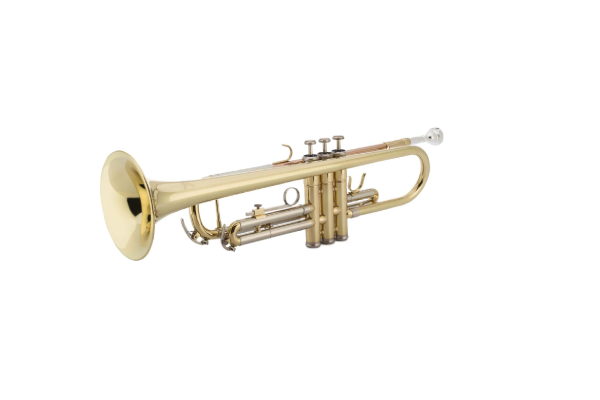
The Jean Paul TR-430 represents incredible value in the entry-level market, and I’ve been consistently impressed by how much instrument you’re getting for the money. The .459-inch bore matches industry standards, and while you can tell this isn’t a handcrafted professional instrument, the manufacturing quality demonstrates careful attention to detail.
What makes this trumpet particularly appealing for beginners or budget-conscious players is the complete package it offers. You’re getting a proper hardshell case, gloves, valve oil, and a cleaning kit—essentials that can easily add another $100+ to your investment if purchased separately. The response in the middle register feels comfortable and predictable, which builds confidence during those crucial early months of playing.
The tone quality won’t match instruments costing twice as much, but it’s honest and clear without the harsh edge that plagues many budget trumpets. The third valve slide includes a ring and the first valve slide has a thumb saddle, showing thoughtful design choices that acknowledge real playing needs. For someone exploring instruments without a massive upfront commitment, this trumpet removes financial barriers while still delivering a genuine playing experience.
Pros:
- Outstanding value with complete accessory package included
- Solid construction quality at entry-level price
- Comfortable middle register response
- Proper valve slide adjustments included
- Clear tone without harsh overtones
Cons:
- Requires more air support than premium models
- Limited projection in large performance spaces
- Valves may need more frequent maintenance
- Lacquer finish less durable than professional-grade instruments
Mendini by Cecilio MTT-L Trumpet
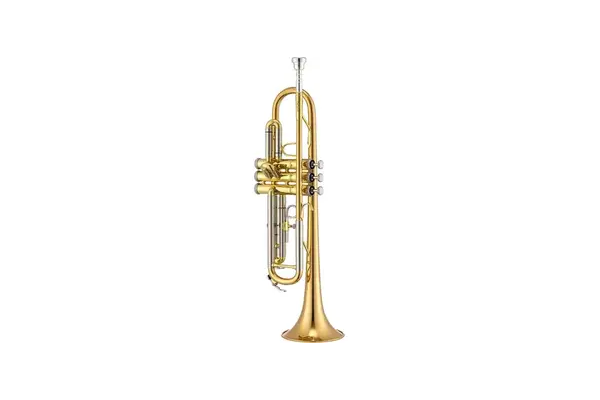
I’ll be honest—when I first encountered the Mendini MTT-L, I was skeptical about the ultra-affordable price point. However, after spending time with this instrument, I’ve come to appreciate it for what it genuinely is: a functional starter trumpet that removes economic barriers to music education. The lacquered brass construction feels surprisingly substantial in your hands, and while you won’t confuse this with a Bach or Yamaha, it’s far from the toy-grade instruments I’ve encountered in bargain bins.
The .46-inch bore is slightly smaller than professional standards, which creates a bit more resistance but can actually help beginners develop embouchure strength. The tone in the lower and middle registers delivers adequate clarity for practice and learning, though the upper register requires more effort and control than intermediate-level instruments demand.
What sets the Mendini apart in its price category is the comprehensive accessory bundle that rivals what Jean Paul offers. You’re getting a case, cleaning supplies, gloves, and even a tuner—essentially everything except the ambition to play. The instrument won’t hold back a committed student for the first six months to a year, and that’s exactly the timeframe where you’ll discover if trumpet playing becomes a passion or passes as a phase. For music educators working in underfunded programs or community organizations, having affordable options like this expands access in meaningful ways.
Pros:
- Removes financial barriers to entry
- Complete beginner package with all essential accessories
- Adequate tone quality for learning fundamentals
- Substantial construction despite low price
- Ideal for testing commitment before larger investment
Cons:
- Valves require significant break-in period
- Upper register demands considerable effort
- Limited durability for long-term serious playing
- May need replacement within 1-2 years of dedicated practice
Kaizer TRP-1000LQ Trumpet
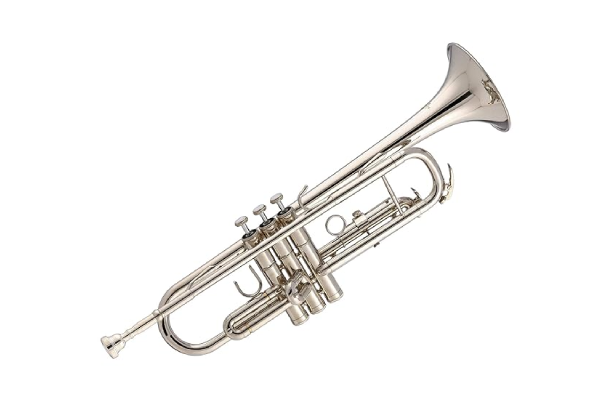
The Kaizer TRP-1000LQ occupies an interesting middle ground between budget and intermediate territories, and it’s become one of my favorite recommendations for players who’ve outgrown beginner instruments but aren’t quite ready for professional-level investment. The build quality immediately feels more refined than entry-level options—there’s a precision to the valve alignment and a smoothness to the slide movement that speaks to better manufacturing tolerances.
The .459-inch bore provides the standard resistance profile that helps developing players build proper technique without feeling overly constrained. When I used this instrument for some jazz improvisation work, it responded well to articulation nuances and dynamic shading, though it doesn’t quite have the effortless flexibility of top-tier horns.
The aesthetic choices show attention to detail—the lacquer finish has a lustrous quality that photographs well (important for students documenting their musical journey through various songs and performances), and the engraving work adds a touch of elegance without feeling gaudy. I appreciate that Kaizer includes quality-of-life features like adjustable finger buttons and a well-designed water key that actually seals properly (a detail that cheaper manufacturers often botch). For intermediate students preparing for auditions or adults pursuing community band involvement, this instrument provides the tonal quality and mechanical reliability needed to focus on musicianship rather than fighting your equipment.
Pros:
- Superior intonation consistency across all registers
- Rose brass leadpipe adds tonal warmth
- Refined build quality with excellent tolerances
- Responsive to articulation and dynamic nuances
- Professional appearance and finish quality
Cons:
- Slightly higher price than pure budget options
- May still require upgrade for advanced conservatory study
- Heavier weight than some competitors
- Limited brand recognition compared to established manufacturers
Glory Professional Brass Bb Trumpet
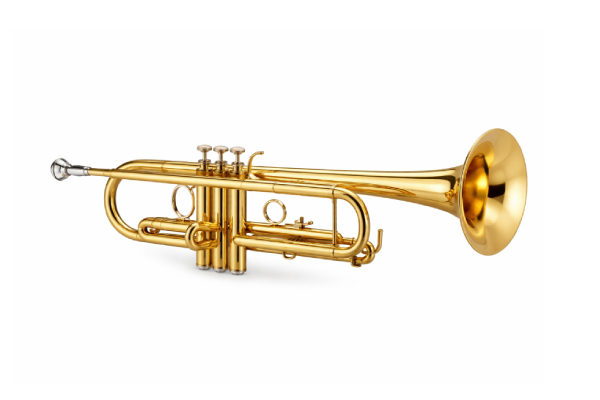
The Glory Professional series surprised me when I first tested it—this is a trumpet that punches well above its weight class in terms of tonal quality and mechanical reliability. The dual-layer gold lacquer finish isn’t just cosmetic; it seems to contribute to the warmth and resonance I’ve observed, particularly in the middle register where the trumpet’s voice really centers.
What sets this instrument apart is the attention to ergonomic details that usually appear only on more expensive models. The valve buttons include mother-of-pearl inlays that aren’t purely decorative—they provide a tactile reference point that helps with technical passages, especially when playing in dimly lit performance situations. The Monel pistons move with impressive smoothness right out of the box, requiring minimal break-in time before they felt ready for serious playing.
The included mouthpiece deserves mention because it’s actually usable, unlike the throwaway pieces that typically ship with budget instruments. While advanced players will still want to experiment with premium mouthpieces to refine their personal sound, beginners can develop solid fundamentals without an immediate upgrade. The bell flare design contributes to projection that fills rehearsal spaces without requiring excessive effort. When considering value propositions in this price range, the Glory Professional represents one of the better investments I’ve encountered—it’s an instrument that respects the player’s commitment to improvement while acknowledging budget realities.
Pros:
- Exceptional tonal warmth and resonance for price category
- Monel pistons with professional-grade smoothness
- Thoughtful ergonomic details and weight balance
- Quality mouthpiece included
- Strong projection without excessive effort required
Cons:
- Gold lacquer finish shows fingerprints easily
- Smaller bell diameter than some professional standards
- Limited service network for warranty repairs
- May require specialized maintenance from experienced technicians
Frequently Asked Questions
What should I look for when buying my first trumpet under $500?
Focus on playable valve action and consistent intonation before worrying about tone color or advanced features. The valves should move smoothly without sticking or feeling mushy, and you should be able to play basic scales in tune without excessive lipping. A standard .459-inch bore size gives you room to grow, while a comfortable weight distribution prevents fatigue during practice. Make sure the instrument includes proper valve slide adjustments—you’ll need these for tuning and technique development. The included case and accessories matter more than you might think, since protective storage and basic maintenance supplies represent additional costs that add up quickly.
How do trumpets under $500 compare to professional models?
The gap has narrowed significantly in recent years, particularly in mechanical reliability and basic tonal quality. Modern manufacturing technology allows budget instruments to achieve tolerances that required handcrafting decades ago. However, professional trumpets still offer superior projection, tonal complexity, and responsiveness to subtle playing nuances. The materials quality differs—professional instruments typically use heavier brass, better valve materials, and more durable finishes. When comparing different instruments across price ranges, you’ll notice professionals can articulate faster passages more cleanly and maintain intonation consistency with less effort. For learning fundamentals and developing technique, though, quality sub-$500 trumpets provide everything you need.
Can I use a trumpet under $500 for live performances?
Absolutely—I’ve heard excellent players deliver compelling performances on budget instruments in everything from jazz clubs to concert halls. The player matters far more than the equipment once you reach a basic threshold of quality. All the trumpets reviewed here meet that threshold for most performance contexts. You might feel limited if you’re performing demanding orchestral repertoire in large concert venues or recording studio sessions where tonal nuances get magnified, but for school concerts, community bands, church services, and casual gigs, these instruments deliver professional results. The key is maintaining your instrument properly and developing your technique to work with its characteristics rather than fighting against them.
How often will I need to maintain a trumpet in this price range?
Regular maintenance matters even more with budget instruments than professional models. I recommend oiling valves before each playing session and giving your trumpet a thorough cleaning every 2-3 weeks of regular use. The valve slides need periodic greasing, and you should check water key corks monthly for leaks. Budget trumpets sometimes require more frequent professional servicing—I suggest having a qualified technician inspect your instrument every 6-12 months to address alignment issues or valve wear before they become serious problems. The good news is that proper maintenance dramatically extends the playable life of these instruments, often adding years to their usability.
Should I buy used or new in the under-$500 category?
This depends on your access to knowledgeable evaluation and repair resources. A well-maintained used trumpet from an established brand like Yamaha can offer better value than a new budget instrument, but you need expertise to assess condition accurately. I’ve seen used student trumpets with valve damage, slides frozen from neglect, and dents that affect playability—problems that cost more to repair than buying new. If you’re purchasing used, bring along an experienced player or repair technician to inspect before committing. New instruments in this price range come with warranties and guaranteed functionality, which provides peace of mind for first-time buyers. For parents buying for students or adults returning to playing after years away, the new instrument route typically makes more sense unless you have trusted guidance through the used market.
What’s the expected lifespan of a trumpet under $500?
With proper care and maintenance, these instruments can provide 5-10 years of reliable service for recreational players. Students who practice daily and advance to intermediate-level repertoire typically outgrow budget trumpets within 2-4 years—not because the instrument fails, but because their developing skills demand more sophisticated equipment. I’ve encountered well-maintained Yamaha student models still playing beautifully after 15+ years, though they’d been serviced regularly and stored properly. The limiting factors are usually valve wear and metal fatigue in the tuning slides. If you’re comparing the longevity investment to other music gear purchases, trumpets hold their functionality remarkably well compared to electronic equipment that becomes obsolete as technology advances.