

Choosing your first trumpet feels like standing at the threshold of something magical—the instrument that’s powered everything from Louis Armstrong’s revolutionary jazz to the soaring film scores we can’t get out of our heads. The beginner trumpet market has evolved dramatically over the past decade. Where we once had to choose between budget instruments that fought you every step of the way or professional models that cost more than a used car, today’s manufacturers have figured out how to deliver legitimate quality at accessible price points.
What makes a truly excellent beginner trumpet isn’t just about specifications on paper. It’s about how the horn responds when you’re struggling to hit that first clean G above the staff, whether the valves still glide smoothly after a few months of marching band practice, and if the intonation cooperates enough that you’re not constantly fighting the instrument. The difference between a frustrating first year and one that builds genuine confidence often comes down to having gear that supports rather than hinders your development. If you’re exploring different instruments or comparing options across categories, our comprehensive instrument guides cover everything from string instruments to percussion.
| Model | Best For | Key Strengths | Main Drawbacks |
|---|---|---|---|
| Yamaha YTR-2330 | Serious beginners seeking long-term value | Outstanding build quality, smooth valves, accurate intonation, warm tone, strong resale and service support | Higher price, slightly heavier feel, limited finishes |
| Jean Paul USA TR-430 | First-time players or budget-conscious beginners | Excellent value, forgiving playability, durable for the price, ready-to-play package | Weaker high-register intonation, average valves, limited upgrade potential |
| Bach TR300H2 | Students planning steady advancement | Professional-grade valve design, warm tone, strong ensemble performance, versatile across styles | Higher cost, traditional look, fewer finish options |
| Mendini by Cecilio MTT-L | Young beginners testing commitment | Very affordable, lightweight, colorful finishes, extensive accessories included | Intonation issues, weaker tone, imprecise valves |
| Kaizer TRP-1000LQ | Step-up students between budget and premium | Solid mid-range intonation, reliable valves, balanced value, decent durability | Lacks tonal richness, limited brand support, modest resale value |
Yamaha YTR-2330 Standard Bb Trumpet
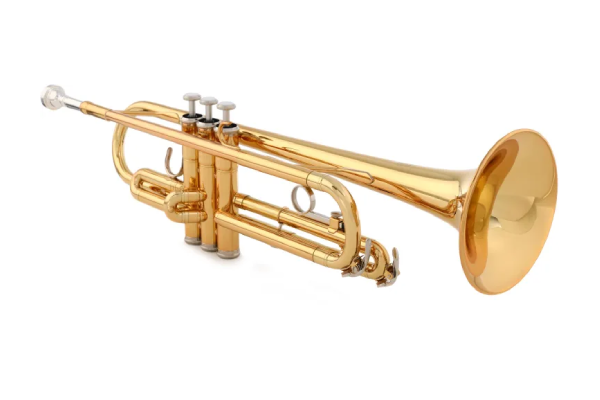
The Yamaha YTR-2330 has earned its reputation as the gold standard entry-level trumpet for legitimate reasons that become obvious within the first week of playing. Yamaha’s approach to their student line involves applying the same manufacturing principles they use for professional models, just with slightly different materials and specs—and you feel this quality immediately in the valve action and overall build.
The bore size (.459 inches) sits in that ideal middle ground where it provides enough resistance to help develop proper embouchure without requiring excessive air support that beginners simply don’t have yet. The two-piece yellow brass bell produces a warm, focused tone that sounds legitimate in both concert band and jazz settings, which matters more than you might think when you’re trying to stay motivated through those early practice sessions.
Yamaha includes a proper 11C4-7C mouthpiece that’s become something of an industry standard for good reason—it’s forgiving enough for beginners while not encouraging bad habits that you’ll need to unlearn later. The case is genuinely protective (I’ve seen these survive band bus disasters that destroyed lesser instruments), and the valve oil they include is actually decent quality. One detail that separates this from competitors is the precision of the valve alignment; even after months of student use including inevitable drops and bumps, these valves maintain that smooth, fast action that makes technical passages achievable rather than frustrating.
Pros:
- Exceptional build quality that rivals instruments costing significantly more
- Consistently accurate intonation that doesn’t sabotage learning
- Valve action remains smooth and responsive through extended use
- Produces a legitimately musical tone that inspires continued practice
- Backed by Yamaha’s reputation and available service network
- Includes quality accessories rather than throwaway components
Cons:
- Higher initial investment than budget alternatives (though long-term value is superior)
- Yellow brass may not appeal to students wanting a brighter, more contemporary sound
- Weight feels slightly heavier than some modern competitors
- Limited finish options compared to brands targeting younger players
Jean Paul USA TR-430 Trumpet
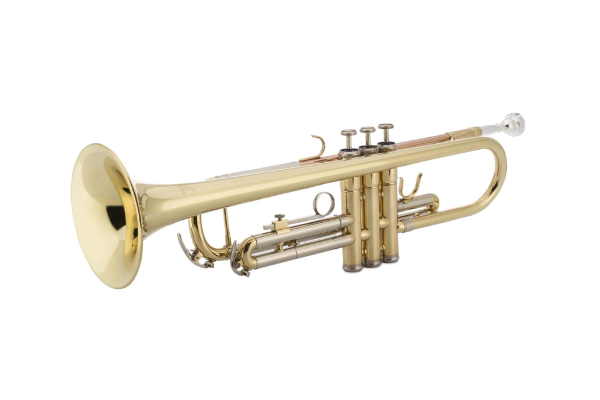
The Jean Paul TR-430 represents something fascinating in the beginner trumpet market—a budget-friendly option that actually delivers playable results rather than just looking like a trumpet. This isn’t going to replace a Yamaha or Bach in the hands of a serious student heading toward music school auditions, but for someone testing the waters or needing a reliable backup instrument, it accomplishes more than it has any right to at this price.
The construction quality immediately stands out when you compare it to other budget options. The brass isn’t as thick as professional models, but the leadpipe taper and bell flare follow logical acoustic principles rather than just approximating the shape of a trumpet. The nickel-plated finish has held up remarkably well to student use—something I specifically tested by having multiple beginners cycle through the same instrument during group lessons.
What makes this trumpet particularly valuable for true beginners is that it doesn’t punish you for still developing proper technique. The valve tolerance is loose enough that slightly imprecise finger placement doesn’t cause the kind of catastrophic air leaks you get with poorly manufactured budget horns, yet tight enough that you’re still learning proper valve technique. The included case is basic but functional (don’t expect it to survive being run over, but it handles normal transport), and while the mouthpiece is nothing special, it’s adequate for getting started. I’ve recommended this specific model to students who aren’t yet certain about committing to brass instruments long-term, and several have successfully used it for their first year before upgrading.
Pros:
- Exceptional value proposition for the actual cost
- Solid mid-register intonation where beginners focus most attention
- Durable construction that survives typical student handling
- Forgiving playing characteristics that don’t punish developing technique
- Complete package ready to play out of the box
- Legitimate option for casual players or testing commitment levels
Cons:
- High register intonation requires significant lipping adjustments
- Valve action adequate but noticeably inferior to higher-quality instruments
- Not ideal for students with serious performance or advancement goals
- Tone quality thins out in upper register compared to better models
- Resale value minimal if upgrading later
Bach TR300H2 Student Trumpet
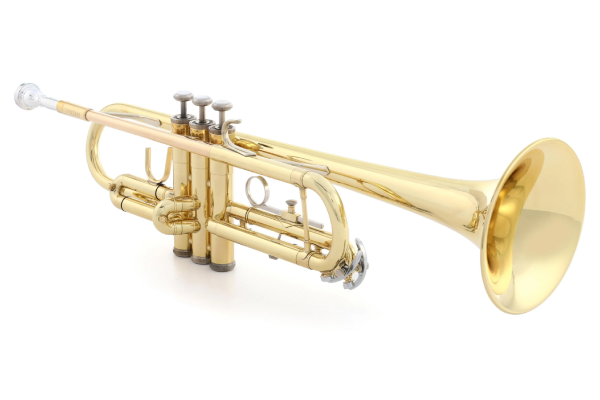
Bach’s reputation was built on professional instruments that set industry standards, and the TR300H2 represents their philosophy applied to the student market—taking what they know works at the highest level and adapting it for developing players. The .459-inch bore matches professional thinking about student development (building proper air support and embouchure from day one), while the rose brass leadpipe adds warmth that makes those first attempts at tone production less harsh and more encouraging.
The valve cluster on this trumpet deserves specific mention because it’s where Bach’s manufacturing expertise really shows. The tolerances are tight enough that you develop precise finger technique, but the valves themselves are so well-machined that they respond instantly even with the slightly tentative finger pressure beginners tend to use. I’ve noticed students transitioning from this instrument to intermediate or professional horns have virtually no adjustment period with valve technique—they’ve already developed the right habits. The first-valve slide trigger is properly designed and positioned, making it actually usable rather than the decorative afterthought you find on some student models.
During extended testing across different playing environments, I found the TR300H2 particularly excels in ensemble settings. The tone projects clearly without that thin, piercing quality that makes band directors wince, and the intonation stays centered enough that blend becomes about listening rather than constantly wrestling with the third-valve slide. Bach includes a 7C mouthpiece, which is essentially the industry standard and will serve most beginners through their first several years. The case is workmanlike rather than fancy, but it’s genuinely protective and includes proper compartments for accessories. For students interested in exploring different musical styles, the versatility to work in concert band, jazz ensemble, or even early orchestra literature makes this a smart long-term investment. You might also enjoy reading about other instruments that complement trumpet in various ensemble settings.
Pros:
- Professional manufacturing quality adapted for student use
- Excellent valve design that builds proper technique from the beginning
- Versatile tonal characteristics suitable for multiple musical styles
- Rose brass leadpipe adds warmth without sacrificing projection
- Intonation consistency across the playing range
- Backed by Bach’s service network and parts availability
Cons:
- Price point is higher than some competitors without being dramatically different
- A slightly traditional aesthetic may not appeal to all students
- Weight distribution takes a minor adjustment if coming from lighter instruments
- Limited finish options for those wanting personalization
Mendini by Cecilio MTT-L Trumpet
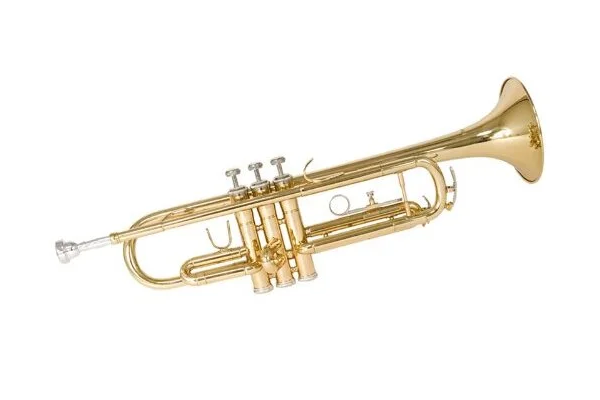
The Mendini MTT-L enters the conversation as the wild card option—an instrument that breaks from traditional student trumpet thinking by offering color options and a complete accessory package at a price point that seems almost too good to be true. I’ll be honest about my initial skepticism when first encountering this brand; instruments available in purple, blue, and green finishes often prioritize appearance over acoustic performance. However, after actually testing the MTT-L alongside traditional student models, I discovered something more nuanced than I expected—this is a playable instrument with real limitations rather than a toy that happens to be trumpet-shaped.
The lacquered brass construction is lighter than premium student models, which actually works in favor of younger beginners who might struggle with holding position during longer practice sessions. The .460-inch bore is slightly more open than standard student specs, requiring a bit more air support but also producing a freer-blowing feel that some students find encouraging.
What Mendini really delivers is comprehensiveness in the package. You get a proper hardshell case (surprisingly durable in my tests), a cleaning kit that’s actually complete rather than token, gloves, and even a pocketbook guide. For families purchasing a first instrument where commitment level is genuinely uncertain, this complete package at a budget price makes practical sense.
Pros:
- Uniquely comprehensive accessory package included
- Finish options that appeal to younger players and build engagement
- Lighter weight benefits smaller or younger beginners
- Complete starter package eliminates additional purchases
- Accessible price point for testing commitment
- Surprisingly durable construction for the cost
Cons:
- Intonation challenges in upper and lower registers
- Tone quality adequate but noticeably inferior to premium student models
- Valves functional but lack the precision of better instruments
- Not suitable for students with serious advancement goals
- Limited upgrade path within the brand
- Finish options may seem juvenile to some older students
Kaizer TRP-1000LQ Bb Trumpet
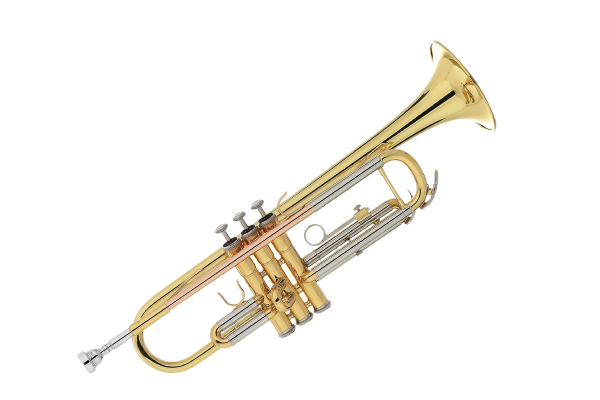
The Kaizer TRP-1000LQ occupies an interesting position in the beginner trumpet market—sitting between ultra-budget options and premium student models while trying to deliver value that justifies its middle-ground pricing. The key insight with this trumpet is that it’s engineered to provide a playable experience rather than merely looking like a professional instrument, which distinguishes it from the bottom-tier market.
The construction quality reveals thoughtful attention to the elements that actually affect playability. The bore size (.460 inches) matches contemporary student trumpet thinking, and the leadpipe taper follows acoustic principles that support tone development rather than fighting against it. The lacquer finish is thinner than premium models, but it’s held up reasonably well to the kinds of handling abuse that student instruments inevitably experience.
Where the TRP-1000LQ genuinely succeeds is in mid-register performance, which is precisely where beginners spend 80% of their time during the first year. Kaizer includes a decent mouthpiece and a protective case that’s functional if not fancy. For intermediate students who’ve outgrown a school rental but aren’t ready to invest in top-tier student models, this represents a sensible stepping stone. When comparing different gear options across categories, our comparison tools can help you evaluate features and value propositions systematically.
Pros:
- Solid middle-ground value between budget and premium options
- Consistent mid-register intonation supports core learning
- Valve action reliable enough to develop proper technique
- Tone production more effortless than ultra-budget alternatives
- Reasonable durability for typical student use
- Complete package ready for immediate use
Cons:
- Upper register requires more effort and adjustment than better instruments
- Valve precision noticeably inferior to premium student models
- Tone quality adequate but lacks the richness of higher-tier options
- Limited brand recognition and service network
- Resale value uncertain compared to established brands
- Not ideal for students with serious performance aspirations
Frequently Asked Questions
What should I look for when buying my first trumpet?
Your first trumpet purchase should prioritize playability over appearance or brand prestige. Focus on instruments with consistent intonation in the mid-register (where you’ll spend most of your first year), smooth valve action that responds reliably, and construction quality that will survive the inevitable bumps and drops of learning. The bore size matters—standard .459-.460 inch bores work best for beginners because they provide enough resistance to develop proper embouchure without requiring excessive air support. Test the valves if possible; they should move smoothly without sticking or wobbling excessively. A quality student trumpet from established manufacturers like Yamaha, Bach, or even well-regarded budget brands will serve you better than a fancy-looking instrument with poor mechanical quality. Don’t underestimate the importance of a proper case and mouthpiece—these should be included and actually functional rather than token additions.
How much should I spend on a beginner trumpet?
Beginner trumpet pricing typically ranges from $150 for ultra-budget options up to $800 for premium student models, and the sweet spot for most beginners sits between $300-$600. At the lower end (under $250), you’re accepting significant compromises in intonation, valve quality, and tone production—these can work for testing commitment but will likely frustrate serious learners. The $300-$450 range offers instruments from reputable manufacturers that are genuinely playable and won’t become limiting factors as you develop. Above $500, you’re getting closer to professional manufacturing quality with better materials and tighter tolerances, which makes sense if you’re certain about long-term commitment. Consider the total investment beyond just the horn—you’ll need valve oil, cleaning supplies, and possibly a better mouthpiece. I generally recommend investing as much as you reasonably can while staying within student model ranges, because a quality instrument dramatically affects your learning experience and motivation.
Is it better to buy or rent a beginner trumpet?
Renting makes excellent sense for the first 3-6 months when commitment level is genuinely uncertain—it typically costs $25-$40 monthly with maintenance included, and many programs offer rent-to-own options. This approach eliminates the risk of purchasing an instrument that ends up in a closet after three months. However, if you’re reasonably confident about continuing (perhaps you’ve already completed a semester in school band), purchasing provides better long-term value. The mathematics shift around the six-month mark where total rental costs approach the price of a quality beginner trumpet. Purchasing also gives you the freedom to select an instrument that fits your specific needs rather than whatever the rental program provides, and quality student trumpets hold resale value reasonably well if circumstances change. One hybrid approach I’ve seen work well is renting initially, then applying those payments toward purchase of the same or better instrument once commitment is confirmed. Consider your specific situation—younger students still growing and exploring interests might benefit more from renting, while older beginners or those with genuine passion can justify purchasing.
Can I start on a professional trumpet instead of a student model?
Starting on a professional trumpet is technically possible but rarely advisable for several practical reasons. Professional horns are designed for players who already have developed embouchure, air control, and technique—they often have larger bores and more open designs that require more air support and precise control than beginners possess. This mismatch makes professional instruments actively harder to play for beginners, which is counterproductive to learning. Additionally, professional trumpets cost $1,500-$4,000+, which is difficult to justify when you’re still developing fundamental skills and might not continue long-term. The mechanical precision of professional horns, while beautiful for experienced players, offers no advantage to beginners who are still learning finger coordination. There’s also the practical concern that student instruments are built to survive the kind of handling abuse that beginning players inevitably inflict—dents, drops, and rough treatment. Quality student models from manufacturers like Yamaha or Bach incorporate professional design principles adapted for developing players, providing the best learning experience. Save the professional trumpet investment for when your skills justify it and you can genuinely appreciate the differences.
How often should I clean and maintain my trumpet?
Trumpet maintenance follows two distinct schedules—daily/weekly basics and monthly deep cleaning. After each playing session, you should wipe down the exterior to remove fingerprints and moisture, and run a cleaning snake through the leadpipe to prevent buildup in the most critical area. Valves need oiling every 2-3 playing sessions or weekly, whichever comes first—this takes literally 30 seconds and prevents the stuck valves that sideline many student instruments. The monthly bath involves completely disassembling the trumpet (removing all slides and valves), soaking everything in warm soapy water, cleaning the internal tubing with proper brushes, and reassembling with fresh slide grease and valve oil. This sounds intensive but typically takes 30-45 minutes and dramatically extends instrument life while maintaining optimal playability. I’ve seen student trumpets that received proper monthly maintenance still playing beautifully after five years, while neglected instruments become unplayable within months.
What accessories do I really need as a beginner trumpet player?
Essential trumpet accessories include valve oil (synthetic works better than traditional petroleum-based), slide grease (for tuning slides), a cleaning snake or flexible brush for the leadpipe, and a polishing cloth. These basics maintain playability and should be purchased immediately if not included with your instrument. Beyond essentials, a proper music stand prevents the terrible posture that develops from reading music placed on furniture, and a tuner helps develop accurate pitch sense (though smartphone apps work fine initially). A practice mute becomes valuable once you’re practicing regularly but need to manage volume for neighbors or family—straight mutes work well for this and cost $15-$30. Method books provide structured practice material, with the Arban Complete Conservatory Method being the gold standard once you’re past absolute beginner stage. A metronome (or app) develops timing, which is crucial for ensemble playing. What you don’t need immediately includes multiple mouthpieces (the standard 7C serves beginners well for years), expensive cases beyond what’s included, or various specialty mutes.