

Some manufacturers cut corners in ways that genuinely hinder learning, while others have clearly designed their student models with real pedagogical insight. The slide action, bore size, bell flare, and even the weight distribution all contribute to whether a beginning player will find success or struggle unnecessarily.
The trombone market has evolved significantly in recent years, with manufacturers paying closer attention to what actually helps beginners succeed. Whether you’re a parent investing in your child’s first serious instrument or an adult finally pursuing that music dream you put aside years ago, these five trombones represent the best starting points I’ve encountered, each offering something slightly different depending on your specific needs and aspirations. For those exploring different aspects of music performance, understanding how various instruments function can deepen your appreciation for the craft.
| Model | Best For | Key Strengths | Main Limitations |
|---|---|---|---|
| Yamaha YSL-354 | Beginners to early-intermediate students | Smooth, durable slide action, warm forgiving tone, excellent build quality, balanced ergonomics, strong resale value | Higher price, medium-large bore may resist very young players, basic stock mouthpiece |
| Conn-Selmer TB711 Prelude | Absolute beginners, younger players | Easy tone production, smaller bore comfort, dual-bore versatility, strong projection, affordable quality | Brighter tone, may outgrow sooner, included mouthpiece limits potential |
| Bach TB450B | Serious students transitioning upward | Classic Bach warm tone, excellent slide durability, .525 bore for growth, long-term build quality, balanced feel | Premium price, heavier for young players, less suited for jazz tone goals |
| Mendini MTB-L | Budget beginners testing commitment | Very affordable, complete starter package, adequate beginner tone, durable for price, teaches maintenance habits | Rougher slide action, tonal limits as skills grow, low resale value, short lifespan |
| Jupiter JTB700V | Beginners wanting premium student quality | Exceptionally smooth slide, warm centered tone, great ergonomics, strong value, durable alignment | Lower brand resale value, medium-large bore for small players, limited availability |
Yamaha YSL-354 Standard Trombone
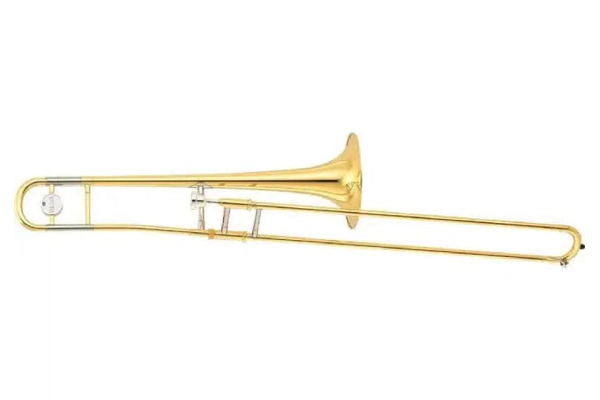
The Yamaha YSL-354 has become something of a gold standard in school band programs, and after putting several students on this instrument over the years, I completely understand why music educators trust it so thoroughly. This isn’t just another student model that happens to bear a respected name—Yamaha clearly engineered this trombone with genuine understanding of what beginning players need during those crucial first months and years of development.
The chrome-plated inner slide maintains its responsiveness remarkably well even with the less-than-perfect maintenance habits typical of younger students. The .525-inch medium-large bore offers enough resistance that beginners develop proper air support without feeling like they’re fighting the instrument, yet it opens up nicely as players advance and develop more control.
The rose brass bell produces a warm, centered tone that flatters developing players while still offering enough clarity for students to hear when they’re off-pitch or using incorrect technique. The eighth-inch thick bell material strikes an excellent balance between projection and tone color, making it suitable for everything from concert band to jazz ensemble work. Build quality throughout feels substantial without being heavy; at just under four pounds, it’s manageable for younger players during extended rehearsals.
Yamaha’s attention to detail extends to features beginners might not initially appreciate but will benefit from tremendously. The balanced weight distribution means proper hand position feels natural rather than forced, and the nickel silver slide ensures longevity that justifies the investment.
Pros:
- Exceptionally smooth slide action that maintains consistency with regular use
- Warm, forgiving tone quality that supports developing embouchures
- Outstanding build quality with components that withstand student use
- Balanced design that encourages proper playing position naturally
- Excellent resale value when students eventually upgrade
Cons:
- Higher initial investment compared to some beginner options
- Medium-large bore might feel slightly resistant to very young players
- Stock mouthpiece adequate but not exceptional for all playing styles
Conn-Selmer TB711 Prelude Trombone
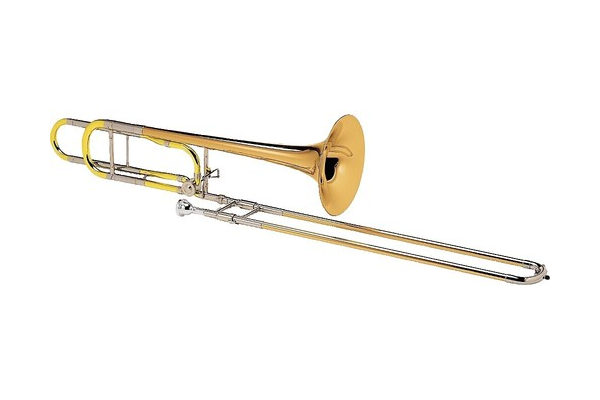
Conn-Selmer designed this model specifically to address common frustrations that cause beginners to quit, and their approach shows genuine insight into the learning process rather than just cost-cutting to hit a price point. The 500-inch bore provides just enough back-pressure that beginners can feel when they’re supporting properly without requiring the lung capacity of an experienced player. The response throughout the range feels remarkably even; there aren’t those dead spots in the middle register that plague some budget instruments and confuse developing players about whether they’re doing something wrong technically or fighting their equipment.
Conn-Selmer’s heritage in brass manufacturing really shows in the thoughtful design details. The 8-inch yellow brass bell delivers surprising projection for a student model, which matters more than most beginners realize—being heard in ensemble settings builds confidence and helps students understand their role in the larger sound. The dual-bore design (combining .485 and .500 measurements) creates interesting tonal possibilities as students develop, allowing the instrument to grow with them through several years of study.
What really sold me on recommending this trombone was watching students’ technical development accelerate when switching from lesser instruments. The slide alignment stays true even after the inevitable bumps and bell-first drops that happen in school environments. Those exploring different musical contexts might appreciate how versatile instruments like this can be across various songs and performance styles.
Pros:
- Exceptionally easy initial tone production for absolute beginners
- Smaller bore size perfect for younger or smaller-statured players
- Dual-bore design offers surprising versatility as skills develop
- Strong projection that helps beginners feel confident in ensemble settings
- Competitive pricing that doesn’t sacrifice essential quality features
Cons:
- Yellow brass bell produces slightly brighter tone than some prefer
- May require upgrade sooner than larger-bore models for advancing students
- Included mouthpiece works but doesn’t optimize the instrument’s potential
Bach TB450B Trombone
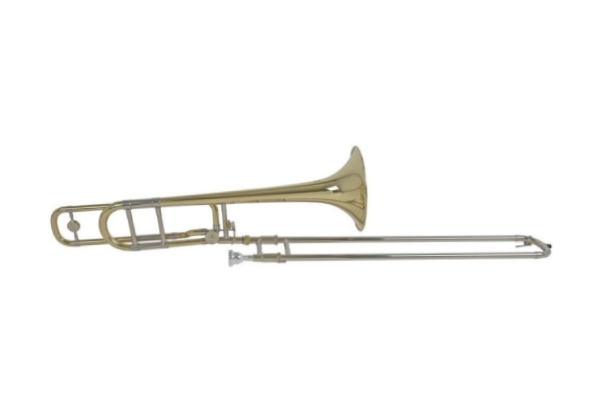
When students start showing serious commitment and talent, the Bach TB450B frequently becomes my recommendation for that critical transition from casual interest to dedicated practice. Bach’s reputation in the brass world is legendary, and while this isn’t their top-tier professional line, the TB450B inherits enough of that engineering excellence to feel like a genuine Bach rather than just a name licensing exercise.
The .525-inch bore positions this instrument perfectly for students ready to develop their sound more fully without jumping straight to professional models that might overwhelm their developing technique. The rose brass bell produces that classic Bach warmth that frankly sounds more expensive than the price point suggests.
Bach’s slide construction deserves special mention because it addresses one of the biggest frustrations in student instruments: inconsistent slide response. The chrome-plated nickel silver inner slide maintains its smoothness remarkably well even when students forget slide cream more often than they remember it. The quick-switch valve section operates smoothly right out of the case, and unlike some budget F-attachments, Bach’s design actually functions reliably rather than being purely decorative.
Build quality throughout feels substantial—this is clearly designed to survive the school band environment rather than being a delicate instrument that requires kid-glove treatment. For students considering different equipment investments, understanding how quality varies across categories like headphones can inform broader gear decisions.
Pros:
- Authentic Bach tone quality typically found only in professional models
- Exceptional slide construction that maintains performance with typical student care
- Bore size that encourages proper technique development naturally
- Build quality that justifies viewing this as a long-term investment
- Balanced design reduces physical fatigue during extended practice
Cons:
- Premium pricing places it at the higher end of beginner budgets
- Slightly heavier than some competitors may challenge very young players
- Rose brass warmth may not suit students specifically interested in jazz performance
Mendini MTB-L Tenor Slide Trombone
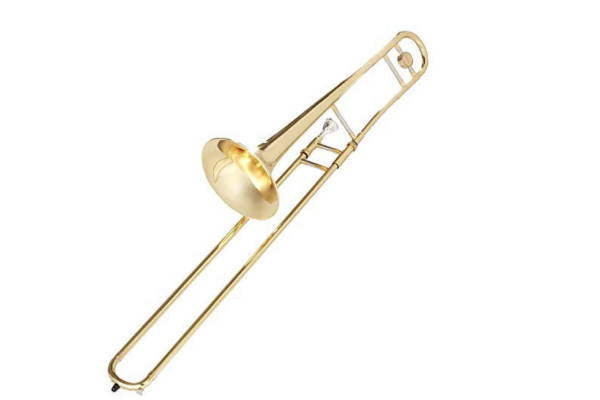
The Mendini MTB-L represents something I initially approached with skepticism—a budget-friendly package that claims to include everything beginners need at a fraction of traditional instrument costs. While this isn’t an instrument I’d recommend for serious, long-term study, it serves a legitimate purpose for families testing whether trombone is the right choice before making a substantial financial commitment.
The .500-inch bore provides enough resistance that students learn proper air support from the beginning, though the response isn’t as refined as higher-end models. The 8-inch bell projects adequately in ensemble settings, though solo passages reveal some of the tonal limitations inherent in the price point.
Mendini’s all-inclusive approach actually offers surprising value for complete beginners. The package includes a case that’s genuinely protective , a surprisingly decent mouthpiece that works well for most beginners, cleaning supplies, and even a basic instruction guide. For families unsure whether their child will stick with band beyond the first semester, this comprehensive package eliminates those additional first-week expenses that can add up quickly. The slide action won’t win any awards for smoothness, but with proper maintenance and realistic expectations, it functions adequately for learning fundamental technique.
The instrument’s limitations actually taught them excellent maintenance habits—they learned quickly that inconsistent slide care led to immediate playability problems, creating good practice routines that served them well on better instruments. However, I’m always transparent with families that this represents a one-to-two-year instrument rather than something that will carry students through high school and beyond.
Pros:
- Remarkably affordable entry point for families testing commitment levels
- Complete package eliminates surprise additional expenses
- Adequate tone quality for beginning band participation
- Durable construction considering the price point
- Functional bore size that teaches proper support fundamentals
Cons:
- Slide action requires diligent maintenance to remain playable
- Tonal limitations become apparent as students advance beyond basics
- Build quality won’t support extended years of serious study
- Resale value minimal compared to established brand instruments
Jupiter JTB700V Standard Trombone
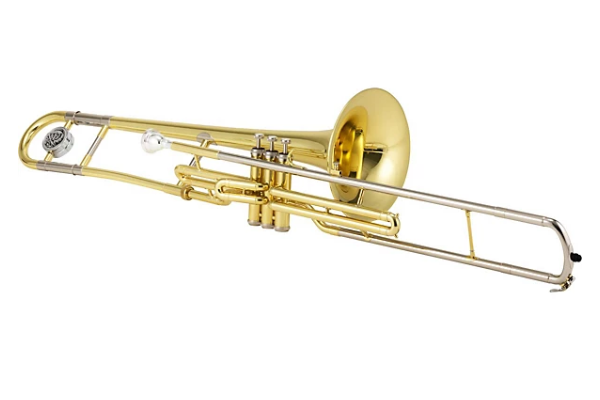
Jupiter instruments don’t always receive the recognition they deserve in discussions about student brass, which is unfortunate because the JTB700V represents some of the most thoughtful beginner trombone design I’ve encountered in recent years. They’ve clearly studied what actually helps students succeed rather than simply replicating traditional designs at lower price points.
The .525-inch bore might seem like standard specification, but Jupiter’s execution of this dimension feels distinctly different from competitors. The bore taper creates interesting response characteristics—there’s enough resistance in the upper register to develop control, but the lower positions open up beautifully without requiring excessive air support. The rose brass bell produces warm, centered tone that flatters developing embouchures while still offering enough projection for ensemble work.
What genuinely impressed me was Jupiter’s slide construction, which rivals instruments costing significantly more. The nickel silver inner slide moves with remarkable smoothness even after weeks of typical student use and maintenance habits. The outer slide construction feels substantial without being heavy, and the alignment has held up remarkably well through the bumps and scrapes inevitable in school environments. For those evaluating different audio equipment investments, understanding quality indicators across categories like earbuds can sharpen your evaluation skills.
Jupiter’s attention to student-specific needs shows in unexpected details. The balanced weight distribution means younger players can maintain proper playing position without fatigue, and the hand positions feel natural rather than forcing uncomfortable reaches. The included case offers excellent protection with thoughtful storage compartments that encourage students to keep accessories organized.
Pros:
- Exceptional slide action that maintains quality with typical student care
- Forgiving response across all registers supports consistent development
- Thoughtful ergonomic design that encourages proper playing position
- Outstanding value proposition considering build quality and performance
- Warm tone production that flatters beginners without masking technique issues
Cons:
- Brand recognition lower than some competitors may affect resale value
- Medium-large bore might feel challenging for very young beginners
- Limited availability in some regions compared to major brand instruments
Frequently Asked Questions
What size trombone should a beginner start with?
Most beginners thrive on tenor trombones with .500 to .525-inch bores, which provide the ideal balance between manageable resistance and proper tone development. I’ve found that students under ten years old or with smaller builds often succeed more quickly on .500-inch bores, while older beginners and those with larger lung capacity can handle .525-inch bores comfortably from the start. The key consideration isn’t just age but physical development—can the student comfortably reach all seven slide positions while maintaining proper posture and hand position? During my years teaching, I’ve seen too many students develop bad habits trying to play instruments that were physically too large for their current development, creating technical issues that took months to correct later.
Should I buy or rent a beginner trombone?
This decision depends heavily on your specific situation and commitment level. Renting makes excellent sense for complete beginners testing their interest, especially since most music stores offer rent-to-own programs where payments eventually build equity toward purchase. However, if you’re reasonably confident about long-term commitment, purchasing a quality beginner instrument often proves more economical over time. I typically recommend renting for the first semester or school year, which provides valuable insight into whether the student genuinely enjoys trombone before making a significant investment. For families with multiple children who might eventually use the instrument, purchasing becomes even more attractive since one quality trombone can serve several students over many years.
How much should I spend on a first trombone?
Quality beginner trombones typically range from three hundred to eight hundred dollars, with the sweet spot around five hundred dollars for instruments that balance quality and longevity. While tempting, instruments below two hundred dollars often create more frustration than they’re worth—poor slide action, inconsistent response, and disappointing tone quality can make learning unnecessarily difficult and may even convince students they lack talent when really they’re fighting inadequate equipment. Conversely, spending over a thousand dollars on a true beginner rarely makes sense unless you’re absolutely certain about long-term commitment. I’ve found that instruments in the four-to-six hundred dollar range from established manufacturers offer the best value, providing quality that supports several years of development without requiring immediate upgrades.
Do I need a trombone with an F-attachment for beginning students?
Almost universally, no—beginning students should start on straight tenor trombones without F-attachments. The additional complexity of the trigger valve and the altered slide positions in F can confuse students still mastering basic technique and positions. I’ve watched beginners become overwhelmed trying to manage both the fundamental challenges of producing tone and coordinating breath with slide movement while also learning when and how to use the F-attachment. The straight tenor allows students to focus entirely on developing solid fundamentals: consistent tone production, accurate intonation, smooth slide technique, and proper breathing. Most students benefit from at least two to three years on a straight tenor before adding the complexity of an F-attachment, though exceptionally advanced students might be ready sooner.
How important is the brand name when choosing a beginner trombone?
Brand reputation matters significantly but not for the reasons many assume. Established manufacturers like Yamaha, Bach, and Conn-Selmer have earned their reputations through decades of consistent quality control, thoughtful design, and reliable customer service. However, lesser-known brands like Jupiter have developed genuinely competitive instruments that sometimes offer better value than their more famous competitors. What matters most is the specific model’s design and construction quality rather than just the name on the bell. During my testing and teaching experience, I’ve encountered excellent instruments from unexpected manufacturers and disappointing models bearing prestigious names. Focus on how the specific trombone plays, responds, and holds up to regular use rather than assuming brand recognition guarantees quality. Research specific models, read reviews from actual users and teachers, and whenever possible, test instruments before purchasing to make informed decisions based on performance rather than marketing.