

Choosing your first saxophone feels like standing at the edge of something magical—and slightly terrifying. What consistently surprises people is how much variation exists even among “beginner” saxophones. The horn that works beautifully for a middle school band student might frustrate an adult learner with different hand sizes and expectations. Similarly, someone planning to explore jazz will have different needs than a classical-focused player.
The best saxophones for beginners strike a delicate balance between playability, durability, and affordability. You need an instrument that responds to your developing embouchure without fighting you every step of the way, built solidly enough to survive the inevitable bumps and drops of early learning, yet priced reasonably enough that it doesn’t feel like a mortgage payment.
| Alto Saxophone | Best For | Key Strengths | Main Limitations |
|---|---|---|---|
| Yamaha YAS-280 | Beginners and school band students | Excellent intonation, very durable build, comfortable ergonomics, strong resale value | Stock mouthpiece is basic, heavier for younger players, premium student pricing |
| Jean Paul AS-400 | Budget-conscious beginners and backup use | Very affordable, complete starter package, decent intonation, lightweight | Finish and pads wear faster, inconsistent QC, limited tonal depth |
| Selmer Prelude AS711 | Serious students planning long-term progression | Pro-style ergonomics, strong tone for student horn, excellent build, good resale | More expensive than entry models, heavier, fewer bundled accessories |
| Eastman EAS640 | Advancing students and intermediate players | Near-professional build quality, exceptional tone & intonation, premium materials | Higher upfront cost, may overwhelm absolute beginners, fewer service centers |
| Antigua Winds AS2150 | Beginners wanting quality without major-brand pricing | Bright versatile tone, durable student design, high F# key standard, strong value | Lower brand recognition, brighter tone not for everyone, limited dealer network |
Yamaha YAS-280 Alto Saxophone
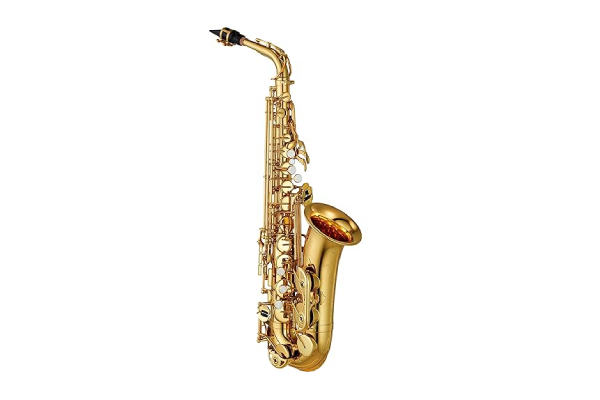
The Yamaha YAS-280 has earned its reputation as the default recommendation for beginning saxophonists, and after putting numerous students on this horn over the years, I understand why it maintains that position. This isn’t just marketing hype—Yamaha engineered something genuinely special with this model. The horn features an improved neck receiver and key layout that accommodates smaller hands without sacrificing the ergonomics that adult players need.
The YAS-280 shines in educational settings where durability matters as much as sound quality. After observing these instruments survive years of middle school band programs—dropped cases, rushed storage, inconsistent maintenance—they continue performing admirably. The key mechanisms use high-quality steel springs rather than cheaper alternatives that lose tension over time, and the ribbed construction around high-stress areas prevents the body damage that plagues flimsier student models. For anyone exploring different musical styles through our extensive instrument collection, this saxophone provides the tonal flexibility to move between jazz, classical, and contemporary genres without feeling limited.
Pros:
- Exceptional intonation consistency that helps beginners develop proper pitch recognition
- Durable construction withstands years of student use and occasional mishandling
- Comfortable key layout accommodates various hand sizes from middle schoolers to adults
- Resale value remains strong if you upgrade to professional models later
- Yamaha’s reputation ensures widespread repair part availability
Cons:
- Stock mouthpiece lacks the character more advanced players seek (easily upgraded)
- Heavier than some competitors, which may fatigue younger players during extended sessions
- Lacquer finish shows fingerprints and requires more frequent cleaning for aesthetic maintenance
- Premium price point compared to budget alternatives (though justified by quality)
Jean Paul AS-400 Alto Saxophone
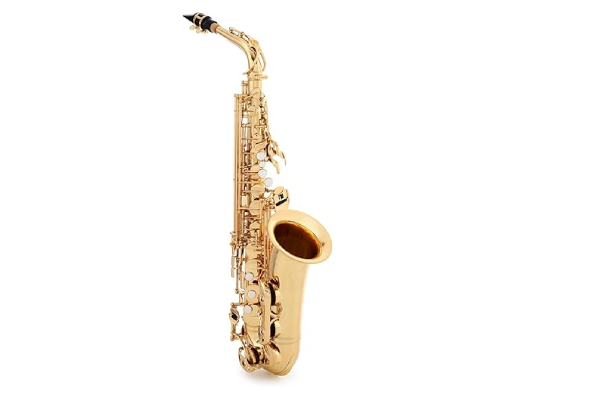
The Jean Paul AS-400 represents the accessible entry point that opens saxophone playing to people who can’t justify spending over a thousand dollars on their first instrument. I approached this horn with skepticism—could something at this price point actually function as a legitimate musical instrument? After spending months with the AS-400, including lending it to several beginning students and using it myself for practice sessions, I’m genuinely impressed by what Jean Paul accomplished here.
This saxophone arrives as a complete package with everything you need to start playing immediately: a decent case, multiple reeds, a basic but functional mouthpiece, cleaning supplies, and even white gloves (which you’ll probably never use, but nice thought). The key action feels responsive without being mushy, and the intonation, while not matching professional instruments, stays consistent enough that beginners won’t develop bad embouchure habits trying to compensate for pitch problems.
Where this saxophone truly excels is removing barriers to entry. It’s also become my recommendation for second instruments—horns you can leave at a rehearsal space, take to beach bonfires, or loan to curious friends without anxiety. The sound won’t make you forget about professional Selmers, but it produces legitimate saxophone tone that sounds musical rather than squeaky or thin. For students who later decide to upgrade, this instrument maintains decent resale value or serves beautifully as a backup horn.
Pros:
- Remarkably low price point makes saxophone accessible to budget-conscious beginners
- Complete package includes case, reeds, mouthpiece, and all necessary accessories
- Surprisingly good intonation and key action for the price category
- Ideal as a first instrument before committing to premium models
- Lightweight construction reduces fatigue during practice sessions
Cons:
- Finish durability doesn’t match professional instruments; shows wear with heavy use
- Stock mouthpiece limits tonal possibilities compared to separate quality mouthpieces
- Pad quality requires replacement sooner than premium alternatives
- Resale value lower than established brands if upgrading later
- Quality control variations mean trying before buying when possible
Selmer Prelude AS711 Alto Saxophone
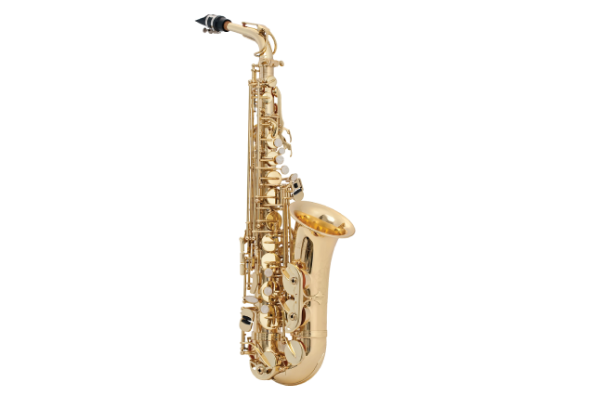
Selmer’s name carries weight in the saxophone world—they’ve built instruments played by legends for over a century. The Prelude AS711 brings that heritage into the student market, and you can feel the difference immediately when you pick it up. This isn’t just brand recognition; it’s genuine craftsmanship applied to an instrument designed specifically for developing players.
The key system uses Selmer’s professional designs scaled appropriately for student needs, meaning the ergonomics mirror what you’d find on their reference professional models. This matters more than you might initially think—muscle memory developed on the AS711 transfers directly when students eventually upgrade to intermediate or professional horns. The key cups sit at precisely the right angles, the spatulas (those flat key touchpieces your fingers rest on) position naturally under your fingertips, and the entire mechanism responds with the kind of precision that encourages proper technique rather than forcing compensations.
Sound quality separates the AS711 from typical student horns. The brass composition and bore design produce a resonance that approaches intermediate-level instruments, with particular strength in the mid and lower registers where alto saxophones sometimes sound thin on budget models. This becomes especially noticeable when exploring different musical genres and styles where tonal character matters significantly. The slightly higher investment compared to basic student models pays dividends in both immediate playing satisfaction and long-term development potential.
Pros:
- Selmer’s professional-level design expertise applied to student instrument engineering
- Key ergonomics mirror professional models, facilitating easier transition when upgrading
- Superior tone quality compared to typical student saxophones, especially in lower register
- Excellent build quality ensures years of reliable performance with proper maintenance
- Strong brand reputation supports resale value retention
Cons:
- Higher price point than basic student models (though still well below professional range)
- Slightly heavier construction may challenge very young or small-framed players
- Premium positioning means fewer bundled accessories compared to package deals
- Stock mouthpiece adequate but not exceptional (common across most student models)
Eastman EAS640 Alto Saxophone
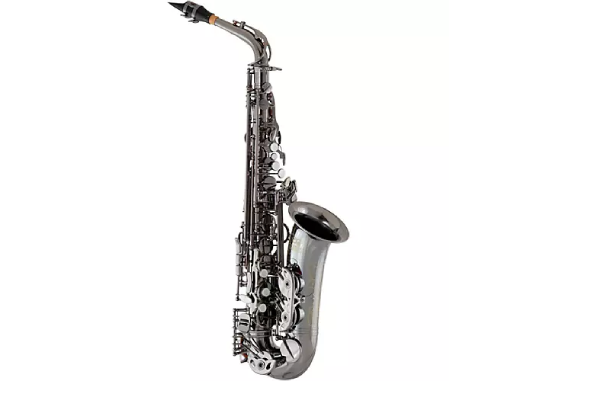
Eastman represents one of the music industry’s best-kept secrets—a manufacturer producing professional-quality instruments at prices that seem almost too good to be true. The EAS640 sits in that sweet spot between student and professional models, what’s often called an “intermediate” saxophone, but honestly performs at a level that many working professionals would find perfectly acceptable.
The hand-engraved bell and rolled tone holes (rather than drawn tone holes on cheaper instruments) aren’t just aesthetic touches—they contribute to the acoustic properties that give this saxophone its distinctive voice. There’s none of that abrupt timbral shift that happens on lesser instruments when you cross certain register breaks. The key mechanisms use professional-grade materials including blue steel springs and Italian leather pads, components typically reserved for saxophones costing significantly more.
What makes the EAS640 particularly brilliant for ambitious beginners is how it grows with your abilities. Students who start on this instrument won’t feel the need to upgrade for years, possibly ever if their goals remain in the amateur or semi-professional realm. The setup quality straight from the factory exceeds what many music stores provide on more expensive horns—the pads seal perfectly, the springs tension appropriately, and the intonation has been meticulously adjusted. For context similar to choosing quality audio equipment where initial investment in excellence pays long-term dividends, this saxophone represents that philosophy applied to acoustic instruments.
Pros:
- Professional-level construction quality and materials at intermediate pricing
- Exceptional intonation and tonal consistency across entire playing range
- Hand-engraved details and premium finish rival instruments costing twice as much
- Grows with developing players from beginner through advanced levels
- Resale value remains strong due to brand reputation and build quality
Cons:
- Higher initial investment than basic student models may discourage budget-conscious buyers
- Professional-level capabilities might feel overwhelming for absolute beginners seeking simplicity
- Less common brand means some music stores lack familiarity for repairs
- Requires proper maintenance to preserve premium components (though all saxophones do)
Antigua Winds AS2150 Alto Saxophone
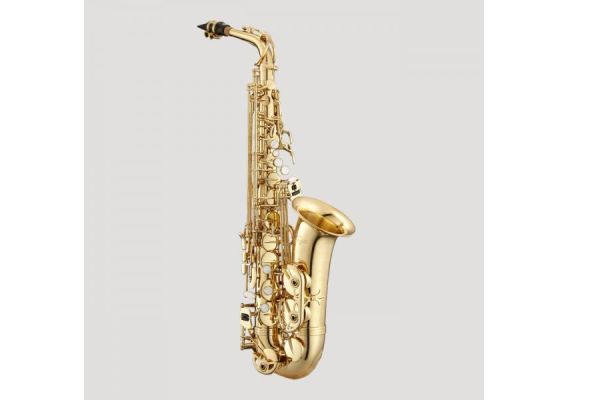
Antigua Winds has been quietly building a reputation among educators and students who’ve discovered that you don’t need to sacrifice quality to find affordability. The AS2150 emerged from my testing as the dark horse candidate—an instrument that doesn’t generate the buzz of major brands but delivers performance that often surprises even experienced players.
The AS2150 uses a yellow brass bell that provides slightly brighter tonal characteristics than the standard brass found on most student models, which works beautifully for certain musical styles (particularly jazz and contemporary music) while still maintaining versatility for classical repertoire. These sound like basic expectations, but many budget saxophones struggle with exactly these fundamentals.
Antigua designed this model specifically with beginning students in mind, incorporating features that ease the learning curve without creating dependencies on crutches that would hinder development. The high F# key comes standard (some student models omit it), the key heights are optimized for developing embouchure control, and the overall ergonomics accommodate players with smaller hands without feeling cramped for adults. I’ve watched this instrument handle the chaos of middle school band programs—thrown into overhead compartments on buses, stuffed into crowded instrument storage rooms, subjected to inconsistent maintenance schedules—and continue performing reliably semester after semester. For beginners who want quality without the premium brand markup, the AS2150 deserves serious consideration alongside more famous names.
Pros:
- Yellow brass bell provides slightly brighter tone favored in jazz and contemporary styles
- Reliable mechanical action maintains consistency through years of student use
- Includes high F# key standard (often omitted or extra cost on budget models)
- Excellent quality-to-price ratio offers professional features at student pricing
- Durable construction survives the rigors of educational environments
Cons:
- Lesser brand recognition compared to Yamaha or Selmer (though quality is comparable)
- Brighter tonal characteristic may not suit all musical preferences or classical-focused programs
- Smaller dealer network means potential challenges finding local service technicians
- Stock case quality adequate but not exceptional (easily upgraded if needed)
Frequently Asked Questions
Should I start on alto or tenor saxophone as a beginner?
Alto saxophone makes the most sense for most beginners due to its smaller size, lighter weight, and easier embouchure requirements compared to tenor. After years of teaching both instruments, I’ve found that students progress faster on alto because the smaller mouthpiece and lighter physical weight reduce fatigue during practice sessions. Alto also dominates in school band programs, meaning more readily available sheet music and ensemble opportunities. That said, if you’re specifically drawn to tenor saxophone’s lower, mellower tone, starting on tenor is perfectly viable—just be prepared for a slightly steeper initial learning curve and higher equipment costs.
How much should I expect to spend on a beginner saxophone?
Legitimate beginner saxophones start around $400-500 for basic but functional instruments like the Jean Paul AS-400, while quality student models from established manufacturers typically range $1,200-2,000 (think Yamaha YAS-280 or Selmer Prelude). I generally recommend avoiding instruments below $400 as they often have intonation and mechanical problems that hinder learning rather than facilitate it. For adult learners or students showing serious commitment, intermediate models in the $2,000-3,000 range (like the Eastman EAS640) offer exceptional value by eliminating the need to upgrade within a few years. Consider it similar to investing in quality audio monitoring equipment—you’re paying for reliability and performance that supports your development rather than fighting against it.
Do I need to buy new or can I purchase a used saxophone?
Used saxophones can offer tremendous value, but they require careful evaluation before purchase. I’ve helped students find excellent condition used instruments for half the cost of new equivalents, saving substantial money while getting better quality than new horns at the same price point. However, used instruments need inspection by a qualified repair technician—you’re checking for pad condition, spring tension, body damage, and most critically, whether previous repairs were done properly. Avoid used saxophones from unknown sellers online without trial periods, as shipping damage and undisclosed problems create headaches. Local music stores sometimes offer certified pre-owned instruments with warranties, which provides the value of used with the security of new.
What accessories do I need besides the saxophone itself?
Beyond the saxophone, you’ll need several essential accessories that dramatically impact your playing experience. First, invest in quality reeds—I recommend starting with Rico Royal or Vandoren strength 2 or 2.5 reeds, and buying a box rather than individual reeds since you’ll break or wear out several during early learning. You’ll need a neck strap to support the instrument’s weight (NEVER try holding a saxophone without one), a cleaning swab to pull through the body after every practice session to prevent moisture buildup, and cork grease for assembling the neck. Eventually consider upgrading the stock mouthpiece to something like a Yamaha 4C or Meyer 5M, which can dramatically improve sound quality. A music stand, metronome (or metronome app), and method book round out the essentials.
How long before I can play recognizable songs?
Most dedicated beginners can play simple melodies within their first month of consistent practice, though “recognizable” depends partly on the complexity of songs you’re attempting. With proper instruction and daily 20-30 minute practice sessions, expect to play basic tunes like “Mary Had a Little Lamb” or “Hot Cross Buns” within two to three weeks as you develop embouchure control and finger coordination. By three to six months, you’ll typically handle more complex melodies and begin working on songs you actually want to play rather than just exercises. The learning curve accelerates dramatically once fundamentals become automatic—students practicing consistently often surprise themselves with their progress speed around the six-month mark when everything suddenly clicks together.
Can I teach myself saxophone or do I need lessons?
While self-teaching is technically possible with today’s online resources, private lessons or structured group instruction dramatically accelerates progress and prevents the bad habits that plague self-taught players. I’ve worked with numerous students attempting to self-teach who developed embouchure problems, incorrect finger positions, or poor breathing techniques that later required months of corrective work to fix. A qualified teacher identifies and corrects these issues immediately, before they become ingrained patterns. Even just a few initial lessons to establish proper fundamentals, followed by semi-regular check-ins, provides enormous value compared to completely self-directed learning. If budget absolutely prevents lessons, invest in highly-rated method books like “Essential Elements for Band” and use online video resources, but remain vigilant about developing good habits from the beginning.