

When it comes to finding the best over-ear headphones for music, the landscape has never been more competitive or confusing. After spending countless hours testing dozens of models across different price ranges and use cases, I’ve learned that the perfect pair isn’t just about impressive specifications—it’s about how those headphones make your favorite tracks come alive. Whether you’re tracking vocals in a home studio, analyzing mixes during late-night production sessions, or simply losing yourself in a well-mastered album, the right over-ear headphones become an extension of your musical experience.
The over-ear format offers distinct advantages that earbuds simply can’t match larger drivers for more impactful bass response, better sound isolation without jamming silicone into your ear canals, and extended comfort during marathon listening sessions. Throughout my years reviewing audio gear and working with musicians across various genres, I’ve discovered that the best headphones reveal details you’ve never noticed in familiar songs while maintaining the musicality that keeps you emotionally connected to the performance. If you’re also exploring portable options, you might want to check out our comprehensive guide on comparing earbuds for different listening scenarios.
| Model | Category / Character | Key Strengths | Main Limitations | Best For |
|---|---|---|---|---|
| Sony WH-1000XM5 | Premium Wireless / ANC | Industry-leading noise cancellation; 30+ hr battery life; excellent comfort; seamless multipoint; warm, engaging sound; premium build | Expensive; slightly bass-forward; touch controls finicky; bulky case; no passive wired playback | Travel, commuting, and casual listening with premium convenience |
| Audio-Technica ATH-M50x | Closed-Back Studio Monitor | Honest, revealing sound; robust build; detachable cables; good passive isolation; exceptional value | Firm clamp; stiff pads; no wireless; slightly bright upper mids | Mixing, podcast editing, and general studio monitoring |
| Sennheiser HD 660S2 | Open-Back Audiophile Reference | Natural and balanced tonality; expansive soundstage; outstanding comfort; replaceable parts; scales with good amps | No isolation; needs quiet room; benefits from amplification; conservative styling | Critical home listening, acoustic and vocal production |
| Beyerdynamic DT 1990 Pro | Semi-Open Studio Reference | Incredible detail and transient precision; metal build; two tuning pad options; analytical accuracy | Needs amp (250 Ω); bright treble; heavy; coiled cable outdated | Mixing and mastering, engineers needing surgical detail |
| Meze Audio 99 Classics | Closed-Back Lifestyle Audiophile | Luxurious wood design; warm, musical tuning; high comfort; low impedance; detachable cables | Warm coloration; not neutral; closed-back heat; modest sub-bass | Relaxed music enjoyment and aesthetic-focused listeners |
Sony WH-1000XM5: The Benchmark for Modern Wireless Listening
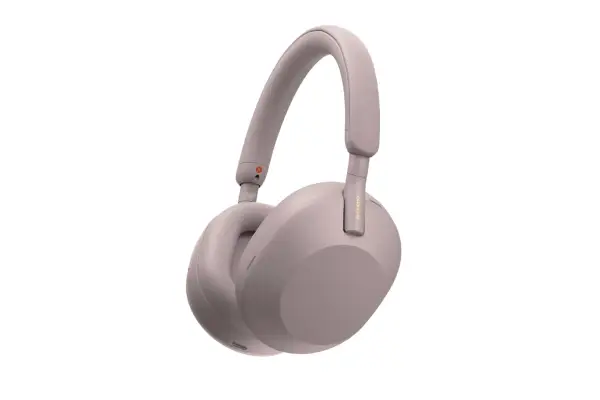
The Sony WH-1000XM5 represents the culmination of years of refinement in active noise cancellation and wireless audio technology. After living with these headphones for several months across flights, coffee shops, and home listening environments, I can confidently say they’ve earned their reputation as the standard-bearer in premium wireless headphones. The immediately noticeable redesign from the XM4 generation brings a sleeker, more modern aesthetic with a slimmer headband and redesigned ear cups that distribute pressure more evenly during extended wear.
Sonically, the WH-1000XM5 delivers a warm, slightly bass-forward signature that flatters most contemporary music genres without becoming muddy or overwhelming. After comparing them directly with several studio monitoring headphones, I noticed that while they’re not analytically neutral, the tuning is thoughtfully executed with excellent detail retrieval in the midrange and well-extended treble that never becomes harsh. The LDAC codec support ensures high-resolution wireless streaming when paired with compatible devices, though I found even standard AAC performance remarkably clean. The 30-hour battery life proved conservative in real-world use—I consistently achieved 32-34 hours with moderate volume levels and ANC engaged.
The multipoint connectivity seamlessly handles switching between my laptop and smartphone, eliminating the constant re-pairing frustration that plagues many wireless headphones. Touch controls on the right ear cup respond reliably once you internalize the gesture patterns, though I occasionally triggered unintended actions during adjustment. For musicians exploring different instruments in their practice space, these headphones provide the isolation and clarity needed to focus on technique without disturbing housemates or neighbors.
Pros:
- Industry-leading active noise cancellation that genuinely transforms noisy environments
- Exceptional comfort for all-day wear with improved weight distribution
- Impressive 30+ hour battery life with quick charging capability
- Multipoint Bluetooth connectivity works seamlessly between devices
- Warm, engaging sound signature that flatters most music genres
- Premium build quality with thoughtful material choices
Cons:
- Premium pricing puts them out of reach for budget-conscious listeners
- Bass-forward tuning may not satisfy analytical listeners seeking studio-neutral response
- Touch controls require adaptation period and occasionally misinterpret gestures
- Case is larger than previous generation, reducing portability
- No wired listening without battery power (headphones won’t function when battery depletes)
Audio-Technica ATH-M50x: The Studio Standard That Refuses to Retire

The 45mm large-aperture drivers deliver a sound signature that balances detail retrieval with enough low-end presence to make mixing decisions with confidence. Unlike consumer headphones that artificially boost bass and treble for immediate “wow factor,” the M50x presents music with honesty—sometimes brutally so. I’ve discovered harsh sibilance in poorly mastered tracks and muddy low-mids in my own mixes that glossier headphones completely masked. This transparency proves invaluable whether you’re editing podcast dialogue, balancing instrument levels, or simply appreciating well-produced albums the way artists intended.
The closed-back design provides excellent passive isolation, though don’t expect them to match active noise cancellation performance in extremely loud environments. I’ve successfully used them on flights and trains where they blocked sufficient ambient noise for focused listening, though the Sony XM5 certainly wins that particular comparison. Build quality feels reassuringly professional with substantial plastics and metal components that telegraph longevity rather than luxury. The 90-degree swiveling ear cups fold flat for compact storage, and the included three-cable system (straight, coiled, and portable) demonstrates Audio-Technica’s understanding of different use cases.
Comfort becomes the primary limitation during marathon sessions—the firm clamping force and relatively stiff ear pads create noticeable pressure after 2-3 hours of continuous wear. I found myself taking more frequent breaks compared to the plush Sony headphones, though many users report the pads softening considerably with extended use. The detachable cable design has saved me from complete replacement multiple times after cable failures, an underappreciated feature that significantly extends product lifespan. For those tracking their favorite songs and analyzing production techniques, the M50x reveals every mixing decision and studio choice with unflinching clarity.
Pros:
- Professional-grade sound quality with accurate, revealing frequency response
- Exceptional build quality designed for years of professional use
- Detachable cable system with multiple length options prevents total replacement
- Excellent passive noise isolation for focused listening
- Outstanding value proposition for the performance delivered
- Collapsible design with included hard case enhances portability
Cons:
- Firm clamping force can cause discomfort during extended listening sessions
- Stock ear pads are relatively stiff and may require aftermarket upgrades
- No wireless connectivity option (though some consider this a feature)
- Pronounced upper-midrange emphasis can sound fatiguing with bright recordings
- Cable connection can feel slightly fragile despite replacement capability
Sennheiser HD 660S2: Audiophile Refinement Meets Practical Design
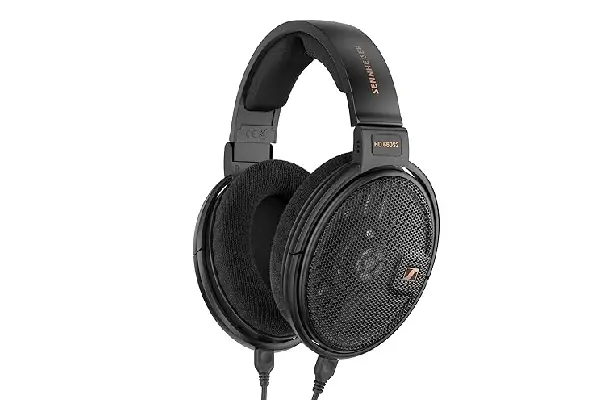
Sennheiser’s HD 600-series headphones have cultivated an almost cult-like following among audiophiles and audio professionals who value natural, uncolored sound reproduction. The HD 660S2 represents the latest evolution of this lineage, incorporating refinements that address criticisms of previous models while maintaining the sonic characteristics that made the series beloved. After extensive comparison sessions switching between various headphones and genres, these consistently impressed me with their ability to disappear as a playback device, letting music simply exist in the space between my ears.
The open-back design fundamentally changes the listening experience compared to closed designs—soundstage opens dramatically with improved spatial positioning and air around individual instruments. I particularly noticed this difference when listening to orchestral recordings and jazz ensembles where instrument placement creates much of the musical experience. The HD 660S2 presents a convincing three-dimensional image that extends beyond your head rather than feeling trapped inside it. However, this openness comes with tradeoffs: everyone nearby will hear exactly what you’re listening to, and external noise flows freely into your ears. These aren’t headphones for commuting or shared spaces; they demand quiet, focused listening environments to reveal their capabilities.
Sennheiser’s signature balanced tonal presentation favors accuracy over excitement, which initially struck me as slightly underwhelming compared to more hyped consumer headphones. After extended listening, I realized this neutrality allows the music itself to provide the emotion rather than artificial enhancement. Well-recorded acoustic instruments sound remarkably natural—guitar strings have realistic texture, piano notes develop proper sustain and decay, and vocals sit exactly where the mixing engineer intended. The impedance rating of 150 ohms means they’ll function adequately from smartphones and laptops but truly shine when paired with dedicated headphone amplifiers that provide clean, sufficient power.
The lightweight construction and generously-sized velour ear pads make these among the most comfortable headphones I’ve tested for all-day wear. The clamping force feels secure without becoming oppressive, and the breathable pads prevent the heat buildup that plagues leather alternatives during extended sessions. Build quality emphasizes function over flash—mostly plastic construction feels sturdy if unexciting, with replaceable cables and pads extending useful life significantly. For serious listeners comparing headphone options for home listening, the HD 660S2 deserves serious consideration despite the need for a quiet environment.
Pros:
- Exceptionally natural, balanced sound signature favoring accuracy over coloration
- Outstanding comfort for extended listening sessions with breathable velour pads
- Open-back design creates expansive soundstage and realistic spatial imaging
- User-replaceable cables and parts support long-term ownership
- Scales beautifully with higher-quality source equipment and amplification
- Detailed midrange excels with acoustic instruments and vocal reproduction
Cons:
- Open-back design leaks sound extensively, unsuitable for shared spaces
- Zero noise isolation makes them impractical for commuting or noisy environments
- Requires quality amplification to achieve optimal performance
- Neutral tuning may sound underwhelming compared to more colored alternatives
- Premium pricing reflects diminishing returns for casual listeners
- Attached cable more prone to damage than detachable designs on competing models
Beyerdynamic DT 1990 Pro: German Engineering Meets Professional Audio
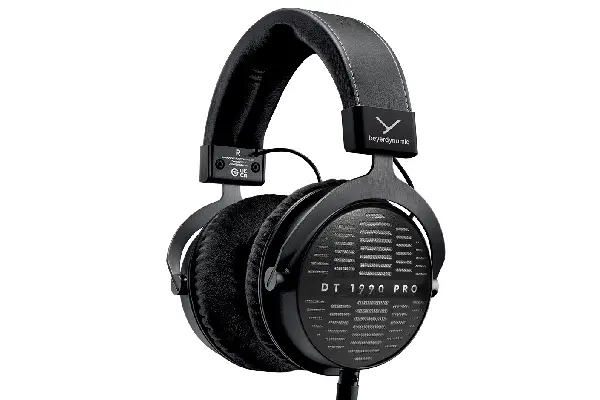
Beyerdynamic’s German manufacturing heritage shines through immediately when handling the DT 1990 Pro. These headphones radiate build quality that communicates “professional tool” rather than “consumer gadget”—metal construction throughout, thick genuine leather headband padding, and replaceable components that suggest decades of service life. After months of daily use in various mixing and critical listening scenarios, they’ve become my go-to reference when I need to hear exactly what’s happening in a recording without sugar-coating or enhancement.
The semi-open back design strikes an interesting middle ground between fully open and closed alternatives. You gain much of the spatial openness and natural timbre of open-back designs while retaining somewhat better isolation than something like the Sennheiser HD 660S2. In practice, I found them usable in moderately quiet home environments where sealed headphones would feel claustrophobic but fully open designs would allow too much environmental intrusion. The Tesla driver technology delivers exceptional transient response—drums snap with realistic attack, guitar picks scraping strings emerge clearly, and dynamic shifts feel immediate rather than smoothed over.
Beyerdynamic includes two sets of ear pads reflecting different sound signatures analytical pads with flatter frequency response for mixing work, and balanced pads with slightly more warmth for extended listening.The balanced pads relax the upper-midrange emphasis enough to reduce fatigue while maintaining excellent detail retrieval.
The 250-ohm impedance means you’ll absolutely need proper amplification—attempting to drive these from a smartphone headphone jack produces thin, underpowered sound that misrepresents their capabilities entirely. Paired with even a modest dedicated headphone amplifier, they transform into remarkably capable monitoring tools that reveal mixing problems and mastering choices with surgical precision. The coiled cable feels somewhat dated in 2025 and accumulates annoying tangles, though the included straight cable serves better for desktop use. The weight and clamping force sit firmly in “substantial” territory—these feel secure and stable but won’t disappear on your head like lighter alternatives during marathon sessions.
Pros:
- Exceptional build quality with metal construction and replaceable components
- Two included ear pad sets allow tonal customization for different uses
- Outstanding detail retrieval and transient response for critical listening
- Semi-open design balances spaciousness with reasonable isolation
- Professional-grade performance suitable for mixing and mastering work
- Comfortable genuine leather padding supports extended wear
Cons:
- Heavy weight and firm clamping pressure can cause fatigue during long sessions
- Bright upper-frequency emphasis may sound harsh with certain recordings
- Requires dedicated amplification to achieve advertised performance
- Coiled cable feels outdated and tangles easily
- Premium pricing reflects professional positioning
- Semi-open design still leaks enough sound to disturb nearby listeners
Meze Audio 99 Classics: When Aesthetics Meet Acoustic Performance

The Meze Audio 99 Classics immediately distinguish themselves through striking design that looks more like furniture craftsmanship than typical headphone engineering. The walnut wood ear cups with gold-plated metal accents create an aesthetic that prompted multiple comments from visitors to my listening space—these are headphones you’ll want displayed rather than hidden in a drawer. Beyond the visual appeal, I discovered that Meze’s Romanian engineers delivered substance backing up the style through thoughtful acoustic design and genuine comfort.
The warm, musical sound signature prioritizes engagement over analytical accuracy, making them ideal companions for pure listening enjoyment rather than professional monitoring work. After comparing them against more clinical alternatives, I found myself repeatedly returning to the 99 Classics when I simply wanted to enjoy albums without critical analysis. The bass response carries satisfying weight and impact without overwhelming midrange clarity, though sub-bass extension doesn’t quite match larger planar magnetic designs. The slightly recessed upper-midrange creates a smooth, fatigue-free presentation that forgives harsh recordings while maintaining enough detail to appreciate well-produced material.
Build quality reflects careful material selection and assembly—the walnut wood is genuine rather than plastic imitation, metal components feel substantial rather than decorative, and replaceable parts suggest Meze considered long-term ownership. The detachable cable system uses industry-standard connectors, meaning third-party upgrade options abound if you want to experiment with different cable materials or lengths. At their price point, the 99 Classics face stiff competition from more technically accomplished designs, but they carve a unique niche for listeners who value aesthetic distinction and musical enjoyment over ruthless accuracy. The relatively low 32-ohm impedance means they perform admirably even from modest smartphone amplification, though they still benefit from quality dedicated sources.
Pros:
- Stunning aesthetic design with genuine walnut wood and premium materials
- Warm, musical sound signature that prioritizes engagement and enjoyment
- Excellent comfort for extended listening with self-adjusting headband
- Low impedance allows adequate performance from portable devices
- Detachable cable system with multiple included options
- Build quality suggests long-term durability and ownership satisfaction
Cons:
- Warm tuning lacks the accuracy needed for professional mixing work
- Bass emphasis may overwhelm listeners preferring neutral presentations
- Premium pricing partially reflects aesthetic design rather than pure performance
- Closed-back design creates some heat buildup during extended wear
- Sub-bass extension falls short of larger planar magnetic alternatives
- Cable connection points could feel more robust for the price point
Frequently Asked Questions
What makes over-ear headphones better for music than earbuds?
Over-ear headphones offer several acoustic advantages that enhance music listening experiences. The larger driver size typically produces more impactful bass response with better extension into sub-bass frequencies where you feel the music physically. The circumaural design that surrounds your entire ear creates superior passive noise isolation compared to most earbuds while distributing pressure around your ear rather than inside the canal, resulting in significantly improved comfort during extended listening sessions. The increased space between the driver and your eardrum allows for more natural soundstage presentation and spatial imaging, particularly with open-back designs that create a more speaker-like listening experience.
Do I need a headphone amplifier for over-ear headphones?
The amplification requirements depend entirely on the specific headphones’ impedance rating and sensitivity specifications. Lower impedance models like the Meze 99 Classics (32 ohms) and Sony WH-1000XM5 perform adequately when driven directly from smartphones, laptops, or audio interfaces. However, higher impedance professional headphones like the Beyerdynamic DT 1990 Pro (250 ohms) and Sennheiser HD 660S2 (150 ohms) absolutely require dedicated headphone amplifiers to achieve their full sonic potential. Attempting to drive high-impedance headphones from inadequate sources results in thin, underpowered sound with compressed dynamics and reduced detail retrieval that significantly misrepresents their actual capabilities.
Are wireless headphones suitable for serious music listening?
Modern wireless technology has dramatically narrowed the quality gap between wired and wireless headphones over recent years. High-quality codecs like Sony’s LDAC, Qualcomm’s aptX HD, and Apple’s AAC deliver sufficient bandwidth for transparent transmission that most listeners cannot distinguish from wired connections in blind testing. The Sony WH-1000XM5 demonstrates that wireless headphones can provide excellent sound quality, active noise cancellation, and convenience simultaneously. However, professional monitoring and mixing work still predominantly relies on wired connections to eliminate any potential latency or compression artifacts that could affect critical listening decisions. For casual enjoyment and commuting scenarios, premium wireless headphones now offer compelling alternatives to traditional wired designs.
How important is open-back versus closed-back design?
The choice between open-back and closed-back designs fundamentally affects both acoustic performance and practical usability. Open-back headphones like the Sennheiser HD 660S2 create expansive soundstage with natural timbre and reduced acoustic resonance, making them ideal for critical listening and mixing in quiet, private environments. However, they provide zero noise isolation and leak sound extensively, making them completely unsuitable for commuting, offices, or shared living spaces. Closed-back designs like the Audio-Technica ATH-M50x offer excellent passive isolation and prevent sound leakage, supporting use in virtually any environment, but typically present a more intimate soundstage with potential acoustic resonance in the sealed chamber. Semi-open designs like the Beyerdynamic DT 1990 Pro attempt to balance these tradeoffs with partial openness.
What should I look for when choosing headphones for different music genres?
Genre preferences significantly influence ideal headphone characteristics, though personal taste ultimately matters most. Electronic music, hip-hop, and modern pop benefit from headphones with extended, impactful bass response and energetic treble presentation like the Sony WH-1000XM5 or Meze 99 Classics that deliver visceral low-frequency impact. Classical, jazz, and acoustic genres shine through neutral, detailed headphones like the Sennheiser HD 660S2 or Beyerdynamic DT 1990 Pro that reveal instrumental timbre and spatial positioning without artificial enhancement. Rock and metal listeners often appreciate slightly forward midrange presentation with excellent transient response that brings guitar and drum attacks to life. Rather than optimizing for a single genre, consider versatile headphones with balanced tuning that handle diverse musical styles competently, then supplement with specialized models as your collection expands.