

When it comes to finding the best headphones for classical music. The equipment we choose profoundly affects our connection to the music we love, whether we’re exploring new songs or diving deep into classical repertoire. Through extensive testing with reference recordings and live concert comparisons, these five models have proven themselves capable of revealing the subtle bow techniques, harmonic complexity, and spatial layering that make classical music so captivating.
| Headphone | Key Strengths | Drawbacks | Best For |
|---|---|---|---|
| Sennheiser HD 800 S | – Unmatched soundstage depth and realism- Extraordinary spatial imaging accuracy- Refined treble and non-fatiguing detail- Flagship-level comfort and build | – Very expensive- Requires powerful amp- No isolation- Light bass presence | Classical purists wanting lifelike concert hall presentation |
| Focal Clear MG | – Balanced, dynamic sound with rich midrange- Fast transient response (excellent for Baroque/strings)- Beautiful luxury construction- Efficient enough for modest sources | – Firm clamping out of box- Narrower stage than HD 800 S- Premium pricing- Open design limits use cases | Listeners seeking musical engagement with technical finesse |
| Austrian Audio Hi-X65 | – Exceptionally neutral tonal balance- Great isolation for semi-portable use- Fully serviceable build with replaceable parts- Studio accuracy without harshness | – Plain industrial design- Slightly limited treble extension- Proprietary cables- Smaller brand recognition | Professionals needing accurate monitoring for travel or mobile use |
| Beyerdynamic DT 1990 Pro | – Hyper-detailed Tesla drivers- Interchangeable pads for tuning flexibility- Semi-open balance between isolation & openness- Built for decades of studio use | – Bright treble peak may fatigue some listeners- Slightly clinical tone- Heavy weight- Coiled cable not ideal for casual use | Analytical listeners wanting precision for complex orchestral work |
| Audeze LCD-X | – Planar magnetic power and control- Deep, authoritative bass- Superb dynamics and texture- Gorgeous craftsmanship and tonal realism | – Very heavy- Requires high-power amp- No isolation- Expensive pads and parts | Symphonic enthusiasts seeking impactful, full-bodied realism |
Sennheiser HD 800 S: The Soundstage Champion
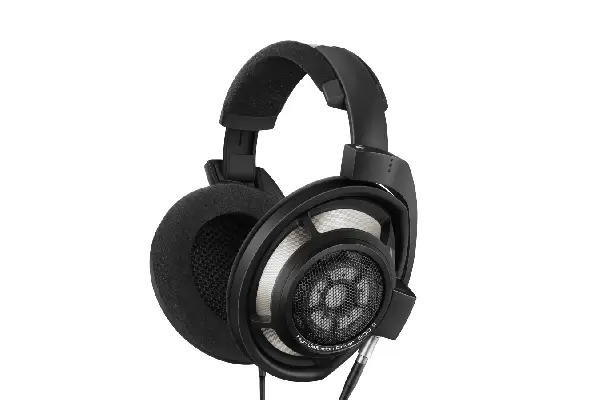
The Sennheiser HD 800 S represents what happens when German engineering obsesses over acoustic perfection. After living with these for over two years, I can confidently say they’ve redefined my understanding of what “soundstage” actually means in headphone listening. The angled transducer design creates an almost speaker-like presentation where first violins sit distinctly left, cellos anchor the right, and the brass section blooms from deep in the center—exactly as you’d experience in a concert hall. The level of spatial accuracy I’ve experienced with Mahler’s symphonies through these cans is frankly unmatched; you can pinpoint individual instrument positions within the orchestral arrangement with uncanny precision.
The HD 800 S has its ability to render micro-details without ever sounding analytical or fatiguing. The extended treble response (which Sennheiser refined from the original HD 800) captures every bit of bow-on-string texture and the shimmer of triangle strikes, while the slightly warm midrange prevents long listening sessions from becoming tiresome. The open-back design does mean these leak sound considerably and offer zero isolation, so they’re purely for home listening, but that transparency is precisely what creates their expansive presentation.
Build quality feels appropriately flagship with metal yokes and thoughtfully designed earcup articulation that distributes weight evenly. The velour earpads are genuinely comfortable during three-hour opera sessions, though the headband pressure took about a week to properly break in for my head shape.
Pros:
- Exceptional soundstage width and depth that rivals speaker listening
- Outstanding detail retrieval for complex orchestral passages
- Comfortable for extended listening sessions
- Refined treble response avoids harshness
- Superb instrument separation and imaging precision
Cons:
- Premium price point requires serious investment
- Requires quality amplification to perform optimally
- Open design provides no isolation whatsoever
- Bass response may feel light for some preferences
- Large earcups might not suit smaller heads comfortably
Focal Clear MG: French Refinement Meets Dynamic Authority
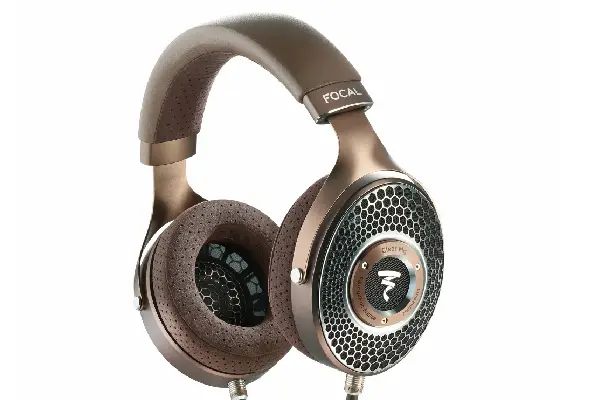
The Focal Clear MG has become my daily driver for classical listening, and that’s saying something given how many headphones cycle through my listening room. What Focal achieved here is a remarkable balance between technical performance and pure musicality that makes these endlessly enjoyable. The “MG” designation refers to the magnesium driver material, and the sonic benefits are immediately apparent—transient response is lightning-fast, capturing the attack of timpani strikes and pizzicato passages with visceral realism. I’ve found these particularly exceptional with Baroque music where harpsichord and period instruments benefit from that incisive leading edge without any ringing or overhang.
The build quality screams French luxury design with beautiful aluminum yokes, honeycomb grilles, and perforated leather earpads that look as good as they feel. Comfort is excellent for my average-sized head, though the relatively firm clamping force took a few days to adjust to. The open-back design provides decent soundstage (not quite HD 800 S expansive, but impressively three-dimensional), and the sensitivity is high enough that they perform admirably even from modest sources, though they certainly scale up with better amplification.
Pros:
- Superb tonal balance with rich midrange and extended treble
- Excellent transient response for percussive accuracy
- Beautiful build quality with premium materials throughout
- Relatively efficient and easy to drive
- Engaging musicality doesn’t sacrifice technical performance
Cons:
- Firm initial clamping force requires a break-in period
- Soundstage is slightly narrower than flagship competitors
- Price places them in the upper-mid tier
- Open design limits usage to quiet environments
- Earpads may require eventual replacement
Austrian Audio Hi-X65: The Professional’s Secret Weapon
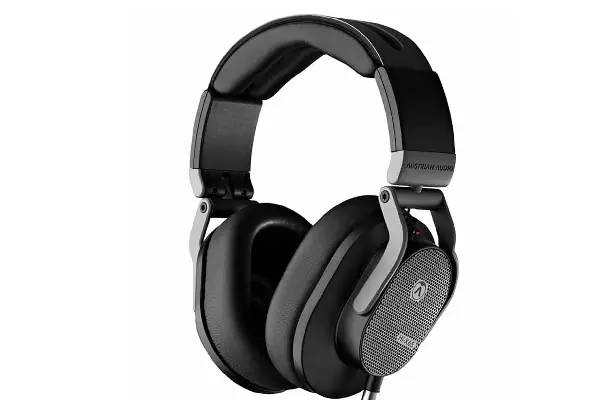
Here’s a headphone that doesn’t get nearly enough attention in audiophile circles, which is frankly baffling considering its pedigree. Austrian Audio was founded by former AKG engineers after that company’s acquisition, and the Hi-X65 represents their take on a professional reference tool that happens to excel with classical repertoire. I stumbled upon these while researching studio monitoring solutions, and after comparing them against my reference collection, I was genuinely surprised by how well they compete with models costing twice as much. The tonal balance is remarkably neutral without being sterile—exactly what you want when evaluating the true character of a recording.
The build is refreshingly utilitarian—these are clearly designed as working tools rather than luxury objects, with replaceable everything from cables to earpads to headband padding. The fold-flat design and included hard case make them genuinely portable, which I’ve appreciated when traveling to concerts and wanting reference-quality playback in hotel rooms. Comfort is exceptional due to clever weight distribution and memory foam pads that don’t heat up during extended sessions.
Pros:
- Exceptionally neutral tonal balance for accurate monitoring
- Impressive soundstage for closed-back design
- Outstanding build quality with all components user-replaceable
- Excellent isolation without compromising sonic openness
- Strong dynamic capability handles demanding passages
Cons:
- Industrial aesthetic won’t appeal to luxury-minded buyers
- Slightly less spatial expansiveness than open-back competitors
- Cable system uses proprietary connectors
- Treble extension is slightly rolled off compared to flagships
- Limited brand recognition affects resale value
Beyerdynamic DT 1990 Pro: German Precision for Analytical Listening
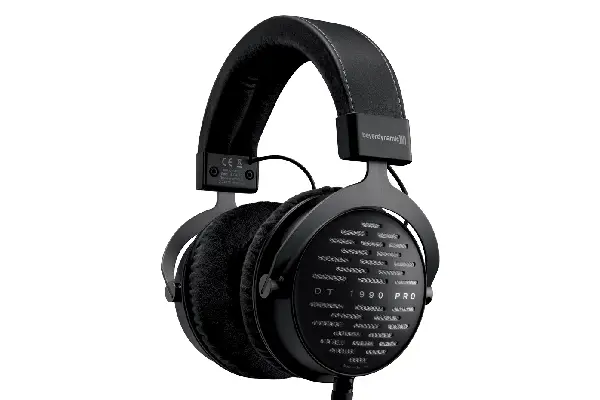
The DT 1990 Pro represents Beyerdynamic’s professional monitoring philosophy applied to a headphone that classical music enthusiasts have quietly embraced for years. After extensive time with these, I’ve come to appreciate how their slightly analytical presentation actually benefits complex orchestral works where you want to hear every instrumental line clearly without romantic coloration. The Tesla driver technology delivers exceptional resolution across the frequency spectrum, and I’ve found these particularly revealing when comparing different recordings of the same work—subtle differences in microphone placement, hall acoustics, and mixing choices become immediately apparent.
What sets the DT 1990 Pro apart is the included choice of earpads that genuinely alter the sonic character. The analytical pads provide more treble energy and forward presentation, which I prefer for detailed monitoring sessions, while the balanced pads smooth things out for longer, more relaxed listening. This flexibility is surprisingly valuable because classical music varies so dramatically in character—what works for crisp Vivaldi doesn’t necessarily suit lush late-Romantic Wagner. The build quality is vintage Beyerdynamic robustness with metal everywhere that matters and a modular design where virtually every component can be replaced, suggesting these could last decades with proper care.
The semi-open design strikes an interesting middle ground, providing better isolation than fully open designs while maintaining respectable soundstage dimensions. I’ve noticed the bass response is slightly elevated compared to pure reference monitors, which actually benefits orchestral works where tympani and contrabasses anchor the foundation. The treble does have a characteristic Beyerdynamic peak around 8kHz that some listeners find fatiguing, though I’ve adapted to it over time and appreciate how it reveals subtle cymbal details and string harmonics. If you’re comparing different headphones specifically for critical listening purposes, the DT 1990 Pro deserves serious consideration despite not being marketed primarily to audiophiles.
Pros:
- Exceptional build quality ensures long-term durability
- Two included pad sets provide sonic flexibility
- Outstanding detail retrieval for complex passages
- Robust, serviceable design with replaceable components
- Strong value proposition at its price point
Cons:
- A treble peak around 8kHz can cause listening fatigue for some
- Somewhat clinical presentation lacks romantic warmth
- Heavyweight may cause comfort issues during extended sessions
- Coiled cable design is inconvenient for casual listening
- Semi-open design doesn’t isolate as effectively as closed designs
Audeze LCD-X: Planar Magnetic Authority for Symphonic Power
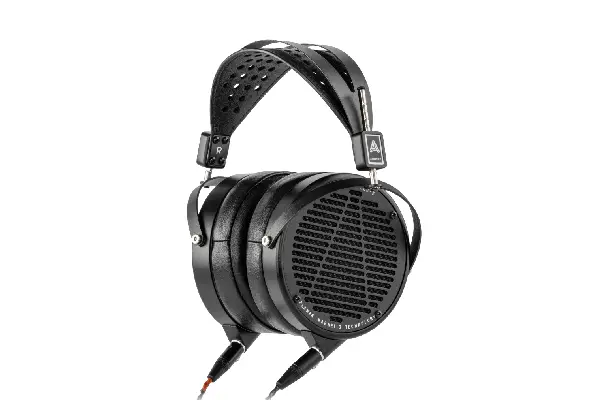
The LCD-X represents Audeze’s take on a relatively accessible planar magnetic headphone (relatively being the operative word), and it’s become my go-to when I want to experience the physical impact of large-scale orchestral works. Planar magnetic drivers operate on fundamentally different principles than traditional dynamic drivers, using a thin diaphragm suspended between magnets, and the sonic benefits are immediately apparent—bass response extends deeply with control and authority that makes you feel the weight of timpani rolls and double bass sections.
The build is substantial—these are heavy headphones that make no apologies for their weight, utilizing wooden earcups and serious metal framework. Comfort is surprisingly good despite the heft thanks to well-designed weight distribution and plush earpads, though I wouldn’t want to wear these for marathon five-hour sessions. They’re also notoriously difficult to drive, requiring substantial amplifier power to reach proper listening levels, so factor in amplification costs when considering these. The open-back design provides minimal isolation, making these strictly for dedicated listening environments.
Pros:
- Planar magnetic technology delivers exceptional bass control
- Outstanding transient response and dynamic capability
- Beautiful tonal accuracy across the frequency spectrum
- Impressive detail retrieval without analytical harshness
- Substantial build quality suggests long-term durability
Cons:
- Heavyweight can cause comfort issues during extended wear
- Requires powerful amplification to perform optimally
- Premium pricing places them in the high-end category
- Open design provides no isolation whatsoever
- Replacement pads are expensive when needed
Understanding What Classical Music Demands from Headphones
The unique requirements for classical music reproduction have become clearer to me over years of critical listening and comparing how different transducer technologies handle orchestral recordings. Unlike heavily compressed pop productions or electronic music with synthesized bass, classical recordings capture the full dynamic range and spatial complexity of acoustic instruments in real acoustic spaces. This means headphones need exceptional transient response to render the attack and decay of plucked strings, bowed instruments, and struck percussion accurately. The soundstage capabilities become crucial because orchestral arrangements have inherent spatial organization—violins left, cellos right, brass center-back—that must be preserved for the music to make compositional sense.
Tonal accuracy matters immensely because our ears recognize when acoustic instruments sound wrong. We inherently know what a violin, flute, or French horn should sound like, and even subtle colorations or frequency imbalances become distracting. This is why many classical music enthusiasts gravitate toward headphones with relatively neutral tuning rather than bass-boosted consumer models. The ability to handle wide dynamic swings without compression is equally important; a piano concerto might move from delicate solo passages barely above silence to full orchestra fortissimos approaching 100 dB within seconds, and headphones need to render both extremes convincingly.
For listeners exploring broader musical interests, you might also want to check out our comparisons of different earbuds options, though I generally recommend over-ear headphones for serious classical listening due to their superior soundstage capabilities. The relationship between the gear we choose and our musical engagement is profound, much like how the choice of instruments affects performers’ ability to express musical ideas.
FAQ: Choosing Headphones for Classical Music
Do I really need expensive headphones for classical music?
While premium headphones certainly offer sonic advantages, the relationship between price and performance isn’t perfectly linear. I’ve found that mid-tier models like the Austrian Audio Hi-X65 can deliver genuinely satisfying classical music reproduction that competes with much pricier options. The key is prioritizing the right characteristics—soundstage, tonal accuracy, and dynamic capability—rather than simply buying the most expensive model available. That said, flagship headphones like the HD 800 S do reveal subtleties in orchestral recordings that lesser models miss, so your decision should align with both your budget and how critically you listen. Consider also that headphones typically require quality source material and decent amplification to perform optimally, so factor those costs into your overall budget planning.
Should I choose open-back or closed-back headphones for classical listening?
Open-back designs generally offer superior soundstage presentation and more natural tonal characteristics, which is why most of my selections lean in that direction. The acoustic transparency of open-back headphones creates a more speaker-like listening experience where orchestral instruments can “breathe” naturally within the stereo image. However, they provide essentially zero isolation and leak sound considerably, limiting them to quiet, private listening environments. Closed-back models like the Austrian Audio Hi-X65 can still deliver excellent classical music performance with the added benefit of isolation for late-night listening or situations where you need to block external noise. I’ve found that well-designed closed-back headphones sacrifice less soundstage width than you might expect, making them viable alternatives when environmental factors demand isolation.
How important is headphone amplification for classical music?
This depends significantly on the specific headphones you choose and your existing source equipment. Some models like the Focal Clear MG are relatively efficient and perform admirably even from modest sources like smartphone headphone outputs or laptop audio, while planar magnetic designs like the Audeze LCD-X absolutely require substantial amplifier power to reach proper listening levels and perform optimally. I’ve noticed that even sensitive headphones benefit from quality amplification in terms of improved dynamic contrast and tighter bass control, but the difference is less dramatic than with power-hungry models. If you’re investing in flagship headphones, budget for at least a modest dedicated headphone amplifier to ensure you’re hearing their full capabilities rather than leaving performance on the table due to inadequate drive power.
Can I use these headphones for other music genres besides classical?
Absolutely, and in fact, I regularly rotate between classical, jazz, and other acoustic genres with all of these models. Headphones that excel with classical music tend to be quite versatile because the demanding requirements of orchestral reproduction—wide soundstage, accurate timbre, extended dynamic range—benefit most musical styles. The neutral tonal balance that serves classical well also ensures rock, pop, and electronic music sound accurate rather than artificially colored. That said, if you primarily listen to bass-heavy electronic music or hip-hop, you might prefer headphones with more elevated low-frequency response than what pure classical optimization typically provides. The DT 1990 Pro and LCD-X both have slightly more bass presence which makes them particularly versatile across genres while still excelling with orchestral works.
How long do quality headphones typically last with regular use?
With proper care, all of the headphones I’ve recommended should provide many years of reliable service, and in some cases, decades. The key is choosing models with robust build quality and replaceable components, which is why I’ve emphasized serviceable designs like the Beyerdynamic DT 1990 Pro and Austrian Audio Hi-X65. Earpads are typically the first component requiring replacement—usually every 2-4 years depending on usage—but this is a routine maintenance item rather than a failure. Cables can wear out from repeated flexing, but most models use detachable cables that are easily replaced. The actual driver elements in quality headphones are remarkably durable and often outlast the mechanical components. I still occasionally use vintage headphones from the 1990s that function perfectly, demonstrating that well-made audio equipment can provide exceptional longevity when treated respectfully and maintained appropriately.