

The best headphone amps under $200 don’t just make things louder—they reveal details you never knew existed in your favorite tracks, tighten up bass response, and create that elusive sense of space that makes music feel alive. Whether you’re driving high-impedance studio cans or looking to add warmth to analytical monitors, these five amplifiers represent the sweet spot where performance meets affordability.
| Model | Key Features | Pros | Cons |
|---|---|---|---|
| Schiit Magni Heresy | 2.4W @ 32Ω output, fully discrete current-feedback Class AB design, RCA in/out, compact aluminum chassis | – Extremely powerful for the price- Very low distortion & noise- Great build with 5-year warranty- Compact and desk-friendly- Preamp outputs for monitors | – Runs warm during long use- No gain switch for sensitive IEMs- No tone controls- Requires separate DAC |
| FiiO K5 Pro ESS | ES9038Q2M DAC, PCM 32/768 & DSD256 support, 1.5W @ 32Ω, bass/treble controls, balanced 2.5mm + 1/4″ SE, multiple inputs | – All-in-one DAC/Amp convenience- Balanced & single-ended outputs- Useful tone controls- Strong power output- Works great for music & mixing | – Larger desktop footprint- Volume knob sensitive at low levels- Non-adjustable display brightness- Runs warm during heavy use |
| JDS Labs Atom Amp+ | Ultra-clean measurements, dual gain switch, Alps RK27 volume pot, preamp outputs, compact ABS/aluminum build | – Benchmark performance for the price- Smooth, precise volume control- Gain switch works for both IEMs & planars- Compact and lightweight- Available in multiple colors | – No built-in DAC- External AC adapter- RCA inputs only (no balanced)- Minimalist interface |
| iFi ZEN CAN | TrueBass & XBass analog enhancement, 3D+ soundstage, balanced 4.4mm output, PowerMatch gain system, brushed metal chassis | – TrueBass/XBass are genuinely useful- 3D+ improves narrow recordings- Warm, musical sound signature- Balanced + SE outputs- Excellent build quality | – Not fully neutral- No built-in DAC<br- Gain switching not intuitive- Can sound congested with warm headphones |
| Topping L30 II | Ultra-low distortion & noise, 3-level gain switch, <0.1Ω output impedance, pre-out mode, cool-running Class-AB, relay volume system | – State-of-the-art measurements- Perfect for sensitive IEMs- Gain options suit any headphone- Runs cool and efficiently- Includes remote control | – Requires separate DAC- Very neutral/clinical sound- Volume knob feels basic- No display or visual indicators |
Schiit Magni Heresy: Clean Power That Punches Above Its Weight
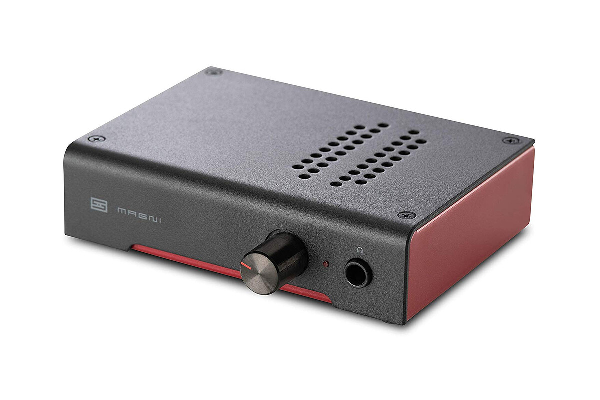
The Schiit Magni Heresy has become something of a legend in the budget audiophile community, and after spending several months with this compact powerhouse, I completely understand why. This little aluminum box delivers an impressive 2.4 watts per channel into 32 ohms, which means it can drive practically any headphone you throw at it—from sensitive IEMs to power-hungry planar magnetics like the HiFiMan Sundara.
The Heresy uses a fully discrete, current-feedback Class AB topology that delivers vanishingly low distortion and noise. For those comparing headphones for studio work or critical listening, pairing them with this amp ensures you’re hearing what’s actually in the recording rather than added coloration. The front-panel 1/4-inch output handles both single-ended connections, while the rear RCA inputs and preamp outputs make it easy to integrate into a larger desktop setup.
Pros:
- Exceptional power output for the price point
- Ultra-low distortion and noise floor
- Compact footprint perfect for desktop setups
- Excellent build quality with five-year warranty
- Preamp outputs for powered monitors
Cons:
- Runs warm during extended use (though not problematically hot)
- No gain switch for very sensitive IEMs
- Minimalist design lacks tone controls (though purists consider this a feature)
- Requires separate DAC for digital sources
FiiO K5 Pro ESS: The All-in-One Solution for Modern Listeners
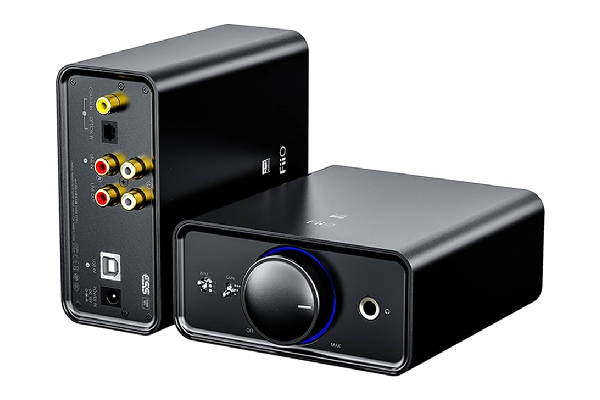
The FiiO K5 Pro ESS represents a different approach to headphone amplification—instead of just providing amplification, it combines a high-quality DAC with a powerful amp stage in a desktop form factor that’s become my go-to recommendation for anyone building their first serious listening setup. After integrating this into my workflow for both music enjoyment and mixing sessions, I’ve come to appreciate how FiiO managed to balance features, performance, and value.
The ESS ES9038Q2M DAC chip handles PCM up to 32-bit/768kHz and native DSD256, which means it can decode virtually any high-resolution file format you’ll encounter. But here’s what really matters: it sounds excellent across a wide range of headphones. I’ve used it with everything from my Audio-Technica ATH-M50x (a closed-back staple for tracking) to more demanding open-back options, and the K5 Pro consistently delivers clean, dynamic sound with impressive headroom. The bass/treble tone controls are actually useful without being heavy-handed, letting you fine-tune the presentation to match your preferences or compensate for headphone characteristics.
The balanced 2.5mm output is a nice touch if you have balanced cables for your headphones, though the single-ended 1/4-inch output is what I use most often. During late-night mixing sessions working on instrumental arrangements, the low noise floor becomes crucial—you need to hear what’s actually there, not artifacts from your amplification chain.
Pros:
- Combined DAC/amp eliminates need for separate components
- Multiple digital and analog inputs
- Balanced and single-ended outputs
- Useful bass/treble controls
- Impressive power output (1.5W into 32 ohms)
Cons:
- Larger footprint than amp-only options
- Volume knob can be slightly touchy at lower levels
- Display brightness not adjustable
- Runs warm under heavy use
JDS Labs Atom Amp+: Audiophile Performance with User-Friendly Design
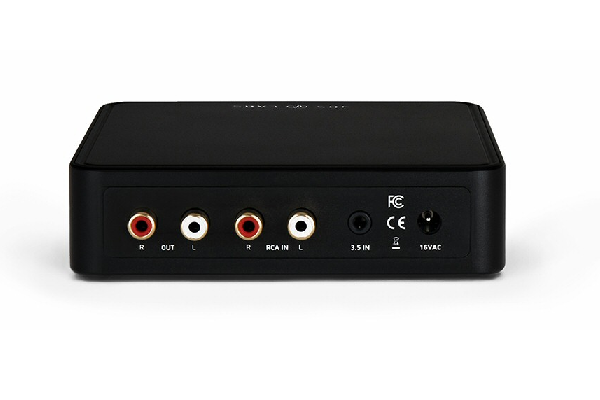
The JDS Labs Atom Amp+ is proof that thoughtful engineering and user experience can coexist in budget audio gear. After the original Atom became a community favorite, JDS Labs refined the design with the Atom+, and the improvements are immediately noticeable. This amp has become my reference point when evaluating other amplifiers in this price range because it simply gets so many things right.
From a pure performance standpoint, the Atom+ delivers measured performance that rivals amplifiers costing several times more. The gain switch on the back panel (with high and low settings) means it works beautifully with both sensitive in-ears and power-hungry planars—something I test regularly when switching between my Campfire Audio IEMs and my HiFiMan Edition XS.
The Alps RK27 potentiometer is a highlight that you appreciate every single time you reach for the volume knob. It’s smooth, precise, and maintains excellent channel balance from the lowest usable volume up to ear-splitting levels (not that I recommend those). The anodized aluminum chassis feels substantial without being heavy, and those distinctive “atomic” side cooling fins aren’t just for show—they keep the amp running cool even during marathon listening sessions.
- Exceptional measured performance at the price point
- High-quality Alps volume potentiometer
- Gain switch accommodates wide range of headphones
- Compact desktop footprint
- Available in multiple colors
- Preamp outputs for active speakers
Cons:
- No built-in DAC (requires separate unit)
- AC adapter rather than internal power supply
- RCA inputs only (no balanced inputs)
- Minimalist design lacks display or indicators beyond power LED
iFi ZEN CAN: Analog Warmth Meets Modern Features
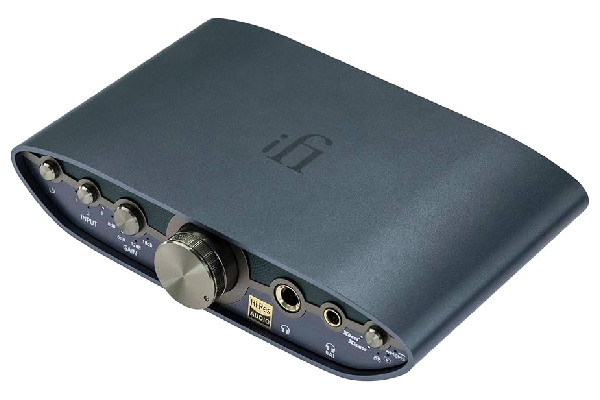
The iFi ZEN CAN takes a deliberately different approach from the clinical transparency of the previous amplifiers I’ve discussed, and that’s precisely why it deserves consideration. After spending time with this amp across various genres—from jazz recordings that benefit from a touch of warmth to electronic music where bass texture matters—I’ve come to appreciate how iFi’s design philosophy creates a distinct sonic signature that many listeners find immediately engaging.
The ZEN CAN’s party trick is its array of sound-shaping features, which would typically make me skeptical (I’m usually a purist about keeping the signal path clean), but iFi implemented them thoughtfully. The TrueBass feature doesn’t just boost low frequencies indiscriminately; it adds analog bass enhancement that genuinely improves many headphones’ low-end presence without muddiness. During extended listening with the Sennheiser HD 6XX—which can sound a bit lean in the bass—activating TrueBass at the moderate setting brought recordings to life without sacrificing the midrange clarity these headphones are known for. The XBass circuit is more aggressive and works wonders with bass-light headphones or sparse electronic productions.
What really distinguishes the ZEN CAN is the 3D+ soundstage enhancement. I’m typically skeptical of these types of processing (too often they create phase issues or unnatural imaging), but iFi’s implementation is surprisingly effective. With older songs that have narrow, dated stereo imaging, the 3D+ feature can open things up in a way that feels musical rather than artificial. The balanced 4.4mm Pentaconn output is a significant feature at this price point, offering improved channel separation and lower crosstalk if you have compatible cables.
Pros:
- TrueBass and XBass features genuinely enhance certain headphones
- 3D+ soundstage processing works better than expected
- Balanced and single-ended outputs
- Warm, musical sound signature
- PowerMatch system adjusts output for different headphone sensitivities
- Attractive brushed metal chassis
Cons:
- Sound shaping features won’t appeal to purists
- No built-in DAC
- Gain switching could be more intuitive
- Slightly less neutral than measurement-focused competitors
- Can sound congested with already warm headphones
Topping L30 II: Measurement King with Real-World Performance
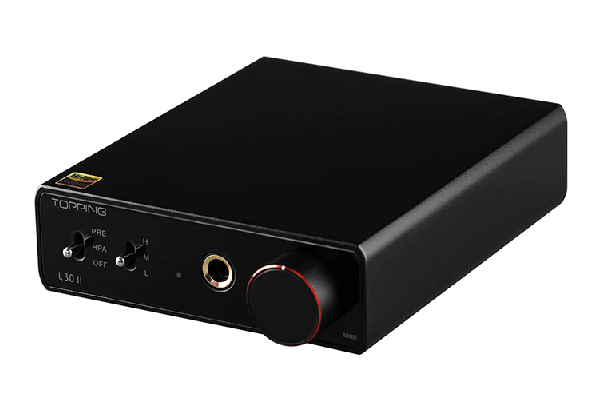
The Topping L30 II represents the intersection of objectivist audio engineering and practical usability, and after incorporating it into my testing rotation alongside more colored amplifiers, I’ve developed genuine respect for what Topping achieved here. This amp measures absurdly well—we’re talking signal-to-noise ratios and distortion figures that would have been flagship territory just a few years ago—but the real question is whether those measurements translate to an improved listening experience.
The L30 II’s technical prowess becomes most apparent with revealing headphones in quiet passages. When comparing earbuds and headphones for detailed listening, the L30 II’s vanishingly low noise floor means you’re hearing the recording venue’s natural ambience rather than electronic hiss. The ultra-low output impedance (less than 0.1 ohm) means it pairs exceptionally well with low-impedance multi-driver IEMs, where output impedance mismatches can cause frequency response irregularities.
The pre-out functionality works flawlessly in my desktop setup, allowing me to switch between headphones and powered monitors without cable swapping. The three-position gain switch (low/medium/high) provides excellent flexibility, though I find myself using the low gain setting most often with modern headphones. Build quality feels reassuring for the price—the aluminum chassis is solid, controls feel precise, and the relay click when you adjust the volume is oddly satisfying. During long mixing sessions, I appreciate that it runs completely cool, unlike some amplifiers that double as desktop heaters.
Pros:
- State-of-the-art measured performance
- Three gain settings accommodate wide range of headphones
- Runs cool with efficient Class-AB design
- Pre-out functionality for active speakers
- Ultra-low output impedance perfect for sensitive IEMs
- Remote control included (unusual at this price)
Cons:
- Requires separate DAC for digital sources
- Neutral sound may seem clinical to some listeners
- Volume knob lacks the tactile luxury of higher-end units
- Display-less design won’t suit everyone
- AC adapter rather than internal PSU
Finding Your Perfect Match
Selecting the right headphone amplifier under $200 ultimately comes down to matching the amp’s characteristics with your headphones, source material, and listening preferences. If you prioritize measured transparency and want an amp that simply amplifies without adding character, the Schiit Magni Heresy, JDS Labs Atom Amp+, or Topping L30 II are excellent choices. Each offers slightly different feature sets—the Heresy’s raw power, the Atom+’s refined usability, or the L30 II’s technical excellence—but all three share a philosophy of clean, uncolored amplification.
For those seeking an all-in-one solution who don’t want to deal with separate DACs and multiple boxes, the FiiO K5 Pro ESS provides exceptional convenience without compromising sound quality. It’s particularly compelling if you’re connecting multiple sources or want tone controls to fine-tune your presentation. And if you find yourself drawn toward a warmer, more immediately engaging sound with unique sound-shaping capabilities, the iFi ZEN CAN offers a distinct experience that many find addictive, particularly with headphones that benefit from a touch of analog warmth.
Frequently Asked Questions
Do I really need a headphone amp if my computer or phone already has a headphone jack?
Whether you need a dedicated headphone amplifier depends primarily on your headphones’ impedance and sensitivity, along with your standards for audio quality. Most smartphones and computer motherboards use inexpensive amplifier chips designed to minimize cost and power consumption rather than maximize audio performance. If you’re using high-impedance headphones (above 80 ohms) like many studio monitors or audiophile-oriented models, you’ll likely notice them sounding quiet, lacking dynamics, or missing bass impact when driven by consumer electronics. Even with easier-to-drive headphones, a dedicated amp typically provides a lower noise floor, better channel separation, and improved dynamic range. During my testing, the difference between motherboard audio and even entry-level dedicated amplifiers was immediately apparent—not subtle tweaker stuff, but genuine night-and-day improvements in clarity, detail retrieval, and overall engagement.
What’s the difference between a headphone amp and a DAC, and do I need both?
A DAC (Digital-to-Analog Converter) converts digital audio signals from your computer, phone, or streaming device into analog signals. A headphone amplifier then takes those analog signals and amplifies them to levels suitable for driving headphones. Many modern devices combine both functions (like the FiiO K5 Pro ESS in this roundup), while others focus solely on amplification (like the Schiit Magni Heresy or JDS Labs Atom Amp+). If you’re using analog sources like turntables or cassette players, you only need an amp. For digital sources, you technically need both, though your computer already has a basic DAC built in.
How much power do I actually need for my headphones?
Power requirements vary dramatically based on your headphones’ impedance and sensitivity specifications. Sensitive, low-impedance headphones (like most consumer models around 32 ohms) require very little power—sometimes just a few milliwatts—to reach comfortable listening levels. High-impedance studio headphones (250-600 ohms) or inefficient planar magnetic models may require hundreds of milliwatts for the same volume. As a general guideline, I’ve found that amplifiers delivering at least 100mW into your headphones’ specific impedance provide adequate headroom for dynamic music without distortion. The amplifiers featured here all deliver substantial power across common impedance ranges, making them compatible with the vast majority of consumer and professional headphones. It’s worth noting that having excess power isn’t problematic—you simply don’t turn the volume knob up as high.
Will a headphone amp improve the sound quality of low-end headphones?
This is where expectations need to be realistic. A headphone amplifier can ensure your existing headphones are being driven optimally—meaning they’re receiving adequate power with low distortion and noise. This often results in tighter bass, improved dynamics, and better detail retrieval from headphones you already own. However, an amplifier cannot fundamentally change your headphones’ inherent characteristics like their frequency response, driver quality, or soundstage capabilities. Think of it this way: a quality amplifier lets your headphones perform at their best, but it can’t make budget headphones sound like premium models.
Can I damage my headphones by using too powerful an amplifier?
The short answer is yes, but it’s entirely avoidable with basic precautions. Headphones are damaged by excessive power, not by the availability of power. All the amplifiers discussed here have volume controls that allow you to set appropriate listening levels. The danger arises if you turn the volume up excessively or experience unexpected audio spikes (like plugin automation mishaps during production work, which I’ve unfortunately experienced). My recommendation is to always start with the volume at minimum when connecting headphones, begin playback, and gradually increase volume to comfortable levels. Additionally, if your amplifier has multiple gain settings, start with the lowest gain appropriate for your headphones.