

When searching for the best guitar amplifiers for rock, you’re not just buying a piece of equipment—you’re investing in the foundation of your sound. After spending countless hours in rehearsal spaces, studios, and stages testing various amplifiers, I’ve learned that the right amp can be the difference between a pedestrian rock tone and something that genuinely moves people. The amplifiers on this list represent the culmination of that experience, featuring both time-tested classics and contemporary powerhouses that continue to shape rock music today.
Rock music demands amplifiers that can deliver everything from crystalline cleans to face-melting distortion, often within the same song. Whether you’re channeling the classic crunch of Led Zeppelin, the tight aggression of Metallica, or the modern djent tones of Periphery, your amplifier serves as the critical link between your guitar and the audience’s ears. I’ve gravitated toward amps that offer versatility without sacrificing character, because in real-world situations, you need gear that adapts to different venues, volumes, and musical contexts while maintaining its sonic identity.
| Amplifier | Core Tone Character | Key Strengths | Main Limitations |
|---|---|---|---|
| Marshall DSL40CR | Classic British rock tones from Plexi crunch to modern high-gain | Authentic Marshall sound, excellent touch sensitivity, 40W/20W power reduction, effects loop & reverb, roadworthy build | Heavy (~50 lbs), no MIDI, high-gain not ultra-tight for metal, tube maintenance required |
| Orange Rockerverb 50 MKIII Combo | Modern British aggression with thick mids and articulate high gain | Crushing yet clear distortion, built-in attenuator, half-power mode, spring reverb, extremely robust build | Very heavy, higher price, attenuator alters tone at extremes, limited clean headroom |
| Friedman Dirty Shirley 40W Head | Refined Marshall-style rock with tighter lows and smoother highs | Boutique-level dynamics, three-position gain structure, tight modern rock tone, compact head format | Requires separate cabinet, single channel limits switching, interactive EQ learning curve, premium price |
| Mesa/Boogie Mark V 25 | Ultra-versatile Mark-series tones from pristine cleans to extreme metal | Three channels with multiple modes, graphic EQ, compact size, 10W mode, huge tonal range | Steep learning curve, higher noise floor, expensive for wattage, feature-heavy complexity |
| Victory V40 The Duchess | Polished British rock voice blending Vox chime and Marshall warmth | Separate master volumes, lightweight combo, organic tube feel, intuitive controls, excellent build quality | Shared EQ across channels, fewer features than rivals, limited availability, not extreme-gain focused |
Marshall DSL40CR: The British Rock Standard
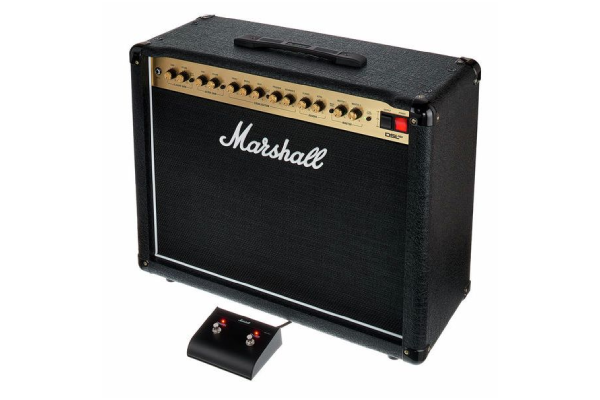
The Marshall DSL40CR continues the legendary lineage that has defined rock guitar tone for over half a century, and after extensive use in both live and recording environments, I can confirm it absolutely deserves its reputation. This 40-watt tube combo features two channels (Classic Gain and Ultra Gain) that together cover nearly every shade of rock tone you could need, from vintage British crunch to modern high-gain saturation that rivals dedicated metal amps.
What immediately struck me when first plugging into the DSL40CR was how responsive it feels under your fingers—there’s a dynamic quality to tube amplifiers that solid-state designs struggle to replicate, and Marshall has refined this characteristic to near perfection. The Classic Gain channel provides those iconic Plexi-style tones that have fueled countless rock anthems, breaking up beautifully when you dig in while cleaning up remarkably well when you roll back your guitar’s volume. The Ultra Gain channel ventures into higher gain territory with surprising tightness for a vintage-voiced amp, though it maintains that slightly loose, organic quality that makes Marshall distortion so addictive.
The onboard reverb adds dimension without getting washy, and the effects loop allows you to integrate pedals seamlessly into your signal chain. I particularly appreciate the power reduction feature that lets you switch between 40 watts and 20 watts—this has been invaluable for rehearsals and smaller venues where cranking a full 40-watt tube amp would be overkill. The included footswitch for channel changing is solid and responsive, though some players might wish for MIDI capabilities for more complex switching scenarios. After months of use, the DSL40CR has proven reliable and consistent, which matters when you’re depending on your gear night after night. For musicians exploring different instruments and expanding their sonic palette, this amp provides a rock-solid foundation that grows with your playing.
Pros:
- Authentic Marshall tone across the gain spectrum
- Excellent dynamic response and touch sensitivity
- Power reduction feature for versatile volume options
- Built-in reverb and effects loop for pedalboard integration
- Proven reliability and roadworthy construction
- Two distinct channels covering wide tonal territory
Cons:
- Can be heavy to transport regularly (approximately 50 lbs)
- Lacks MIDI switching for complex setups
- High-gain tones aren’t quite as tight as dedicated metal amps
- Requires periodic tube replacement as maintenance
Orange Rockerverb 50 MKIII Combo: Modern British Aggression
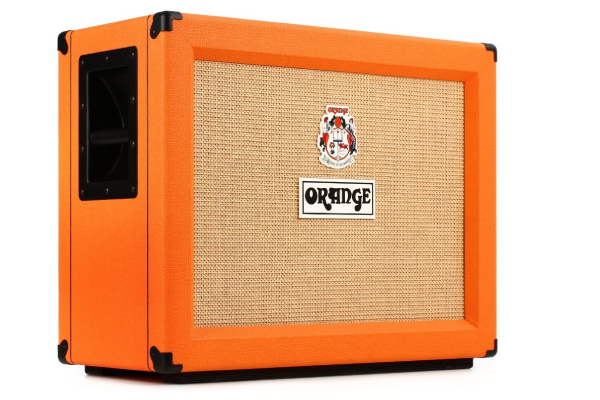
Orange amplifiers have cultivated a devoted following among rock players seeking something beyond the traditional Marshall/Fender paradigm, and the Rockerverb 50 MKIII represents the pinnacle of their design philosophy. This 50-watt tube combo delivers a distinctly British voice with enhanced midrange presence and a slightly more compressed, modern character compared to vintage designs—qualities that have made it a favorite among alternative rock, hard rock, and modern metal players.
During my time with the Rockerverb 50, I’ve been consistently impressed by its ability to maintain clarity even under heavy distortion, a characteristic that stems from Orange’s unique voicing and circuit design. The clean channel offers surprising headroom for a British-style amp, with a sparkle and definition that works beautifully for rhythm work and cleaner passages. When you switch to the dirty channel, the amp transforms into a high-gain monster that somehow retains note separation and harmonic complexity—this is where the Rockerverb truly shines, delivering crushing distortion that never becomes indistinct or muddy.
The built-in spring reverb is tastefully implemented, and the attenuator function allows you to achieve power amp saturation at more manageable volumes (though I’ve found the attenuator works best when not pushed to extreme settings). One feature I’ve come to appreciate more over time is the half-power mode, which drops the amp to 25 watts while subtly changing the character—it becomes slightly looser and more touch-sensitive, which can be perfect for certain playing styles. The construction quality is exceptional, with Orange’s trademark rugged build inspiring confidence whether you’re loading into a van for tour or setting up in your home studio.
Pros:
- Distinctive British voicing with modern clarity
- Exceptional high-gain tones with note separation
- Built-in attenuator for bedroom-to-stage versatility
- Half-power mode adds tonal options
- Incredibly robust construction quality
- Spring reverb adds dimension without excessive wetness
Cons:
- Substantially heavier than many comparable amps
- Limited clean headroom compared to American-voiced amps
- Attenuator affects tone when used at extreme settings
- Higher price point than some competitors
Friedman Dirty Shirley 40-Watt Head: Boutique Power and Precision
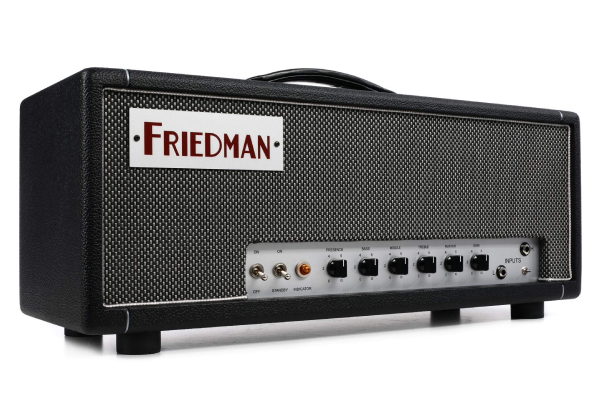
Dave Friedman’s modified Marshall-style amplifiers have become the secret weapon of countless professional guitarists, and the Dirty Shirley 40-watt head distills his modifications into a production model that punches well above its price point. After using this amp for both recording sessions and live performances, I’ve developed a deep appreciation for how Friedman has refined the classic British rock formula into something simultaneously familiar and distinctly modern.
The Dirty Shirley operates as a single-channel design with a three-position gain structure switch, allowing you to select between lower, medium, and high gain voices—this approach keeps the signal path relatively simple while still offering considerable versatility. What separates this amp from standard Marshall-style designs is the attention to detail in the voicing: the bass response is tighter and more controlled, the mids are slightly scooped for a more contemporary profile, and the treble has a smooth quality that never becomes harsh or brittle. I’ve found myself leaving the gain structure on the middle position most often, as it provides enough gain for classic rock and hard rock while remaining responsive to picking dynamics and guitar volume adjustments.
The EQ section is incredibly interactive, with each control exerting significant influence over the overall tone—small adjustments here make meaningful differences, which is both empowering and occasionally frustrating when dialing in sounds quickly. The presence and depth controls further expand your tonal options, though I tend to set these more conservatively to maintain the amp’s inherent character. As a head unit, you’ll need to pair this with an appropriate cabinet (I’ve had excellent results with a 2×12 loaded with Celestion V30s), but the flexibility this provides in terms of transport and setup configuration has proven valuable. The Dirty Shirley represents the modern boutique approach to rock amplification—taking proven designs and refining them with contemporary manufacturing techniques and careful component selection.
Pros:
- Refined Marshall-style tones with modern improvements
- Three-position gain structure adds versatility
- Exceptionally responsive to playing dynamics
- Tight low-end response perfect for modern rock
- Professional build quality and component selection
- Compact head format for flexible cabinet pairing
Cons:
- Requires separate cabinet purchase
- Single channel limits quick tonal changes
- Interactive EQ can be challenging to dial in initially
- Premium pricing reflects boutique status
Mesa/Boogie Mark V 25: Compact Versatility Machine
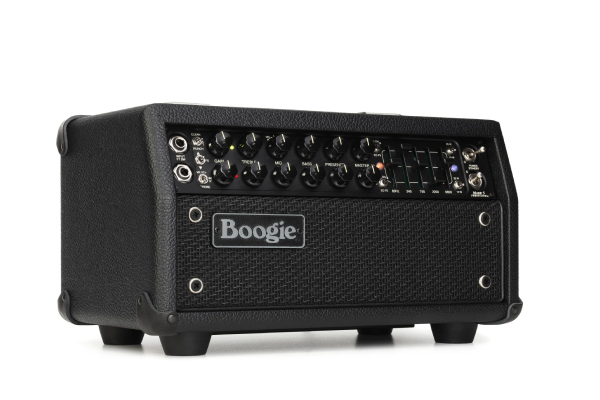
Mesa/Boogie’s Mark series has been the go-to choice for players seeking maximum versatility in a single amplifier, and the Mark V 25 condenses that legendary flexibility into a surprisingly compact 25-watt package. Having used various Mark series amps over the years, I approached the Mark V 25 wondering if the reduced wattage and size would compromise the essential character—those concerns evaporated within minutes of playing through it.
This miniature powerhouse features three channels, each with multiple voicing modes that access different points in Mark series history: Channel 1 offers clean and fat modes plus a Tweed setting, Channel 2 provides edge, crunch, and Mark I modes, while Channel 3 delivers the extreme gain tones (Mark IV and Extreme modes) that Mesa built its reputation upon. The sheer range of available tones is staggering, from sparkling cleans that rival dedicated clean amps to saturated lead tones with virtually infinite sustain. What impressed me most was how usable all these modes are—this isn’t a case of multiple mediocre tones, but rather genuinely excellent voices across the spectrum.
The graphic EQ, a Mark series hallmark, provides surgical tone-shaping capabilities that can dramatically transform the amp’s voice (I typically use it to either scoop mids for rhythm work or boost them for cutting lead tones). At 25 watts, the amp still generates substantial volume, and the 10-watt power reduction mode makes it genuinely practical for home use—though even at lower volumes, it maintains the essential character that defines Mesa’s sound. The included footswitch handles channel changes and effects loop toggling, though the sheer number of options means you’ll spend time learning the amp’s capabilities. Many musicians I know who track different songs appreciate having this much versatility in a single amp, as it eliminates the need for multiple amplifiers during recording sessions.
Pros:
- Three channels with multiple modes per channel
- Authentic Mark series tones across the board
- Graphic EQ for precise tone sculpting
- Surprisingly loud despite 25-watt rating
- Compact size for easy transport
- 10-watt mode for home practice
- Includes comprehensive footswitch
Cons:
- Steep learning curve with numerous options
- Higher noise floor than simpler designs
- Relatively expensive for the wattage
- Some players find the abundance of features overwhelming
Victory V40 The Duchess: Modern British Refinement
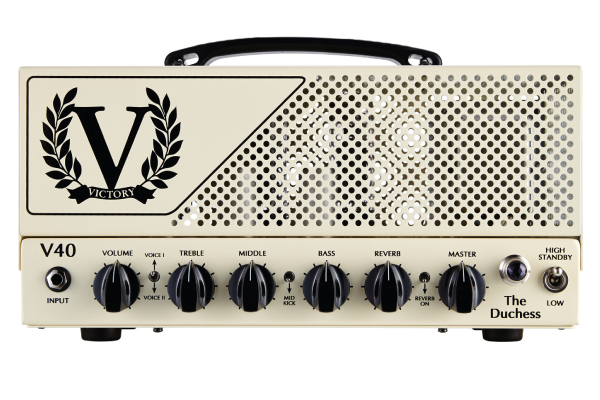
Victory Amplification represents the new generation of British amp builders, and The Duchess showcases how traditional designs can be reimagined with modern manufacturing techniques and player-focused features. This 40-watt combo flew somewhat under my radar initially, but after being recommended by a studio engineer I trust, I spent considerable time with one and came away thoroughly impressed by its blend of classic voicing and contemporary functionality.
The Duchess operates as a two-channel amplifier with shared EQ controls—a design choice that keeps things simple while still offering meaningful channel separation. Channel 1 delivers everything from pristine cleans to moderate overdrive, with a voice that sits somewhere between Vox-like chime and Marshall-style warmth. Channel 2 adds a separate gain stage that pushes into serious rock territory, delivering saturated tones that maintain clarity and definition. What struck me during extended playing sessions was how organic the amp feels—there’s a natural compression and harmonic complexity that reminds you why tube amplifiers remain the gold standard for guitar tone despite technological advances.
The tone stack is straightforward but effective, and Victory’s decision to include separate master volumes for each channel proves invaluable for balancing levels when switching between clean and dirty tones (this is a feature I wish more manufacturers would adopt). The compact footswitch handles channel changes reliably, and the effects loop works flawlessly with my pedalboard. I particularly appreciate the amp’s relatively compact dimensions and reasonable weight—at around 40 pounds, it’s manageable for one person to load and unload, which matters when you’re the one doing the heavy lifting. The Duchess has become my recommendation for players seeking that British rock character without some of the quirks and maintenance demands of vintage designs. When comparing gear for different applications, like when evaluating headphones for monitoring, I value this same balance of traditional quality and modern convenience.
Pros:
- Excellent British-voiced tones with modern clarity
- Separate master volumes per channel
- Compact and relatively lightweight
- Responsive to playing dynamics and guitar controls
- High-quality construction throughout
- Intuitive control layout
Cons:
- Shared EQ limits independent channel voicing
- Fewer features than some competitors at similar prices
- Limited availability in some markets
- Some players desire more extreme gain options
Frequently Asked Questions
What wattage amplifier do I need for rock music?
The appropriate wattage depends entirely on your intended use rather than the genre itself. For bedroom practice and home recording, 5-15 watts provides plenty of volume while allowing you to reach power amp saturation at manageable levels. Rehearsal spaces typically require 20-40 watts, which offers enough headroom to compete with drums without being excessively loud. For gigging in clubs and small-to-medium venues, 40-50 watts has become the sweet spot—loud enough for most situations, especially when mic’d through a PA system. I’ve found that modern power reduction features and attenuators have made higher-wattage amps more practical across different contexts, so a 50-watt amp with power scaling can effectively serve multiple purposes. The old “you need 100 watts for gigging” wisdom has largely become outdated with improved PA systems and sound reinforcement.
Are tube amplifiers really better than solid-state for rock music?
After years of testing both technologies, I can say that tube amplifiers generally offer superior touch sensitivity, harmonic complexity, and natural compression that enhances rock guitar playing, though solid-state technology has improved dramatically. The difference becomes most apparent when you dig into the strings hard or vary your picking attack—tube amps respond dynamically in ways that feel organic and musical. That said, modern solid-state and modeling amplifiers have narrowed the gap considerably, offering reliability advantages and consistent tone regardless of environmental factors. For recording, I often blind-test listeners who can’t distinguish well-designed solid-state from tube amps in a mix. Your decision should weigh factors beyond just tone: tube amps require periodic maintenance (tube replacement, biasing), can be temperamental with temperature changes, and are generally heavier. If you’re committed to that classic rock sound and don’t mind the upkeep, tubes remain the gold standard, but solid-state options shouldn’t be dismissed outright.
How important is the speaker cabinet for rock guitar tone?
The speaker cabinet exerts enormous influence over your final tone—I’d argue it’s easily 40-50% of the equation, which surprises many guitarists focused solely on the amplifier head. Speaker choice affects frequency response, breakup characteristics, and overall character in ways that can completely transform an amp’s voice. A Celestion Vintage 30 sounds distinctly different from a Greenback or a Creamback, even through the same amplifier. Cabinet construction matters too: open-back designs offer a more ambient, room-filling sound with less focused low end, while closed-back cabinets provide tighter bass response and more directional projection. I’ve experimented extensively with speaker swaps and consistently found that matching your speakers to your musical style yields better results than simply accepting stock configurations. For modern rock requiring tight palm-muting and aggressive rhythm work, I tend toward closed-back cabinets with speakers like V30s or G12T-75s. For classic rock with more dynamics and organic feel, open-back designs with Greenbacks or Cannabis Rex speakers excel.
Can I get professional rock tones at lower volumes?
This remains one of the most common challenges guitarists face, and modern technology has finally provided legitimate solutions. Power reduction features found on many contemporary amps allow you to reduce wattage while maintaining the power amp saturation that contributes to great tone—though you’ll sacrifice some headroom and clean dynamics. Attenuators offer another approach, sitting between your amp and speaker to reduce volume while loading the amplifier properly (I’ve had good experiences with reactive attenuators that maintain speaker interaction). Master volume controls help, though they can’t fully replicate cranked-amp behavior. For truly bedroom-level volumes, smaller wattage amps (5-15 watts) designed to saturate at lower volumes often work better than attenuated larger amps. I’ve also embraced load boxes and impulse responses for silent recording, which capture authentic amp tone without any speaker volume—this technology has revolutionized home recording. When selecting gear for quiet practice situations, similar to how you might research earbuds for private listening, focus on features specifically designed for volume management rather than fighting against high-wattage designs.
Should I choose a combo or a head and cabinet setup?
This decision involves tradeoffs between convenience and flexibility. Combo amplifiers integrate everything you need in one package, making setup faster and eliminating the need to match components. They’re generally easier to transport as a single unit (though potentially heavier than carrying a head and small cabinet separately). I’ve relied on combos for years in situations where simplicity matters—grab the amp, plug in, play. Head and cabinet configurations offer modularity: you can pair different heads with various cabinets to shape your tone, replace components individually if something fails, and potentially reduce the weight of any single piece you’re carrying. For players who experiment frequently with different speaker combinations or need to adapt to various stage setups, separates make sense. I’ve settled on using a combo for most regular gigs where I know the setup, while maintaining a head and cabinet combination for situations requiring more flexibility. Consider your typical use cases: if you’re mostly playing the same venues with consistent requirements, a combo simplifies your life considerably.