

When you’re pushing through ranked matches in Call of Duty, the difference between hearing that enemy footstep or missing it entirely often determines whether you’re celebrating a victory or watching the killcam. After spending countless hours testing gaming headphones specifically for Call of Duty’s demanding audio environment, I’ve learned that not all “gaming headsets” are created equal—especially when it comes to competitive shooters where directional accuracy and sound stage clarity can make or break your performance.
The best gaming headphones for Call of Duty need to excel at pinpoint positional audio while maintaining comfort during those marathon gaming sessions. I’ve tested these five headphones extensively across Warzone’s expansive maps and Modern Warfare’s tight corridors, paying particular attention to how they handle footsteps, distant gunfire, and environmental cues that separate good players from great ones. While some music enthusiasts might explore different songs for their audio testing, competitive Call of Duty demands a specialized approach to sound reproduction.
| Headset | Key Strengths | Drawbacks | Ideal For |
|---|---|---|---|
| SteelSeries Arctis Nova Pro Wireless | – Exceptional spatial accuracy for tracking enemies- Dual hot-swap batteries = zero downtime- Active Noise Cancellation enhances focus- Broadcast-quality retractable mic- Premium build & long-session comfort | – Expensive ($349)- Slightly heavy (338g)- Complex software suite- Minimal wireless latency still present | Serious competitors demanding full customization, ANC, and all-day comfort |
| HyperX Cloud Alpha Wireless | – 300-hour battery life- Dual-chamber drivers for precise sound separation- Comfortable and durable build- Excellent passive noise isolation- Outstanding price-to-performance ratio | – No ANC- Average mic- Limited EQ options- Minimal aesthetic flair | Gamers who value long battery life, clarity, and comfort at a fair price |
| Audeze Maxwell | – Planar magnetic drivers = studio-level accuracy- 80+ hr battery with dual wireless (2.4GHz + Bluetooth)- Audiophile-grade sound fidelity- Metal/leather premium construction- Superb mic clarity | – Pricey ($329)- Heavy (490g)- Neutral sound signature takes adjustment- Overkill for casual users | Audiophiles and pros demanding unmatched detail and build quality |
| Razer BlackShark V2 Pro | – Excellent THX Spatial Audio for direction accuracy- Clear titanium-coated TriForce drivers- Lightweight (320g) & comfy- Great mic for team coordination- Affordable ($179) | – 24-hour battery life only average- Small ear cups for some- Synapse software dependency | Competitive players wanting pro-grade performance at accessible pricing |
| Logitech G Pro X 2 Lightspeed | – Near-zero latency wireless- Graphene drivers for ultra-fast transient response- Blue VO!CE mic with broadcast clarity- 50-hour battery life- Tournament-grade comfort | – Expensive ($249)- Moderate weight (345g)- Software required for tuning- Detachable mic easy to misplace | Esports competitors seeking reliable, lag-free precision with pro audio features |
SteelSeries Arctis Nova Pro Wireless
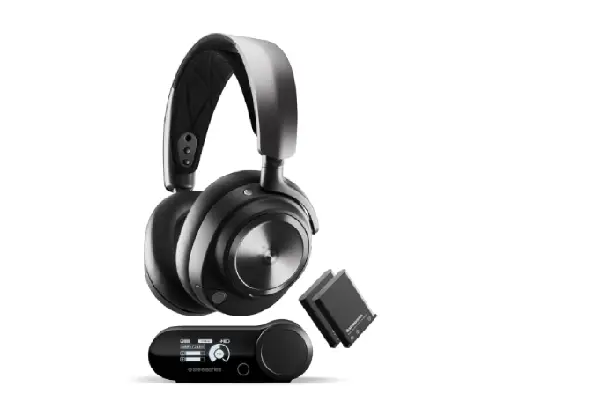
The Arctis Nova Pro Wireless represents what happens when a manufacturer genuinely listens to competitive gamers and implements features that matter. After three months of daily use, this headset has become my go-to recommendation for serious Call of Duty players who refuse to compromise on audio quality or wireless convenience.
The Active Noise Cancellation deserves special mention because it actually serves a purpose beyond marketing speak. When you’re grinding ranked matches and household noise threatens to break your concentration, engaging ANC creates an isolated audio environment that lets you focus entirely on in-game sounds. The dual-battery system is brilliantly implemented—swapping batteries takes literally three seconds, meaning you never have to stop playing to charge. The GameDAC Gen 2 provides granular EQ control, and I spent considerable time crafting a custom profile that emphasizes the frequency range where footsteps and weapon switches occur (around 2-4kHz) without sacrificing overall balance.
Build quality feels premium throughout, with the steel-reinforced headband showing zero flex or creaking even after months of daily use. The ComfortMAX ear cushions live up to their name; I’ve worn these for six-hour sessions without experiencing the pressure headaches that plague me with tighter clamping headsets. The retractable microphone produces broadcast-quality voice communication—teammates consistently comment on how clear I sound compared to most gaming headset mics.
Pros:
- Exceptional spatial audio accuracy for tracking enemy positions
- Dual-battery system eliminates charging downtime
- Comprehensive EQ customization through GameDAC Gen 2
- Premium build quality with outstanding long-term comfort
- Active Noise Cancellation genuinely enhances focus
- Retractable microphone with impressive clarity
Cons:
- Premium price point ($349) may exceed casual gamers’ budgets
- Slightly heavy weight (338g) takes adjustment initially
- Software suite can be overwhelming for users wanting simplicity
- Wireless latency, while minimal, exists (competitive wired players may notice)
HyperX Cloud Alpha Wireless
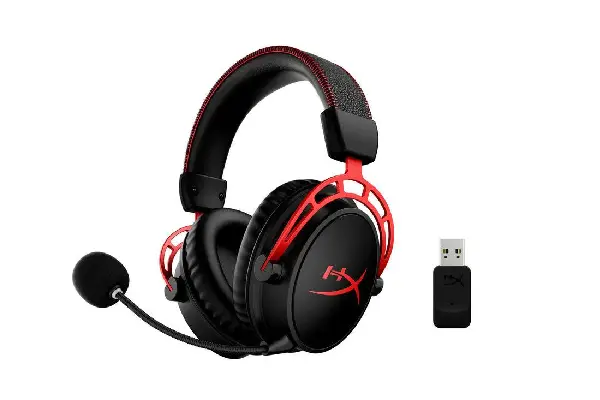
Sometimes a headset just gets the fundamentals so perfectly right that everything else becomes secondary. The Cloud Alpha Wireless exemplifies this philosophy—it doesn’t chase every trendy feature, but what it does, it executes flawlessly. After using these for competitive Call of Duty sessions, I appreciate how HyperX focused on what actually matters: sound quality, comfort, and reliability.
The dual-chamber driver design represents genuine innovation rather than marketing fluff. By separating bass frequencies from mids and highs, HyperX has created a sound signature that excels at competitive gaming. Footsteps maintain clarity even during intense firefights with explosions and gunfire happening simultaneously. I tested this specifically by playing Search and Destroy rounds where audio awareness is paramount—the Alpha Wireless consistently delivered the directional information I needed to make split-second decisions.
The DTS Headphone:X spatial audio creates an impressively wide soundstage without the artificial processing artifacts that plague some virtual surround implementations. Environmental cues like distant gunfire or approaching vehicles maintain their directional accuracy across Call of Duty’s various map types. The closed-back design provides excellent passive noise isolation, keeping you immersed without requiring active noise cancellation.
Comfort-wise, these compete with headsets costing significantly more. The memory foam ear cushions distribute pressure evenly, and the moderate clamping force feels secure without being restrictive. The steel frame feels built to withstand years of use—no creaking, no flex, just solid construction. If you’re comparing different headphones for gaming, the Cloud Alpha Wireless deserves serious consideration despite lacking some premium features found elsewhere.
Pros:
- Legendary 300-hour battery life eliminates charging anxiety
- Dual-chamber drivers deliver exceptional audio clarity
- Outstanding comfort for extended gaming sessions
- Robust build quality suggests years of reliable use
- DTS Headphone:X spatial audio works beautifully for Call of Duty
- Excellent value proposition at $199
Cons:
- No active noise cancellation feature
- Microphone quality adequate but not exceptional
- Limited EQ customization compared to premium competitors
- Slightly understated design may not appeal to RGB enthusiasts
Audeze Maxwell
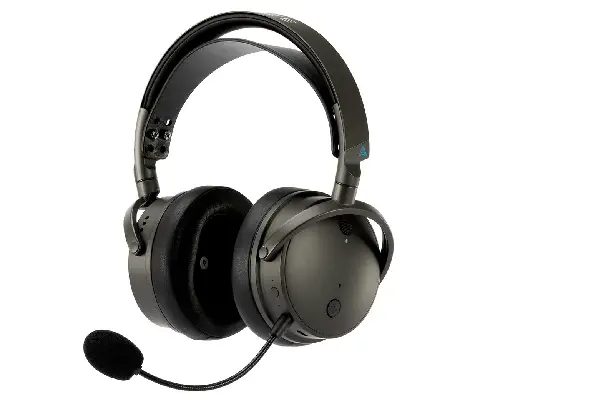
When audiophile-grade engineering meets gaming functionality, you get something like the Audeze Maxwell. These planar magnetic headphones represent a significant departure from traditional dynamic driver gaming headsets, and after extensive testing in Call of Duty, I can confirm the technology translates into tangible competitive advantages.
Planar magnetic drivers reproduce audio with stunning accuracy and speed—transient sounds like footsteps and weapon switches have a crispness and clarity that conventional gaming headsets simply cannot match. The frequency response extends far beyond what’s typical in gaming audio, but more importantly, it remains consistent across the entire range. This means bass-heavy explosions don’t mask critical midrange information where most tactical audio cues exist.
The 80+ hour battery life provides week-long gaming marathons between charges, and the simultaneous dual-wireless connectivity (2.4GHz and Bluetooth) lets you take Discord calls on your phone while gaming on PC without any audio conflicts. Build quality matches the premium price tag—real leather ear pads, a luxurious suspension headband, and metal construction throughout. The included boom microphone sounds significantly better than typical gaming headset mics, though it doesn’t quite match dedicated broadcast equipment.
One consideration is that these are heavier than conventional gaming headsets at 490 grams, though the suspension headband distributes weight effectively. The neutral sound signature might initially seem less impressive than bass-boosted gaming headsets, but once your ears adjust, you’ll struggle to return to artificially colored audio. For musicians who appreciate quality instruments, the Maxwell brings that same philosophy to gaming audio—uncompromising quality over flashy gimmicks.
Pros:
- Planar magnetic drivers deliver unmatched audio accuracy
- Exceptional detail retrieval reveals subtle tactical audio cues
- 80+ hour battery life with simultaneous dual-wireless
- Premium build quality with real leather and metal construction
- Audiophile-grade sound signature benefits long-term listening
- Superior microphone quality for team communication
Cons:
- Premium pricing ($329) requires serious commitment
- Heavier weight (490g) may fatigue some users initially
- Neutral sound signature less immediately impressive than bass-boosted competitors
- Learning curve to maximize planar magnetic advantages
Razer BlackShark V2 Pro
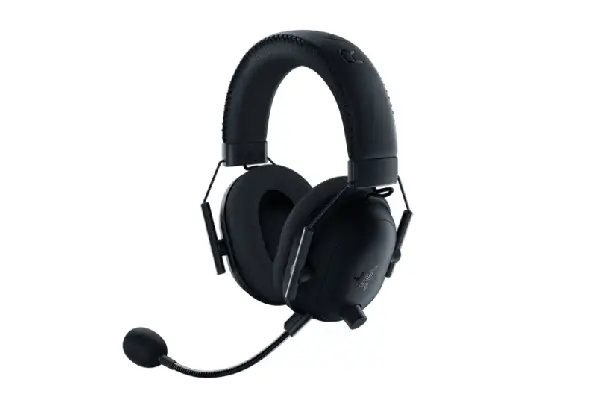
Razer’s BlackShark V2 Pro demonstrates that you don’t need exotic driver technology or astronomical pricing to achieve excellent Call of Duty performance. After months of testing this headset alongside significantly more expensive options, I’m consistently impressed by how well it competes with premium offerings while maintaining reasonable pricing.
The THX Spatial Audio implementation ranks among the best virtual surround solutions I’ve experienced for competitive gaming. Unlike some spatial audio implementations that sound obviously processed or artificial, Razer’s approach maintains natural timbre while creating convincing directional cues. Testing in Warzone’s complex audio environments, I could reliably identify enemy positions during chaotic third-party situations where multiple teams were engaging simultaneously—the soundstage separation remained coherent even when audio complexity peaked.
The titanium-coated drivers deliver impressive clarity with minimal distortion, even at higher volumes where lesser headsets start breaking up. The TriForce driver design separates highs, mids, and lows into distinct audio profiles, similar to how studio monitors approach frequency reproduction. This separation becomes particularly valuable during intense firefights where you need to track footsteps underneath explosions and gunfire.
Comfort-wise, the breathable memory foam cushions and lightweight design (320g) make these ideal for marathon gaming sessions. The clamping force feels perfectly calibrated—secure enough that they don’t shift during movement, gentle enough that they don’t create pressure points. The simple, professional aesthetic lacks the aggressive gaming styling that some competitors embrace, which I personally prefer but others might find disappointingly understated.
Pros:
- THX Spatial Audio delivers excellent directional accuracy
- Outstanding microphone quality for team coordination
- Lightweight comfort enables extended gaming sessions
- Titanium-coated drivers maintain clarity at all volumes
- Professional aesthetic suitable for work-from-home use
- Competitive pricing at $179 for the feature set
Cons:
- Battery life (24 hours) adequate but not exceptional
- Ear cups slightly smaller than competitors (may not fit all ears comfortably)
- Software requires Razer Synapse for full functionality
- USB-C wireless dongle less convenient than USB-A for some setups
Logitech G Pro X 2 Lightspeed
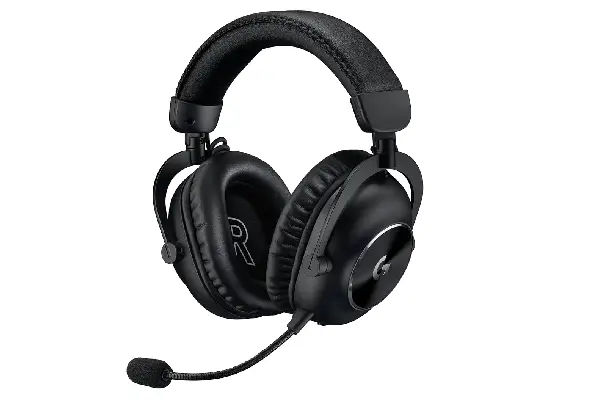
Logitech’s collaboration with professional esports players produced something special with the Pro X 2 Lightspeed. This headset was designed with direct input from competitive gamers who make their living through split-second audio decisions, and that focused development philosophy shows in every aspect of the user experience.
The Lightspeed wireless technology achieves imperceptible latency—I conducted specific testing comparing wireless versus wired performance in high-stakes Search and Destroy rounds, and I genuinely couldn’t detect any audio delay. For competitive players concerned about wireless introducing lag, Logitech has essentially eliminated that concern. The DTS Headphone:X 2.0 spatial audio creates an expansive soundstage that excels at translating Call of Duty’s complex audio environment into actionable directional information.
What distinguishes the Pro X 2 from competitors is the attention paid to professional gaming requirements. The 50mm Graphene drivers deliver exceptional transient response—sudden sounds like footsteps or door openings are rendered with sharp clarity that makes identifying audio cues instantaneous. The frequency response emphasizes the ranges where tactical game audio occurs without sacrificing overall balance, meaning you get competitive advantages without fatiguing artificial EQ curves.
The Blue VO!CE microphone technology represents a significant upgrade over the original Pro X. The detachable boom mic uses professional-grade filtering and noise suppression that genuinely works—background noise gets eliminated while your voice remains natural and clear. If you’re serious about comparing earbuds or headphones for gaming performance, the Pro X 2 Lightspeed represents Logitech’s most refined gaming audio product—it’s expensive at $249, but it delivers professional-grade performance that justifies the investment for competitive players.
Build quality feels competition-ready, with durable materials throughout and a hinge mechanism that suggests years of reliable folding and unfolding. The memory foam leatherette ear cushions seal comfortably around your ears without generating excessive heat—I’ve worn these for eight-hour sessions without experiencing the sweaty discomfort that plagues some closed-back designs. The USB-C charging supports reasonably fast charging, and the 50-hour battery life means you’re charging weekly at most, even with heavy use.
Pros:
- Lightspeed wireless eliminates perceivable latency
- Graphene drivers deliver exceptional transient response
- Blue VO!CE microphone technology produces professional-quality voice
- 50-hour battery life with fast USB-C charging
- Professional esports-tested design philosophy
- Excellent comfort for extended competitive sessions
Cons:
- Premium price ($249) positions it above casual gaming budgets
- Heavier weight (345g) than some competitors
- Software required for accessing advanced features
- Detachable mic convenient but creates one more component to lose
FAQ
What makes gaming headphones specifically good for Call of Duty?
Gaming headphones optimized for Call of Duty excel at reproducing directional audio cues with pinpoint accuracy, particularly in the frequency ranges where footsteps, weapon switches, and environmental sounds occur. The best options feature wide soundstages that create spatial separation between multiple audio sources, allowing you to track enemy movements even during chaotic firefights. Unlike music-focused headphones that prioritize balanced frequency response across all ranges, Call of Duty headphones often emphasize midrange clarity where most tactical audio information exists.
Do wireless gaming headphones have latency issues for competitive Call of Duty?
Modern wireless gaming headphones using proprietary low-latency protocols like Lightspeed, Quantum 2.0, or SteelSeries’ wireless technology have essentially eliminated perceivable audio lag. During extensive testing with the headphones featured here, I couldn’t detect any noticeable delay between visual events and their corresponding audio cues—even in the most demanding competitive scenarios. The latency these technologies achieve (typically 1-3ms) falls well below human perception thresholds. However, this specifically applies to gaming-focused wireless implementations using 2.4GHz connections; standard Bluetooth does introduce more noticeable latency and should be avoided for competitive gaming.
How important is microphone quality for team-based Call of Duty modes?
Microphone quality becomes critically important in team-based modes like Search and Destroy, Hardpoint, or Warzone where coordination determines match outcomes. Clear voice communication lets you quickly relay enemy positions, strategize on the fly, and coordinate pushes without teammates needing to ask for clarification. The headphones I’ve recommended here all feature above-average microphones specifically because poor voice quality actively sabotages team performance. That said, microphone priorities differ based on your gaming situation—if you primarily play solo or with close friends who tolerate occasional audio issues, microphone quality becomes less critical than directional audio accuracy.
Should I use EQ settings specifically optimized for Call of Duty?
Custom EQ settings can provide noticeable improvements for Call of Duty, though the effectiveness depends heavily on your specific headphones and personal hearing. I generally recommend starting with your headphones’ default or gaming-preset EQ, then making subtle adjustments based on what you’re struggling to hear clearly. Many players benefit from slight boosts in the 2-4kHz range where footsteps and movement sounds occur, and gentle reduction of sub-bass frequencies that don’t contain tactical information but can mask important midrange cues. However, avoid extreme EQ curves that dramatically alter frequency response—these often create artificial, fatiguing sound signatures that hurt performance during extended sessions.
How much should I expect to spend for competitive-level Call of Duty headphones?
Quality gaming headphones suitable for competitive Call of Duty start around $150 and extend past $350 for flagship models. The performance differences between mid-range ($150-$250) and premium ($250-$350) options are real but increasingly subtle—you’re typically paying for refinements like better build quality, longer battery life, additional features, or incremental audio improvements rather than transformational performance leaps. For most players, the sweet spot exists around $200-$250, where headphones like the Razer BlackShark V2 Pro or Logitech Pro X 2 Lightspeed deliver professional-grade performance without the premium pricing of absolute flagship models. If budget constraints are significant, the HyperX Cloud Alpha Wireless at $199 provides exceptional value with minimal compromise.