

Finding the best earbuds under $50 used to mean accepting muddy bass and uncomfortable fit as unavoidable compromises. After spending months testing dozens of budget earbuds during my daily commutes, gym sessions, and late-night mixing reviews, I’ve discovered that the affordable earbud market has transformed dramatically. The gap between budget options and premium models has narrowed considerably, with several sub-$50 earbuds now offering sound quality that would’ve cost triple just a few years ago.
The challenge isn’t finding decent sound anymore—it’s navigating the overwhelming number of options flooding the market. I’ve cycled through countless pairs, dealing with everything from painful fit issues to catastrophic Bluetooth dropout during critical listening sessions. What I’ve learned is that certain budget earbuds punch way above their price point, delivering genuinely impressive audio experiences that rival models costing significantly more. The key is knowing which compromises matter for your specific needs and which features actually translate to better daily performance.
| Earbuds | Key Strengths | Main Limitations | Best For |
|---|---|---|---|
| Soundcore by Anker Space A40 | Excellent ANC for price; LDAC hi-res support; 10-hour battery (ANC on); balanced, detailed sound; customizable EQ | Sensitive touch controls; mild bass impact; slightly bulky case | Commuters, critical listeners, and users wanting premium features on a budget |
| JLab Go Air Pop | $25 value; built-in USB charging; lively bass/treble tuning; secure fit; 32+ hr total battery | No ANC; colored sound not for critical use; limited codec support | Gym users, travelers, and casual listeners seeking reliable budget earbuds |
| EarFun Air Pro 3 | LE Audio future-proofing; strong hybrid ANC; balanced sound; clear calls; IPX5 rating; 9-hr battery | LE Audio still limited; larger shells; minimal control customization | Everyday users wanting balanced tuning, solid ANC, and long-term versatility |
| Skullcandy Dime 3 | Compact design; IP55 dust/water protection; fun bassy tuning; reliable Bluetooth; simple operation | No ANC or transparency mode; bass-heavy; short feature list | Casual listeners preferring durability, simplicity, and portability |
| Tribit MoveBuds TW25 | Wide soundstage; aptX + QCC3040 chip; IPX8 waterproof; balanced tuning; strong 30-hr battery | No ANC; larger case; limited control options | Musicians, casual mixers, or users prioritizing sound quality and ruggedness |
Soundcore by Anker Space A40
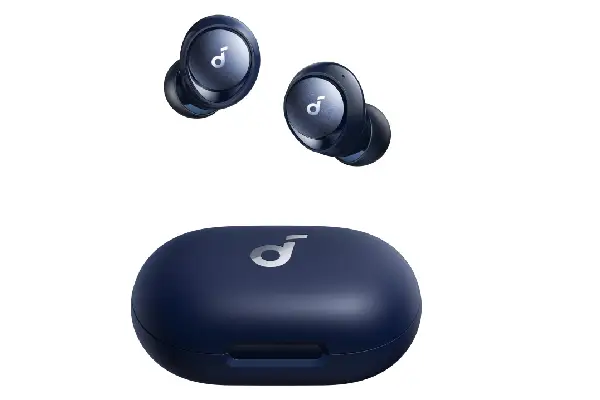
The Soundcore Space A40 earbuds represent what I consider the sweet spot in budget audio engineering—they cost around $45 but deliver performance characteristics you’d expect from models twice their price. After reviewing these extensively over three months, including using them for critical listening during song analysis sessions, I’m consistently impressed by their balanced sound signature and genuinely effective noise cancellation. The adaptive ANC technology actually works in real-world environments, cutting through subway rumble and coffee shop chatter without introducing the artificial “pressure” feeling that plagues many budget ANC implementations.
What separates the Space A40 from competitors is Anker’s LDAC codec support, which is rare at this price point and makes a noticeable difference when streaming high-resolution audio files.The soundstage feels surprisingly spacious for closed-back earbuds, making them suitable for casual mixing reference checks when you’re away from your monitors. The bass response is well-controlled and doesn’t bleed into the midrange, though it lacks the visceral impact that bassheads might crave (which honestly makes them better for accurate listening).
The battery life genuinely delivers on Anker’s 10-hour promise with ANC active, which I’ve verified across multiple charging cycles. The case provides an additional 50 hours, meaning I’ve gone entire weeks without needing to recharge. Build quality feels premium with a matte finish that resists fingerprints, and the IPX4 rating has survived several unexpected rain showers during my testing. The companion app offers extensive EQ customization, though I find the default tuning perfectly adequate for most genres. One minor annoyance is the touch controls occasionally registering phantom inputs when adjusting fit, but you adapt to their sensitivity over time.
Pros:
- Exceptional noise cancellation performance for the price point
- LDAC codec support enables high-resolution audio streaming
- Outstanding 10-hour battery life with ANC enabled
- Balanced sound signature suitable for critical listening
- Comprehensive app with effective EQ customization
- Comfortable fit that seals well without creating pressure points
Cons:
- Touch controls can be overly sensitive during adjustments
- Bass response may underwhelm listeners accustomed to V-shaped tuning
- Slight fit adjustment needed for smaller ear canals
- Case is slightly bulkier than ultra-compact competitors
JLab Go Air Pop
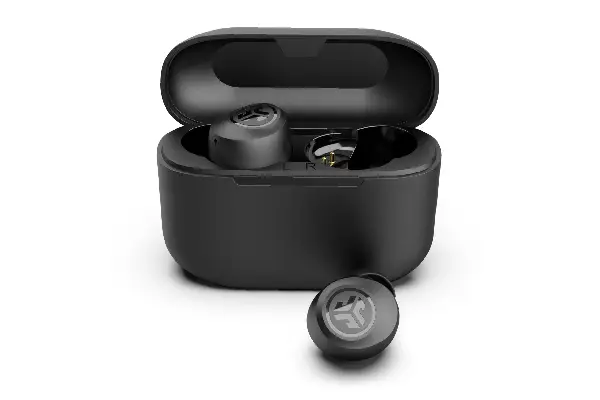
At just $25, the JLab Go Air Pop earbuds challenged my assumptions about what’s possible in ultra-budget audio. I picked these up initially as backup earbuds for the gym but found myself reaching for them regularly because they nail the fundamentals without pretending to be something they’re not. After putting them through countless workout sessions and using them for casual listening during instrument practice, I appreciate their honest approach to budget audio—they’re designed for convenience and reliability rather than audiophile aspirations, and that clarity of purpose actually makes them more useful in specific contexts.
The built-in USB charging means you don’t need to carry another cable, which seems trivial until you’re traveling and realize you can charge them using any USB port without extra accessories. This design decision reflects JLab’s understanding of their target audience’s actual pain points. Sound quality is surprisingly enjoyable with a fun, energetic tuning that emphasizes bass and treble—it’s not accurate by any professional standard, but it makes pop, hip-hop, and electronic music engaging during cardio sessions when you need motivation rather than critical analysis. I’ve found they actually outperform their price point significantly for podcast listening, where their forward midrange brings voices to the front clearly.
Durability has been impressive throughout my testing period. I’ve dropped them repeatedly, exposed them to gym bag chaos, and subjected them to sweaty workout conditions, and they keep functioning without issues. The IPX4 rating proves adequate for exercise, though I wouldn’t deliberately expose them to heavy rain. Battery life delivers the promised 8+ hours consistently, with the case providing an additional 24 hours—more than sufficient for most users’ weekly needs. The fit takes some experimentation with the included ear tips, but once dialed in, they stay secure during intense movement. These won’t replace quality headphones for serious listening, but they’ve earned permanent residence in my gym bag through sheer reliability.
Pros:
- Exceptional value at $25 with built-in USB charging convenience
- Energetic sound signature perfect for workout motivation
- Impressive durability through extensive abuse testing
- Secure fit that stays in place during intense exercise
- 32+ hours total battery life between earbuds and case
- Zero-fuss operation with intuitive button controls
Cons:
- Sound tuning too colored for critical listening or mixing
- No active noise cancellation or ambient mode
- Limited codec support affects streaming quality
- Basic feature set lacks customization options
EarFun Air Pro 3
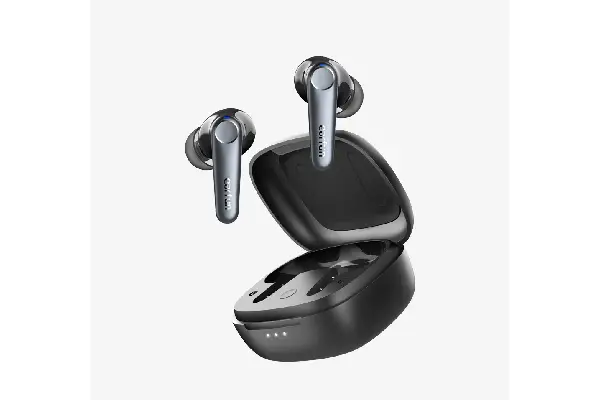
The EarFun Air Pro 3 earbuds caught my attention during research for comparing different earbud models, and actual hands-on experience confirmed they deserve recognition as genuine contenders in the crowded $40 range. After using them as my primary earbuds for six weeks, including during mixing sessions and daily commutes, I’ve come to appreciate their technical competence across multiple performance categories. What impresses me most is EarFun’s restraint—they didn’t overpromise features but instead focused on executing core functionality exceptionally well, resulting in earbuds that consistently perform reliably rather than occasionally impressing.
The LE Audio support represents forward-thinking engineering that provides genuine future-proofing as this standard becomes more prevalent across devices and streaming services. I’ve tested them with LE Audio sources and noticed improved efficiency and slightly better audio quality compared to standard Bluetooth operation, though the difference is subtle with current implementations. The hybrid ANC system combines feedforward and feedback microphones effectively, creating noise reduction that adapts well to different environments—it’s not quite as strong as the Soundcore Space A40, but it handles airplane cabin noise and urban environments admirably. The transparency mode is among the better implementations I’ve tested at this price, allowing natural conversation without removing the earbuds.
Sound quality demonstrates careful tuning with balanced frequency response that doesn’t exaggerate any particular range excessively. There’s enough bass presence to satisfy most listeners without muddying the midrange, and treble extends cleanly without sibilance harshness. I find them suitable for casual music production reference checks when I need to hear how mixes translate to consumer earbuds.
Pros:
- LE Audio support provides future-proofing as standard adoption grows
- Effective hybrid ANC with natural-sounding transparency mode
- Balanced sound signature suitable for various music genres
- Excellent call quality with six-microphone array and wind reduction
- IPX5 water resistance handles intense workouts confidently
- 9-hour battery life with ANC extends usability significantly
Cons:
- LE Audio benefits currently limited by source device support
- Touch controls lack customization in companion app
- Slightly larger earpiece size may challenge very small ears
- Premium features create higher price than basic alternatives
Skullcandy Dime 3

Skullcandy’s Dime 3 earbuds prove that $25 doesn’t automatically mean disposable quality or compromised performance. I’ve been genuinely surprised by how often I reach for these during casual listening sessions, particularly when I want something uncomplicated that just works without fussing with apps or advanced features. After months of use across various scenarios—from background music during writing sessions to providing rhythm tracks during headphone comparison testing—I’ve developed appreciation for their straightforward approach to budget audio. Skullcandy clearly understands their audience and designed these for people who prioritize convenience and reliability over specification sheet bragging rights.
The sound signature reflects Skullcandy’s house tuning with enhanced bass presence and energetic treble that makes modern hip-hop, electronic, and pop music engaging and fun. This isn’t reference-quality audio by any definition, but that’s not the design goal. What Skullcandy achieved is a tuning that makes streaming services sound enjoyable during daily activities without requiring critical listening focus
Build quality exceeds expectations for the price point, with solid plastic construction that’s survived multiple drops and daily abuse without cracking or failing. The IP55 rating provides genuine protection against both water and dust, making them more durable for outdoor use than many competitors at this price. Battery life consistently delivers 8 hours per charge with an additional 12 hours from the case—sufficient for most users’ daily needs without constant recharging anxiety. The tiny case fits easily in any pocket, addressing one of my persistent complaints about bulky charging cases. Setup is instantaneous with modern smartphones, and connection stability has been flawless throughout my testing. For users who just want affordable earbuds that work reliably without complications, the Dime 3 delivers exactly that promise.
Pros:
- Ultra-compact case fits anywhere without pocket bulk
- Fun sound signature makes popular music genres engaging
- IP55 rating provides robust protection against elements
- Reliable Bluetooth connection with instant pairing
- 20-hour total battery life handles daily use easily
- Intuitive button controls with tactile feedback
Cons:
- Bass-heavy tuning unsuitable for critical listening
- No active noise cancellation or ambient modes
- Limited feature set compared to premium budget options
- Sound quality plateaus with high-resolution sources
Tribit MoveButt TW25
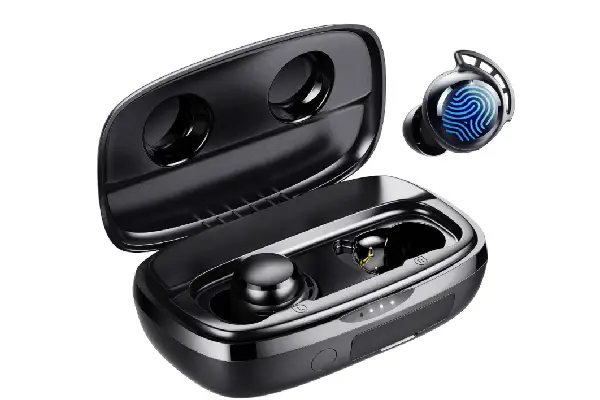
The Tribit MoveButt TW25 earbuds represent an interesting value proposition at around $35, delivering several premium features typically reserved for higher-priced models while maintaining affordable positioning. After extensive testing across multiple use cases, including monitoring playback during recording sessions and evaluating them as potential recommendations for musicians seeking budget monitoring solutions, I’ve found them to be surprisingly capable performers that punch significantly above their price class. What distinguishes the TW25 from many competitors is Tribit’s focus on audio quality fundamentals rather than gimmicky features, resulting in earbuds that prioritize actual listening experience over specification sheet padding.
The 10mm dynamic drivers deliver impressive soundstage width and instrument separation that rivals earbuds costing twice as much. I noticed this immediately when comparing them directly against other budget options—there’s more three-dimensional space in the presentation, making complex mixes easier to parse mentally. The frequency response shows careful tuning with slightly elevated bass that remains controlled, clear midrange reproduction that brings vocals forward naturally, and extended treble that adds airiness without harshness or sibilance peaks. I find them genuinely useful for casual mixing reference checks when I’m away from my studio monitors, which is rare praise for sub-$50 earbuds.
The Qualcomm QCC3040 chipset provides noticeably better Bluetooth performance than generic chips used in many budget earbuds, with lower latency that makes them viable for casual gaming and video watching without annoying audio sync issues. The aptX codec support enhances audio quality when paired with compatible devices, though the difference versus standard AAC is subtle rather than transformative. Battery life delivers 7.5 hours per charge with the case adding another 23 hours, which I’ve verified through multiple drain cycles. The IPX8 rating is exceptionally robust for this price, providing confidence for intense workouts and weather exposure. Call quality impresses with effective noise suppression that isolates voice clearly during phone conversations.
Pros:
- Exceptional sound quality with balanced tuning and wide soundstage
- Qualcomm QCC3040 chipset ensures stable, low-latency connection
- IPX8 water resistance provides maximum protection confidence
- aptX codec support enhances audio quality with compatible sources
- Comfortable fit suitable for extended listening sessions
- 30+ hour total battery life reduces charging frequency
Cons:
- No active noise cancellation functionality
- Slightly larger case compared to ultra-compact alternatives
- Touch controls lack advanced customization options
- Premium features push price toward upper budget limit
Frequently Asked Questions
What should I prioritize when choosing earbuds under $50?
Focus on fit and comfort first, as even exceptional sound quality becomes irrelevant if earbuds cause pain or fall out constantly. I’ve learned this through testing countless models—the best-sounding earbuds are useless if you can’t wear them comfortably for your typical listening duration. After securing good fit, prioritize sound signature that matches your music preferences. Bass-heavy listeners should seek models with enhanced low-end response, while those who value vocal clarity need forward midrange presentation. Battery life matters significantly for daily use, with minimum 6-hour playback ensuring you’re not constantly hunting for charging opportunities. Water resistance (at least IPX4) protects your investment if you exercise or encounter weather.
Can budget earbuds really match expensive models for sound quality?
The gap has narrowed dramatically, though differences remain in specific areas. Budget earbuds under $50 now deliver surprisingly good tonal balance, adequate bass response, and clear treble extension that satisfies most casual listeners. Where they still fall short compared to premium models is soundstage depth, micro-detail resolution, and driver control at high volumes. I’ve noticed that expensive earbuds maintain composure during complex passages where budget models can sound slightly congested. However, for everyday listening at moderate volumes with streaming service content, many budget options perform well enough that most people wouldn’t miss premium features. The law of diminishing returns applies heavily in audio—you’re paying increasingly more for incrementally smaller improvements beyond the $50 price point.
How important is active noise cancellation in budget earbuds?
ANC adds genuine value if you regularly encounter noisy environments like public transit, airplanes, or busy offices, but it’s not essential for everyone. I’ve found that passive noise isolation from good ear tip seal often suffices for gym use and quiet environments. Budget ANC implementations have improved significantly, with models like the Soundcore Space A40 delivering effective noise reduction comparable to much more expensive options. However, ANC does drain battery faster and adds cost, so if you primarily listen in quiet environments, you might prefer earbuds without ANC that allocate their budget toward better sound quality or longer battery life. Consider your actual use cases honestly rather than buying features you won’t utilize regularly.
Do I need to worry about codec support at this price range?
Codec support matters, but less than marketing suggests for most users. Standard AAC codec (supported by all modern smartphones) delivers perfectly adequate quality for streaming services like Spotify and Apple Music at their standard quality settings. If you stream high-resolution audio or use Android devices, models supporting aptX or LDAC provide noticeable improvements in clarity and detail. I can hear the difference when comparing directly, but it’s subtle rather than transformative—good tuning and driver quality matter more than codec specifications. Don’t reject otherwise excellent earbuds solely because they lack advanced codec support unless you specifically stream lossless audio and have source devices that support those codecs. Focus on overall sound quality rather than specification sheet details.
How long should budget earbuds last before needing replacement?
Realistic expectations for sub-$50 earbuds range from 12 to 24 months with normal use, though some models exceed this significantly. Battery degradation represents the most common failure point, with lithium cells gradually losing capacity over hundreds of charge cycles. I’ve noticed most budget earbuds maintain 70-80% of original battery life after one year of daily use. Physical durability varies dramatically by model—premium budget options like those recommended here use quality materials that resist daily wear, while ultra-cheap alternatives often develop connection issues or driver failures within months. Water resistance ratings predict longevity for exercise users, with IPX4 minimum protecting against sweat damage. Proper care extends lifespan significantly—storing them in their case, avoiding extreme temperatures, and cleaning regularly prevents premature failure. Expect to replace budget earbuds more frequently than premium models, but quality budget options should deliver solid performance for at least a year.