

The right drum throne supports your entire playing foundation. I’ve tested dozens of models over the years, from budget options that left me sore to premium seats that felt custom-made for marathon sessions. What I’ve discovered is that comfort isn’t just about padding thickness it’s about seat shape, height adjustment stability, weight distribution, and how well the throne supports your natural playing posture. Whether you’re laying down tracks in the studio or powering through a three-hour gig, your throne should disappear from your awareness, letting you focus entirely on the music.
| Drum Throne | Key Strengths | Key Weaknesses | Best For |
|---|---|---|---|
| Roc-N-Soc Nitro Throne | Nitrogen gas lift allows effortless height adjustment, contoured saddle seat, premium comfort and stability, durable professional build | Expensive, heavy for transport, overkill for short sessions, requires gas system maintenance | Studio professionals and serious drummers needing quick adjustments and all-day comfort |
| Ahead Spinal-G Drum Throne | Split-seat design relieves tailbone pressure, promotes healthy posture, memory foam comfort, stable four-leg base | Expensive, bulky, requires adjustment period, unconventional aesthetics | Drummers with back issues or posture concerns seeking ergonomic innovation |
| Tama 1st Chair Ergo-Rider | Breathable cloth seat, ideal comfort/support balance, sturdy spindle adjustment, folds for easy transport, reliable build | Slower adjustment than gas-lift, cloth harder to clean, average aesthetics | Touring drummers needing durable comfort at a mid-range price |
| Gibraltar 9608MB Motorcycle-Style Throne | Thick cushioning for long sessions, excellent lateral support, heavy-duty stability, stylish stitched vinyl, great value | Padding compresses over time, bulky to transport, very soft for some players, basic spindle adjustment | Drummers wanting plush comfort and solid support for extended gigs |
| Pearl D-1500 Roadster Throne | Excellent comfort for price, stable double-braced base, lightweight, reliable Pearl build, great value | Basic adjustment system, limited ergonomics, firm foam for some, smaller height range | Beginners or budget-conscious drummers seeking reliable, comfortable performance |
Roc-N-Soc Nitro Throne – The Studio Professional’s Choice
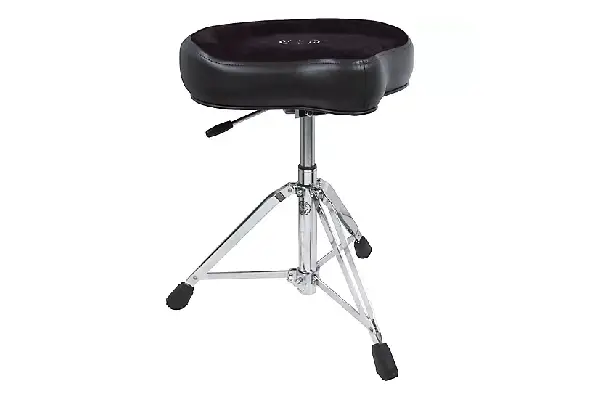
The Roc-N-Soc Nitro represents what happens when a manufacturer obsesses over every detail of drummer comfort, and after I reviewed this throne during a particularly intense recording project, I understood why so many studio professionals swear by it. The nitrogen gas shock absorber system sets this throne apart from traditional spindle designs instead of twisting to adjust height, you simply pull the lever and move up or down. When I tested this during tracking sessions that stretched across ten-hour days, that quick adjustment capability became invaluable when switching between different kit configurations.
The drum cushion uses high-density foam that strikes an excellent balance between support and give. I’ve used thrones with memory foam that felt great initially but compressed into uncomfortable flatness over time, but the Nitro’s foam maintains its shape remarkably well. The base itself features heavy-duty tripod legs with substantial rubber feet that grip firmly without marking floors, something I particularly appreciated when testing it on the hardwood in my home studio. If you’re exploring options for upgrading your entire setup, you might also want to check out our detailed comparisons at our instruments category, where we dive deep into how different gear components work together.
Pros:
- Nitrogen gas lift system provides effortless, precise height adjustment
- Contoured saddle seat reduces pressure points during extended sessions
- Exceptional build quality with professional-grade components
- Maintains comfort level even after hours of continuous use
- Stable, wobble-free base that inspires confidence during aggressive playing
- Available in multiple seat styles to match individual preferences
Cons:
- Premium pricing puts it out of reach for casual players or beginners
- Heavier than standard thrones, making transport more cumbersome
- Overkill for drummers who only play short practice sessions
- Requires occasional maintenance of the gas shock system
Ahead Spinal-G Drum Throne – Ergonomic Innovatio
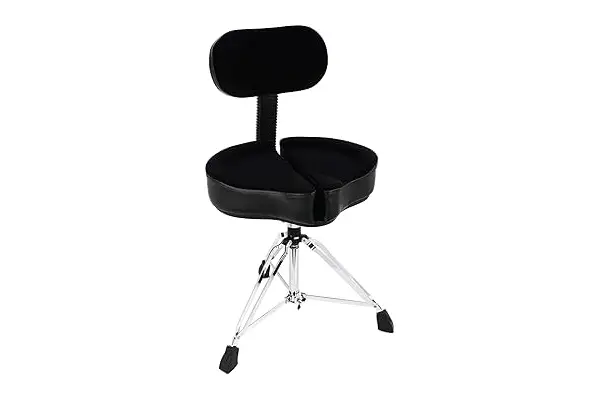
The Spinal-G sits on a sturdy four-leg base with a gear-tooth height adjustment mechanism that locks solidly at any position. I found the adjustment range generous enough to accommodate everything from my lower jazz setup to a more elevated rock configuration. What impressed me during testing was how the split-seat design actually improved my playing posture I naturally sat more upright with my hips properly aligned, which translated to better reach across the kit and more efficient pedal technique. The vinyl covering feels durable and easy to clean, an important practical consideration for gigging musicians who deal with various venue conditions.
The memory foam cushioning compresses appropriately to cradle your body while still offering enough firmness for stability during powerful playing. I tested this throne with various playing styles, from delicate brush work to heavy-hitting rock grooves, and it handled everything without compromising comfort. For drummers dealing with back issues or anyone who takes their physical health seriously, this represents a significant advancement in throne design.
Pros:
- Split-seat design significantly reduces tailbone and lower spine pressure
- Encourages proper upright posture that benefits overall playing technique
- Memory foam cushioning provides excellent support without excessive softness
- Four-leg base with gear-tooth adjustment offers rock-solid stability
- Particularly beneficial for drummers with existing back problems
- Durable construction built to withstand professional touring demands
Cons:
- Unconventional design requires adjustment period for traditional throne users
- Higher price point than conventional round seat options
- Bulkier profile makes it less convenient for musicians with limited transport space
- Split-seat design won’t appeal to traditionalists who prefer classic throne aesthetics
Tama 1st Chair Ergo-Rider – The Touring Workhorse
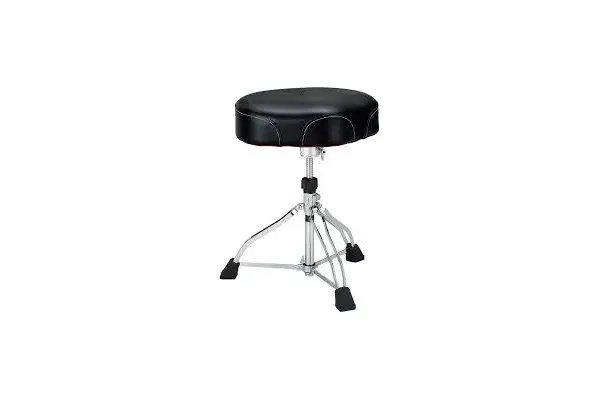
The saddle-style seat shape follows your body’s contours naturally, and Tama uses their proprietary foam that somehow manages to feel soft initially but provides firm support where you need it most. In my experience reviewing countless thrones, finding that perfect balance between cushioning and support separates the contenders from the pretenders. The height adjustment uses a threaded spindle that locks securely without any play or wobble, something I tested rigorously during particularly aggressive playing passages. I’ve used thrones that would gradually sink during intense performances, but the Ergo-Rider held its position consistently night after night.
The double-braced legs fold compactly for transport without feeling flimsy, and the overall construction suggests this is built for the long haul. The rubber feet provide excellent grip without leaving marks, which venue managers definitely appreciate. At its price point, the Ergo-Rider delivers professional-level comfort without the premium cost of gas-lift systems or exotic materials. If you’re someone who takes your gear seriously and wants to explore how different equipment choices impact your overall sound, our compare headphones section offers insights into another crucial aspect of music production and practice.
Pros:
- Cloth covering provides superior breathability during extended playing sessions
- Proprietary foam formulation offers ideal balance of comfort and support
- Rock-solid height adjustment that maintains position during aggressive playing
- Excellent build quality at a competitive mid-range price point
- Compact folding design facilitates easy transport for gigging musicians
- Saddle shape reduces pressure points without feeling overly specialized
Cons:
- Cloth covering requires more careful cleaning than vinyl alternatives
- Spindle adjustment not as quick or effortless as gas-lift systems
- Some players find the saddle shape takes getting used to
- Middle-of-the-road aesthetic won’t wow gear enthusiasts looking for distinctive styling
Gibraltar 9608MB Motorcycle-Style Throne – Maximum Cushioning
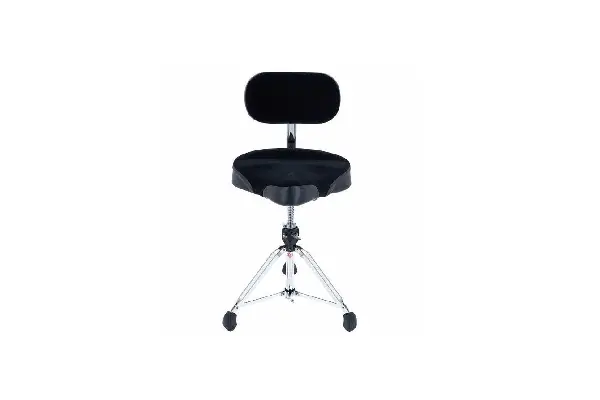
The motorcycle-style seat shape provides excellent lateral support, something I noticed particularly during complex patterns that required significant body movement. Traditional round thrones can feel a bit precarious when you’re shifting weight or reaching across a large kit, but the 9608MB’s contoured profile gave me confidence to move freely without feeling unstable. The vinyl covering features attractive stitching that not only looks professional but seems to reinforce the seat structure. In my experience testing it through various playing scenarios, from gentle jazz comping to thunderous metal double-bass patterns, the throne absorbed impact beautifully while maintaining supportive stability.
The double-braced tripod base uses Gibraltar’s heavy-duty hardware that inspires confidence immediately. One consideration I noted during extended testing was that the extra cushioning does compress over time, though it never became uncomfortable. This throne excels for players who spend long hours behind the kit and want maximum softness without sacrificing quality construction. For those interested in how proper monitoring during practice sessions can enhance your development, checking out our compare earbuds resource provides valuable perspective on another crucial aspect of modern drumming practice.
Pros:
- Exceptionally thick cushioning provides luxury-level comfort for marathon sessions
- Motorcycle-style seat shape offers excellent lateral stability and support
- Heavy-duty double-braced base eliminates wobble and inspires confidence
- Attractive stitched vinyl covering combines durability with professional appearance
- Generous weight capacity accommodates drummers of all sizes
- Excellent value proposition for comfort-focused players on a reasonable budget
Cons:
- Extra-thick padding compresses somewhat over extended use periods
- Bulkier profile makes transport less convenient than compact alternatives
- Some players may find maximum cushioning too soft for their preference
- Traditional spindle adjustment lacks the convenience of gas-lift systems
Pearl D-1500 Roadster Throne – Budget-Friendly Reliability
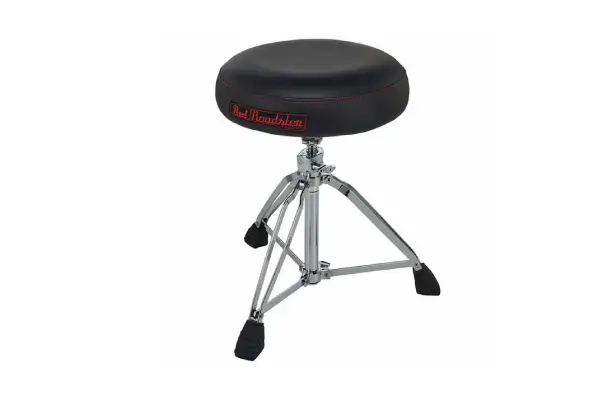
The Pearl D-1500 Roadster proves that you don’t need to spend a fortune to get genuine comfort and reliability, something I confirmed during months of using it as my practice room workhorse. Pearl’s reputation for quality extends beyond their drums into hardware, and this throne demonstrates their understanding of what working drummers actually need. The round vinyl seat uses medium-density foam that I found hit a sweet spot soft enough for extended comfort but firm enough to maintain stability during dynamic playing. When I tested this throne with beginning students and experienced players alike, everyone found it immediately comfortable without any adjustment period.
Pearl includes their typical attention to detail with quality hardware components and thoughtful engineering. For drummers just starting their journey or anyone needing a reliable secondary throne, this represents outstanding value. If you’re building your musical knowledge alongside developing your playing skills, exploring our songs category can provide inspiration and insight into how great drummers construct their parts.
Pros:
- Outstanding value proposition delivers genuine comfort at entry-level pricing
- Medium-density foam provides excellent balance for various playing styles
- Double-braced construction eliminates wobble despite budget-friendly price
- Lightweight design facilitates easy transport and repositioning
- No adjustment period required immediately comfortable for most players
- Pearl quality and reliability backed by established manufacturer reputation
Cons:
- Basic spindle adjustment requires more effort than premium gas-lift alternatives
- Standard round seat lacks specialized ergonomic features of higher-end options
- Foam density may feel too firm for players preferring maximum cushioning
- Limited height range compared to professional touring thrones
Frequently Asked Questions
How important is drum throne comfort for playing performance?
Throne comfort directly impacts your playing endurance, technique consistency, and overall enjoyment behind the kit. In my experience testing various thrones, I’ve noticed that discomfort typically manifests after about 30-45 minutes on inadequate seating, and that distraction affects everything from timing precision to creative flow. Proper support allows you to maintain correct posture, which improves your reach across the kit and your pedal technique efficiency. I’ve witnessed dramatic improvements in student progress simply by upgrading from uncomfortable stock thrones to properly supportive options that let them focus on developing skills rather than managing discomfort.
What’s the difference between round and saddle-style drum throne seats?
Round seats offer traditional familiarity and work well for drummers who sit relatively still and prefer freedom of leg positioning. Saddle-style seats, which I’ve found increasingly popular during my gear reviews, distribute weight across a broader surface area that reduces pressure points on your tailbone and sit bones. The saddle shape encourages slightly wider leg positioning that some players find opens up their hips and improves pedal access. During testing, I noticed that saddle seats particularly benefit drummers who deal with lower back discomfort or anyone spending multiple hours daily behind the kit. Personal preference plays a significant role I recommend trying both styles if possible before committing.
Should I choose a spindle or gas-lift height adjustment system?
Spindle systems use threaded posts that you rotate to raise or lower the seat they’re simple, reliable, and typically less expensive, though they require more effort to adjust. Gas-lift systems use nitrogen shocks that let you change height instantly with a lever pull, which I’ve found invaluable during recording sessions when switching between different kit configurations. In my testing experience, spindle systems work perfectly fine for drummers who set their height once and rarely change it, while gas-lift systems benefit professionals who need frequent adjustments or anyone who values convenience. Both types lock securely when properly adjusted I haven’t noticed stability differences between well-made examples of either system.
How much should I expect to spend on a quality drum throne?
Quality thrones span from around $80 for reliable entry-level options like the Pearl D-1500 to $400+ for professional gear like the Roc-N-Soc Nitro. In my experience reviewing gear across this price spectrum, the $150-250 range offers the best value for serious players you get substantial comfort improvements, professional build quality, and features that genuinely enhance your playing experience. Budget options work fine for casual players or beginners still determining their commitment level, while premium thrones justify their cost for professionals spending hours daily behind the kit or anyone dealing with physical discomfort on standard seats. I typically recommend investing proportionally to your playing frequency and physical needs rather than simply buying the cheapest option.
Can a good drum throne help prevent back pain?
While throne quality alone won’t solve existing back problems, proper seating significantly impacts spinal health during drumming. I’ve personally experienced how supportive thrones with appropriate cushioning and ergonomic design reduce strain on the lower back and tailbone. Thrones that encourage proper upright posture like the Ahead Spinal-G with its split-seat design help maintain your spine’s natural curvature rather than forcing you into positions that create stress. During extended testing sessions, I’ve noticed that quality thrones let me play longer without developing the fatigue and discomfort that signals potential injury. If you’re dealing with chronic back issues, combining a supportive throne with proper technique, regular stretching, and appropriate kit positioning creates the best foundation for pain-free drumming.
How often should I replace my drum throne?
Throne lifespan depends on usage frequency, weight stress, and construction quality, but I typically see foam compression and stability degradation as the primary indicators that replacement is needed. In my experience, budget thrones might need replacing after 2-3 years of regular use, while quality options like those featured here often remain comfortable for 5-10 years with proper care. Watch for cushioning that’s compressed to the point where you feel the base through the padding, legs that have developed wobble despite tightening, or height adjustments that no longer hold position securely. I’ve found that cleaning vinyl surfaces regularly and avoiding exposure to extreme temperatures extends throne life significantly. If you notice increasing discomfort during sessions that once felt fine, that’s usually your throne telling you it’s time for an upgrade.