

After spending years recording vocals in various studio environments, I’ve come to realize that choosing the right condenser microphone for vocals isn’t just about picking the most expensive option or following what everyone else uses. The best condenser microphones for vocals transform a recording session from merely capturing sound to genuinely preserving the emotional texture and tonal character of a voice. Whether you’re setting up a home studio or upgrading your professional recording chain, understanding how these microphones actually perform under real recording conditions makes all the difference.
| Model | Key Features | Pros | Cons |
|---|---|---|---|
| Audio-Technica AT2020 | Low-mass diaphragm, cardioid condenser, rugged metal build, 20Hz–20kHz response | – Excellent clarity for the price- Low self-noise- Durable construction- Good off-axis rejection- Versatile for vocals + instruments | – Requires phantom power- Can emphasize sibilance- No shock mount included- Fixed cardioid pattern |
| Rode NT1-A | Ultra-low 5dBA self-noise, presence boost, high SPL handling, complete accessories bundle | – Whisper-quiet noise floor- Comes with shock mount/pop filter/cable- Bright, clear sound- Solid build quality- Captures intimate vocal details | – Brightness may emphasize sibilance- Needs a good preamp- Fixed cardioid only- Slightly heavy |
| Neumann TLM 102 | Compact large-diaphragm condenser, classic Neumann sound, high SPL, 12 dBA noise | – Authentic Neumann tonal quality- Small footprint for tight spaces- Handles very loud vocals- Clean recordings- Excellent transient response | – Higher price- No pad or high-pass switches- Needs shock mount for best isolation- Fixed cardioid only |
| AKG C214 | C414-inspired capsule, built-in pad, bass-cut filter, vintage-leaning tone | – Classic warm AKG character- 20 dB pad for loud sources- Bass-cut filter reduces rumble- Strong metal build- Great price-to-performance | – Fixed cardioid limits versatility- Strong proximity effect- Slightly less detailed highs- Heavier than competitors |
| Shure KSM32 | Class A transformerless design, 3-way pad, 3 LF filters, subsonic filter, neutral voicing | – Highly versatile for all vocal styles- Switchable pad + filters- Extremely clean/transparent sound- Very low self-noise- Excellent build and durability | – Higher cost- Neutral tone may feel “too clean” for some- Big microphone body- Fixed cardioid only |
Audio-Technica AT2020: The Studio Workhorse That Punches Above Its Weight
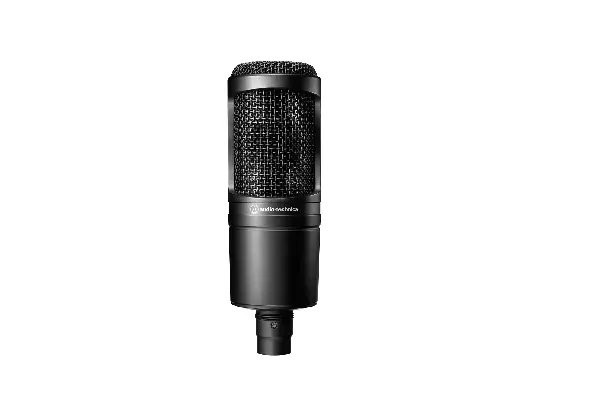
The AT2020 has become such a staple in home and professional studios that it’s easy to overlook just how remarkable this microphone truly is. After using one extensively for both lead vocals and background harmonies over the past few years, I’ve developed a genuine appreciation for what Audio-Technica accomplished with this design. The microphone features a custom-engineered low-mass diaphragm that delivers extended frequency response and superior transient response, which in practical terms means it captures vocal details that microphones twice its price sometimes miss.
The build quality feels substantial in your hands, with a rugged construction that’s survived more than a few accidental bumps during sessions (not that I’m admitting to being clumsy, but accidents happen). The microphone comes with a pivoting stand mount that actually stays in position once you’ve set it, which sounds like a minor detail until you’ve dealt with cheaper mounts that slowly droop during a long recording session. For artists exploring different musical styles, this versatility extends beyond vocals—I’ve successfully used it on acoustic guitar, overhead drum micing, and even as a room mic, though its true strength lies in vocal reproduction.
Pros:
- Exceptional clarity and detail for the price point
- Low self-noise makes it suitable for quiet vocal passages
- Durable metal construction survives regular studio use
- Cardioid pattern effectively minimizes room noise and reflections
- Wide frequency response (20 Hz to 20 kHz) captures full vocal range
Cons:
- Requires phantom power (which might necessitate an audio interface upgrade for beginners)
- Can emphasize sibilance on particularly bright voices without proper technique
- No built-in shock mount included (sold separately)
- Fixed cardioid pattern offers no polar pattern switching
Rode NT1-A: Whisper-Quiet Performance That Changed Home Recording
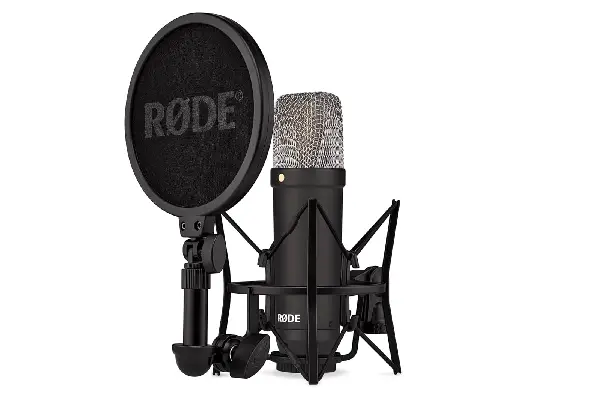
When Rode released the NT1-A, they fundamentally shifted expectations for what a mid-priced condenser microphone could achieve, and after extensive use recording vocals across multiple genres, I understand why this microphone has maintained such a devoted following. The most striking characteristic is its incredibly low self-noise rating of just 5dBA, which means you can push your preamp gain higher without introducing that annoying hiss that plagues recordings made with noisier microphones. This becomes particularly important when recording softer vocal styles or when you’re trying to capture the subtle breath work and emotional nuances that give a vocal performance its intimacy.
Sonically, the NT1-A has a slight presence boost in the upper midrange that adds clarity and helps vocals sit forward in a mix without requiring excessive EQ. Some engineers describe this character as “bright,” and while that’s accurate, it’s not harsh brightness—rather, it’s an airiness that works beautifully for pop, indie, and singer-songwriter material. The microphone handles high sound pressure levels impressively well, which proved useful when recording a rock vocalist who liked to really belt certain phrases, though I’ll admit most of my vocal sessions rarely push it to those extremes. If you’re interested in understanding how different gear works together in a complete recording setup, exploring various instruments can provide valuable context for your production approach.
Pros:
- Industry-leading low self-noise (5dBA) for pristine quiet vocal recordings
- Complete package includes shock mount, pop filter, cable, and case
- Excellent build quality with all-metal construction
- Clear, present sound character that requires minimal EQ
- Wide frequency response captures vocal nuances authentically
Cons:
- Brightness might emphasize sibilance on some voices
- Requires quality preamp to truly showcase its capabilities
- Single cardioid pattern limits versatility for other recording applications
- Slightly heavier than some alternatives, requiring sturdy boom stands
Neumann TLM 102: Professional Heritage in a Compact Package
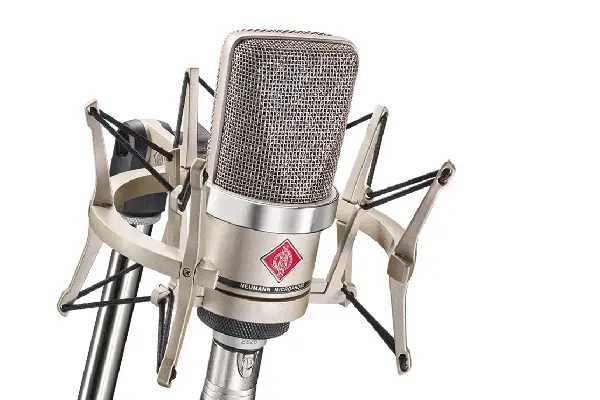
Neumann’s reputation in professional audio is legendary, and while their flagship U87 remains out of reach for many home studio owners, the TLM 102 brings genuine Neumann quality to a more accessible price point. After recording with this microphone across various projects, I can confirm that it possesses that characteristic Neumann sound—smooth, detailed, and somehow both transparent and flattering simultaneously. The large-diaphragm capsule is based on the same technology found in their more expensive models, though housed in a more compact body that actually offers some practical advantages in smaller recording spaces
The compact form factor initially made me question whether it would feel as substantial as larger studio condensers, but those concerns disappeared quickly. The smaller profile actually proved advantageous when positioning the microphone in tighter spaces or when trying to achieve specific placement relative to the vocalist’s mouth. The included stand mount works adequately, though I eventually invested in a separate shock mount because I noticed some low-frequency rumble being transmitted through the stand during sessions in rooms with less-than-ideal isolation. When you’re considering how different pieces of gear integrate into your workflow, comparing options like you might when looking at headphones helps develop critical listening skills that improve recording decisions.
Pros:
- Authentic Neumann sound quality and engineering
- Compact design fits easily in smaller recording spaces
- Extremely high maximum SPL handles any vocal dynamic
- Minimal self-noise (12 dBA) for clean recordings
- Excellent transient response captures vocal articulation
Cons:
- Higher price point than entry-level alternatives
- No onboard pad or filter switches
- Requires separate shock mount for optimal isolation
- Fixed cardioid pattern limits multi-purpose applications
AKG C214: Vintage Character with Modern Reliability
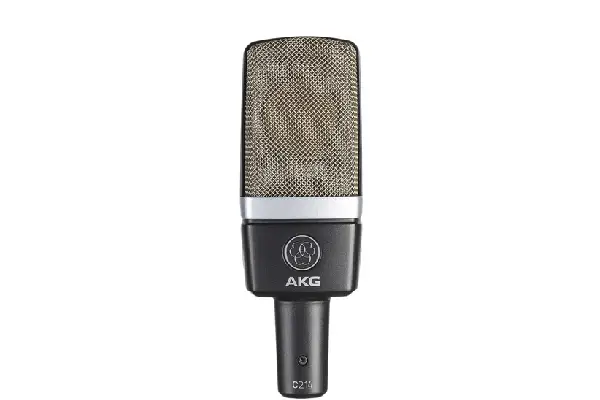
The AKG C214 draws its design inspiration from the legendary C414 while streamlining certain features to hit a more approachable price point, and after extensive use recording various vocal styles, I’ve found it strikes an excellent balance between vintage character and contemporary clarity. The microphone features the same one-inch dual-capsule design found in its more expensive sibling, though configured in a fixed cardioid pattern. What this means in practical terms is you’re getting that classic AKG sound—open, detailed, with a slightly forward midrange that helps vocals maintain presence without sounding artificially enhanced.
The integrated bass-cut filter at 160 Hz has become a feature I use more often than I initially expected. When recording in untreated rooms, that filter helps manage low-frequency rumble and proximity effect without requiring EQ adjustments later. Speaking of proximity effect, the C214 exhibits noticeable low-end boost when working close to the microphone, which can be either an asset or a challenge depending on your vocalist’s natural tone. The all-metal body and capsule construction feels professionally robust, and after several years of regular use, mine shows minimal wear beyond some superficial scratches on the finish. For artists recording across different musical contexts, understanding how gear choices impact the final sound ties into broader production decisions, similar to choosing the right monitoring setup when you compare earbuds for mobile production work.
Pros:
- Classic AKG sound character with vintage warmth
- Built-in 20 dB pad handles high SPL sources
- Integrated bass-cut filter manages low-frequency issues
- Robust all-metal construction for long-term durability
- Excellent value for the sound quality delivered
Cons:
- Fixed cardioid pattern reduces versatility
- Noticeable proximity effect requires careful positioning
- Slightly less detailed high-end compared to more expensive models
- Heavier than some alternatives, requiring quality stands
Shure KSM32: The Versatile Professional That Handles Everything
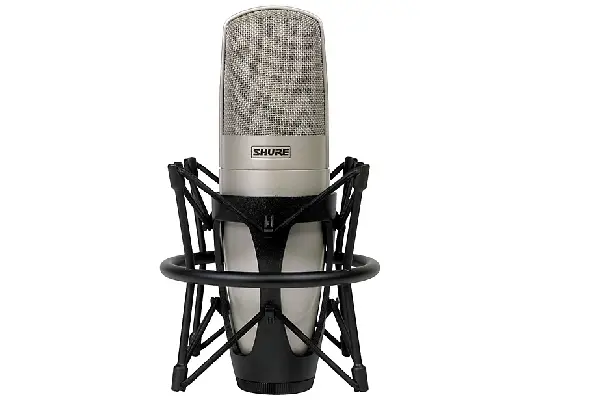
The Shure KSM32 represents what happens when a microphone company with legendary expertise in dynamic microphones brings that same engineering philosophy to condenser design. After using this microphone on countless vocal sessions, I’ve developed tremendous respect for its combination of sonic excellence and practical ruggedness. The Prethos Advanced Preamplifier Technology reduces distortion to negligible levels even at high sound pressure levels, which translates to recordings that maintain clarity and detail whether your vocalist is singing softly or belting with full power.
What sets the KSM32 apart from many competitors is its three-position switchable pad (0, -15 dB, and -25 dB) and three-position low-frequency filter (flat, -15 dB at 80 Hz, and -18 dB at 115 Hz). These options provide genuine flexibility for adapting the microphone’s response to different voices and recording environments. I’ve found myself using the moderate pad setting when recording vocalists with powerful projection, while the low-cut filters help manage proximity effect or room rumble depending on the situation. The ability to make these adjustments at the microphone itself, rather than requiring external processing, streamlines the recording workflow considerably.
The Class A, transformerless preamplifier circuitry delivers an exceptionally clean signal path with minimal coloration, which some engineers might find less “characterful” than vintage-inspired designs, but I’ve come to appreciate how it allows the natural tone of the voice to come through unaltered. This transparency proved particularly valuable when recording duet vocals where tonal matching between different microphones became important—the KSM32’s neutral response meant voices recorded with it blended naturally with those captured on similar transparent mics. The subsonic filter prevents low-frequency rumble and mechanical vibrations from reaching the capsule, which proved valuable during sessions in older buildings where HVAC systems introduced unwanted rumble. Build quality is exceptional, with a champagne-colored brass exterior that not only looks professional but provides effective shielding against electromagnetic interference.
Pros:
- Exceptional versatility with switchable pad and filter options
- Class A transformerless preamplifier for pristine signal quality
- Robust construction survives regular professional use
- Minimal self-noise (13 dBA) for detailed recordings
- Subsonic filter prevents low-frequency rumble issues
Cons:
- Higher price point than budget alternatives
- Neutral sound might lack character some producers prefer
- Larger size requires adequate stand and space
- Fixed cardioid pattern limits some specialized applications
Understanding What Makes These Condenser Microphones Special for Vocal Recording
The distinction between adequate and exceptional vocal recording often comes down to the condenser microphone you choose, and after years of working with these tools, I’ve learned that specifications only tell part of the story. A microphone’s frequency response graph might show a flat line, but the real-world experience of recording a vocalist who connects emotionally with their performance reveals nuances that measurements can’t fully capture. The best condenser microphones for vocals share certain characteristics: low self-noise that preserves quiet details, extended frequency response that captures both the weight and air of a voice, and transient response fast enough to track articulation and consonants without smearing.
The physical relationship between vocalist and microphone also influences results more than many people realize. Teaching proper microphone technique—maintaining consistent distance, working the proximity effect intentionally, managing plosives through positioning rather than relying entirely on filters—transforms recording quality substantially.
FAQ
What’s the difference between condenser and dynamic microphones for vocals?
Condenser microphones use a capacitor-based design that responds to sound pressure with exceptional sensitivity and extended frequency response, making them ideal for capturing vocal detail, breath sounds, and subtle emotional nuances in controlled studio environments. Dynamic microphones employ a more robust moving-coil design that handles high sound pressure levels and rejects background noise more effectively, making them better suited for live performance or recording in untreated spaces with ambient noise. After recording in both contexts extensively, I’ve found condensers capture a level of detail and presence that brings studio vocals to life, though they require proper acoustic treatment and careful technique to deliver their full potential.
Do I need a separate preamp for these condenser microphones?
Yes, all condenser microphones require phantom power (typically 48 volts) and benefit significantly from quality preamplification. Most modern audio interfaces include built-in preamps with phantom power, which work adequately for entry-level recording, but investing in a dedicated external preamp often reveals additional clarity, detail, and tonal character that elevates your recordings from good to exceptional. I’ve experienced notable improvements when upgrading from interface preamps to dedicated units with higher-quality components and better gain staging, though the microphone itself remains the most critical component in the signal chain.
How far should a vocalist position themselves from a condenser microphone?
The optimal distance varies depending on the microphone’s proximity effect characteristics, the vocalist’s projection style, and the desired tonal quality, but generally, positioning between 6 to 12 inches from the capsule provides a good starting point for most vocal recording. Closer positioning (4-6 inches) adds warmth and intimacy through proximity effect while capturing more breath detail, which works beautifully for ballads and intimate performances, whereas greater distance (12-18 inches) reduces low-frequency buildup and captures a more natural, balanced tone suitable for powerful vocal styles. I’ve learned to adjust positioning throughout a song, sometimes having vocalists work closer during softer verses and step back slightly during louder choruses to maintain consistent tonal balance.
Can these microphones work for recording instruments besides vocals?
Absolutely, large-diaphragm condenser microphones excel at capturing acoustic instruments, piano, acoustic guitar, drum overheads, and even amplified sources when using appropriate techniques. I’ve successfully used each of these microphones for various instrumental applications, though their particular strengths shine brightest on vocal recording where their extended frequency response and transient accuracy capture the human voice’s unique characteristics. The versatility becomes particularly valuable in home studios where budget constraints limit how many specialized microphones you can own, allowing one quality condenser to serve multiple roles effectively.
How important is acoustic treatment when using condenser microphones?
Acoustic treatment significantly impacts condenser microphone recordings because their sensitivity captures not only the direct sound from your voice but also reflections from walls, ceilings, and nearby surfaces that can create comb filtering and reduce clarity. I’ve recorded in both treated and untreated spaces, and the difference is immediately audible—treated rooms produce recordings with clear, present vocals that sit naturally in mixes, while untreated spaces often sound boxy, distant, or confused with competing reflections. Even basic treatment like absorption panels at reflection points and bass traps in corners dramatically improves results, though creative solutions like recording in closets surrounded by clothing or using portable vocal booths can also work when dedicated acoustic treatment isn’t feasible.