

Finding the right classical guitar as a student can make all the difference in your musical journey. Whether you’re just starting out or progressing through your early years of study, the best classical guitars for students offer excellent playability, warm tones, and reliable construction without breaking the bank. After years of testing and recommending instruments to aspiring guitarists, I’ve identified five exceptional models that deliver professional quality at student-friendly prices. These guitars combine traditional craftsmanship with modern innovations, giving you the foundation you need to develop proper technique and musicality.
Why Classical Guitar is Perfect for Student Musicians
Classical guitar provides an ideal foundation for any guitarist. The nylon strings are gentler on fingertips than steel strings, making those crucial early practice sessions less painful. The wider neck spacing helps students develop proper finger placement and hand positioning from the beginning. Classical technique emphasizes correct posture, hand shape, and musical expression skills that transfer beautifully to other guitar styles. Many music programs and private instructors prefer starting students on classical guitar because it builds discipline and technical proficiency that lasts a lifetime.
The instruments I’ve selected represent the sweet spot between quality and affordability. Each guitar has been evaluated based on tonewoods, construction methods, playability, sound projection, and overall value. Whether you’re enrolled in formal lessons or teaching yourself, these guitars will support your progress without requiring a second mortgage.
| Guitar Model | Key Features | Tone & Playability | Best For / Ideal Use |
|---|---|---|---|
| Cordoba C5 | Solid Canadian cedar top, mahogany back & sides, hand-inlaid rosette, satin neck finish | Warm, balanced tone that improves with age; smooth neck for long sessions | Intermediate students seeking quality tone and lasting value |
| Yamaha C40 | Spruce top, meranti back & sides, gloss finish, reliable tuners | Clear, balanced tone; easy playability and strong durability | Beginners or students needing an affordable, dependable starter guitar |
| Alhambra 1C | Solid cedar top, sapele back & sides, handcrafted in Spain, ebony fingerboard | Warm, expressive “Spanish” tone; excellent craftsmanship and feel | Serious students wanting authentic Spanish build and tone |
| Fender CN-60S | Solid spruce top, laminated mahogany back & sides, Fishman electronics, gig bag | Bright, modern sound; comfortable for crossover players; amplified versatility | Students or performers transitioning from acoustic/electric guitars |
| Kremona Rosa Morena | Solid cedar top, sapele back & sides, flamed maple binding, bone nut & saddle | Powerful, nuanced tone; luxurious aesthetics; inspiring to play | Advancing players seeking professional feel at student-friendly price |
Cordoba C5
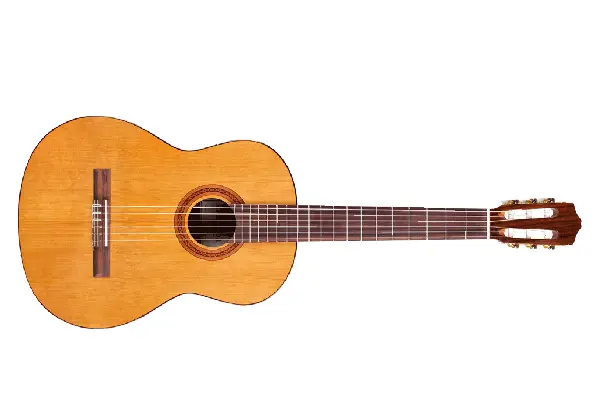
The Cordoba C5 stands as one of the most recommended classical guitars for intermediate to advancing students, and for good reason. This Spanish-inspired instrument features a solid Canadian cedar top paired with mahogany back and sides, creating a balanced tonal palette that’s both warm and articulate. The solid top is particularly important it allows the guitar to open up and improve with age, unlike laminate tops that remain static throughout their lifespan.
Cordoba’s attention to detail shows in the gorgeous rosette design and the hand-inlaid mosaic around the soundhole. The satin finish on the neck allows your hand to move freely without sticking, which is crucial during long practice sessions. At its price point, the C5 offers build quality and sound that rivals guitars costing significantly more, making it an investment that will serve you well through your student years and beyond.
Yamaha C40
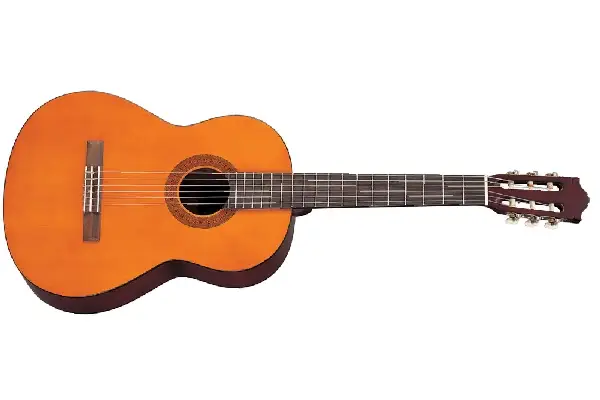
The Yamaha C40 has earned its legendary status as the go-to entry-level classical guitar for students worldwide. If you’ve ever taken a group guitar class or visited a music school, you’ve likely encountered this reliable workhorse. Yamaha engineered the C40 specifically with beginners in mind, focusing on playability, durability, and consistency factors that matter immensely when you’re just starting your musical journey.
One aspect that makes the C40 particularly student-friendly is its exceptional value for money. You’re getting a guitar from a company with decades of experience in crafting instruments specifically for education. The tuning machines hold pitch reliably, the gloss finish protects the wood from everyday wear, and replacement parts are readily available if needed. Countless professional guitarists started on a C40, testament to its ability to provide a solid foundation for serious musical study. For those exploring different songs and styles during practice, this guitar adapts remarkably well.
Alhambra 1C
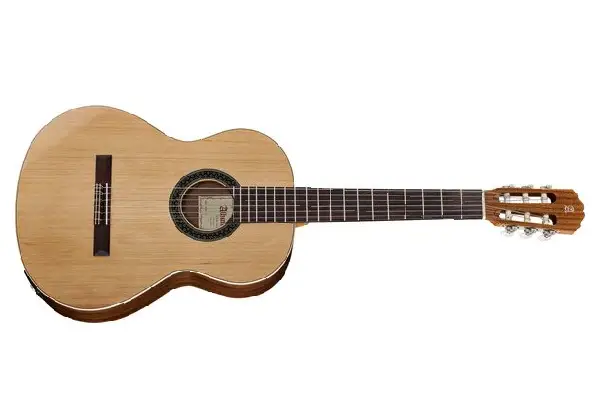
Spanish guitar manufacturer Alhambra brings authentic Mediterranean craftsmanship to students with the 1C model. Handcrafted in Spain, this guitar represents traditional lutherie techniques passed down through generations. The solid cedar top produces a characteristically Spanish sound warm, romantic, and expressive while the sapele back and sides provide structural stability and tonal support that complements the top beautifully.
The 1C distinguishes itself through its superior construction methods. Each guitar receives individual attention from skilled craftspeople who understand the nuances of classical guitar building. The dovetail neck joint, a hallmark of quality construction, ensures long-term stability and optimal vibration transfer from the neck to the body. The ebony fingerboard feels luxurious under your fingers and will outlast rosewood alternatives, maintaining its smoothness through years of practice.
Fender CN-60S
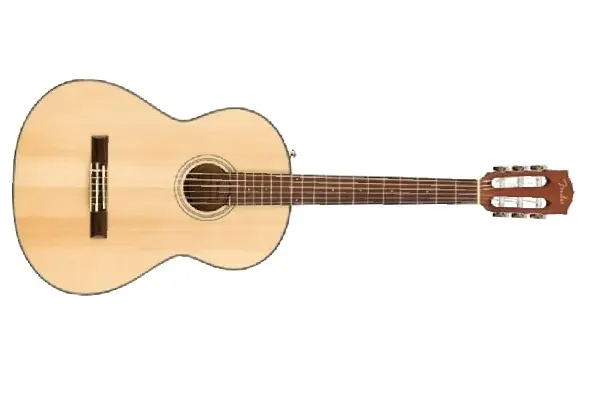
Fender, primarily known for electric guitars, has applied their manufacturing expertise to create an impressive nylon-string classical guitar in the CN-60S. This model features a solid spruce top with laminated mahogany back and sides, striking a balance between acoustic quality and affordability. What sets the CN-60S apart is Fender’s modern approach to classical guitar design, incorporating elements that appeal to students coming from other guitar backgrounds.
Fender includes their premium electronics package with the CN-60S, featuring a Fishman preamp system that allows you to plug into amplifiers or recording interfaces. This versatility proves invaluable for students interested in recording their progress, performing with amplification, or exploring how their classical technique translates to different musical contexts. The guitar comes with a comfortable gig bag, making transport to lessons safe and convenient. For students comparing different instruments, the CN-60S offers remarkable versatility.
Kremona Rosa Morena

The Kremona Rosa Morena represents Bulgarian craftsmanship at its finest, offering students a glimpse into professional-quality instruments without the professional price tag. This guitar features a solid cedar top combined with sapele back and sides, producing a voice that’s both powerful and nuanced. Kremona’s luthiers understand that students need guitars that inspire them to practice, and the Rosa Morena delivers that inspiration through both visual appeal and sonic excellence.
The craftsmanship evident in the Rosa Morena exceeds expectations for its price category. The flamed maple binding adds elegant contrast to the natural wood tones, while the hand-carved headstock showcases attention to aesthetic detail. The bone nut and saddle materials typically reserved for more expensive instruments provide superior tone transfer and sustain compared to synthetic alternatives. These premium appointments contribute to a playing experience that feels luxurious and professional.
What to Consider When Choosing Your Student Classical Guitar
Selecting your classical guitar involves balancing several important factors. First, consider your budget realistically—while more expensive doesn’t always mean better, investing in quality construction pays dividends in playability and longevity. Solid tops consistently outperform laminate tops in sound quality and development over time, making them worth the additional investment if your budget allows.
Playability should rank as your top priority. The guitar must feel comfortable in your hands, with appropriate neck width and string spacing for your hand size. The action the height of strings above the fretboard dramatically affects ease of playing. Too high causes finger fatigue and intonation issues; too low results in buzzing strings. Most guitars benefit from professional setup, a modest investment that transforms playability.
Consider where you’ll be playing most frequently. If you’re primarily practicing at home, prioritize tonal quality and projection. If you’re transporting your guitar regularly to lessons or rehearsals, factor in weight, durability, and the quality of the included case or gig bag. Students interested in performance should ensure their guitar projects adequately in the venues where they’ll play.
Maintaining Your Classical Guitar for Longevity
Proper maintenance ensures your classical guitar remains in optimal playing condition throughout your studies. Nylon strings should be changed every 3-6 months depending on playing frequency, as old strings lose brilliance and sustain. When changing strings, clean the fingerboard with appropriate products to remove accumulated oils and dirt. Wipe down your guitar after each playing session to prevent body oils from degrading the finish.
Humidity control represents perhaps the most critical aspect of guitar care. Classical guitars thrive in 45-55% relative humidity. Too dry, and the wood can crack; too humid, and glue joints may fail or action may rise uncomfortably. Invest in a reliable hygrometer to monitor conditions where you store your instrument, and use a soundhole humidifier during dry winter months. Keep your guitar in its case when not playing to maintain stable environmental conditions.
Regular professional maintenance catches small issues before they become expensive repairs. Have a qualified luthier or technician inspect your guitar annually, checking neck relief, fret condition, and structural integrity. They can make adjustments to action and intonation as your playing evolves and your preferences develop. This preventive approach extends your guitar’s lifespan and ensures it always plays its best.
Building Your Skills on Classical Guitar
Classical guitar technique requires patience, discipline, and consistent practice. Begin with proper posture use a footstool or guitar support to position the instrument correctly. Your left hand should approach the fingerboard from behind the neck, with your thumb supporting from the center of the neck’s back. Your right hand should arch over the soundhole, plucking strings with fingernails or a combination of nail and flesh depending on your preference and teacher’s guidance.
Start with fundamental exercises like scales, arpeggios, and simple studies from masters like Ferdinando Carulli and Mauro Giuliani. These pieces build finger independence, strengthen your hands, and develop the muscle memory essential for more complex repertoire. Don’t rush progress technical development takes time, and skipping foundational work creates gaps that become harder to address later.
Recording yourself regularly provides invaluable feedback. What feels correct while playing might sound different on playback, helping you identify areas needing improvement. Many students also find that exploring various musical genres and songs keeps practice engaging while developing versatility. Consider supplementing your classical studies with simple folk melodies, popular songs arranged for classical guitar, and even jazz standards to maintain enthusiasm and broaden your musical vocabulary.
The Investment That Keeps Giving
Choosing one of the best classical guitars for students represents an investment in your musical future. Unlike many purchases that depreciate immediately, a quality guitar maintained properly retains significant value while providing years of enjoyment and artistic growth. The skills you develop on these instruments technique, musicality, discipline extend far beyond the guitar itself, enriching your entire musical life.
Each guitar I’ve featured offers a distinct character and appeals to different player preferences. The Yamaha C40 provides unbeatable entry-level value. The Cordoba C5 delivers premium features at a mid-range price. The Alhambra 1C offers authentic Spanish craftsmanship. The Fender CN-60S brings modern versatility to classical design. The Kremona Rosa Morena provides professional appointments for advanced students. Whichever you choose, you’re getting an instrument capable of supporting serious study and musical expression.
Remember that the “best” guitar is ultimately the one that inspires you to pick it up and practice every day. Visit music stores when possible to hold and play different models. While online research and reviews provide valuable information (including comparisons of different earbuds and headphones for practice), nothing replaces the experience of feeling a guitar in your hands and hearing its voice. Trust your instincts, consider your budget, and choose the instrument that speaks to you. Your classical guitar journey awaits, and any of these five exceptional instruments will serve as an excellent companion along the way.
Frequently Asked Questions
What makes a classical guitar different from an acoustic guitar?
Classical guitars feature nylon strings instead of steel strings, producing a warmer, mellower tone. They have wider necks with flat fingerboards, no fretboard markers beyond the soundhole, and typically smaller bodies than steel-string acoustics. The playing technique also differs significantly, with classical players using fingerstyle techniques and specific right-hand positioning that emphasizes fingernails and flesh for tone production.
How much should I spend on my first classical guitar?
For a quality first classical guitar, budget between $150-400. Guitars under $150 often suffer from playability issues that frustrate beginners, while spending over $400 as a complete beginner may not be necessary until you’ve developed your preferences. The sweet spot for most student players lies in the $200-350 range, where you’ll find solid construction, good playability, and room to grow into the instrument.
Do I need a solid top or is laminate acceptable for learning?
While laminate tops work adequately for absolute beginners, solid tops provide superior sound quality and improve with age as the wood opens up. If your budget allows, invest in a solid top it will serve you better throughout your learning journey and retain more value. However, a well-made laminate guitar from a reputable manufacturer is perfectly acceptable for getting started, especially if budget is a primary concern.
How often should I change classical guitar strings?
Change classical guitar strings every 3-6 months with regular playing, or sooner if you notice loss of tone, difficulty staying in tune, or visible wear. New players might go longer between changes since they play less aggressively, while advanced students practicing several hours daily may need monthly changes. Fresh strings significantly improve tone, sustain, and intonation, making regular changes worthwhile.
Can adults learn on student classical guitars or are they only for children?
Student classical guitars are designed for learners of all ages, not just children. The term “student” refers to skill level rather than physical size. Adults learning classical guitar commonly start on these same models, as they offer appropriate quality and features for developing technique without excessive cost. The full-size (4/4) models featured in this guide suit adult hands perfectly and provide the authentic classical guitar experience necessary for proper learning.