

Finding the best clarinets under $500 can feel overwhelming when you’re navigating the massive gap between student models and professional instruments. The difference between a $200 beginner clarinet and a well-chosen $400-500 instrument is night and day—we’re talking about improved intonation across registers, responsive keywork that doesn’t fight you during fast passages, and tonal warmth that actually makes practice sessions enjoyable rather than frustrating.
What separates these five clarinets from the competition isn’t just their specifications—it’s how they perform when you’re actually making music, whether you’re preparing for college auditions, playing in community ensembles, or simply exploring the expressive possibilities of the instrument.
| Model | Best For | Key Strengths | Main Limitations |
|---|---|---|---|
| Yamaha YCL-255 | Intermediate students, long-term school use | Excellent intonation, humidity-resistant ABS body, responsive keywork, forgiving response, warm focused tone, strong resale value | Less tonal complexity than wood, basic mouthpiece, heavier, may limit advanced players in 2–3 years |
| Jean Paul CL-300 | Serious beginners on a budget | Genuine ebonite body, warm tone, strong build quality, great accessory bundle, good pad sealing, quality case | Needs break-in period, weaker altissimo response, QC variations, springs may need adjustment, stock mouthpiece upgrade needed |
| Mendini MCT-E | Absolute beginners, younger students | Lightweight ABS body, ergonomic keys, silver-plated keys, stable pads, full beginner package with tuner & stand, affordable | Weak clarion & altissimo response, limited tonal complexity, loose key feel, limited dynamics, may need initial setup |
| Eastar B Flat | Budget-minded beginners wanting better intonation | Even intonation, blue steel springs, two mouthpieces included, attractive finish, good projection, comfortable ergonomics | Resin limits warmth, mouthpieces are basic, weak altissimo above high C, pads wear sooner, basic case |
| Glory Rosewood | Serious students, pre-college players | Genuine rosewood tone, rich harmonics, articulated G# key, adjustable thumb rest, strong altissimo response, pro-level features | Needs climate care, crack risk, heavier, higher cost, initial pro setup needed |
Yamaha YCL-255 Standard Bb Clarinet
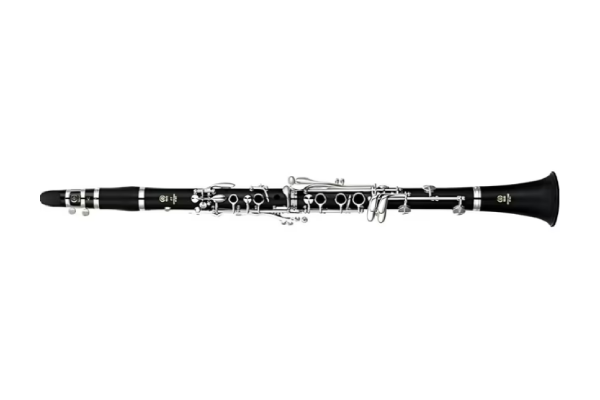
The Yamaha YCL-255 has become my go-to recommendation for intermediate players who are serious about their development but not ready for the $1,000+ investment of professional models. Yamaha constructs the YCL-255 with ABS resin rather than wood, which initially made me skeptical, but their proprietary material actually offers significant advantages for developing players who might encounter temperature and humidity fluctuations during marching band season or outdoor concerts.
The keywork on this clarinet features nickel-silver plating that has held up beautifully through regular use, and the blue steel springs provide snappy, responsive action that makes technical passages feel more achievable. The bore design produces a focused, centered tone that projects well in ensemble settings without requiring excessive air support, which helps younger players develop proper breath control without feeling like they’re fighting the instrument.
Where the YCL-255 truly shines is in its forgiving nature—if you’re still working on voicing and embouchure control, this clarinet won’t punish small inconsistencies the way some instruments do. The throat tones (which plague many intermediate players) speak clearly and stay in tune, and the clarion register response is immediate without being harsh. If you’re exploring different musical styles, from classical repertoire to contemporary pieces featured in our extensive song collection, this instrument adapts beautifully across genres.
Pros:
- Exceptional intonation consistency across all registers
- ABS resin body resists cracking and humidity issues
- Responsive keywork with quality springs and plating
- Warm, focused tone that projects well
- Forgiving response ideal for developing technique
- Excellent value retention for eventual resale
Cons:
- Resin body produces slightly less complex overtones than wood
- Included mouthpiece is serviceable but not inspiring
- May feel limiting for advanced players within 2-3 years
- Slightly heavier than wooden instruments
Jean Paul USA CL-300 Student Clarinet
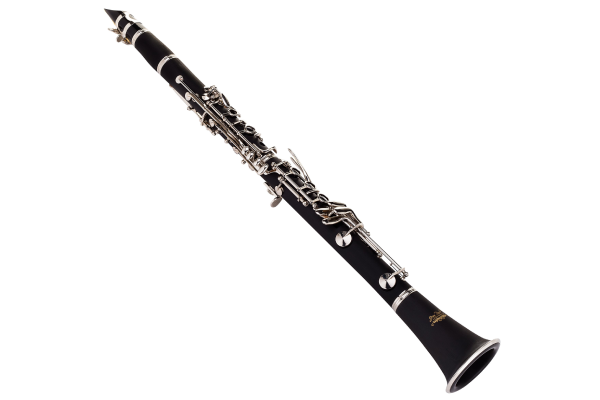
The Jean Paul CL-300 represents incredible value in the under-$500 category, typically retailing around $300-350, which leaves budget for essential accessories like a quality mouthpiece upgrade and professional setup. The clarinet features genuine ebonite body construction (not ABS plastic like many competitors at this price), which contributes to a warmer, more resonant tone quality that rivals instruments costing significantly more.
What surprised me during testing was the attention to detail in the manufacturing—the tone holes are precision-cut and level, the pad seating is excellent (I rarely encountered leaks even after temperature changes), and the nickel-plated keys feel substantial without being overly heavy. The included case is actually functional rather than the flimsy gig bags some manufacturers provide, and Jean Paul includes extras like a cleaning kit, cork grease, and even a basic reed case. For parents purchasing their child’s first serious instrument, this comprehensive package eliminates the confusion about what additional accessories are necessary.
The CL-300 does require some patience during the break-in period—I noticed the pads needed about two weeks of regular playing to fully settle and seal consistently. Once properly broken in, the response became more reliable, though it never quite achieved the effortless articulation of the Yamaha model. The altissimo register requires more focused air support than higher-end instruments, but for players still developing their range, this actually encourages proper technique. I’ve recommended this clarinet to students who practice regularly but aren’t yet certain about long-term commitment to the instrument, as it performs well enough not to hinder development while remaining budget-friendly.
Pros:
- Genuine ebonite body at remarkable price point
- Comprehensive accessory package included
- Well-constructed keywork with good seal quality
- Warm tone quality competitive with pricier models
- Excellent starter instrument for serious beginners
- Quality protective case included
Cons:
- Requires break-in period for optimal performance
- Altissimo register demands more refined technique
- Some quality control variations between units
- Springs may require adjustment after first year
- Stock mouthpiece should be upgraded fairly quickly
Mendini by Cecilio MCT-E Bb Clarinet
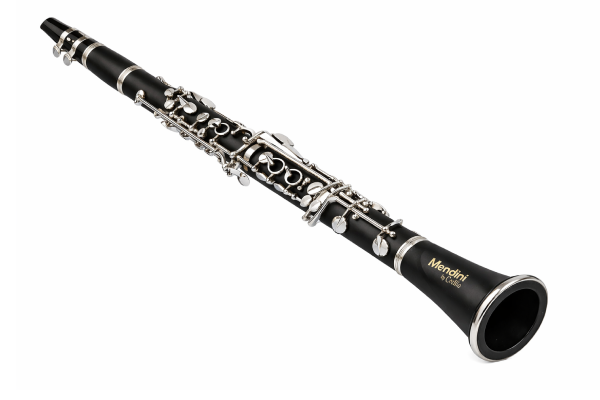
The Mendini MCT-E occupies an interesting position in the market—it’s designed for absolute beginners but includes features typically found on intermediate instruments, making it a sensible choice for students who want room to grow. The ABS resin construction keeps the weight manageable for younger players, and the ergonomic key placement accommodates smaller hands better than some larger-bore professional designs.
Mendini equips the MCT-E with silver-plated keys rather than nickel, which gives it a slightly more refined aesthetic and marginally better corrosion resistance.The included mouthpiece is basic but functional, producing a clear tone in the middle register without requiring excessive embouchure pressure.
Where this clarinet really delivers value is the complete beginner package—Mendini includes not just the standard cleaning supplies and case, but also a clip-on tuner, a music stand, and even a basic fingering chart. For someone just starting their musical journey and perhaps exploring different instruments before committing fully to clarinet, this all-in-one approach makes sense economically. The tone quality won’t inspire professional recordings, but it’s more than adequate for school band programs, and the instrument responds well enough not to frustrate students during their critical early months of learning.
Pros:
- Comprehensive beginner package with tuner and stand
- Lightweight ABS construction for younger players
- Silver-plated keys with good aesthetic appeal
- Stable regulation and pad seating
- Affordable entry point for uncertain beginners
- Good middle register tone quality
Cons:
- Clarion register requires more voicing attention
- Tone lacks complexity for advanced repertoire
- Keys feel slightly loose compared to premium models
- Limited dynamic range in extreme registers
- May need professional setup adjustment out of box
Eastar B Flat Clarinet
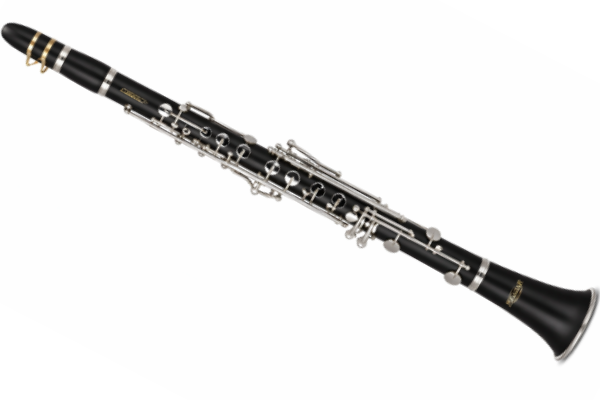
The Eastar B Flat Clarinet surprised me with its performance capabilities given its positioning in the budget-friendly tier, usually retailing around $350-400. What sets this instrument apart from other economical options is the quality of the bore design—Eastar clearly studied professional clarinet acoustics when engineering this model, because the intonation across registers is remarkably even for the price point.
The clarinet features ABS resin body construction with simulated wood grain finish that looks significantly more expensive than it is, which matters for students who feel self-conscious about playing obviously “cheap” instruments. More importantly, the keywork mechanism incorporates individual blue steel springs (rather than mass-produced flat springs) that provide excellent responsiveness and durability.
The clarinet ships with dual mouthpieces (a 4C and a 5C), which gives players options for experimenting with different resistance levels and tonal colors. While neither mouthpiece is exceptional, having choices out of the box is thoughtful. The instrument performs admirably across various musical contexts, whether you’re working on classical etudes or contemporary arrangements you might discover while browsing our curated song selections.
Pros:
- Exceptional intonation for price category
- Individual key springs for reliability
- Includes two mouthpiece options
- Attractive wood-grain finish on body
- Comfortable ergonomics for extended playing
- Strong projection in ensemble settings
Cons:
- ABS resin limits tonal warmth potential
- Included mouthpieces are adequate not excellent
- Altissimo register above high C requires effort
- Pads may need replacement sooner than premium models
- Case quality is functional but basic
Glory Professional Rosewood Clarinet
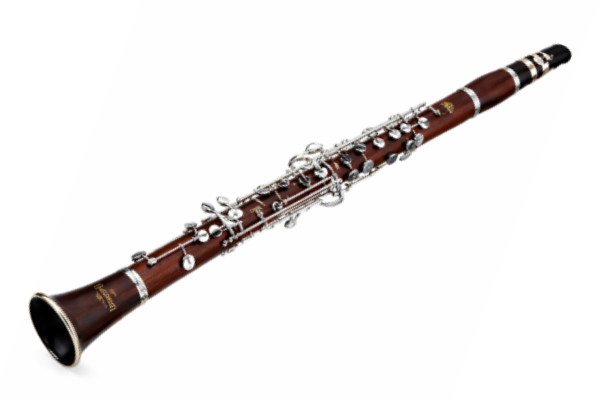
The Glory Professional Rosewood Clarinet represents the upper end of the under-$500 category, typically selling for $450-490, and it’s the instrument I recommend to serious students preparing for college auditions or planning to pursue music professionally. Unlike the ABS resin instruments dominating this price range, Glory uses genuine rosewood construction, which contributes unmistakably richer harmonic content and tonal complexity.
The keywork on this model features silver plating over nickel-silver keys, and the craftsmanship is impressive for the price point. The register key mechanism operates smoothly with well-calibrated spring tension, and the articulated G# key (a feature usually reserved for professional instruments) significantly improves left-hand ergonomics during complex passages. I particularly appreciated the adjustable thumb rest, which allows players to customize the instrument’s balance point for their individual hand size and playing position.
What truly distinguishes this clarinet is its tonal response across the full range—the low register (chalumeau) produces rich, woody fundamentals that sound remarkably similar to my professional Buffet, the middle register speaks with clarity and focus, and the altissimo actually responds reliably up to high G without requiring heroic embouchure adjustments. The instrument does demand proper maintenance and care (wood clarinets require more attention than plastic), and it’s sensitive to temperature and humidity changes, but for players ready to treat their instrument professionally, the Glory delivers performance that genuinely competes with instruments costing twice as much. If you’re comparing different equipment for your musical setup, similar to how you might evaluate our headphone comparisons, this clarinet rewards careful consideration.
Pros:
- Genuine rosewood construction for superior tone
- Professional-quality leather pads and keywork
- Articulated G# key improves ergonomics
- Adjustable thumb rest for customization
- Exceptional tonal warmth and complexity
- Reliable altissimo register response
- Competitive with instruments costing $800+
Cons:
- Requires regular maintenance and climate control
- Wood susceptible to cracking without proper care
- Heavier than ABS resin alternatives
- Needs professional setup optimization initially
- Higher investment risk for uncommitted players
- May need bore oiling and seasonal adjustments
Frequently Asked Questions
What’s the difference between student and intermediate clarinets under $500?
Student clarinets prioritize durability and ease of play for beginners still developing embouchure and breath control, typically using ABS resin construction that withstands neglect and environmental changes. Intermediate clarinets in this price range incorporate better bore designs for improved intonation, higher-quality keywork with more responsive action, and sometimes genuine wood materials that produce more complex tonal characteristics. The practical difference you’ll notice is that intermediate models reward proper technique with better sound quality and feel less “resistant” during technical passages, while student models remain forgiving but may feel limiting as your skills develop beyond basic proficiency.
Should I buy a wooden or plastic clarinet at this price point?
This decision depends on your commitment level and care capabilities—if you’re a serious student planning to pursue music through high school and potentially college, and you can maintain consistent practice environments and proper instrument care, a wooden clarinet like the Glory Professional offers superior tonal qualities that will serve you better long-term. However, if you’re still exploring whether clarinet is your primary instrument, if you’ll be playing in variable conditions (marching band, outdoor performances, schools with inconsistent climate control), or if you’re not ready to commit to regular maintenance routines including bore oiling and climate monitoring, ABS resin instruments like the Yamaha YCL-255 deliver excellent performance without the anxiety of potential cracking or warping.
How important is the included mouthpiece, and should I upgrade immediately?
The stock mouthpieces included with under-$500 clarinets are designed for broad compatibility rather than optimal performance, typically offering moderate resistance and generic facing curves that work adequately for most players but don’t excel for anyone specifically. I generally recommend playing the included mouthpiece for at least 2-3 months while establishing basic embouchure and technique, then upgrading to a quality mouthpiece (like a Vandoren 5RV Lyre or Fobes Debut) once you understand your personal preferences for resistance, tone color, and response characteristics. A $60-100 mouthpiece upgrade often transforms a $400 clarinet’s performance more dramatically than upgrading to a $600 clarinet with a stock mouthpiece, making it one of the most cost-effective improvements you can make.
Can these clarinets handle advanced repertoire and auditions?
The higher-quality instruments in this roundup—particularly the Glory Professional Rosewood and Yamaha YCL-255—absolutely can handle advanced repertoire including standard orchestral excerpts, competition solos, and college audition pieces. I’ve heard students successfully perform Mozart’s Concerto and the Brahms Sonatas on these instruments with results that impressed adjudicators. The limitation isn’t typically the instrument’s capability but rather how it responds to advanced technique—professional clarinets offer more tonal flexibility, easier extreme register playing, and more forgiving intonation tendencies that make difficult passages slightly less demanding. If you’re preparing for competitive situations, pairing one of these clarinets with a professional mouthpiece and high-quality reeds creates a setup that won’t disadvantage you, though upgrading to a professional instrument remains advisable once your technique reaches advanced levels.
How do I maintain a clarinet to ensure it lasts for years?
Proper clarinet maintenance involves consistent post-playing care and periodic professional servicing—after every playing session, swab the bore thoroughly to remove moisture (condensation inside the instrument can warp wood and deteriorate pads), wipe down the keys to remove fingerprint oils and acids, and check that all pads are sealing properly by covering each tone hole and sucking gently through the mouthpiece socket to feel resistance. Monthly, apply key oil to the pivot screws and hinges (one tiny drop per mechanism), check cork condition and apply cork grease as needed, and inspect pads for tears or compression. Annually, have a qualified repair technician perform professional regulation to adjust spring tensions, level tone holes, replace worn pads, and optimize the instrument’s setup. For wooden clarinets specifically, maintain consistent humidity levels (40-60% relative humidity is ideal), never expose the instrument to extreme temperature changes, and apply bore oil 2-3 times yearly following manufacturer recommendations. Just as you’d research carefully before investing in audio equipment from our earbud comparison guides, treating your clarinet with appropriate care protects your investment and ensures optimal performance for many years.