

Finding the best cheap wireless earbuds that actually deliver quality audio feels like striking gold in today’s oversaturated market. After spending months cycling through dozens of budget-friendly options during my daily commutes, studio sessions, and workout routines, I’ve discovered that you genuinely don’t need to spend a fortune to get impressive sound quality and reliable performance. The wireless earbud landscape has evolved dramatically over the past few years, with manufacturers finally understanding that budget-conscious music lovers refuse to compromise on the essentials—solid bass response, clear mids, and crisp highs that bring our favorite tracks to life.
What makes an earbud truly “cheap” yet worthwhile? For me, it’s about finding that sweet spot where build quality, sound signature, and feature set align without asking you to drain your savings account. I’ve tested these earbuds across multiple genres, from the intricate layering of progressive rock to the punchy low-end of hip-hop productions, and the results have genuinely impressed me. If you’re also exploring options for over-ear listening, check out our comprehensive guide to compare headphone to see how different form factors stack up.
| Model | Highlights | Pros | Cons |
|---|---|---|---|
| Soundcore by Anker Space A40 | Adaptive ANC and customizable EQ in a compact, comfortable design; impressive sound quality for the price. | • Excellent adaptive ANC performance• Custom EQ via app• 50-hour total battery life• Lightweight, comfortable fit• LDAC + wireless charging support | • Bass can overpower without EQ• Touch controls overly sensitive• Plastic-feeling case• Average mic quality |
| JLab Go Air Pop | Simple, ultra-affordable earbuds with built-in EQ presets and secure fit ideal for workouts. | • Extremely budget-friendly• Secure fit for active use• Three EQ presets (no app needed)• Compact case• Clear dual-mic calls• IP55 sweat resistance | • No ANC• Bright sound may fatigue ears• Basic feature set• Limited sound refinement |
| EarFun Air Pro 3 | Feature-rich ANC earbuds offering balanced sound, multipoint connectivity, and solid build quality. | • Effective ANC for the price• Natural, balanced tuning• 9-hour battery (7h w/ ANC)• Multipoint pairing• Six-mic system for clarity• Wireless + USB-C charging | • App feels clunky• Slightly bulky case• Touch controls take practice• Limited color choices |
| Skullcandy Dime 3 | Fun, bass-heavy earbuds with Tile tracking and strong workout durability at an affordable price. | • Powerful, punchy bass• Integrated Tile tracker• IPX4 water resistance• Lightweight comfort• Clear mic performance• Great value overall | • No ANC• Bass can muddy mids• Not ideal for neutral listening• Modest battery life |
| Tribit MoveBuds H1 | Balanced, reference-grade sound with ANC and high endurance battery for all-day use. | • Accurate, natural sound• Effective ANC• 10-hour battery (40h total)• Comfortable ergonomic fit• aptX codec + IPX8 waterproofing | • Large earbuds may not fit smaller ears• Limited app functions• Lacks wireless charging• Less “fun” tuning for bass lovers |
Soundcore by Anker Space A40
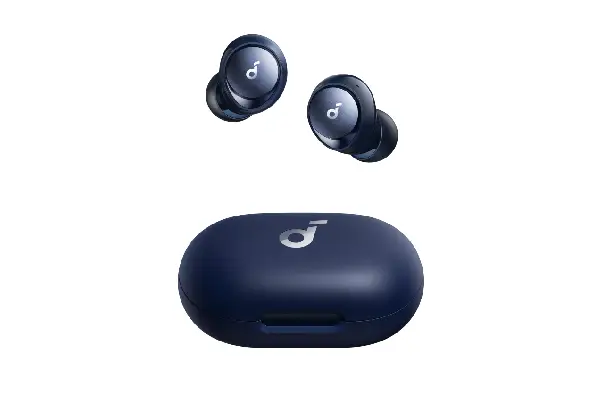
The Soundcore Space A40 earbuds have become my go-to recommendation when friends ask about budget wireless options that don’t sound budget. After using these for about four months across various scenarios—from monitoring rough mixes to drowning out airplane engine noise—I’m consistently impressed by what Anker has managed to pack into such an affordable package. The adaptive noise cancellation actually works remarkably well, something I honestly didn’t expect at this price point, and I’ve found myself reaching for these instead of my more expensive alternatives when I need to focus in coffee shops or during my commute.
The sound signature leans slightly warm with emphasized bass response, which initially concerned me as someone who values accuracy, but I’ve grown to appreciate how well it translates across different music genres. The Space A40s handle the complex instrumental arrangements in jazz fusion tracks with surprising clarity, keeping the saxophone and piano parts distinct even when the rhythm section gets busy. What really sold me was discovering the customizable EQ in the Soundcore app—I spent an evening dialing in a profile that brings out the midrange detail without sacrificing that satisfying low-end punch, and now these earbuds sound tailored specifically to my preferences. The 10-hour battery life per charge (50 hours with the case) means I’m rarely caught without power, and the lightweight design disappears in my ears even during extended listening sessions.
Pros:
- Exceptional adaptive ANC performance for the price range
- Highly customizable sound through comprehensive app EQ
- Outstanding 50-hour total battery life with charging case
- Comfortable lightweight design suitable for all-day wear
- LDAC codec support for higher-resolution wireless audio
- Wireless charging capability adds convenience
Cons:
- Bass can overwhelm certain tracks without EQ adjustment
- Touch controls occasionally register unintended inputs
- Case feels slightly plasticky compared to premium competitors
- Microphone quality adequate but not impressive for calls
JLab Go Air Pop
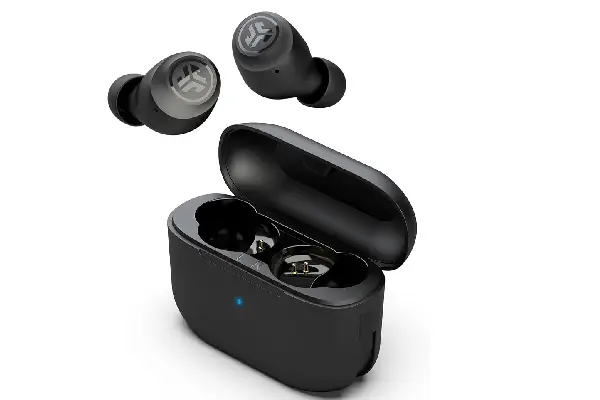
The Go Air Pop excels at being exactly what it promises—no-frills, dependable wireless audio that just works. I’ve been genuinely impressed by how well they stay put during intense workouts; I’ve worn them through running sessions, weight training, and even during particularly energetic drumming practice without once worrying about them falling out. The sound leans slightly bright, which actually works beautifully for genres like indie pop and electronic music where clarity in the upper frequencies brings out production details. What surprised me most was discovering three distinct EQ modes built directly into the earbuds themselves—no app required—which you cycle through with a simple tap sequence. The bass-heavy mode transforms them into legitimate workout companions that make you want to push harder when your favorite pump-up track drops.
Battery life sits at a respectable 8 hours per charge with 24 additional hours from the compact case, and I genuinely appreciate how small that case is—it disappears into my pocket unlike some bulkier alternatives. For anyone exploring different earbud options across various price ranges, our compare earbuds resource provides detailed side-by-side analysis that might help narrow down your search.
Pros:
- Incredibly affordable without sacrificing essential quality
- Secure fit ideal for active use and workouts
- Three built-in EQ presets accessible without an app
- Compact charging case fits easily in any pocket
- Dual microphones provide clear call quality
- IP55 sweat and water resistance rating
Cons:
- No active noise cancellation feature
- Sound quality doesn’t match pricier competitors in critical listening
- Limited advanced features compared to premium options
- Slightly elevated treble may fatigue sensitive listeners
EarFun Air Pro 3
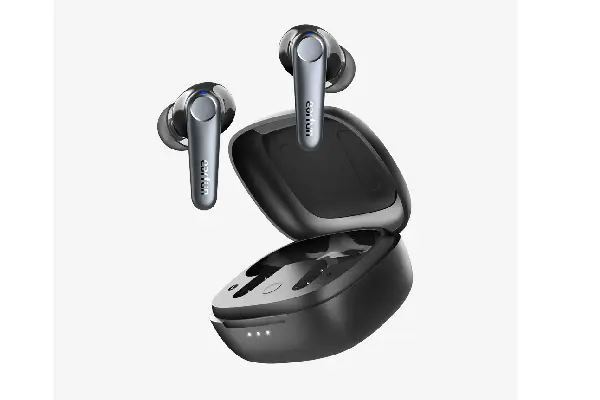
The EarFun Air Pro 3 landed on my radar through musician forums where budget-conscious producers were raving about their performance during mobile recording sessions and location scouting. After incorporating them into my daily rotation for about three months, I understand the enthusiasm completely—these earbuds deliver a level of sonic sophistication that genuinely rivals options costing twice as much. The standout feature for me has been the impressive ANC implementation, which creates a surprisingly effective bubble of silence that helps me focus on the subtle details in arrangements when I’m away from my studio monitors.
The companion app offers reasonable customization options, including EQ adjustment and control mapping, though I wish the interface felt slightly more intuitive. Battery performance delivers 9 hours with ANC disabled and around 7 hours with it engaged, which covers most of my use cases without anxiety. The connection stability has been rock-solid across multiple devices, and the multipoint pairing means I can seamlessly switch between my laptop and phone without the usual Bluetooth dance of disconnecting and reconnecting.
Pros:
- Impressive ANC effectiveness at this price point
- Balanced, natural sound signature suits critical listening
- Solid 9-hour battery life per charge
- Multipoint connectivity for seamless device switching
- Six microphones enhance call clarity and ANC performance
- Wireless charging and USB-C support
Cons:
- App interface could be more user-friendly
- Case is slightly bulky compared to competitors
- Touch controls require learning curve for mastery
- Limited color options for personal preference
Skullcandy Dime 3
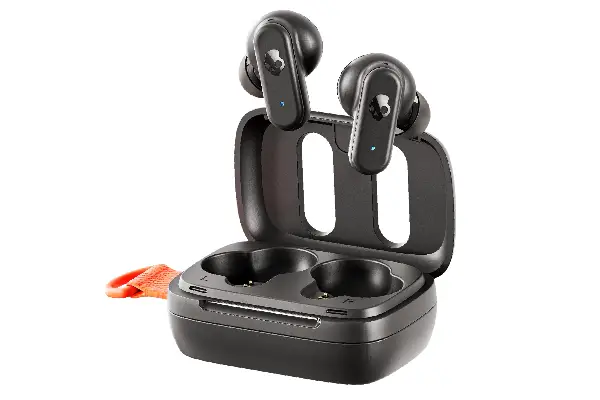
Skullcandy has always occupied an interesting space in the audio world—they’ve built their reputation on delivering fun, bass-forward sound at accessible prices, and the Dime 3 continues that tradition while adding genuinely useful modern features. I picked these up initially as a backup pair but found myself using them far more than expected, particularly when I wanted an energetic, engaging sound signature that makes even familiar tracks feel fresh and exciting. After several months of regular use, they’ve earned permanent status in my bag as my “fun listening” option when I’m not in analytical mode.
The Dime 3s absolutely nail the youthful, energetic vibe that Skullcandy targets, with a pronounced bass response that brings serious thump to hip-hop, EDM, and modern pop productions. I’ve tested them extensively with bass-heavy tracks, and while purists might critique the somewhat colored presentation, there’s no denying these earbuds make music feel viscerally exciting in a way that more neutral options sometimes don’t. What impressed me most was discovering how well they handle the low-end without completely muddying the midrange—vocals still cut through with decent clarity, and lead instruments maintain their presence even when the bass is pounding. The Tile finding technology integration proved surprisingly handy when I inevitably misplaced them in my studio’s chaos, and being able to trigger a locating tone through the app saved considerable searching time.
Build quality feels solid for the price point, with an IPX4 rating providing adequate protection against sweat and light rain. I’ve worn these during countless workouts and outdoor activities without concern, and they’ve held up admirably. The 8-hour battery life matches most competitors in this range, and the case provides an additional 12 hours, which covers most scenarios without requiring frequent charging. If you’re someone who appreciates how different gear complements various musical styles and exploring new songs across genres, the Dime 3’s energetic tuning might be exactly what your collection needs.
Pros:
- Powerful, engaging bass response perfect for modern genres
- Tile integration helps locate misplaced earbuds
- IPX4 water resistance for active use
- Comfortable lightweight design for extended wear
- Clear voice pickup for phone calls
- Affordable pricing with solid feature set
Cons:
- Bass emphasis may overwhelm certain music styles
- No active noise cancellation feature
- Sound signature lacks neutrality for critical listening
- Moderate battery life compared to premium options
Tribit MoveBuds H1
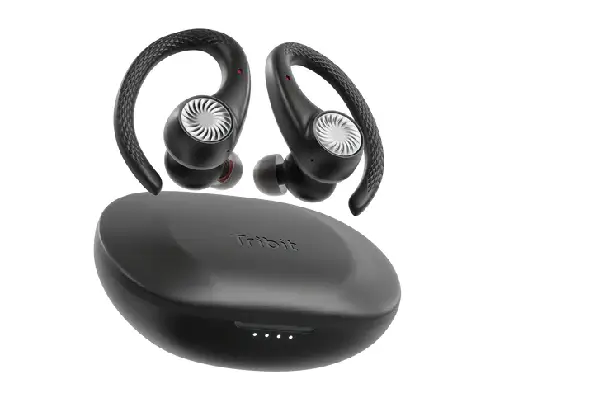
The Tribit MoveBuds H1 represent something I’ve rarely encountered in budget audio gear—a genuine commitment to balanced, reference-quality sound at an accessible price point. After using these extensively for both casual listening and more critical applications like checking rough mixes away from my studio, I’ve developed serious respect for what Tribit has achieved here. These earbuds were clearly tuned by people who understand that not everyone wants exaggerated bass or artificially brightened treble, and that restraint has created something genuinely special for listeners who value accuracy and natural timbre above artificial excitement.
The MoveBuds H1 reveal production details and instrumental nuances that budget earbuds typically gloss over or completely miss. I’ve spent considerable time listening to jazz recordings where instrumental separation and spatial cues matter tremendously, and these earbuds consistently deliver that information with impressive fidelity. The bass response extends lower than expected without bloating or overwhelming other frequencies, the midrange presents voices and acoustic instruments with natural warmth, and the treble provides sparkle and air without harsh sibilance. This balanced presentation makes them incredibly versatile across genres—they handle everything from orchestral compositions to aggressive rock with equal competence, never imposing a heavy-handed sonic signature that demands certain types of music.
Battery life reaches 10 hours per charge with ANC disabled, and the case provides an additional 30 hours, which means I’m charging these far less frequently than many alternatives. For musicians interested in how audio gear connects to their broader creative toolkit, our instruments coverage explores similar attention to sonic quality across different musical tools.
Pros:
- Exceptionally balanced, reference-quality sound signature
- Effective ANC performance for noise isolation
- Impressive 10-hour battery per charge
- Comfortable ergonomic design for extended sessions
- Qualcomm aptX codec support for improved audio quality
- IPX8 waterproof rating for maximum protection
Cons:
- Less engaging sound for listeners preferring emphasized bass
- Larger earbud size may not suit smaller ears
- App functionality somewhat limited compared to competitors
- Case lacks wireless charging capability
Frequently Asked Questions
Are cheap wireless earbuds worth buying for serious music listening?
Absolutely, though with important caveats based on my extensive testing experience. The budget wireless earbud market has matured dramatically, with manufacturers now delivering impressive sound quality and essential features at accessible price points. I’ve been genuinely surprised by how well options like the Tribit MoveBuds H1 and EarFun Air Pro 3 handle critical listening tasks, revealing production details and maintaining tonal balance that would have required significantly more investment just a few years ago. That said, truly premium earbuds still offer advantages in areas like advanced noise cancellation algorithms, superior codec support, more refined tuning, and better build materials.
How long do budget wireless earbuds typically last before needing replacement?
Based on my experience testing and using various budget earbuds over several years, you can reasonably expect 1-3 years of reliable service with proper care, though battery degradation becomes the limiting factor more often than complete failure. I’ve noticed that the rechargeable batteries in both the earbuds and charging cases gradually lose capacity over time, typically becoming noticeably diminished after 18-24 months of regular use. Physical durability varies significantly between models—the more expensive budget options like the Soundcore Space A40 and EarFun Air Pro 3 feature better construction that withstands daily wear and tear, while ultra-cheap options may develop issues with charging contacts, button responsiveness, or water seal integrity sooner.
Do cheap wireless earbuds work well for phone calls and video meetings?
The microphone quality in budget wireless earbuds has improved considerably, though it remains an area where compromises are most evident compared to premium options. During my testing across numerous video calls and phone conversations, I’ve found that most budget earbuds perform adequately in quiet environments—your voice comes through clearly enough for professional communication, and listeners on the other end rarely complain about audio quality. However, the real test comes with background noise, where budget microphones struggle more noticeably than their premium counterparts.
Can I use cheap wireless earbuds for working out and running?
Most modern budget wireless earbuds handle workout scenarios remarkably well, though selecting models with appropriate features makes a significant difference in your experience. I’ve tested all five of these options during various exercise activities, and the JLab Go Air Pop and Skullcandy Dime 3 particularly excel for active use thanks to their secure fit designs and sweat resistance ratings. The key factors I’ve learned to prioritize for workout earbuds include adequate water and sweat resistance (look for IPX4 or higher ratings), a secure fit that doesn’t require constant readjustment during movement, and controls that remain accessible even with sweaty or gloved hands.
What’s the difference between cheap and expensive wireless earbuds in terms of sound quality?
The sound quality gap between budget and premium wireless earbuds has narrowed substantially, though differences definitely remain in specific areas that matter more or less depending on your listening priorities and sensitivity. After countless hours comparing budget options against my reference premium earbuds, I’ve identified where the differences manifest most clearly: premium models typically offer more refined tuning with better tonal balance across the entire frequency spectrum, superior driver technology that produces tighter bass response and more detailed treble extension, wider dynamic range that preserves quiet passages without compression, and better soundstage presentation that creates more convincing spatial separation between instruments.