

Finding the perfect acoustic guitar for fingerstyle playing requires careful consideration of tonal balance, neck comfort, and responsive dynamics. After years of testing instruments across various price points and consulting with professional fingerstyle guitarists, we’ve identified five exceptional guitars that deliver the nuanced articulation and rich harmonic content that fingerstyle players demand. These instruments range from accessible options for developing players to professional-grade guitars that can handle the most demanding repertoire.
Understanding Fingerstyle Guitar Requirements
Before diving into our top picks, it’s essential to understand what makes a guitar suitable for fingerstyle playing. Unlike strumming-focused instruments, fingerstyle guitars need exceptional note separation, balanced frequency response across all strings, and a comfortable neck profile that facilitates complex fretting patterns. The best fingerstyle guitars typically feature smaller body sizes like OM or Grand Auditorium shapes, though some players prefer the fuller bass response of dreadnoughts. String spacing at the nut and bridge plays a crucial role, with wider spacing generally preferred for intricate fingerpicking patterns.
The tonewoods also significantly impact fingerstyle performance. Cedar tops offer immediate responsiveness and warm overtones, while spruce provides clarity and headroom for dynamic playing. Back and side woods like rosewood deliver complex overtones and sustain, while mahogany offers focused midrange punch. Understanding these characteristics helps match the right instrument to your playing style and tonal preferences.
| Model | Key Features | Tone & Playability | Price & Ideal For |
|---|---|---|---|
| Taylor 814ce Grand Auditorium | Sitka spruce top, Indian rosewood back & sides, V-Class bracing, Expression System 2 electronics | Balanced tone with crystal-clear trebles and rich mids; responsive to touch; comfortable neck for intricate fingerstyle work | ~$3,999 — Premium choice for professional fingerstyle players seeking tonal precision and dynamic control |
| Yamaha LL-TA TransAcoustic | Solid Engelmann spruce top, solid rosewood back & sides, built-in reverb & chorus effects, actuator technology | Warm, resonant tone with natural spatial effects; immersive sound ideal for solo fingerstyle practice and small venues | ~$1,200 — Perfect for creative fingerstyle players wanting built-in effects without external gear |
| Martin OM-28 Modern Deluxe | Sitka spruce top, East Indian rosewood back & sides, forward-shifted scalloped X-bracing, high-performance neck taper | Rich overtones and strong sustain; balanced OM body enhances clarity and comfort for fingerpicking | ~$4,000 — Ideal for experienced players seeking the classic Martin tone with modern enhancements |
| Breedlove Oregon Concert CE | Sitka spruce top, myrtlewood back & sides, graduated top design, LR Baggs Anthem electronics, cutaway body | Clear and focused tone with warm mids and strong projection; fast neck and easy upper fret access | ~$2,700 — Great for eco-conscious players and performers who value tonal depth and modern aesthetics |
| Cordoba C10 Crossover | Solid Canadian cedar top, solid Indian rosewood back & sides, radiused fretboard, 48mm nut width, traditional fan bracing | Warm, intimate classical tone with easy steel-string-like playability; excellent sustain and touch sensitivity | ~$1,200 — Best for players exploring classical and fingerstyle crossover techniques |
Taylor 814ce Grand Auditorium
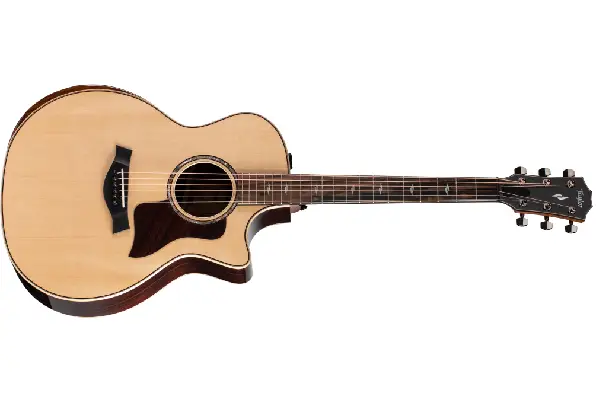
The Taylor 814ce represents the pinnacle of modern fingerstyle guitar design, combining innovative construction techniques with premium materials to create an instrument of exceptional versatility. This Grand Auditorium model features a Sitka spruce top paired with Indian rosewood back and sides, delivering a perfectly balanced tonal palette with crystal-clear trebles, warm midrange, and controlled bass response. The V-Class bracing system enhances sustain and improves intonation across the entire fretboard, making complex chord voicings and melodic passages ring with unprecedented clarity.
What sets the 814ce apart for fingerstyle players is its remarkably even string-to-string balance and dynamic responsiveness. The guitar responds beautifully to subtle variations in attack, allowing players to shape their tone through technique alone. The comfortable neck profile with a 1-3/4″ nut width provides ample room for intricate fingerings without feeling cumbersome. The Expression System 2 electronics capture the guitar’s acoustic voice faithfully, making it an excellent choice for performers who need reliable amplification. While the price point sits at the premium end of the market, the 814ce’s build quality, playability, and tonal sophistication justify the investment for serious fingerstyle players.
Yamaha LL-TA TransAcoustic
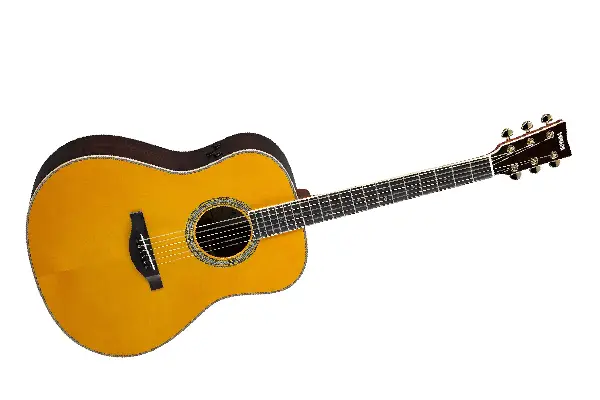
Yamaha’s LL-TA TransAcoustic represents a revolutionary approach to fingerstyle guitar design, incorporating onboard reverb and chorus effects that enhance the acoustic experience without requiring amplification. This innovative dreadnought features a solid Engelmann spruce top with solid rosewood back and sides, delivering the warmth and projection fingerstyle players seek. The TransAcoustic technology uses an actuator installed on the inner surface of the guitar back, creating authentic reverb and chorus effects that emanate naturally from the guitar body.
For fingerstyle players who perform in intimate settings or practice at home, the LL-TA offers an immersive playing experience that inspires creativity. The effects enhance the natural sustain and spatial dimension of fingerpicked passages without masking the fundamental acoustic tone. The modified dreadnought body shape provides excellent bass response while maintaining clarity in the upper registers. The neck features Yamaha’s signature comfort profile with a slightly wider nut width of 44mm, accommodating complex fingerstyle techniques. At its price point, the LL-TA delivers exceptional value, combining traditional craftsmanship with cutting-edge technology that enhances rather than replaces the acoustic experience.
Martin OM-28 Modern Deluxe

Martin’s OM-28 Modern Deluxe updates the classic Orchestra Model design with contemporary appointments while maintaining the tonal character that has made Martin guitars legendary among fingerstyle players. This instrument features a Sitka spruce top with East Indian rosewood back and sides, delivering the complex overtones and rich sustain that define the Martin sound. The forward-shifted scalloped X-bracing pattern increases top flexibility, resulting in enhanced dynamic response and improved bass resonance compared to traditional Martin designs.
The OM body size has long been favored by fingerstyle guitarists for its balanced voice and comfortable playing position. The Modern Deluxe series incorporates a high-performance neck taper that facilitates movement across the fretboard, while the 1-3/4″ nut width provides optimal string spacing for fingerpicking. The guitar’s voice matures beautifully with playing time, developing increased complexity and warmth. The vintage appointments, including gold open-gear tuners and tortoise binding, add visual elegance to match the sonic sophistication. For players seeking the quintessential American fingerstyle guitar with modern playability enhancements, the OM-28 Modern Deluxe represents an ideal choice.
Breedlove Oregon Concert CE
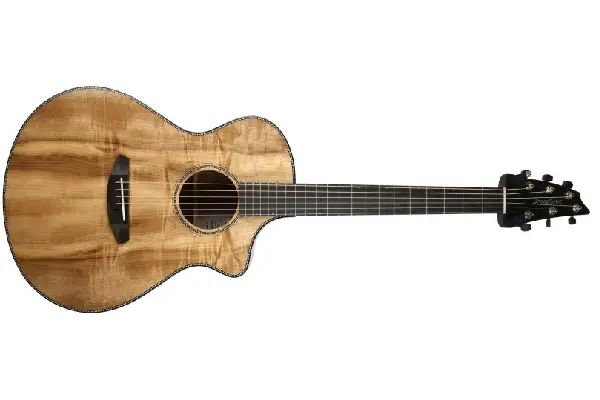
The Breedlove Oregon Concert CE showcases the potential of sustainable, locally-sourced tonewoods in creating world-class fingerstyle instruments. This concert-body guitar features a Sitka spruce top paired with myrtlewood back and sides, a tonewood native to the Oregon coast that combines the best qualities of rosewood and mahogany. The result is a guitar with exceptional clarity, focused midrange, and surprising bass depth for its size. Breedlove’s graduated top technology optimizes the thickness of the soundboard to enhance projection and sustain.
What makes the Oregon Concert CE particularly appealing for fingerstyle players is its fast, comfortable neck profile and cutaway design that provides easy access to upper fret positions. The pinless bridge design improves sustain and simplifies string changes, while the distinctive soundhole rosette adds visual flair. The LR Baggs Anthem electronics system captures the guitar’s acoustic character faithfully for amplified performances. The myrtlewood’s unique tonal properties shine in fingerstyle applications, offering crisp note definition with warm harmonic complexity. For environmentally conscious players seeking a distinctive voice and modern aesthetics, the Oregon Concert CE delivers professional-quality performance at a competitive price point.
Cordoba C10 Crossover

The Cordoba C10 Crossover bridges the gap between classical and steel-string guitars, offering fingerstyle players a unique platform for exploring diverse musical styles. This hybrid instrument features a solid Canadian cedar top with solid Indian rosewood back and sides, delivering the warm, intimate tone associated with classical guitars while incorporating design elements that appeal to steel-string players. The radiused fretboard and narrower nut width (48mm) make the transition easier for players accustomed to steel-string instruments, while maintaining the wider string spacing beneficial for fingerstyle technique.
The C10 Crossover excels in situations where dynamic control and tonal warmth take precedence over volume and projection. The cedar top responds immediately to light touch, making it ideal for intricate fingerstyle passages and classical repertoire. The Spanish heel construction and traditional fan bracing contribute to the guitar’s exceptional sustain and harmonic richness. The hand-inlaid rosette and high-gloss finish reflect Cordoba’s commitment to traditional craftsmanship. For fingerstyle players interested in exploring classical techniques or those seeking a more intimate instrument for recording and small venue performances, the C10 Crossover offers exceptional value and versatility.
Choosing the Right Fingerstyle Guitar
Selecting the ideal fingerstyle guitar involves balancing multiple factors including body size, tonal preferences, playing style, and budget. Players transitioning from strumming-focused playing should pay particular attention to neck width and string spacing, as these dimensions significantly impact fingerpicking comfort. Consider trying guitars with different top woods to discover whether you prefer the immediate response of cedar or the clarity and headroom of spruce.
Body size also plays a crucial role in both comfort and tone. Smaller bodies like OM and concert sizes typically offer better balance and articulation for fingerstyle, though some players prefer the fuller bass response of dreadnoughts. The key is finding an instrument that inspires you to play and supports your musical vision. Many guitarists find that having multiple guitars with different tonal characteristics enhances their creative options, much like how musicians might compare headphones for different listening experiences.
Maintaining Your Fingerstyle Guitar
Proper maintenance ensures your fingerstyle guitar continues delivering optimal performance for years. Regular string changes are particularly important for fingerstyle players, as worn strings lose clarity and intonation accuracy. Most professionals change strings every 2-4 weeks depending on playing frequency. Maintaining proper humidity levels (45-55%) prevents cracking and preserves tonal quality, especially important for solid wood instruments.
Professional setups optimize action height and intonation for fingerstyle playing, which often requires slightly different specifications than strumming-focused setups. Consider having your guitar professionally serviced annually to address fret wear, neck adjustments, and other maintenance needs. Investing in a quality case provides essential protection during transport and storage, safeguarding your investment.
Amplification Considerations
While many fingerstyle performances occur in intimate acoustic settings, amplification becomes necessary for larger venues and recording applications. The guitars featured here include various pickup systems, from traditional under-saddle transducers to more sophisticated multi-source systems. Understanding these technologies helps achieve optimal amplified tone that preserves the nuances of fingerstyle playing.
Consider external preamps and effects processors to shape your amplified sound further. Many fingerstyle players prefer minimal processing to maintain their instrument’s natural voice, though reverb and compression can enhance the listening experience in certain contexts. Just as musicians might compare earbuds for personal monitoring, selecting appropriate amplification equipment requires careful evaluation of your specific performance needs.
Building Your Fingerstyle Repertoire
Once you’ve selected your ideal fingerstyle guitar, developing a diverse repertoire showcases the instrument’s capabilities. Traditional fingerstyle encompasses various genres from classical and jazz to contemporary arrangements of popular songs. Many players begin with simplified arrangements before progressing to more complex pieces featuring independent bass lines, melody, and harmony.
Online resources, instructional videos, and tablature collections provide abundant learning materials for developing fingerstyle technique. Consider studying different fingerstyle traditions, from American primitive guitar to modern percussive techniques, to expand your musical vocabulary. Regular practice with a metronome develops timing precision essential for convincing fingerstyle performance.
Conclusion
The five guitars featured here represent the current pinnacle of fingerstyle guitar design, each offering unique strengths for different playing styles and budgets. Whether you choose the innovative Taylor 814ce, the revolutionary Yamaha LL-TA, the classic Martin OM-28, the sustainable Breedlove Oregon Concert, or the versatile Cordoba C10 Crossover, you’re investing in an instrument capable of expressing the full range of fingerstyle techniques and emotions.
Remember that the best fingerstyle guitar is ultimately the one that inspires you to play and grow as a musician. Take time to play multiple instruments, considering how each responds to your touch and supports your musical goals. With proper selection and care, your fingerstyle guitar becomes a lifelong companion in your musical journey, opening new avenues for creative expression and technical development.
FAQs
What’s the ideal string gauge for fingerstyle guitar?
Most fingerstyle players prefer light gauge strings (11-52 or 12-53) as they require less finger pressure and allow for easier bending and vibrato. However, some players use medium gauge strings for increased volume and fuller tone. The best gauge depends on your playing style, finger strength, and tonal preferences. Experimenting with different gauges helps find the optimal balance between playability and tone.
How important is nut width for fingerstyle playing?
Nut width significantly impacts fingerstyle comfort and technique execution. Most fingerstyle players prefer wider nuts (1-3/4″ to 1-7/8″) as they provide more room between strings for accurate finger placement. However, players with smaller hands might find standard 1-11/16″ width more comfortable. The key is finding a width that allows clean note separation without causing hand strain during extended playing sessions.
Should I choose solid wood or laminate for fingerstyle guitar?
Solid wood guitars generally offer superior tone, resonance, and dynamic response compared to laminate instruments, making them preferable for serious fingerstyle playing. Solid tops are particularly important as they vibrate more freely, producing richer overtones and better projection. However, quality all-laminate guitars can serve beginners well and offer better durability in challenging climate conditions. As skills develop, upgrading to a solid wood instrument reveals new tonal possibilities.
How do I know if a guitar is well-suited for fingerstyle before purchasing?
Test the guitar’s string-to-string balance by playing arpeggios and checking that each note rings with similar volume and clarity. Evaluate dynamic response by playing the same passage with varying attack intensity. Check intonation accuracy across the fretboard, especially important for complex chord voicings. Assess neck comfort for your hand size and playing style. Most importantly, trust your ears and hands – the right fingerstyle guitar should inspire you to play and explore new musical territories.