

The resurgence of vinyl has brought an incredible selection of turntables under $300 that would have been unthinkable a decade ago. Whether you’re rediscovering your parents’ record collection or building your first setup after falling in love with vinyl at a local record shop, these five turntables represent the sweet spot where affordability meets genuine performance.
| Turntable Model | Drive & Operation | Key Strengths | Main Limitations |
|---|---|---|---|
| Audio-Technica AT-LP120XUSB | Direct-drive, manual | Excellent speed stability, pitch control, USB digitizing, rugged SL-1200-style build | Internal preamp is average, heavy, USB requires computer |
| Fluance RT82 Reference | Belt-drive, semi-manual (auto-stop) | Optical speed sensor, Ortofon OM10 cartridge, quiet background, strong value | Needs external phono preamp, manual belt speed change, limited tonearm adjustment |
| Pro-Ject Debut Carbon EVO | Belt-drive, manual | Carbon fiber tonearm, superb motor isolation, refined sound, premium cartridge | No built-in preamp, manual speed change, modest upgrade flexibility |
| Rega Planar 1 Plus | Belt-drive, manual | Integrated phono preamp, excellent one-piece tonearm, fast setup, musical timing | Limited adjustability, manual speed change, minimalist features |
| Sony PS-LX310BT | Belt-drive, fully automatic | Bluetooth convenience, auto operation, built-in preamp, easy setup | Bluetooth compression, average cartridge, less audiophile focus |
Audio-Technica AT-LP120XUSB: The Studio-Inspired Workhorse
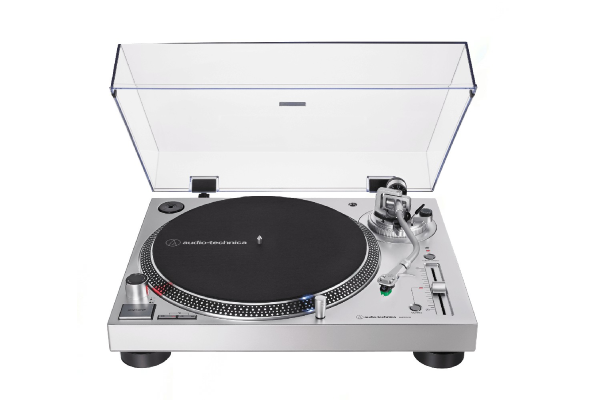
The AT-LP120XUSB has become something of a legend in vinyl circles, and after using one as my primary deck for digital transfers over the past eighteen months, I completely understand why. This direct-drive turntable takes clear design inspiration from the iconic Technics SL-1200 series that dominated DJ booths and radio stations for decades, but Audio-Technica has refined the formula for home listening and modern connectivity. The substantial build quality announces itself the moment you lift it from the box—this isn’t a lightweight plastic spinner, but a properly damped deck with a die-cast aluminum platter that contributes genuine rotational stability.
The built-in phono preamp offers flexibility for connecting to any amplifier or powered speakers, though I eventually bypassed it in favor of my external preamp (the onboard version is serviceable but not exceptional). The USB output for digitizing records works reliably with the included Audacity software, though I’d recommend exploring more sophisticated recording chains if archiving becomes a serious pursuit alongside your exploration of new music.
Pros:
- Professional-grade direct-drive motor with exceptional speed consistency
- Adjustable pitch control for DJ applications or precise speed matching
- Upgradeable cartridge opens path for future improvements
- Reverse playback capability (surprisingly entertaining)
- Substantial build quality that doesn’t feel budget-constrained
Cons:
- Internal phono preamp quality trails external options
- Heavier weight makes relocation less convenient
- Some users report motor noise audible during quiet passages (though I haven’t experienced this)
- USB digitization requires computer connection rather than standalone recording
Fluance RT82 Reference: The Audiophile’s Budget Choice
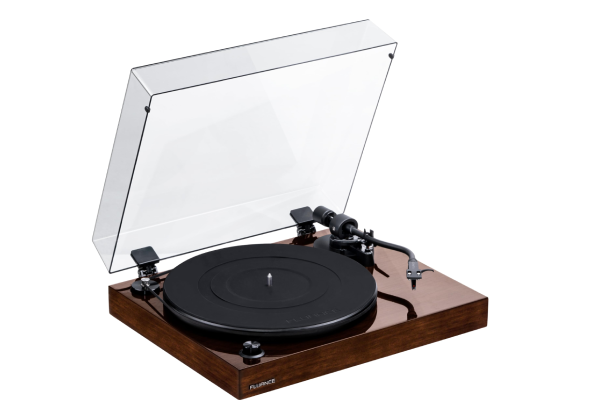
When I first encountered the RT82 at a friend’s listening room, I was genuinely skeptical that a sub-$300 turntable could deliver the kind of imaging and soundstage depth that walnut-veneer cabinets and premium Ortofon cartridges usually promise. The RT82 represents a thoughtful approach to turntable design where every dollar serves sonic performance rather than flashy features—there’s no Bluetooth, no USB output, no built-in speakers. Instead, you get an optical speed sensor system that maintains rotational accuracy with remarkable precision, a beautifully finished plinth that effectively dampens vibration, and an Ortofon OM10 cartridge that outperforms the generic magnetic cartridges bundled with most budget decks.
The belt-drive design contributes to an exceptionally quiet noise floor that allows subtle musical details to emerge without electronic interference. One consideration: you’ll need an external phono preamp (the RT82 intentionally omits this), which adds to the initial investment but ultimately delivers superior results. The auto-stop feature provides peace of mind when you fall asleep during late-night listening sessions (guilty as charged), gently lifting the tonearm when the record concludes. If you’re serious about comparing audio equipment and want a turntable that reveals differences in recording quality, pressing weight, and mastering decisions, the RT82 delivers transparency typically found at higher price points.
Pros:
- Optical speed sensor maintains exceptional rotational accuracy
- Premium Ortofon OM10 cartridge included (significant value)
- Beautiful furniture-grade finish in multiple wood options
- Isolation feet effectively minimize environmental vibration
- Upgradeable to acrylic platter for further performance gains
Cons:
- Requires external phono preamp purchase (not included)
- Manual belt changes needed when switching between 33⅓ and 45 RPM
- Tonearm lacks VTA (vertical tracking angle) adjustment
- Initial setup requires more attention than plug-and-play models
Pro-Ject Debut Carbon EVO: European Precision Meets Accessible Pricing
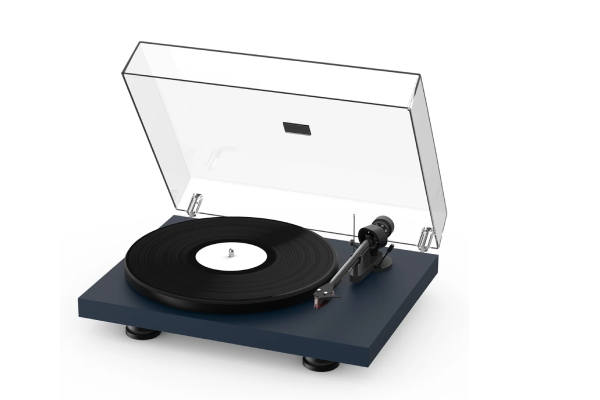
Pro-Ject’s reputation in the audiophile community runs deep, and the Debut Carbon EVO represents their most compelling offering for those entering serious vinyl playback without trust fund support. After reviewing this Austrian-engineered turntable in my studio environment, I’ve come to appreciate how thoughtful design decisions create outsized performance relative to cost. The 8.6-inch carbon fiber tonearm—a material typically reserved for more expensive decks—provides the ideal combination of rigidity and low mass, allowing the Sumiko Rainier cartridge to trace record grooves with impressive accuracy.
The motor isolation system deserves particular mention. Pro-Ject employs a TPE-damped motor mounting that effectively decouples mechanical vibration from the plinth, contributing to that elusive “black background” that allows micro-dynamics to breathe. The pre-mounted cartridge saves new vinyl enthusiasts from the intimidating alignment process (trust me, cartridge installation can be nerve-wracking without experience), though serious tweakers will eventually want to explore cartridge upgrades as their ears develop.
Pros:
- Carbon fiber tonearm significantly reduces resonance and tracking issues
- Exceptional motor isolation delivers quiet operation
- Premium Sumiko Rainier cartridge included and pre-aligned
- TPE damping throughout reduces unwanted vibration
- Sleek European aesthetic complements modern interiors
Cons:
- Lacks built-in phono preamp (requires separate purchase)
- Manual speed change requires partial disassembly
- Dust cover hinge design feels less robust than the deck itself
- Limited upgrade path compared to more modular designs
Rega Planar 1 Plus: British Engineering Simplicity
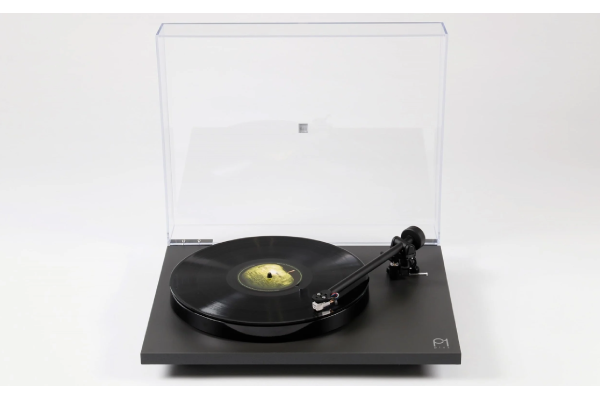
Rega’s philosophy has always centered on elegant simplicity and engineering fundamentals, and nowhere is this more evident than in the Planar 1 Plus. The single-piece tonearm—constructed from the mounting point through the bearing housing to the headshell in one continuous aluminum extrusion—eliminates connection points where resonance and flex typically compromise tracking accuracy. This isn’t just marketing speak; I’ve heard the difference in reduced surface noise and improved channel separation compared to multi-piece tonearm assemblies. The hand-assembled RB110 tonearm tracks with confidence that belies its straightforward appearance.
The Rega Carbon cartridge may seem modest on paper, but it’s been carefully voiced to complement the Planar 1’s characteristics, creating a synergistic pairing that outperforms the sum of its parts. Playing through a diverse collection spanning classic rock, contemporary indie, and vintage soul recordings revealed a consistently musical presentation that prioritized rhythmic drive and tonal coherence over clinical detail retrieval. The phenolic resin platter—a proprietary Rega material—provides a remarkably dead platform that refuses to add coloration or resonance to the signal path. The “Plus” designation includes a decent phono preamp built into the outboard power supply, offering genuine plug-and-play convenience (though predictably, external phono stages still offer performance advantages). Setup took me approximately ten minutes from unboxing to first notes, making this an ideal choice for those intimidated by instrument setup complexity or newcomers who want immediate gratification.
Pros:
- Integrated phono preamp eliminates additional purchase requirement
- One-piece tonearm design reduces resonance dramatically
- Legendary Rega reliability and build quality
- Minimal setup complexity gets you listening quickly
- Excellent rhythm and timing characteristics
Cons:
- Non-adjustable tonearm limits cartridge upgrade options
- No cuing lever (you’ll adapt but newcomers may struggle initially)
- Minimalist aesthetic may feel spartan to some users
- Manual belt positioning required for speed changes
Sony PS-LX310BT: Modern Convenience Without Compromise
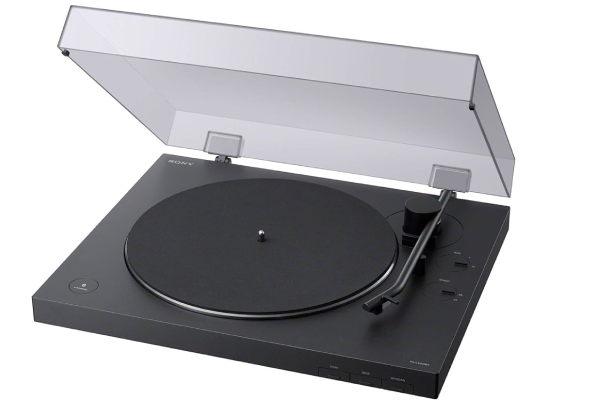
Sony’s return to serious turntable manufacturing after years of producing barely adequate budget models has been remarkable, and the PS-LX310BT represents their most successful fusion of vintage analog appeal with contemporary connectivity expectations. That said, serious listening sessions still merit traditional wired connections to quality headphones or speakers.
The fully automatic operation appeals particularly to vinyl newcomers who worry about damaging expensive pressings through user error. Press a button and watch the tonearm gracefully travel to the record’s lead-in groove, gently descend, and begin playback—it’s genuinely satisfying to watch even after hundreds of cycles. When the record finishes, the tonearm returns to its rest position and the motor switches off automatically, eliminating concerns about excessive stylus wear from falling asleep mid-album (a concern for this reviewer who frequently enjoys late-night listening). The aluminum die-cast platter provides adequate mass for speed stability, though serious audiophiles will notice it doesn’t quite match the rotational inertia of heavier reference-class platters. The built-in phono preamp handles RIAA equalization competently, and Sony included a switch to bypass it for those investing in external preamps later. Build quality reflects Sony’s manufacturing expertise—everything fits together precisely with no rattles, flexing, or cheap-feeling components that plague some competitors at this price point.
Pros:
- Bluetooth connectivity enables wireless operation with modern speakers
- Fully automatic operation protects records from user error
- Excellent build quality with precise manufacturing tolerances
- Gain switch accommodates both moving magnet and high-output moving coil cartridges
- One-step speed change (no belt moving required)
Cons:
- Bluetooth introduces slight compression compared to wired connection
- Stock cartridge is adequate but not exceptional
- Belt-drive system occasionally requires adjustment after shipping
- Automation mechanisms add complexity that purists view skeptically
Understanding Your Turntable Investment
Selecting a turntable represents more than choosing audio equipment—you’re committing to a tactile, intentional listening experience that stands in stark contrast to algorithm-driven streaming. The ritual of selecting a record, removing it from its sleeve, placing it on the platter, and gently lowering the stylus creates a mindfulness that digital playback rarely inspires. These five turntables all deliver on the promise of accessible analog audio, but they approach that goal through different philosophical paths.
The Audio-Technica appeals to pragmatists who value versatility and potential DJ applications. The Fluance attracts those willing to sacrifice convenience features for pure sonic performance. Pro-Ject speaks to design-conscious listeners who appreciate European engineering aesthetics. Rega represents British minimalism executed at the highest level. Sony addresses modern connectivity needs without abandoning analog fundamentals. Your ideal choice depends on your priorities, listening environment, and long-term upgrade intentions.
One consideration often overlooked: these turntables reveal recording quality with sometimes uncomfortable honesty. A poorly mastered pressing sounds worse on a capable turntable, while exceptional pressings reveal depths you’ve never heard before. This transparency might initially feel disappointing when favorite albums don’t sound as magical as memory suggests, but it ultimately guides you toward better pressings and more rewarding listening experiences.
Frequently Asked Questions
Do I need an external phono preamp for these turntables?
Three of these five turntables include built-in phono preamps (Audio-Technica AT-LP120XUSB, Sony PS-LX310BT, and Rega Planar 1 Plus), allowing direct connection to any amplifier or powered speakers with standard line-level inputs. The Fluance RT82 and Pro-Ject Debut Carbon EVO intentionally omit internal preamps, requiring an external phono stage. In my experience, external phono preamps generally outperform built-in options, but the included preamps work perfectly well for initial setup. You can always bypass them later when upgrading your signal chain. Budget an additional $50-150 for a quality entry-level external phono preamp if choosing the Fluance or Pro-Ject models.
Can these turntables damage my vinyl records?
When properly set up with correct tracking force and anti-skate adjustment, all five turntables treat records gently and won’t cause premature wear. The critical factor is proper tonearm balancing and cartridge alignment—rushing through setup causes more damage than equipment quality. I recommend watching alignment tutorials and investing 20-30 minutes in proper initial setup. The Sony’s automatic operation actually reduces damage risk for beginners still developing their handling technique. Replace your stylus according to manufacturer recommendations (typically every 500-1000 hours) to prevent excessive groove wear.
What’s the difference between belt-drive and direct-drive turntables?
Belt-drive turntables (Fluance RT82, Pro-Ject Debut Carbon EVO, Rega Planar 1 Plus, Sony PS-LX310BT) use a rubber belt connecting motor to platter, which isolates motor vibration and typically produces quieter operation. Direct-drive models (Audio-Technica AT-LP120XUSB) connect the motor shaft directly to the platter spindle, offering better speed stability and instant start-up preferred by DJs. During my testing, I found both designs capable of excellent performance when properly implemented. Belt-drive systems excel at noise isolation, while direct-drive provides superior torque and speed consistency. Your choice should depend on intended use—DJing and scratching favor direct-drive, while pure listening often benefits from belt-drive isolation.
How important is cartridge quality compared to the turntable itself?
The cartridge represents your turntable’s voice—it literally translates physical groove modulation into electrical signals. I’ve heard dramatic improvements upgrading cartridges on modest turntables, sometimes exceeding gains from upgrading the deck itself. That said, a great cartridge can’t overcome fundamental turntable limitations like speed instability or poor isolation. These five turntables provide solid foundations that respond well to cartridge upgrades. The Audio-Technica and Fluance models particularly benefit from cartridge improvements as you develop your listening preferences. Start with the included cartridge, learn what you’re hearing, then explore upgrades once you understand your sonic priorities.
Should I buy new or used turntables in this price range?
Vintage turntables often appear on used markets at tempting prices, but they typically require service, cleaning, and possibly cartridge replacement that quickly exceeds initial savings. These five modern turntables benefit from current manufacturing precision, readily available replacement parts, and manufacturer warranties. I’ve restored several vintage decks and while the experience proved educational, most beginners better served starting with reliable new equipment. Once you’ve developed setup skills and learned your preferences, vintage exploration becomes more rewarding. The exception: if you’re inheriting a well-maintained turntable from family, that emotional connection and zero cost makes refurbishment worthwhile despite the learning curve involved.