

After years of spinning records in everything from basement house parties to professional club booths, I’ve learned that choosing the right DJ turntable can make or break your mixing experience. The best turntables for DJs need to handle aggressive scratching, maintain pitch stability during extended sets, and survive the rigors of constant transport and setup. I’ve spent countless hours with these five turntables, pushing them through demanding real-world scenarios that separate the contenders from the pretenders.
| Turntable Model | Drive & Target Use | Key Strengths | Main Limitations |
|---|---|---|---|
| Technics SL-1200MK7 | Direct-drive, professional DJ standard | Legendary torque and reliability, superb build quality, precise pitch control, detachable cables | Very expensive, heavy, no USB recording |
| Pioneer DJ PLX-1000 | Direct-drive, club & scratch DJ use | Extremely fast startup, stable tonearm tracking, detachable cables, strong value vs Technics | Pitch fader less refined, heavier tonearm feel, isolation feet could be better |
| Audio-Technica AT-LP1240-USB XP | Direct-drive, DJ + digital archiving | USB recording, wide pitch ranges, phono/line output, good price-to-features ratio | Motor torque below flagship level, average stock cartridge, USB quality is basic |
| Reloop RP-8000 MK2 | Direct-drive, DVS hybrid performance | MIDI controls for DJ software, adjustable torque, RGB feedback, excellent DVS integration | Slightly lighter build, learning curve for MIDI features, digital focus not for purists |
| Numark TTX | Direct-drive, budget scratch DJ | Affordable entry point, extreme pitch range, durable for turntablism, built-in BPM counter | Lighter platter, inconsistent build quality, noisier motor |
Technics SL-1200MK7: The Legend Continues
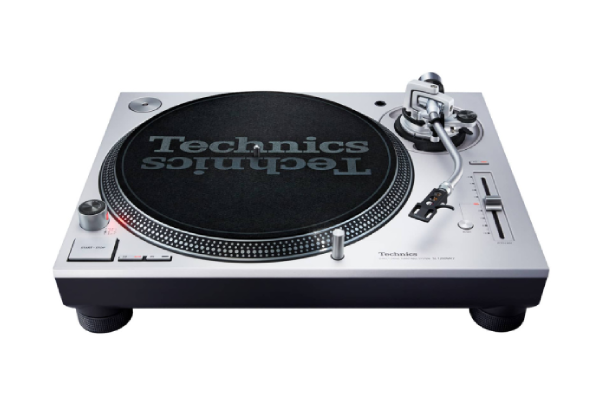
The Technics SL-1200MK7 represents everything that made the original SL-1200 series legendary, now refined with modern improvements that actually matter. After mixing on these decks for over two years across various venues, I can confidently say they’ve earned their reputation through performance rather than nostalgia. The direct-drive motor delivers that unmistakable Technics torque—it reaches 33 1/3 RPM in just 0.7 seconds, which means instant starts and zero lag when you’re trying to nail that perfect beat match. The pitch adjustment range extends from ±8% to ±16%, giving you flexibility whether you’re mixing house tracks or manipulating tempo for creative scratching techniques
The build quality justifies the premium price point. This turntable weighs nearly 20 pounds, with a die-cast aluminum platter that contributes to excellent rotational stability and reduces unwanted vibrations. I’ve transported these decks countless times for mobile gigs, and despite the occasional rough handling (let’s be honest, load-ins aren’t always gentle), they continue performing flawlessly. The detachable RCA and ground cables represent a thoughtful design choice—replacements are straightforward when cables inevitably wear out, unlike integrated cables that require professional repair.
Pros:
- Industry-standard torque and motor response for professional mixing
- Exceptional build quality with die-cast construction
- Reverse play function expands creative scratching possibilities
- Proven reliability across decades of DJ use
- Pitch control accuracy maintains tempo consistency
Cons:
- Premium pricing may stretch beginner budgets
- Heavy weight requires sturdy DJ furniture
- No USB output for direct digital recording
- Learning curve for pitch adjustment sensitivity
Pioneer DJ PLX-1000: The Professional Alternative
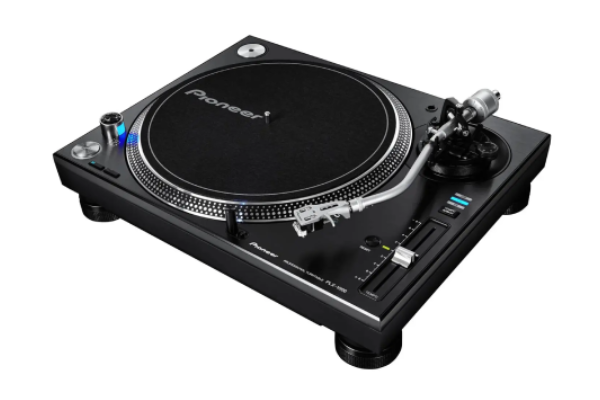
The Pioneer DJ PLX-1000 emerged as a serious competitor to the Technics legacy, and after using these turntables extensively for club residencies and recording sessions, I understand why many professionals have made the switch. Pioneer took the direct-drive formula and refined it with their own engineering philosophy, resulting in a turntable that feels immediately familiar yet distinctly different. The high-torque direct-drive motor reaches full speed in 0.3 seconds—even faster than the Technics—which becomes especially noticeable during rapid-fire cue point triggering and aggressive scratching routines.
The tonearm represents where Pioneer really differentiated themselves. It’s slightly heavier than the Technics equivalent, which I initially viewed with skepticism, but this extra mass actually improves tracking stability during intense scratch sessions. The S-shaped tonearm design also reduces skating force naturally, meaning less reliance on anti-skate adjustments that can feel like guesswork on some turntables.
One practical advantage I genuinely appreciate is the detachable power and audio cables with gold-plated connections. When troubleshooting technical issues mid-gig (because something always happens eventually), being able to quickly swap cables has saved performances. The included headshell feels premium with solid construction, though many DJs immediately replace it with their preferred aftermarket option—a testament to how serious users approach these turntables. For those exploring different aspects of music production and performance, understanding various instruments can enhance your approach to DJing beyond just technical turntable operation.
Pros:
- Exceptional motor torque with rapid startup speed
- Superior tonearm tracking reduces needle skipping
- Excellent thermal stability for extended performances
- Detachable cables simplify maintenance and repairs
- Competitive pricing compared to Technics equivalent
Cons:
- Slightly heavier tonearm requires adjustment period
- Pitch fader feels less refined than Technics implementation
- Limited color options for aesthetic customization
- Rubber feet may require upgrading for optimal isolation
Audio-Technica AT-LP1240-USB XP: The Versatile Workhorse
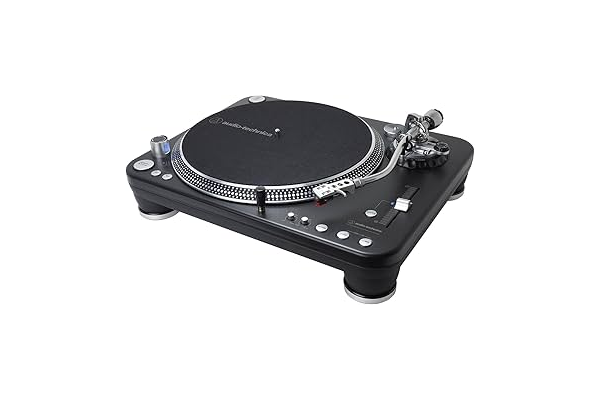
The Audio-Technica AT-LP1240-USB XP occupies an interesting position in the DJ turntable landscape—it delivers professional-grade performance while incorporating modern connectivity that traditional purists often overlook. After using this turntable extensively for both live performances and home production work, I’ve come to appreciate how Audio-Technica balanced traditional DJ functionality with digital workflow integration. The direct-drive motor provides strong torque with adjustable pitch ranges (±8%, ±10%, ±20%), giving you flexibility whether you’re matching beats or experimenting with dramatic tempo manipulation for creative edits.
Build quality reflects the mid-tier pricing—solid construction that inspires confidence without the ultra-premium materials found in flagship models. The chassis handles reasonable transport demands, though I wouldn’t subject it to the aggressive touring schedule that Technics or Pioneer turntables routinely endure. The included headshell and cartridge (AT95E) offer decent performance for getting started, though upgrading to a better cartridge like the Ortofon Concorde or Shure M44-7 significantly improves tracking and sound quality. This represents a smart entry point for DJs transitioning from controller setups who want authentic vinyl experience without immediately committing to top-tier investment.
Pros:
- USB connectivity enables direct digital recording
- Versatile pitch adjustment ranges suit various mixing styles
- Switchable phono/line output eliminates preamp requirement
- Strong value proposition for feature set offered
- Suitable for both DJing and casual listening applications
Cons:
- Build quality doesn’t match premium competitors
- Stock cartridge benefits from upgrading
- Motor torque slightly below professional standards
- USB recording quality adequate rather than exceptional
Reloop RP-8000 MK2: The Digital Hybrid Approach
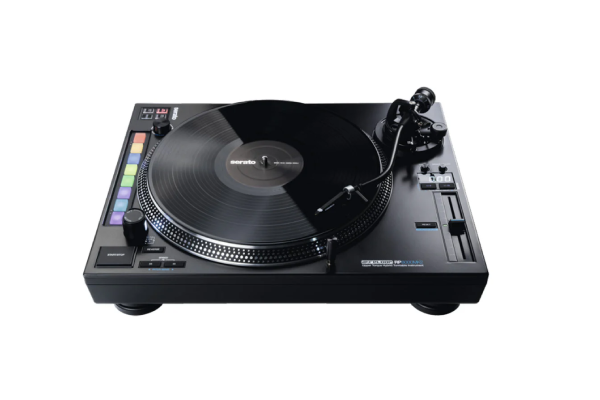
The Reloop RP-8000 MK2 represents where DJ turntable technology intersects with digital vinyl systems (DVS), creating a hybrid platform that I’ve found surprisingly effective for modern DJ workflows. This turntable was specifically designed with Serato, Traktor, and Rekordbox compatibility in mind, featuring MIDI controls that transform it from a traditional turntable into a comprehensive DVS controller. After integrating these decks into my hybrid analog-digital setup, I discovered capabilities that traditional turntables simply cannot match while maintaining authentic vinyl manipulation.
The construction quality feels professional without reaching ultra-premium territory. The die-cast aluminum top plate and platter provide solid vibration damping, though the overall weight comes in slightly below industry standards. I’ve used these turntables for club performances and mobile gigs with good results, though I’m more cautious transporting them compared to my Technics decks. The included Ortofon Concorde cartridge represents a significant upgrade over what most manufacturers bundle—it tracks well and handles scratching demands admirably. If you’re interested in how different listening equipment affects your music experience, exploring headphone comparisons can complement your understanding of audio quality across different playback systems.
Pros:
- MIDI controls integrate seamlessly with DJ software
- Customizable RGB lighting provides visual performance feedback
- Adjustable torque settings accommodate different mixing styles
- Excellent DVS compatibility with major platforms
- Strong mid-range value with premium features
Cons:
- Traditional DJs may find digital features unnecessary
- Build quality slightly below top-tier competitors
- RGB lighting drains power and may distract some users
- Learning curve for MIDI functionality integration
Numark TTX: The Budget Battle Weapon
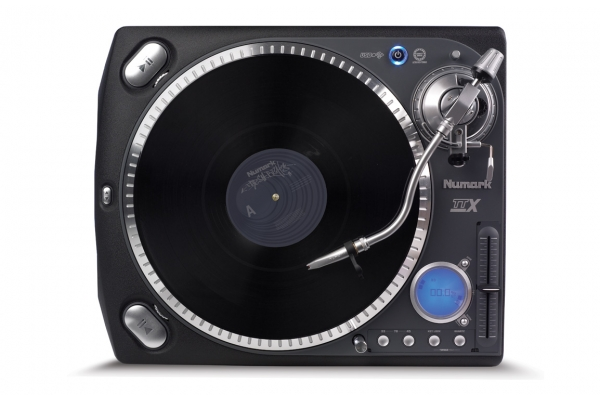
The Numark TTX carved out a unique position as the turntable that scratch DJs could afford when starting out, and after putting these decks through extensive abuse during practice sessions and underground events, I can confirm they handle turntablism demands surprisingly well for their price point. Numark designed this turntable specifically for hip-hop DJs and scratch enthusiasts, with features that prioritize durability and manipulation over audiophile sound reproduction. The direct-drive motor delivers strong torque that gets the platter spinning quickly—essential when you’re constantly starting and stopping during scratch routines.
Build quality reflects the budget-conscious pricing—functional rather than luxurious. The platter feels lighter than professional standards, affecting rotational inertia during certain scratch techniques, particularly when performing slow, controlled movements like chirps or transformers. The tonearm works adequately but lacks the refined feel of higher-end models; anti-skate adjustment requires patience and experimentation to dial in properly.
That said, for DJs focused primarily on scratching and turntablism rather than precise mixing, the TTX delivers genuine value. It withstands the punishment that scratch practice demands—I’ve literally spent hundreds of hours repeating the same scratch patterns, constantly manipulating the platter, and these turntables continue functioning reliably. The motor has proven durable across extended use, and replacement parts remain reasonably affordable when maintenance becomes necessary. Several professional battle DJs started on Numark turntables before graduating to higher-end models, which speaks to their role as legitimate training tools rather than disposable toys.
Pros:
- Aggressive pricing makes turntablism accessible to beginners
- Extreme pitch adjustment enables creative tempo experiments
- Reverse function prominently placed for easy access
- Built-in BPM counter aids beatmatching accuracy
- Durable construction handles scratch practice demands
Cons:
- Lighter platter affects certain scratch technique feel
- Build quality inconsistencies between units
- Tonearm requires careful setup and adjustment
- Motor noise slightly higher than premium competitors
Frequently Asked Questions
What makes a good DJ turntable different from regular turntables?
DJ turntables prioritize features that matter for mixing and performance rather than audiophile sound reproduction. The critical differences include direct-drive motors that provide immediate torque and maintain consistent speed during manipulation, pitch adjustment controls for tempo matching between tracks, and durable construction that survives constant transport and aggressive use. The tonearm and cartridge setup must track accurately even during scratching and backcueing—movements that would cause needle skipping on standard turntables designed only for listening. After testing both types extensively, I’ve found that trying to DJ on a regular turntable leads to frustration, while audiophile listeners often consider DJ turntables sonically inferior for critical listening despite their superior functionality for performance applications.
Do I need two identical turntables for DJing?
While having matching turntables certainly simplifies your workflow since both decks respond identically to your touch, it’s not absolutely required—I’ve successfully mixed on mismatched setups during countless gigs where venue equipment varied. That said, I strongly recommend investing in identical turntables when building your own setup. The muscle memory you develop becomes second nature when both decks feel the same, from pitch fader sensitivity to motor torque response. Switching between different turntable models mid-mix forces constant mental adjustment, particularly regarding pitch control positioning and tonearm handling. The exception might be pairing a workhorse turntable with a more budget-friendly backup for practice, though eventually you’ll want consistency for optimal performance development.
Can I use DJ turntables with digital vinyl systems?
Absolutely—modern DJ turntables work excellently with digital vinyl systems like Serato, Traktor, and Rekordbox, and I’ve personally transitioned much of my workflow to hybrid analog-digital mixing. You’ll need a DVS-compatible audio interface and control vinyl (timecode records), then your turntables control digital music files with the same tactile feel as manipulating physical records. Most current turntables function perfectly with DVS, though models like the Reloop RP-8000 MK2 offer enhanced integration with MIDI controls. For DJs interested in broader musical exploration beyond mixing, checking out various songs across different genres can inspire creative programming and set construction.
How much should I expect to spend on quality DJ turntables?
Quality DJ turntables span a significant price range depending on your performance goals and budget constraints. Entry-level models like the Numark TTX start around $400-500 per turntable, providing functional performance for beginners and practice setups. Mid-tier options including the Audio-Technica AT-LP1240-USB XP range from $500-700, offering better build quality and additional features like USB connectivity. Professional-grade turntables such as the Pioneer PLX-1000 and Technics SL-1200MK7 command $800-1,000+ per unit, delivering the reliability and performance that career DJs demand. Remember you’ll need two turntables plus a mixer, cartridges, needles, and potentially a DVS interface, so budget accordingly—a complete professional setup easily exceeds $2,500-3,000. I recommend buying the best turntables you can reasonably afford, as quality decks last decades with proper care, making them genuine long-term investments rather than disposable equipment.
How important is turntable maintenance for DJ decks?
Turntable maintenance dramatically affects performance longevity and sound quality, though many DJs neglect basic care until problems develop. I’ve established a maintenance routine that takes about twenty minutes monthly but prevents expensive repairs and performance issues. Clean the stylus before every session using a proper brush—accumulated dust and debris cause tracking problems and accelerates stylus wear. Periodically clean the platter and motor spindle, removing dust and residue that affects rotational stability. Check tonearm bearings and pivot points for smooth movement, applying a tiny amount of specialized lubricant if resistance develops. Verify cartridge alignment and tracking force remains within specification, as vibrations during transport can shift settings. The pitch fader requires occasional cleaning with contact cleaner to prevent scratchy response and inconsistent tempo control. Replace styluses before they’re completely worn—a degraded stylus damages your records while delivering poor sound quality. These simple maintenance practices have kept my primary turntables performing flawlessly for over a decade, proving that proper care significantly extends equipment lifespan.
Should beginners start with turntables or DJ controllers?
This question sparks endless debate within the DJ community, and having taught numerous aspiring DJs, I believe the answer depends on your specific goals and musical context. DJ controllers offer immediate accessibility—they’re typically less expensive as complete setups, require simpler initial configuration, and integrate seamlessly with software that provides visual waveforms and automated features that accelerate learning. However, turntables teach fundamental skills that translate across all DJ platforms, developing your ear for beatmatching without visual crutches and building the manual dexterity that separates competent DJs from true performers. For DJs interested in exploring how different audio equipment affects sound perception, understanding earbud comparisons can enhance your appreciation for audio quality across various listening contexts. Ultimately, many successful DJs eventually learn both platforms, as each offers distinct advantages for different performance scenarios.