
Looking to upgrade your audio system? Whether you’re a music enthusiast, home theater lover, or audiophile seeking pristine sound quality, understanding how to enhance your listening experience is essential. This comprehensive guide will walk you through everything you need to know about upgrading your audio system, from identifying components that need improvement to making informed purchasing decisions that deliver real value.
Modern audio technology has evolved significantly, offering options for every budget and listening preference. The key to a successful upgrade lies in understanding your current setup, identifying bottlenecks, and investing strategically in components that will provide the most noticeable improvements.
Understanding Your Current Audio System
Before you upgrade your audio system, you need to assess what you currently have. Most audio systems consist of several key components: source devices (like streaming players or turntables), amplifiers or receivers, speakers, and cables. Each element plays a crucial role in overall sound quality.
Take inventory of your existing equipment. Note the age, condition, and specifications of each component. Many people discover that one weak link in their audio chain is holding back the entire system’s performance. A high-quality amplifier paired with budget speakers, for example, won’t deliver the sound quality you’re expecting.
Consider your listening environment as well. Room acoustics significantly impact sound quality. Hard surfaces create echoes and reflections, while soft furnishings absorb sound. Understanding these factors helps you make smarter upgrade decisions.
Identifying Which Components to Upgrade First
The general rule in audio is to upgrade your speakers first. Speakers have the most significant impact on sound quality and represent the final step in the audio reproduction chain. Even modest improvements in speaker quality can yield dramatic results in clarity, detail, and soundstage.
If your speakers are already decent, consider your amplifier or receiver next. A quality amplifier provides clean power and control, allowing your speakers to perform at their best. Look for amplifiers with low distortion ratings and sufficient power for your speaker’s impedance and sensitivity ratings.
Source components come third in most upgrade paths. While differences exist between sources, modern digital-to-analog converters have reached impressive quality levels even in mid-range equipment. That said, upgrading from compressed audio files to lossless formats or high-resolution streaming can noticeably improve your listening experience.
Top 3 Recommended Audio Systems for Different Budgets
Choosing the right audio system can be overwhelming with countless options available. We’ve selected three complete systems across different price ranges, each offering excellent performance and value for their respective budgets. These recommendations are based on current market availability and proven performance.
Budget-Friendly Option: Edifier R1280T Powered Bookshelf Speakers with FiiO K3 DAC
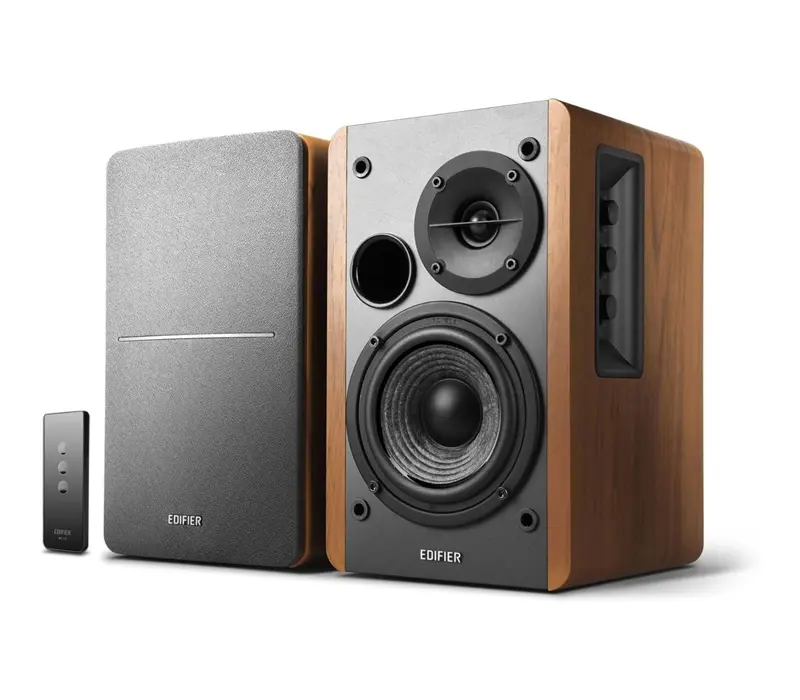
For those starting their audio journey or working with limited space and budget, the Edifier R1280T powered bookshelf speakers paired with a FiiO K3 DAC delivers impressive sound quality without breaking the bank. The Edifier speakers feature built-in amplification, eliminating the need for a separate amplifier, while providing clear, balanced sound with surprising bass extension for their size.
The 4-inch bass driver and silk dome tweeter combination handles various music genres effectively, and the classic wood finish adds aesthetic appeal to any room. Adding the FiiO K3 DAC improves digital audio quality from computers and smartphones, supporting high-resolution audio up to 384kHz/32bit with both USB and coaxial inputs. This complete system typically costs between $150-$200 and offers exceptional value for beginners or secondary room setups.
Mid-Range Excellence: KEF Q350 Speakers with Cambridge Audio CXA61 Integrated Amplifier
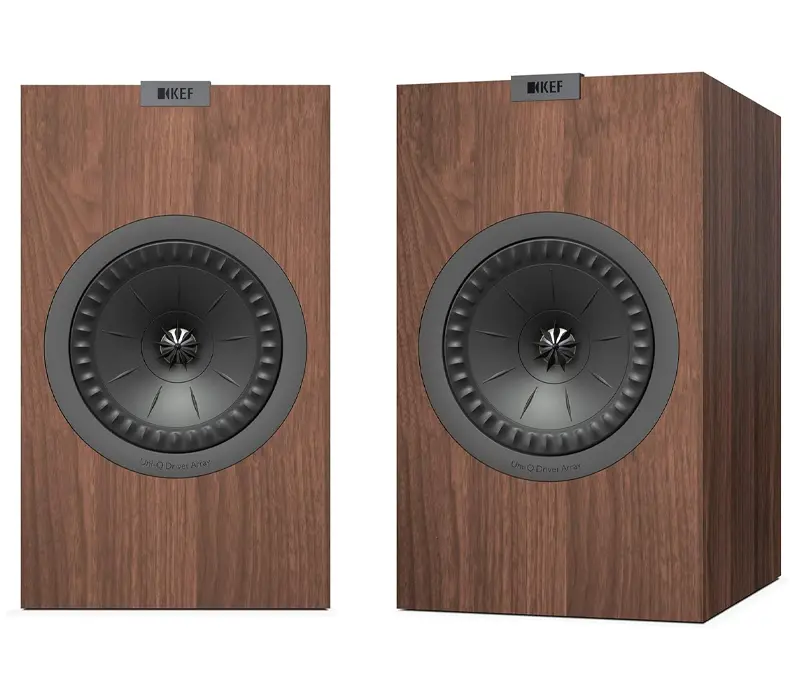
The KEF Q350 bookshelf speakers paired with the Cambridge Audio CXA61 integrated amplifier represent a significant step up in sound quality and refinement for serious listeners. These speakers utilize KEF’s Uni-Q driver technology, placing the tweeter in the acoustic center of the mid-bass driver, creating a more accurate soundstage with better imaging and wider sweet spot compared to conventional designs.
The 6.5-inch Uni-Q driver array delivers detailed, natural sound with excellent tonal balance, handling everything from delicate vocals to complex orchestral passages with ease, while bass response extends cleanly down to around 40Hz. The Cambridge Audio CXA61 provides 60 watts per channel of clean, musical power with a quality built-in DAC supporting high-resolution files, Bluetooth connectivity, multiple analog inputs, and a phono input for turntables. This system costs approximately $1,800-$2,000 and delivers performance that rivals systems costing significantly more.
Premium Performance: Focal Aria 926 Floorstanding Speakers with Hegel H190 Integrated Amplifier
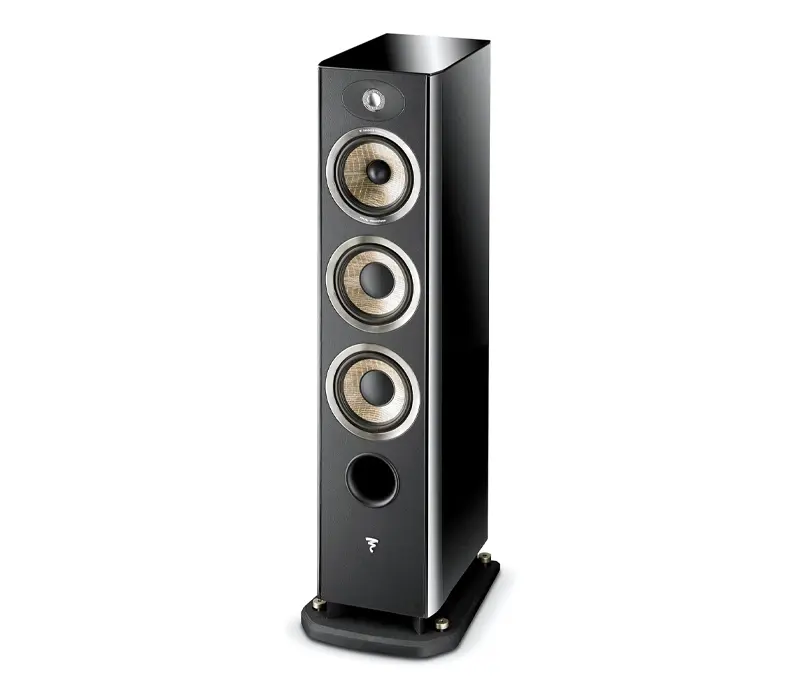
For serious music enthusiasts seeking reference-quality sound, the Focal Aria 926 floorstanding speakers with Hegel H190 integrated amplifier represents an investment in long-term listening satisfaction. The Focal Aria 926 towers feature the company’s signature inverted dome TNF tweeter and Flax sandwich cone drivers, with three 6.5-inch woofers delivering deep, controlled bass down to 30Hz that fills even large rooms with authoritative low-frequency energy and an expansive, three-dimensional soundstage.
The Hegel H190 brings 150 watts per channel with patented SoundEngine technology that dramatically reduces distortion, offering exceptional control over speakers while maintaining composure even at high volumes. The built-in DAC supports all current high-resolution formats, network streaming accesses services like Tidal and Spotify directly, and multiple inputs provide flexibility for various sources. This complete system costs approximately $8,000-$9,000 and delivers sound quality that competes with systems at twice the price, making it an excellent long-term investment for listeners who prioritize exceptional audio performance.
Speaker Upgrades: Maximizing Sound Quality
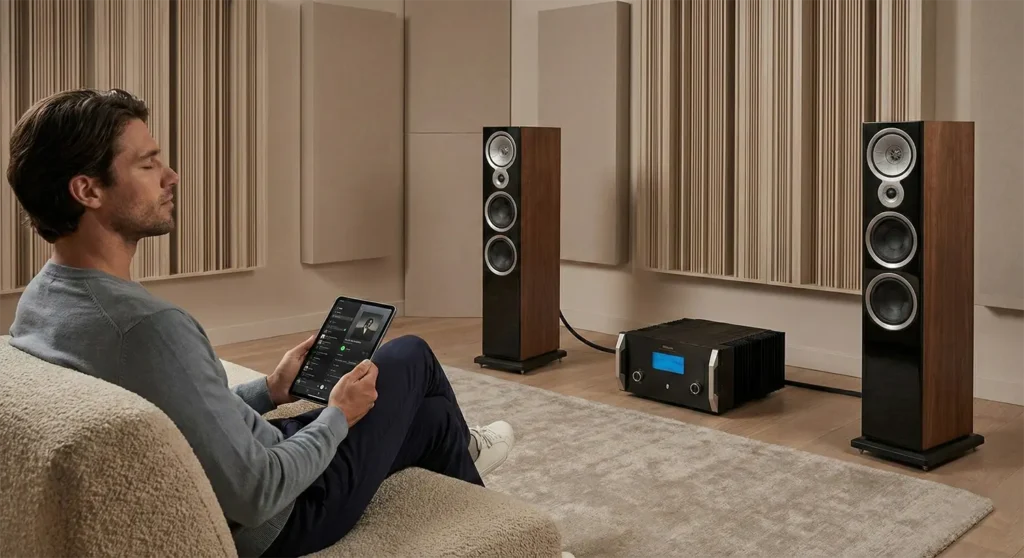
When selecting new speakers, consider your room size, listening preferences, and budget. Bookshelf speakers work well for smaller spaces and near-field listening, while floor-standing towers deliver deeper bass and fill larger rooms more effectively.
Pay attention to speaker specifications, but don’t rely on numbers alone. Frequency response, sensitivity, and impedance matter, but listening tests reveal how speakers actually sound. If possible, audition speakers with music you know well before purchasing.
Speaker placement dramatically affects performance. Position speakers away from walls to reduce bass buildup, angle them toward your listening position, and maintain proper spacing for optimal stereo imaging. Small adjustments can yield significant improvements without spending additional money.
Amplifiers and Receivers: Powering Your Sound
Modern amplifiers come in several varieties: integrated amplifiers, separate power and pre-amplifiers, and AV receivers for home theater applications. Integrated amplifiers offer excellent value and simplicity for stereo music listening, combining volume control and amplification in one unit.
Power ratings can be misleading. A well-designed 50-watt amplifier often outperforms a poorly-made 100-watt model. Look for reputable brands with proven track records. Class D amplifiers offer efficiency and compact size, while Class A/B designs are traditional favorites among audiophiles.
AV receivers add complexity with multiple channels, video switching, and surround sound processing. If you primarily listen to music, a dedicated stereo amplifier typically delivers better sound quality for the same price compared to a multi-channel receiver.
Digital Sources and Streaming Quality
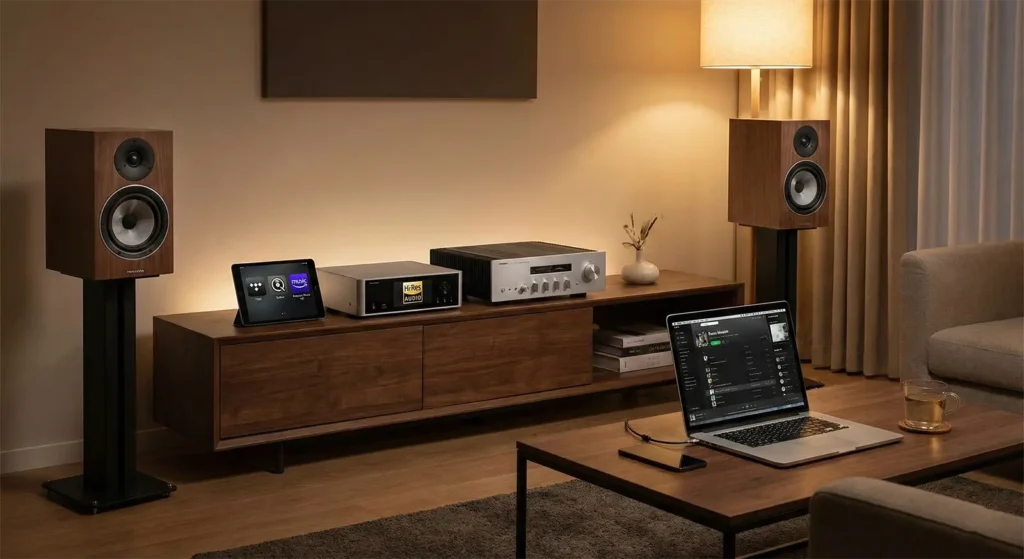
Streaming services now offer high-resolution audio that rivals or exceeds CD quality. Services like Tidal, Qobuz, and Amazon Music HD provide lossless FLAC files and high-resolution downloads. To take advantage of these formats, ensure your digital-to-analog converter supports appropriate bit depths and sample rates.
Dedicated streaming devices and network players offer better sound quality than smart TVs or basic Bluetooth speakers. Look for devices that support your preferred streaming services and file formats. Many modern streamers include built-in DACs that rival standalone units.
For those with existing digital music libraries, proper file management and storage matter. Organize your collection using software like Roon or JRiver, which can improve sound quality through better processing and reduce jitter in digital playback.
Cables and Connections: Separating Fact from Fiction
Cable debates generate strong opinions in audio communities. The truth lies between extremes: cables do matter, but you don’t need to spend thousands of dollars. Well-made cables with proper shielding and solid connections prevent signal degradation and interference.
For speaker cables, use appropriate gauge wire for your run length. Shorter runs can use 16-gauge wire, while longer distances benefit from 14 or 12-gauge to minimize resistance. Ensure tight, clean connections at both amplifier and speaker terminals.
Digital cables (coaxial, optical, USB) matter less than analog interconnects since they carry binary data. As long as the cable is well-constructed and within reasonable length limits, expensive digital cables rarely provide audible improvements. Focus your cable budget on analog connections between components.
Room Acoustics and Treatment
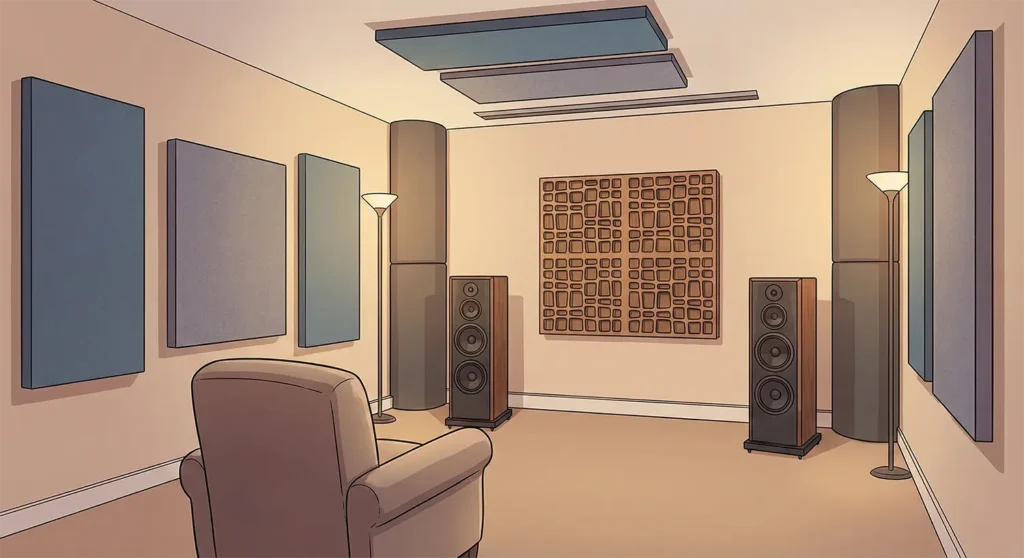
Even the finest audio system sounds poor in a bad room. Simple acoustic treatments make dramatic improvements without expensive renovations. Strategic placement of absorptive panels at first reflection points reduces unwanted echoes and clarifies the soundstage.
Bass traps in room corners control low-frequency buildup that causes boomy, muddy sound. These can be purchased or built using rigid fiberglass panels covered in acoustically transparent fabric. Proper bass management is often the single most effective acoustic improvement you can make.
Diffusers scatter sound reflections, creating a more natural, spacious presentation. While absorption prevents echoes, diffusion maintains room liveliness without deadening the space. A balanced approach using both absorption and diffusion typically yields the best results.
Budgeting Your Audio System Upgrade
Set a realistic budget based on your priorities and current system. A common approach allocates about 40-50% of your budget to speakers, 30-40% to amplification, and the remainder to sources and cables. This distribution typically delivers balanced performance improvements.
Consider upgrading in stages rather than replacing everything at once. This approach spreads costs over time and allows you to evaluate each improvement before making additional changes. Start with the component that represents your biggest bottleneck.
Don’t overlook the used market for high-quality components at reduced prices. Audio equipment from reputable manufacturers often lasts decades with proper care. Well-maintained used gear can deliver exceptional value, especially for items like amplifiers and speakers that don’t rely on rapidly evolving technology.
Common Mistakes to Avoid
Many people upgrade components based on specifications alone without considering system synergy. Components must work well together. Pairing a bright-sounding amplifier with revealing speakers, for instance, may result in fatiguing, harsh sound rather than improved detail.
Avoid the trap of constantly chasing upgrades without enjoying your system. Audio equipment can always be improved, but diminishing returns set in quickly at higher price points. Find a setup that satisfies your ears and spend time listening to music rather than equipment.
Don’t neglect proper setup and calibration. The best equipment performs poorly when improperly configured. Take time to optimize speaker placement, set appropriate volume levels, and configure any room correction features your equipment offers. These free improvements often rival the impact of component upgrades.
Measuring Your Upgrade Success
After you upgrade your audio system, evaluate the improvements methodically. Listen to familiar recordings and note specific changes in clarity, detail, bass extension, or soundstage width. Avoid the temptation to immediately judge new equipment as better simply because it’s different or new.
Give yourself time to adjust to the new sound signature. Initial impressions can be misleading, especially if the tonal balance has shifted. Some improvements, like better dynamics or reduced distortion, become more apparent over extended listening sessions.
Consider keeping notes on what you hear. This helps you make informed decisions about future upgrades and develop your critical listening skills. Over time, you’ll better understand your preferences and can make purchases aligned with your taste rather than following others’ recommendations blindly.
Future-Proofing Your Investment
Audio technology evolves, but fundamental principles remain constant. Quality speakers and amplifiers built today will deliver excellent performance for years or decades. Focus on timeless designs from established manufacturers with strong track records rather than chasing the latest trends.
Ensure your system can accommodate new sources and formats. Modular systems with standard connections adapt more easily to future technologies than all-in-one solutions. A quality integrated amplifier with multiple inputs, for example, works with current sources and whatever comes next.
Stay informed about developments in audio technology, but maintain perspective. New formats and technologies often promise revolutionary improvements but deliver modest gains in real-world listening. Build a solid foundation with quality components, then enjoy your music rather than constantly seeking the next upgrade.
Frequently Asked Questions
What should I upgrade first in my audio system?
Start with your speakers, as they have the most significant impact on sound quality. If your speakers are already good quality, focus next on your amplifier or receiver. Source components should generally be upgraded last, as modern digital sources offer excellent quality even at moderate price points. Always identify the weakest link in your current system before making purchase decisions.
How much should I spend to upgrade my audio system?
Budget based on your current system and goals rather than arbitrary amounts. A good starting point allocates 40-50% to speakers, 30-40% to amplification, and the remainder to sources and accessories. Consider upgrading incrementally over time rather than replacing everything at once. The used market offers excellent value for quality components that last decades with proper care.
Do expensive audio cables make a difference?
Quality cables matter, but extreme prices aren’t necessary. Use properly gauged speaker wire for your run length, ensure solid connections, and choose well-shielded analog interconnects. Digital cables matter less since they carry binary data. Avoid the cheapest cables that may introduce noise or fail mechanically, but you don’t need to spend hundreds of dollars per cable to achieve excellent sound quality.
How important is room acoustics when upgrading my audio system?
Room acoustics are extremely important and often overlooked. Even expensive equipment sounds poor in a bad room. Basic acoustic treatment including absorption panels at first reflection points and bass traps in corners makes dramatic improvements. In many cases, acoustic treatment provides better sound quality improvements than equipment upgrades costing thousands of dollars.
Is it better to buy new or used audio equipment?
Quality audio equipment from reputable manufacturers often lasts decades with minimal maintenance. The used market offers exceptional value, particularly for amplifiers and speakers that don’t rely on rapidly evolving technology. When buying used, verify condition, research original reviews, and purchase from trustworthy sellers. New equipment provides warranty protection and the latest features, but used gear can deliver similar performance at significantly lower cost.
What difference does high-resolution audio make?
High-resolution audio files contain more data than standard CDs and can sound better on quality systems. The improvement is most noticeable when comparing to compressed formats like low-bitrate MP3s. When comparing high-resolution files to CD-quality lossless audio, differences are subtle and depend on your equipment quality and listening acuity. Start with ensuring you’re using lossless formats before pursuing high-resolution downloads.
How do I know if my amplifier has enough power for my speakers?
Check your speaker’s sensitivity rating and your typical listening levels. Speakers rated at 90dB sensitivity or higher need less power than those rated at 85dB or below. For average listening in a medium-sized room, 50-100 watts per channel suffices for most speakers. Very inefficient speakers or extremely loud listening levels require more power. Match amplifier impedance output to your speaker’s rated impedance for optimal performance.
Should I upgrade to wireless speakers?
Wireless speakers offer convenience but generally compromise sound quality compared to traditional wired speakers at the same price point. If you value convenience and clean aesthetics above absolute sound quality, quality wireless systems from brands like Sonos or KEF deliver impressive performance. For dedicated listening rooms where sound quality is paramount, traditional wired speakers still offer better value and performance.