

Latin music types represent one of the most vibrant and diverse musical landscapes in the world, encompassing a rich tapestry of rhythms, melodies, and cultural expressions that have captivated audiences across the globe. From the passionate rhythms of salsa to the smooth sophistication of bossa nova, these musical genres tell stories of heritage, migration, and cultural fusion that span centuries of human expression.
The evolution of Latin music reflects the complex history of Latin America itself, where indigenous, African, and European musical traditions merged to create something entirely new and extraordinary. Today, these genres continue to influence mainstream music, with artists incorporating Latin elements into pop, hip-hop, and electronic music, making understanding these foundational types more relevant than ever.
Origins and Cultural Foundations of Latin Music
The roots of Latin music trace back to the colonial period when Spanish and Portuguese settlers brought European musical instruments and structures to the Americas. However, the true magic happened when these elements combined with indigenous rhythms and African percussion patterns brought by enslaved people. This cultural fusion created the foundation for what we now recognize as distinct Latin music types.
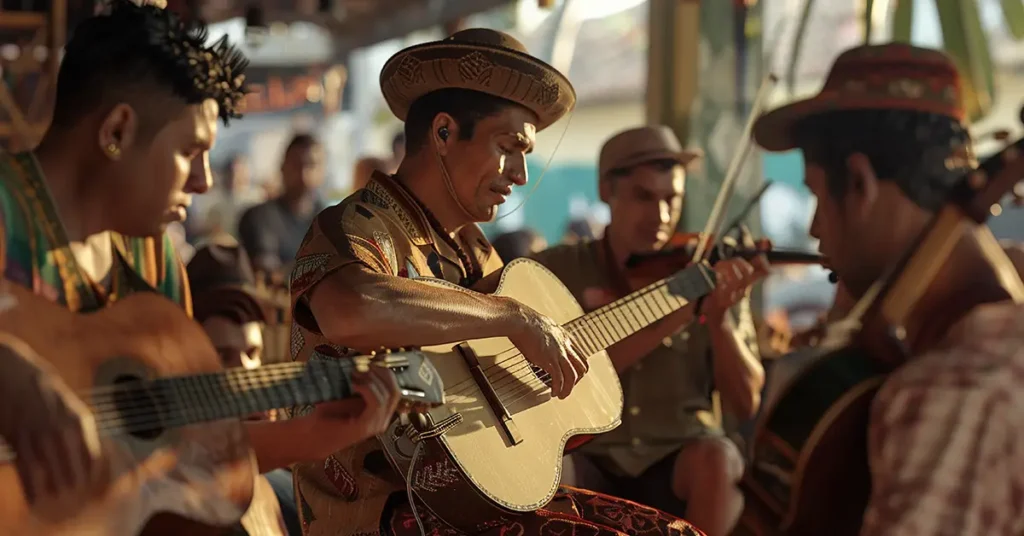
Each region developed its own unique interpretations based on the specific mix of cultural influences present. Cuba became a melting pot for Afro-Caribbean rhythms, Brazil developed its own Portuguese-influenced styles, and Mexico created mariachi traditions that reflected its particular blend of indigenous and Spanish heritage. These regional variations would later spread throughout the Americas and eventually across the world.
The syncopated rhythms characteristic of many Latin genres come primarily from African musical traditions, while the harmonic structures often derive from European classical and folk music. Indigenous contributions include specific instruments like the charango and quena, as well as modal scales and rhythmic patterns that predate European colonization.
Popular Dance-Oriented Latin Music Genres
Salsa: The King of Latin Dance Music
Salsa emerged in the 1960s and 1970s in New York City’s Latino communities, though its roots extend deep into Cuban son and mambo traditions. This energetic genre combines complex percussion patterns with brass arrangements and call-and-response vocals. The clave rhythm serves as the fundamental building block, creating the distinctive syncopation that makes salsa irresistible for dancing.
Modern salsa has evolved to include various substyles including salsa dura (hard salsa), salsa romántica (romantic salsa), and salsa brava. Artists like Celia Cruz, Héctor Lavoe, and Marc Anthony have become household names, bringing salsa to international audiences while maintaining its authentic roots.
Bachata: From Rural Dominican Republic to Global Phenomenon
Originally emerging from the countryside of the Dominican Republic in the early 20th century, bachata began as music for the working class. The genre features guitar-driven melodies with romantic lyrics often focusing on themes of love, heartbreak, and rural life. The distinctive guitar technique called “requinto” creates bachata’s signature sound.
Contemporary bachata has undergone significant transformation, with artists like Romeo Santos and Prince Royce incorporating modern production techniques while respecting traditional elements. The genre’s popularity has exploded globally, particularly in urban Latino communities throughout the United States and Europe.
Merengue: The National Dance of Dominican Republic
Merengue’s fast-paced, 2/4 time signature makes it one of the most accessible Latin dance genres for beginners. The music typically features accordion, saxophone, and a driving rhythm section that creates an infectious energy. Traditional merengue tells stories of daily life, politics, and social commentary through cleverly crafted lyrics.
The genre has produced international superstars like Juan Luis Guerra and Milly Quezada, who have brought merengue to world music festivals and concert halls globally. Modern merengue continues to evolve, incorporating elements from other genres while maintaining its essential Dominican character.
Contemporary and Urban Latin Music Styles
Reggaeton: The Global Urban Revolution

Reggaeton represents one of the most successful Latin music exports of the 21st century. Originating in Puerto Rico in the 1990s, the genre combines reggae and dancehall influences with Latin rhythms and Spanish rap. The distinctive “dembow” beat provides the foundation for most reggaeton tracks, creating an instantly recognizable sound.
Artists like Daddy Yankee, Bad Bunny, and J Balvin have transformed reggaeton from underground urban music to mainstream global phenomenon. The genre’s influence can be heard in contemporary pop music, and its streaming numbers consistently break records on platforms worldwide. When enjoying reggaeton’s powerful bass lines, quality audio equipment becomes essential – check out our selection of compare headphones to experience every detail.
Latin Trap: The New Wave of Urban Expression
Latin trap emerged as an evolution of reggaeton, incorporating elements from American trap music including heavy bass, hi-hat patterns, and atmospheric synthesizers. Artists like Anuel AA, Ozuna, and Karol G have popularized this style, which often features more experimental production and diverse vocal approaches than traditional reggaeton.
The genre reflects contemporary Latino urban experiences, addressing themes of street life, relationships, and social issues with raw authenticity. Latin trap’s production often emphasizes spatial audio effects and layered vocals, making high-quality listening equipment crucial for full appreciation.
Traditional and Folk Latin Music Forms
Mariachi: Mexico’s Musical Ambassador
Mariachi music represents one of Mexico’s most recognizable cultural exports, featuring string ensembles with trumpets, violins, guitars, and the distinctive vihuela and guitarrón. Traditional mariachi repertoire includes son mexicano, ranchera, and bolero styles, often performed at celebrations, festivals, and special occasions.
The genre’s elaborate charro costumes and theatrical performance style have made mariachi a symbol of Mexican identity worldwide. UNESCO recognized mariachi as an Intangible Cultural Heritage of Humanity, acknowledging its cultural significance and artistic value.
Cumbia: From Colombia to Continental Phenomenon
Cumbia originated on Colombia’s Caribbean coast, blending indigenous, African, and Spanish musical elements. The genre’s distinctive rhythm pattern and use of accordion, drums, and flutes create a hypnotic, danceable sound that has spread throughout Latin America with regional variations.
Each country has developed its own cumbia style: Mexico’s cumbia sonidera, Argentina’s cumbia villera, and Peru’s cumbia amazónica all represent unique interpretations of the basic cumbia framework. This adaptability has made cumbia one of Latin America’s most enduring and widespread musical forms.
Brazilian Music: A Category of Its Own
Bossa Nova: Sophisticated Brazilian Elegance
Bossa nova emerged in late 1950s Brazil, combining samba rhythms with jazz harmonies and intimate vocal styles. The genre’s subtle complexity and sophisticated arrangements made it appealing to international audiences, with artists like João Gilberto and Antonio Carlos Jobim becoming global icons.
The gentle guitar patterns and whispered vocals characteristic of bossa nova create an intimate listening experience that rewards attention to detail. Songs like “The Girl from Ipanema” introduced the world to Brazilian musical sophistication, influencing jazz and popular music globally.
Samba: The Heartbeat of Brazilian Carnival
Samba encompasses various substyles including samba de roda, samba-enredo, and samba-reggae, each serving different cultural functions within Brazilian society. The genre’s complex polyrhythmic structures and community-oriented performance traditions make it central to Brazilian cultural identity.
During Carnival season, samba schools compete with elaborate presentations featuring hundreds of performers, showcasing the genre’s theatrical and communal aspects. The music’s infectious energy and participatory nature have made samba synonymous with Brazilian celebration worldwide.
The Digital Age and Latin Music Evolution
Modern technology has revolutionized how Latin music is created, distributed, and consumed. Streaming platforms have made regional genres accessible to global audiences, while social media has enabled artists to build international followings without traditional record label support. This democratization has led to increased fusion between different Latin music types and other global genres.
Production techniques have also evolved, with electronic elements becoming increasingly common in traditional genres. Artists now blend acoustic instruments with digital effects, creating hybrid sounds that respect tradition while embracing innovation. For music enthusiasts wanting to experience these nuanced productions fully, investing in quality compare earbuds can reveal subtle details often missed with standard audio equipment.
Cultural Impact and Global Influence
Latin music types have profoundly influenced popular music worldwide, with Latin rhythms appearing in everything from pop ballads to electronic dance music. The growing Latino population in the United States has created substantial demand for Latin music, leading to increased representation in mainstream media and award shows.
Collaborations between Latin artists and mainstream performers have become increasingly common, introducing Latin musical elements to broader audiences. These cross-cultural exchanges have enriched both Latin and popular music, creating new hybrid genres and expanding creative possibilities for artists worldwide.
The educational value of understanding Latin music extends beyond entertainment, offering insights into history, culture, and social movements throughout Latin America. Many universities now offer courses in Latin music studies, recognizing its academic and cultural significance.
For those interested in exploring specific tracks and discovering new artists across these genres, our extensive songs collection provides curated selections representing the best of each style.
Frequently Asked Questions
What are the main characteristics that define Latin music types?
Latin music types are typically characterized by syncopated rhythms, complex percussion patterns, call-and-response vocals, and the integration of indigenous, African, and European musical elements. Most genres emphasize danceability and community participation, with distinctive instrumental combinations that vary by region and cultural influence.
Which Latin music genre is best for beginners to learn dancing?
Merengue is often recommended for dancing beginners due to its simple 2/4 time signature and straightforward step patterns. Bachata is also beginner-friendly with its slower tempo and romantic style, while salsa offers more complexity for those seeking a challenge after mastering basic Latin dance fundamentals.
How has reggaeton influenced other music genres globally?
Reggaeton has significantly impacted global popular music by introducing the dembow rhythm to mainstream artists, influencing hip-hop production styles, and popularizing Spanish-language music in non-Latino markets. Its success has paved the way for other Latin urban genres and encouraged cross-cultural musical collaborations worldwide.
What role does improvisation play in Latin music performance?
Improvisation is fundamental to many Latin music types, particularly in genres like salsa, jazz-influenced bossa nova, and traditional folkloric styles. Musicians often improvise within established rhythmic and harmonic frameworks, with practices like “montuno” sections in salsa specifically designed for spontaneous musical expression and audience interaction.
Are there significant differences between Latin music from different countries?
Yes, each Latin American country has developed distinct musical characteristics based on unique cultural mixing, historical experiences, and regional influences. For example, Cuban music emphasizes Afro-Caribbean elements, Brazilian music incorporates Portuguese and jazz influences, and Mexican music features strong indigenous and mariachi traditions, creating diverse national musical identities.